

Obayashi and the 20th-century Tokyo Station project.
One example is Obayashi, one of the largest construction conglomerates in Japan, comprising 86 subsidiaries and 26 joint ventures, with over 13,000 employees and total annual net revenue of 1.4 trillion yen (approximately $9.4 billion).
This contractor has also left its mark on many major projects in Vietnam. Obayashi Company was founded in 1892 in Osaka, Japan, and named after its founder, Yoshigoro Obayashi. The group's main activities are construction (including many transportation projects) and real estate business.
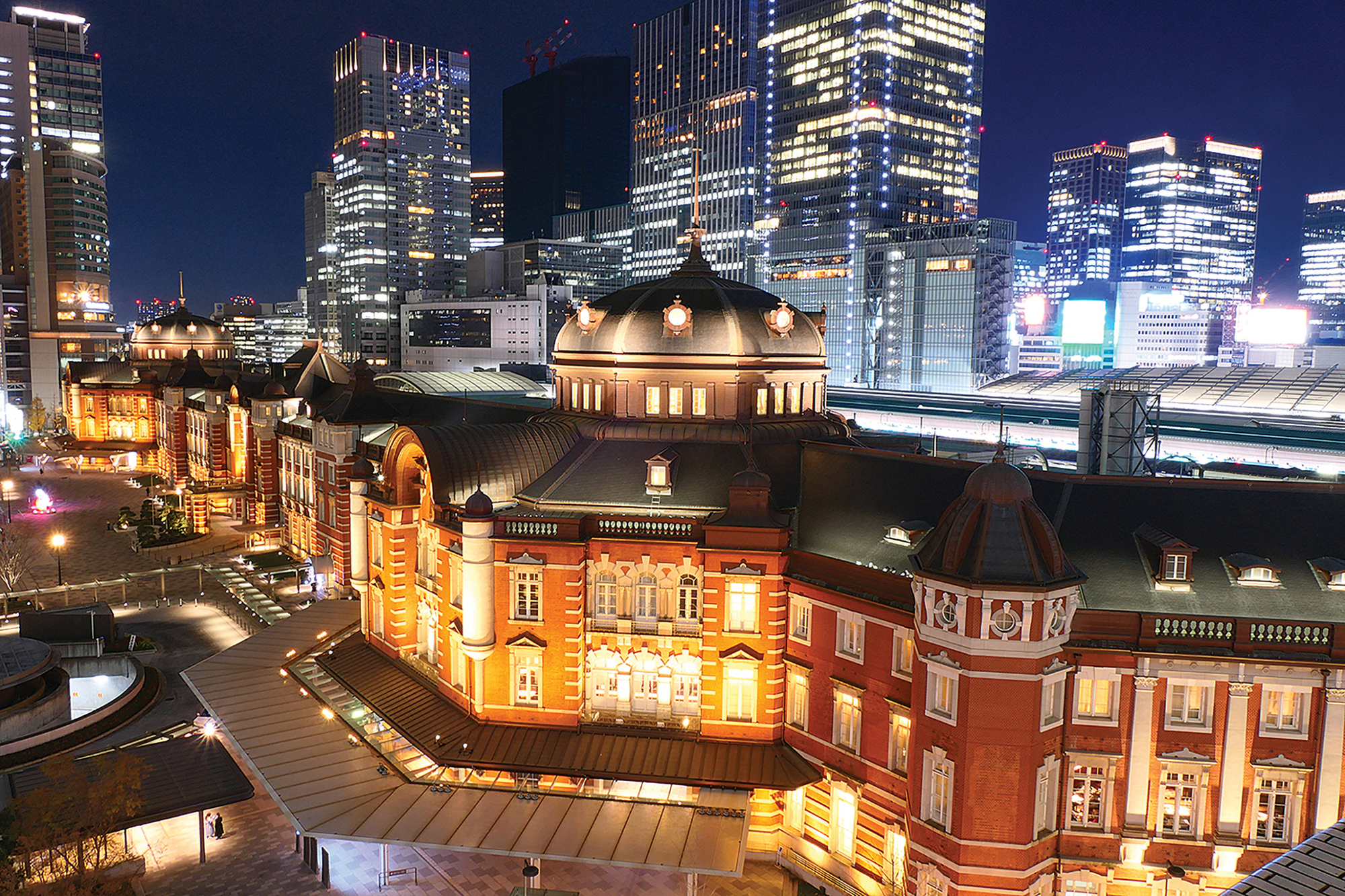
Tokyo Station was built by the Obayashi Corporation.
The growth and prestige of this corporation are clearly demonstrated through the projects that Obayashi has undertaken in Japan from its early years to the present day. These began with the construction of Osaka Port and the Fifth National Industrial Exhibition Center.
In 1914, the Obayashi Company began construction of Tokyo Central Station (now Tokyo Station), marking a milestone in the company's technological development at the national level. Despite surviving the devastating Kanto earthquake that ravaged Tokyo in 1923, the station remained intact.
Over the years, Obayashi has developed significantly through numerous projects, particularly transportation infrastructure projects such as the first Osaka city subway system, running from Yodoyabashi to Kitakyutaro-machi.
In 1991, to celebrate its 100th anniversary, Obayashi continued to participate in many key transportation projects such as the construction of Kansai International Airport and the Tokyo Bay Expressway.
Not content with just national achievements, Obayashi has made its mark with numerous international records. In 1962, Obayashi was the first Japanese construction company to receive an overseas construction project. Later, the company entered the US market and became the first Japanese contractor to win a bid for a San Francisco city government drainage system construction project.
In Vietnam, Obayashi Company started its business in 1992, establishing representative offices in Hanoi and Ho Chi Minh City. Over the years, Obayashi has become known for many outstanding projects such as: Thanh Tri Bridge, Tan Son Nhat International Airport passenger terminal, Thu Thiem Tunnel, East-West Highway (Ho Chi Minh City)...
In addition to its centuries-long experience, Obayashi continues to innovate and develop many new technologies. Most recently, it has been testing a new road infrastructure system at its Technology Research Center in Kiyose City, Tokyo region, in collaboration with partners outside the construction industry.
This company will conduct trials to develop technology for supplying power to electric vehicles while they are moving or stationary, as well as technologies to ensure communication within the system's service.
This project, called "e-MoRoad," is expected to contribute to solving emerging global challenges such as environmentally friendly and carbon-neutral electric vehicles.
Vinci manages up to 7,000km of highways and 36 airports.
Another world-renowned large-scale construction contractor is Vinci SA. Vinci is headquartered in Rueil-Malmaison, in the western suburbs of Paris.
Vinci is a major player in the global construction and franchising market, currently employing 116,377 people in over 100 different countries.
Vinci operates in a wide range of sectors, from high-rise construction projects, power plants, and infrastructure to (road transport, air transport, and social services). Vinci manages over 4,000 km of highways and 36 airports in France and many other countries such as Portugal, Cambodia, the Dominican Republic, Chile, and Japan. It is considered the largest construction contractor in Europe, with revenues reaching €49.3 billion (over $52.6 billion) as of 2022.
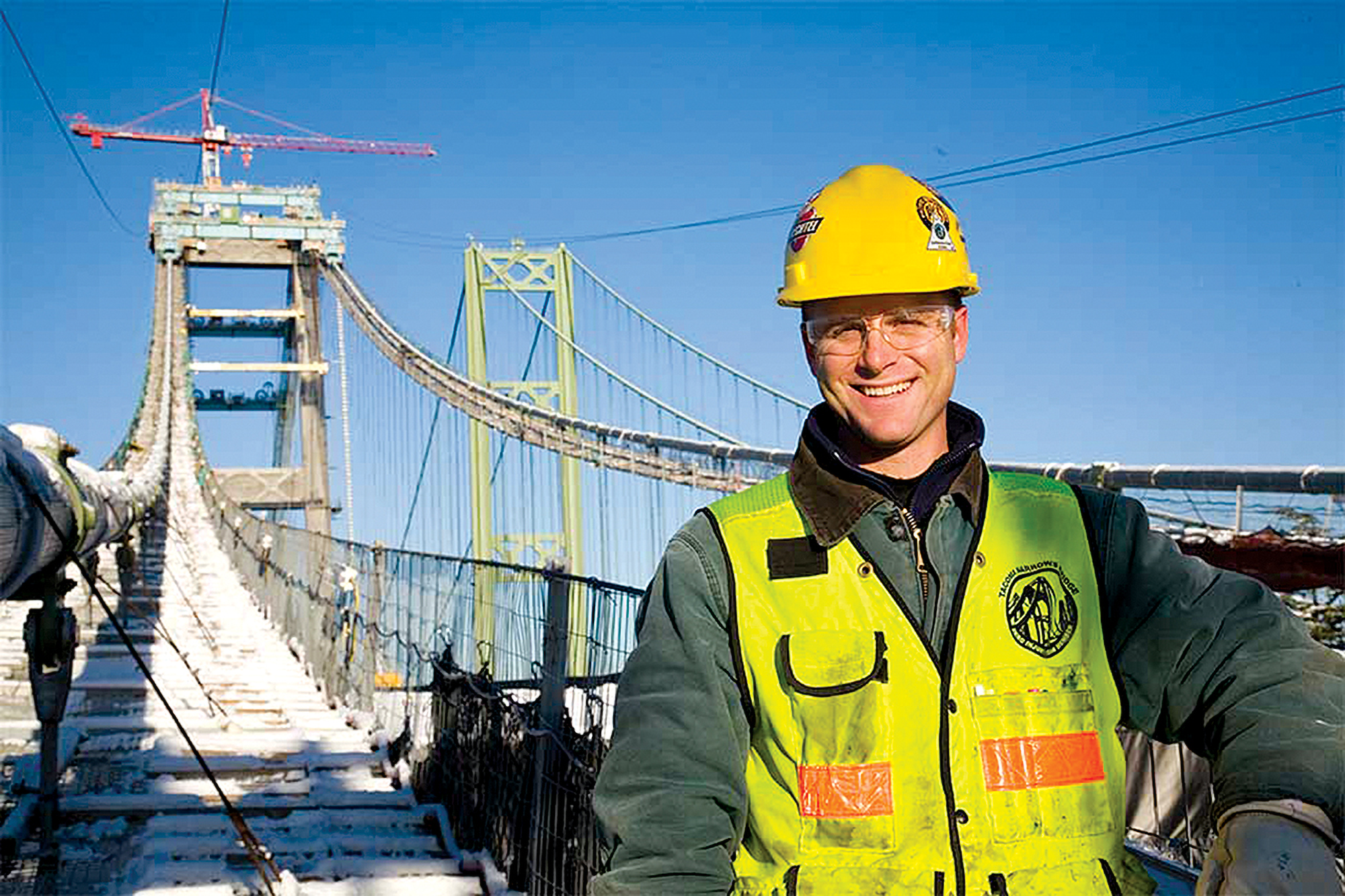
An employee of Bechtel participated in the Tacom bridge project.
In terms of kilometers, Vinci also owns the largest number of concessioned highways in Europe (4,400 km).
This world-class company was founded in 1899 by two founders, Alexandre Giros and Louis Loucheur, under the name Giros et Loucheur (or simply Girolou), starting as a small construction company specializing in public works projects.
The year 2000 marked a turning point for the company when it changed its name to Vinci and expanded to a whole new scale after securing an agreement to acquire GTM Group, a leading French construction and franchising company. This acquisition propelled Vinci to the top of the industry, making it the world's leading construction group, surpassing Bouygues, also from France, with over €17 billion in revenue in 2000.
Currently, the group averages over 70,000 projects worldwide each year. Vinci's operations encompass transportation infrastructure, water infrastructure, renewable and nuclear energy, oil and gas, environmental services, and mining.
Vinci also ranks fifth on the International Construction Magazine's exclusive list of the world's 200 largest contractors. The French giant has repeatedly expressed its desire to cooperate with the Vietnamese government and partners in the field of highway development; to exchange experience and transfer technology in highway management and operation.
In addition, the corporation also expressed its desire to find ways to jointly invest in and develop new highway projects in Vietnam with Vietnamese partners.
CREC and its strategy for expanding internationally.
China Railway Construction Corporation (CREC) is a general contractor for basic infrastructure construction projects including: railways, roads, municipal infrastructure, urban rail transport, water conservancy, hydropower, airports, seaports, ports, manufacturing of industrial equipment and components, real estate development, mineral resource exploitation, high-speed road operation, and financial investment...
To date, the group has more than 380 branches in 105 countries with a total of approximately 290,000 employees; its revenue in 2022 was 1.15 trillion yuan (approximately 157 billion USD).
China Railway Group is one of the entities implementing the "overseas expansion" strategy alongside Beijing's "Belt and Road" initiative.
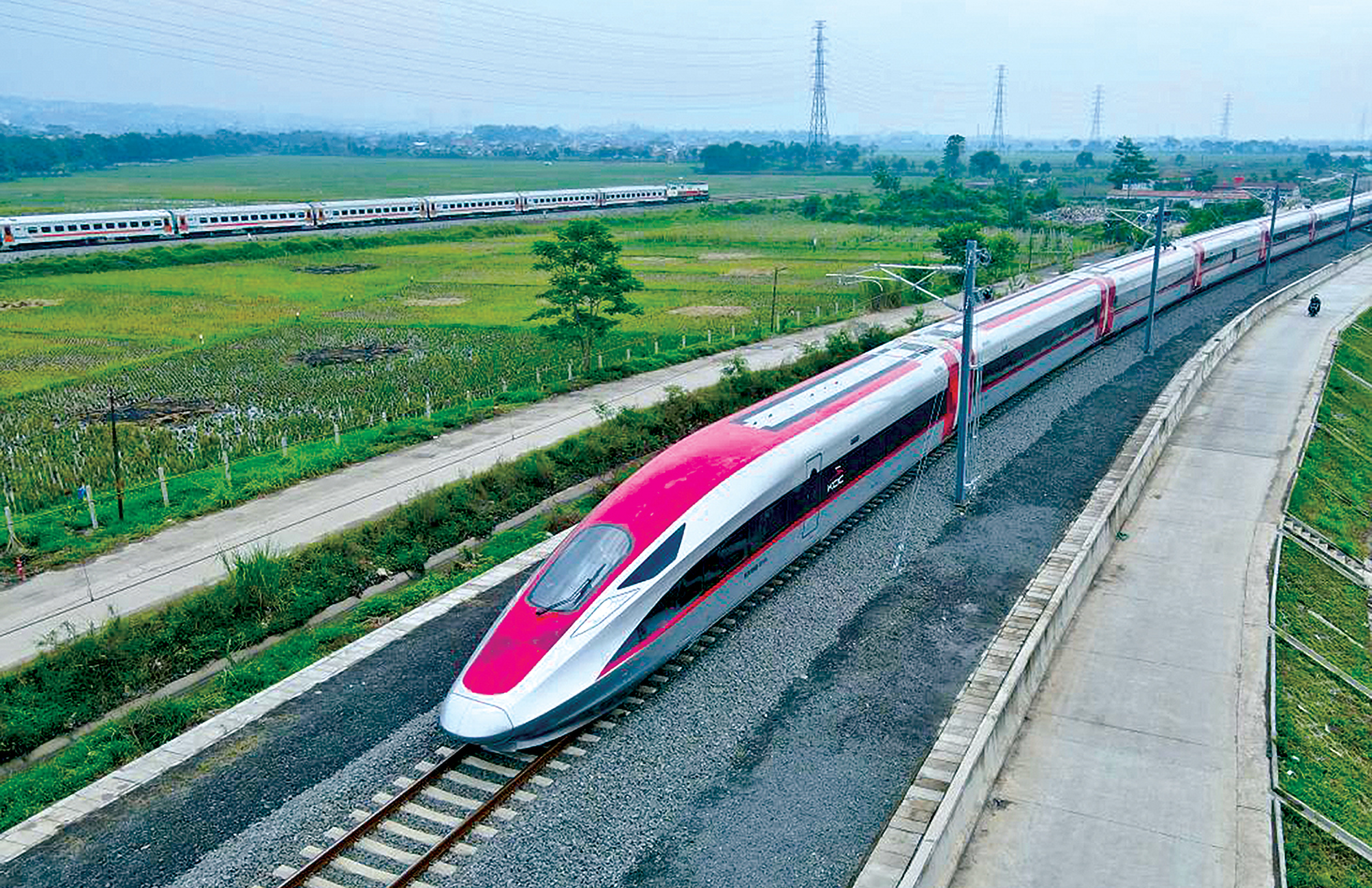
The Jakarta-Bandung high-speed rail project is being implemented by CREC.
CREC's overseas projects, involving railways, highways, bridges, tunnels, housing construction, urban rail, urban engineering, mineral resource development, real estate development, and industrial investment, have been present in 84 countries and regions across multiple continents.
Among these, notable railway projects include: the Indonesia-Bandung high-speed railway, the China-Laos railway, the Addis Ababa-Djibouti railway, and the automated light rail system in Kuala Lumpur (Malaysia)...
In Vietnam, China Railway Group is the general contractor for the Hanoi urban railway project, Line 2 Cat Linh - Ha Dong, with a total EPC contract value of US$640 million; the Dak Nong wind power project with a total contract value of US$18.1 million; and the tire factory project in Tien Giang with a total value of US$5 million.
Bechtel Group built many iconic structures.
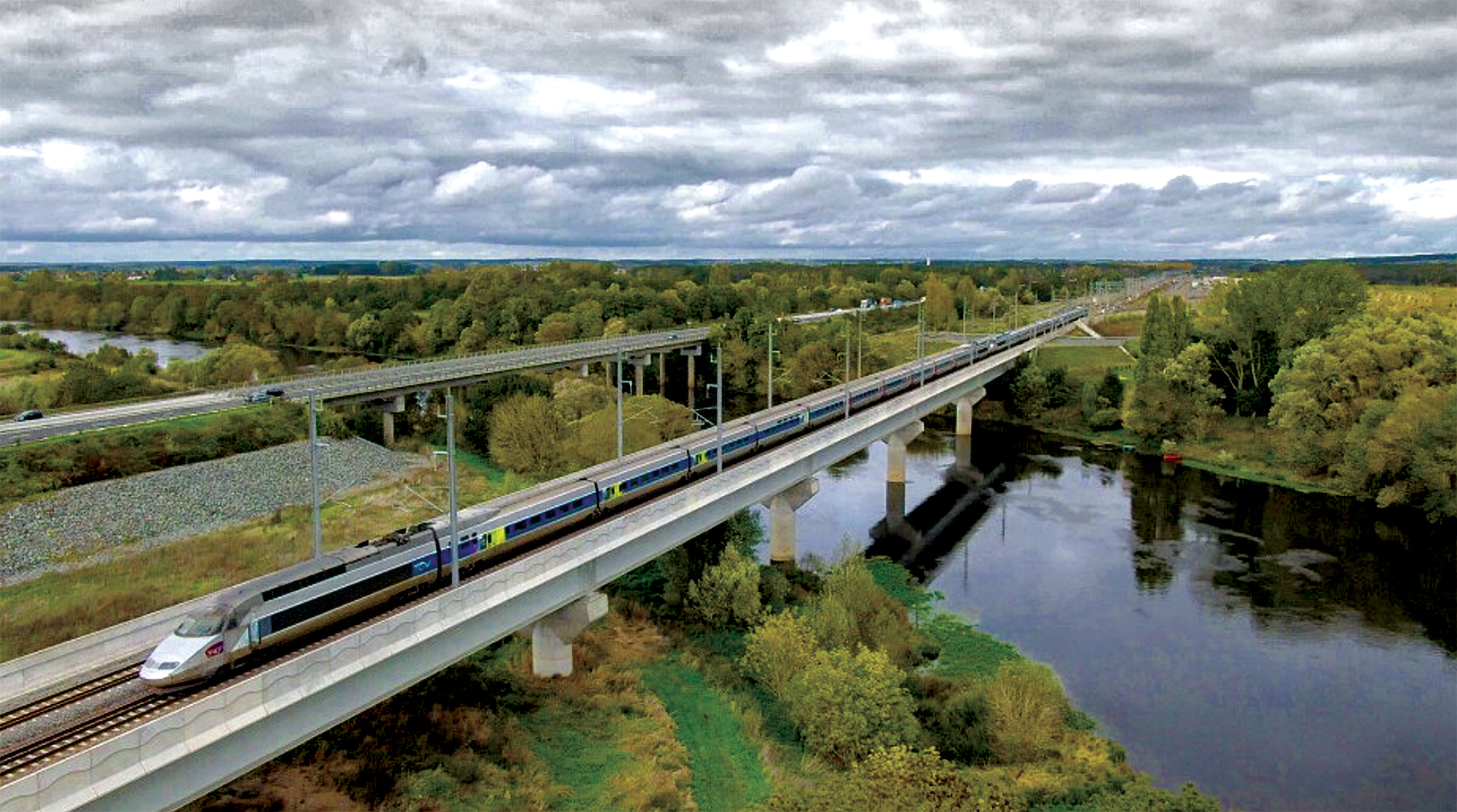
In the US, a well-known general contractor for infrastructure projects is Bechtel Corporation, a global engineering, construction, and project management company with 125 years of experience. The corporation's revenue as of 2020 was approximately $17.6 billion.
This is one of the world's largest construction and engineering companies with over 55,000 employees in nearly 50 countries. Bechtel provides a wide range of services, including engineering, procurement, construction, project management, operation, and maintenance.
Bechtel has a long history of undertaking many complex, iconic, and challenging mega-projects such as the Hinkley Point C nuclear power plant in the United Kingdom, the expansion of the Panama Canal, the construction of the Hoover Dam, the Channel Tunnel, and the iconic Golden Gate Bridge in the United States.
Bechtel also participated in some of the world's largest infrastructure projects, such as the Three Gorges Dam and the Ankara-Gerede highway in Türkiye – part of a road network connecting Europe and Asia in 1986.
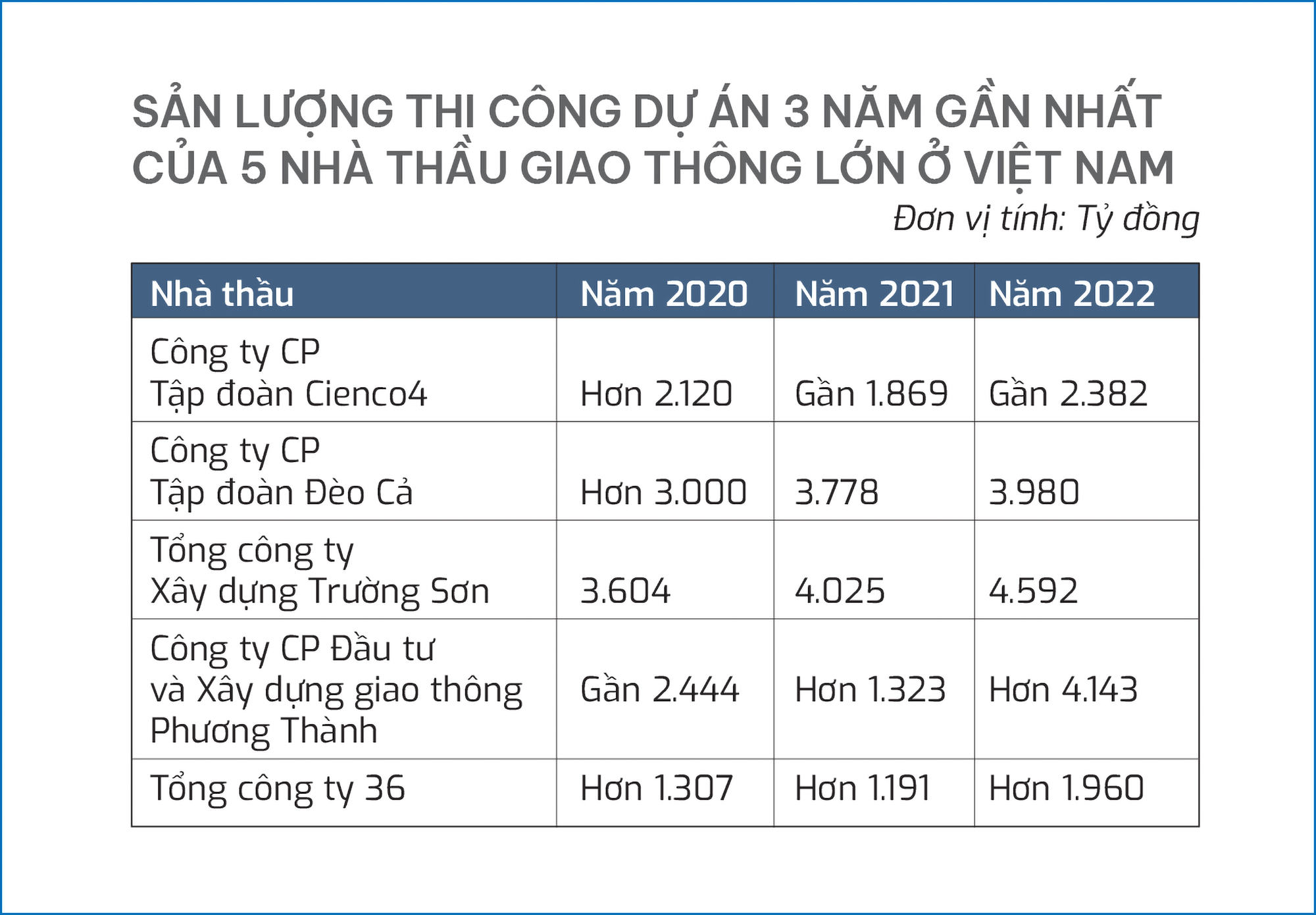
Source: https://www.baogiaothong.vn/nhung-nha-thau-giao-thong-hang-dau-the-gioi-192231008210359813.htm
![[Photo] Capturing the moment the tide recedes at Yen Binh Son rapids - a million-year-old scenic spot in Quang Ngai.](https://vphoto.vietnam.vn/thumb/1200x675/vietnam/resource/IMAGE/2026/05/19/1779175463885_yen9-1199-jpg.webp)
![[Photo] National Assembly Chairman Tran Thanh Man attends the groundbreaking ceremony for the National Highway 1A spatial axis project.](https://vphoto.vietnam.vn/thumb/1200x675/vietnam/resource/IMAGE/2026/05/19/1779161360398_ndo_br_bnd-1412-jpg.webp)










































![[Photo] General Secretary and President To Lam receives Indian Defense Minister Rajnath Singh](https://vphoto.vietnam.vn/thumb/402x226/vietnam/resource/IMAGE/2026/05/19/1779184046302_anh-man-hinh-2026-05-19-luc-16-46-58.png)
























Comment (0)