

Archaeological artifacts – “living witnesses” of history
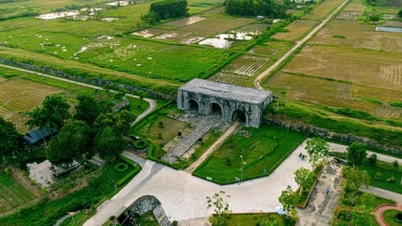
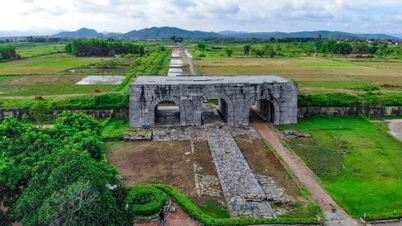
The Ho Dynasty citadel was built in an extremely short time, just over three months at the beginning of 1397, but to this day, its massive and sturdy stone walls, stretching over 3.5km, remain intact.
However, to gain a deep understanding of the Ho Dynasty and to prove the integrity and authenticity of a heritage complex, stone walls alone are not enough. Concrete evidence of living spaces, construction techniques, material and spiritual life within the citadel is needed, and that is where archaeological artifacts come in.
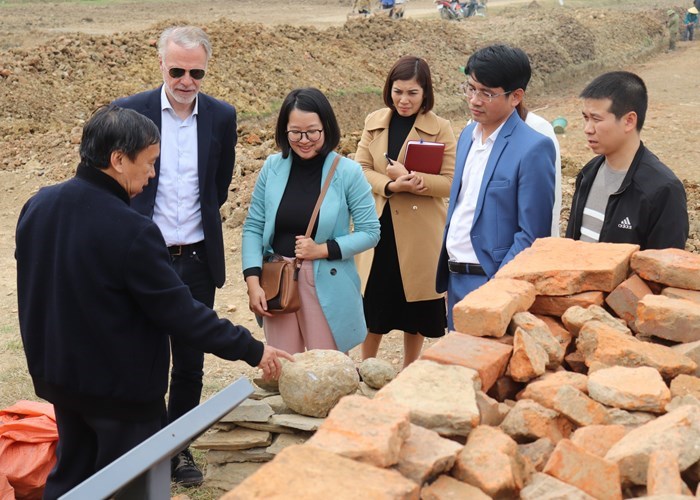
Terracotta bricks were found during excavations at Ho Dynasty Citadel.
From 2004 to the present, the Institute of Archaeology, in collaboration with the Ho Citadel Heritage Conservation Center, has conducted numerous large-scale investigations and excavations in key areas within the citadel, temples, the Nam Giao sacrificial altar, and surrounding areas.
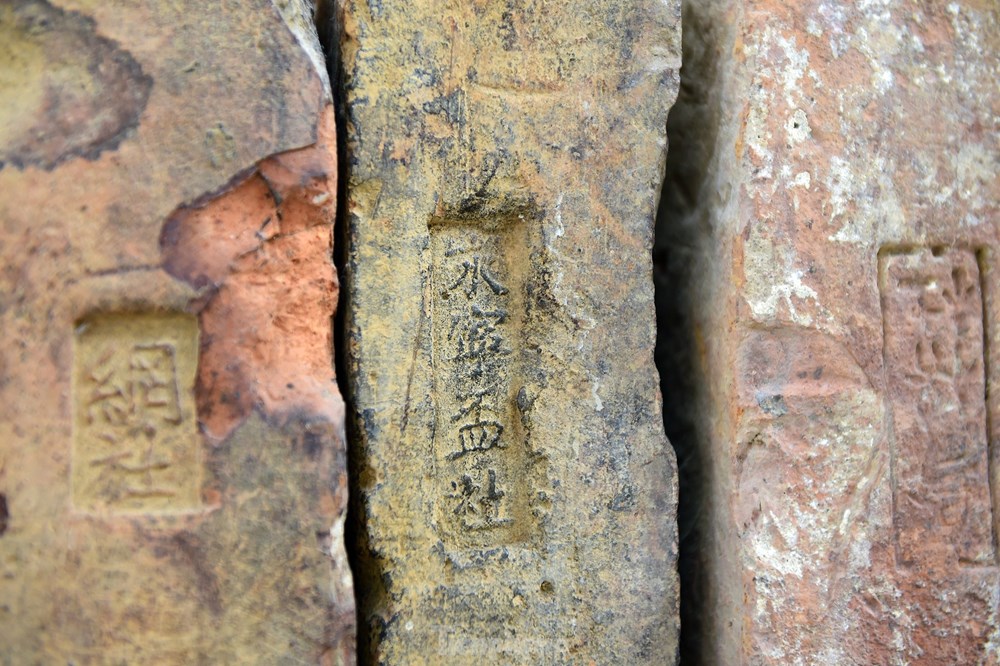
Bricks inscribed with Chinese characters, unearthed in the inner citadel of Ho Dynasty, provide evidence of the building material production process during the Ho Dynasty.
As a result, tens of thousands of artifacts were discovered, including building bricks, architectural stones, ceramics, bronze objects, animal bones, charcoal, etc. The majority of artifacts remained in their original locations, undisturbed, with clear cultural layers and dates coinciding with the short-lived existence of the Ho Dynasty.
Notably, a large number of building bricks bear inscriptions and carvings of Chinese and Vietnamese characters, marking the locations where bricks were produced to serve the construction of the capital city throughout various periods. This reflects the transition from the Tran dynasty to the Ho dynasty and then the early Le dynasty. The brick firing techniques, shapes, and quality also demonstrate a high level of technical skill and uniformity in construction planning.
Bricks inscribed with place names not only establish the age of architectural structures such as main halls, temples, or altars, but also serve as direct evidence, helping to compare historical documents with archaeological findings.
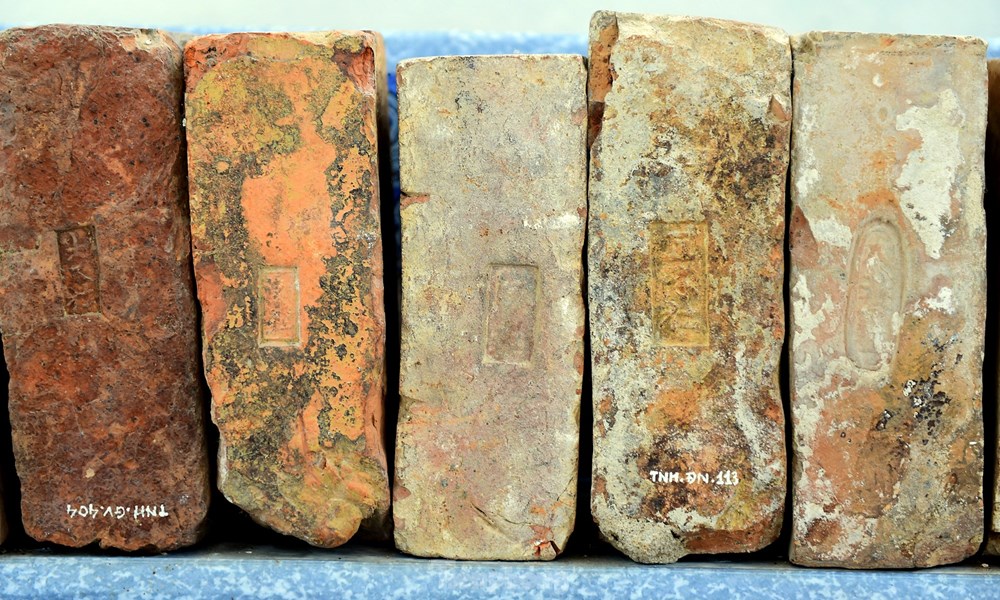
According to researchers, these bricks were produced during the construction of the Nam Giao Altar of the Ho Dynasty (1400-1402).
Furthermore, a large number of white glazed pottery fragments, celadon glazed pottery, blue glazed pottery, coarse pottery, brown-glazed pottery, etc., have been discovered. Many exquisitely decorated artifacts, dating from the late Tran and early Ho dynasties, are products of famous pottery kilns in the country, representing many golden periods in the nation's history.
This is a vivid testament to the daily life, rituals, and cultural and technological exchanges between Tay Do and other regions.
Some unique artifacts such as incense burner lids, candlesticks, incense holders, and sacrificial objects appear in the Nam Giao sacrificial area and other temples, reflecting the rituals of worshipping heaven and ancestors, deeply rooted in Confucianism.
These artifacts reflect the spiritual life of the Ho Dynasty court, contributing to confirming the authenticity of the function of important ceremonial structures.
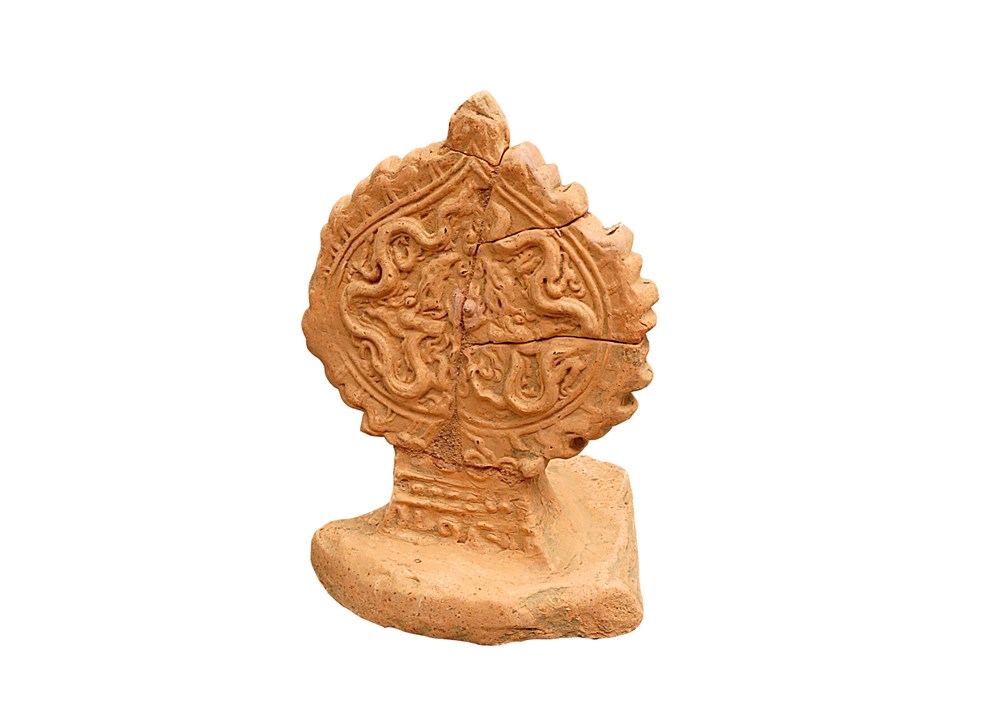
The decorative terracotta patterns discovered at Ho Dynasty Citadel – archaeological artifacts bearing the distinctive artistic style of the Tran-Ho period – reflect the level of craftsmanship and religious beliefs of the time.
In particular, many stone architectural artifacts such as foundation pillars, base stones, slabs, steps, railings, and mortise and tenon jointed stone slabs were unearthed in almost intact condition. These components help determine the scale, layout, axis orientation, and function of the structures, thereby scientifically reconstructing the overall architecture of the imperial city.
The large, meticulously crafted blocks of blue stone, fitted together tightly, demonstrate the high level of technical skill of the craftsmen of the Ho Dynasty, and are clear evidence of their organizational capacity for construction during that particular historical period.
It is worth noting that all these archaeological artifacts were discovered in the correct position of the ancient urban spatial structure, in an undisturbed stratum, clearly demonstrating their original and authentic value. This is a key factor in UNESCO's assessment of the outstanding global value of the Ho Dynasty Citadel Heritage.
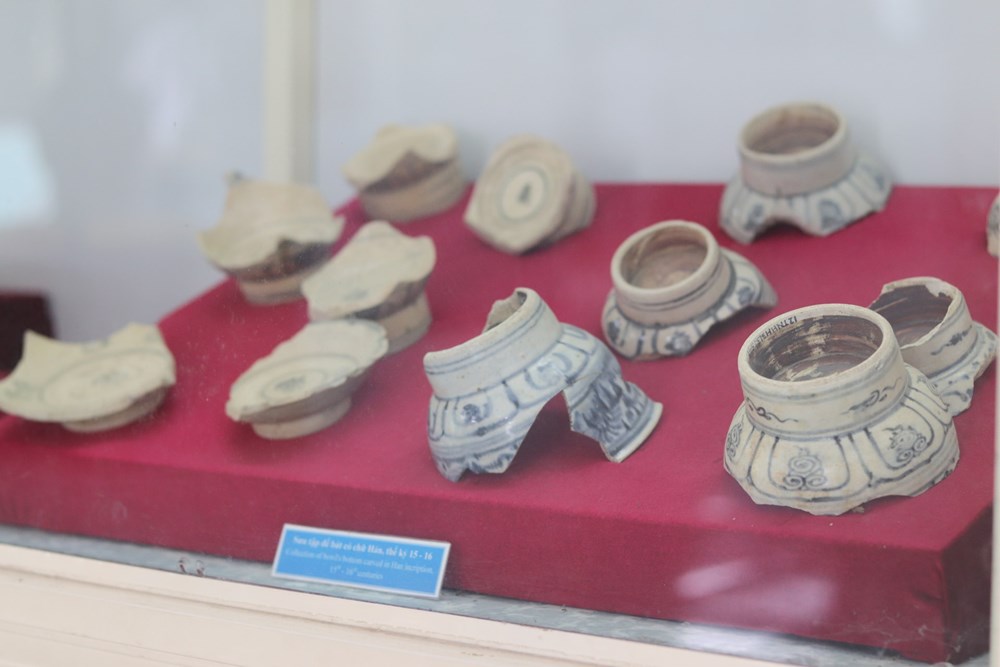
Exquisite glazed ceramic artifacts dating from the late Tran and early Ho dynasties are on display at the Ho Citadel Heritage Exhibition House.
Preserving artifacts in situ – safeguarding their original value for future generations.
In UNESCO's assessment, authenticity is not limited to dating or techniques, but also includes the originality of the excavation context and appropriate conservation efforts. Ho Citadel is one of the few World Heritage sites in Vietnam that comprehensively implements archaeological excavation combined with in-situ conservation of artifacts, in accordance with international principles.
After each excavation, artifacts such as foundation stones, base slabs, inscribed bricks, and stone components are carefully protected using stratigraphic covering methods, employing geotextile layers, clean sand, and specialized membranes to prevent erosion, limit weathering, and ensure their original state. Some representative excavation pits are also temporarily reconstructed for outdoor display, serving the educational needs of the community and tourists.
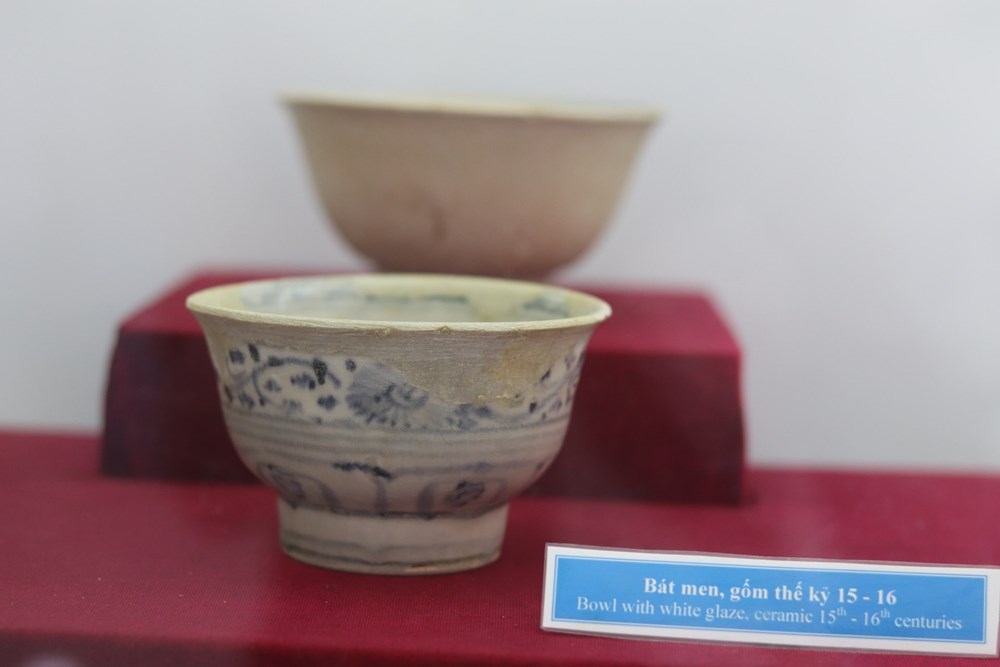
15th-16th century glazed ceramic bowls are on display at the Ho Citadel Heritage Conservation Center.
The Ho Citadel Heritage Conservation Center is currently collaborating with experts from UNESCO, the Institute of Archaeology, and international organizations to digitize all archaeological artifact data, build a 3D database, and create maps of artifact distribution. The application of technology not only contributes to the preservation of artifacts but also opens up new approaches for research, exhibition, and communication of heritage.
Notably, many representative artifacts have been selected, preserved, and displayed at the Ho Citadel Heritage Exhibition House, serving research, tourism, and education purposes. This is a way of transforming archaeological value into educational value and sustainable development, in line with the spirit of the 1972 World Heritage Convention.
The excavation, restoration, and preservation of archaeological artifacts in situ not only contribute to preserving authenticity but also lay the foundation for future heritage restoration and interpretation projects. For an ancient architectural complex like the Ho Dynasty Citadel, where only the city walls remain, preserving archaeological artifacts in their original location is key to preserving historical memory for future generations.
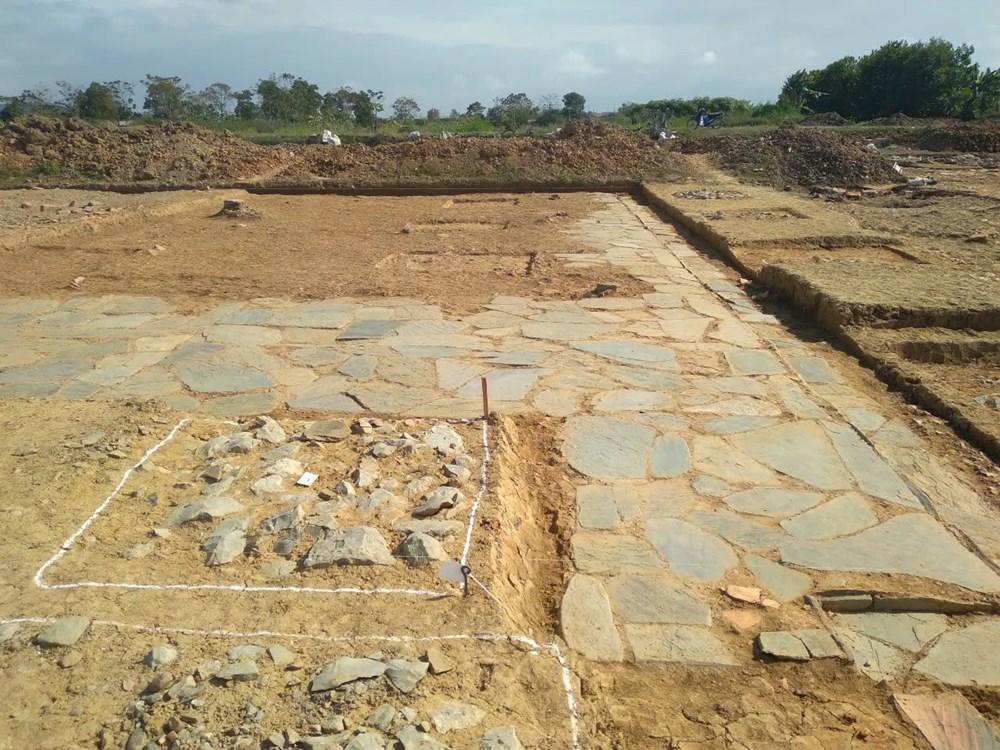
Excavation pits in the inner citadel of Ho Dynasty have uncovered original stone foundations and architectural components – authentic evidence of urban planning and construction skills during the Ho Dynasty.
It is no coincidence that the Ho Dynasty Citadel Heritage Site was recognized by UNESCO as a World Cultural Heritage Site under criteria (ii) and (iv) – that is, outstanding evidence of a historical period and a typical form of urban architecture. Because besides the magnificent stone walls, archaeological artifacts, even just broken pottery fragments or bricks with inscriptions, have provided authentic, scientific, and convincing evidence about the existence, continuity, function, and level of development of the Tay Do capital.
As Dr. Nguyen Giang Hai, former Director of the Institute of Archaeology, once shared: "Archaeological artifacts cannot be faked. They are living evidence, helping history speak most truthfully. The Ho Dynasty citadel retains its authenticity not because of its sturdy stone walls, but because of the layers of sediment and pristine artifacts that have remained dormant in the ground for over 600 years."
Source: https://baovanhoa.vn/van-hoa/bai-2-khang-dinh-tinh-xac-thuc-cua-di-san-135296.html













![[Video] The craft of making Dong Ho folk paintings has been inscribed by UNESCO on the List of Crafts in Need of Urgent Safeguarding.](https://vphoto.vietnam.vn/thumb/402x226/vietnam/resource/IMAGE/2025/12/10/1765350246533_tranh-dong-ho-734-jpg.webp)

































































Comment (0)