

Keeping the flame alive for Pà Thẻn brocade weaving.
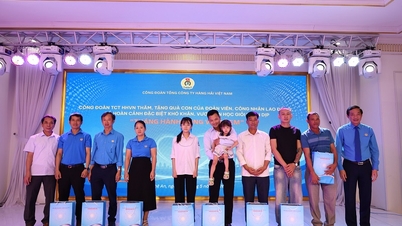
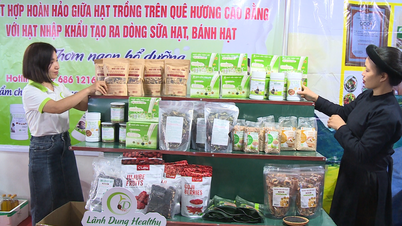
In the transformative pace of the digital age, where every cultural value has the opportunity to spread through various creative ways, young people in the highlands are quietly creating miracles: bringing their ethnic identity beyond the confines of their villages to reach friends around the world. The story of Ms. Tai (second from the left) , born in 1987, of the Pa Then ethnic group, Director of the Pa Then Tan Bac Brocade Cooperative in Tan Trinh commune, Tuyen Quang province, is a clear example.
 |
In 2017, she established the Tan Bac Pa Then Brocade Cooperative with the desire to preserve her ethnic group's weaving craft. Through the diligent hands at the looms, the cooperative has produced hundreds of products. Each vibrant piece of fabric becomes a cultural ambassador, telling the story of the mountains and forests through its intricate patterns.
Not content with just production, Ms. Mai quickly embraced digital technology to promote her brocade to a wider market. She joined sales groups, learned how to livestream, and used Facebook and Zalo to introduce her products daily. As a result, Pà Thẻn brocade has become more widely available, from highland markets to urban markets. In 2024, the cooperative's revenue exceeded 1 billion VND, and the average income of its members reached 4-8 million VND per person per month.
A significant milestone was in 2018 when Good Neighbors International (GNI) partnered with Ms. Mai in her journey to preserve the craft. GNI provided looms, raw materials, skills training, and facilitated the cooperative's participation in trade fairs and product promotion. Thanks to the application of traceability labels, barcodes, and OCOP standards, the cooperative's products gained consumer trust. As a result, Pà Thẻn brocade products are chosen by many international tourists, especially those from Japan, the UK, and the US.
Minh Thuy
Po My 4.0
In the high mountains of the far north of Vietnam, there is a 4.0 cooperative. Thanks to the application of digital technology, it has connected raw material production areas, helping local people have a stable income and improve their lives.
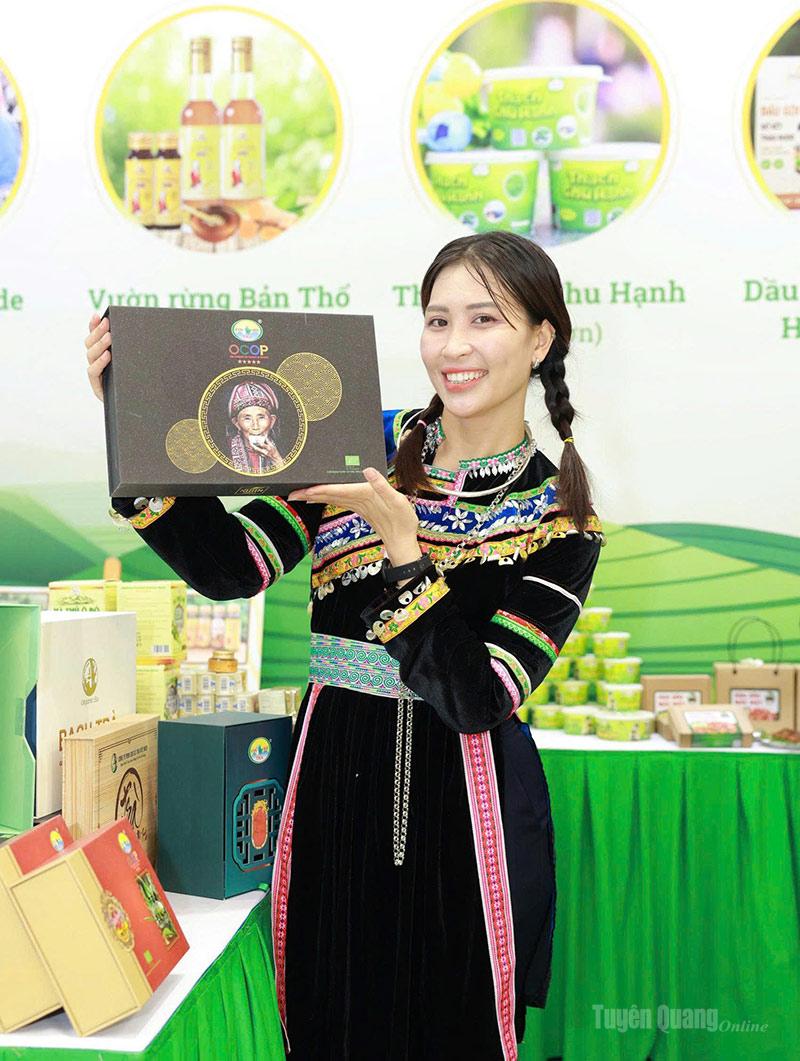
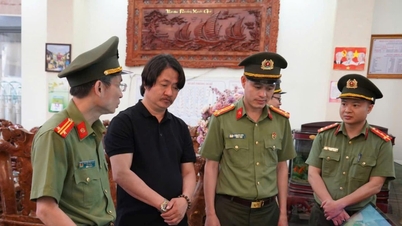
Leveraging her accumulated media experience while working in Hanoi , Ms. Luu Thi Hoa (pictured), born in 1993, a member of the Co Lao ethnic group from Dong Van commune, decided to return to Dong Van to establish the Po My Agricultural, Forestry and General Trade Service Cooperative (Po My Cooperative), creating a new direction for local agricultural products.
 |
Seeing that the local climate and soil were suitable for growing vegetables and fruits, but production was still small-scale, spontaneous, and lacked a market, Ms. Hoa boldly applied digital transformation and built the "Po My 4.0" model right in the far north of the country. The Po My Cooperative buys agricultural products, connects producing households, and changes traditional business methods to multi-channel business.
Thanks to digital transformation, approximately 80% of Po My Cooperative's products are sold through online channels such as Shopee, Lazada, TikTok, along with its website and Facebook. In addition, other products from Po My Cooperative are sold in many stores within the province and in other locations such as Hanoi, Ho Chi Minh City, Bac Ninh, and Hai Phong.
Building on that success, Ms. Hoa guided local farmers in using smartphones and connecting applications to exchange information and sell agricultural products. Previously, Ms. Hoa had to travel 40-50 km, spending an entire day inspecting the raw material areas; now, it only takes a few minutes to connect online. The entire process, from collection and sorting to transportation, is managed online. To date, the Po My Cooperative has partnered with 30 households, providing stable employment for 6 permanent workers and 20-30 seasonal workers, contributing to sustainable livelihoods for ethnic minorities in the highlands.
Nhu Quynh
Bringing herbal products to the digital market.
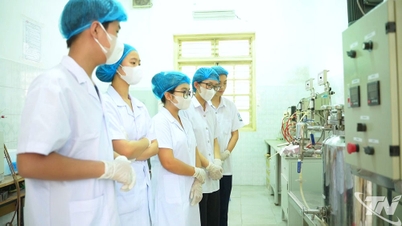
Born and raised in Son Thuy commune, where medicinal herbs have been intertwined with the lives of the San Diu people for generations, Ms. Trinh Thi Hai (pictured), Director of Pham Trinh Herbal Company Limited, has chosen a new direction for the familiar plants of her homeland: transforming indigenous herbs into marketable products, approaching the market with a modern entrepreneurial mindset and digital technology.
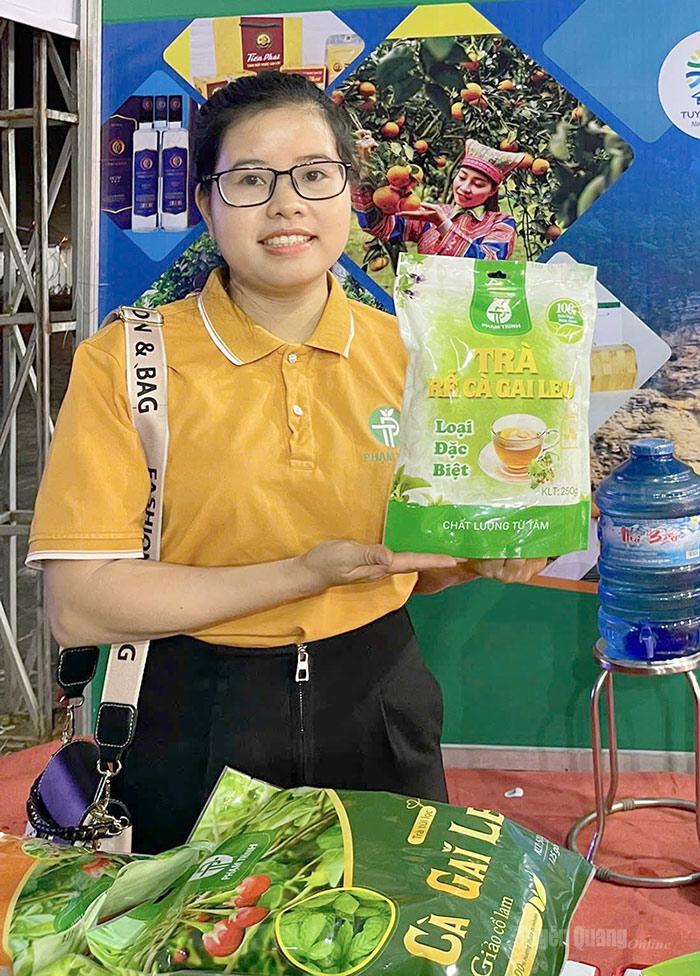 |
Sister Hai chose to develop convenient herbal tea lines suitable for modern lifestyles. From milk thistle, Gynostemma pentaphyllum, Anxoa, Centella asiatica, guava buds, etc., she gradually standardized the production process and experimented with various processing methods to preserve the medicinal properties and natural flavor.
The company's distinctive business model lies in its market-oriented production organization. After perfecting its main tea lines, including Gynostemma pentaphyllum and Gynura procumbens teas, which received OCOP 3-star certification, Ms. Hai focused on investing in packaging, labeling, traceability, and building a clear and consistent brand story.
In particular, since 2024, the company has boldly brought its products to digital platforms. Through Shopee, TikTok Shop, and Facebook, Pham Trinh herbal tea directly reaches consumers, reducing intermediaries, and simultaneously gathering feedback to improve the product. As a result, sales volume reaches approximately 10 tons per year, with the majority coming from e-commerce channels. Revenue reaches 3 billion VND per year, and after deducting expenses, the profit is approximately 800-900 million VND per year.
The startup model of Pham Trinh Herbal Company Limited demonstrates that when indigenous knowledge is combined with digital technology, highland products can absolutely find a sustainable place in the modern market.
Hai Huong
Agricultural products reach international standards.
Amidst a rapidly changing market, Binh Minh Organic Agricultural Cooperative in Yen Son commune has chosen technology as a leverage to bring its familiar local agricultural products to one of the world's most demanding markets: the United Kingdom.
Established in 2022, amidst the agricultural sector's struggle to find its way after the pandemic, Binh Minh Cooperative, instead of relying on traditional farming methods, quickly positioned its brand by carefully investing in advanced processing technology. This has resulted in high-quality agricultural products that are competitive in the market.
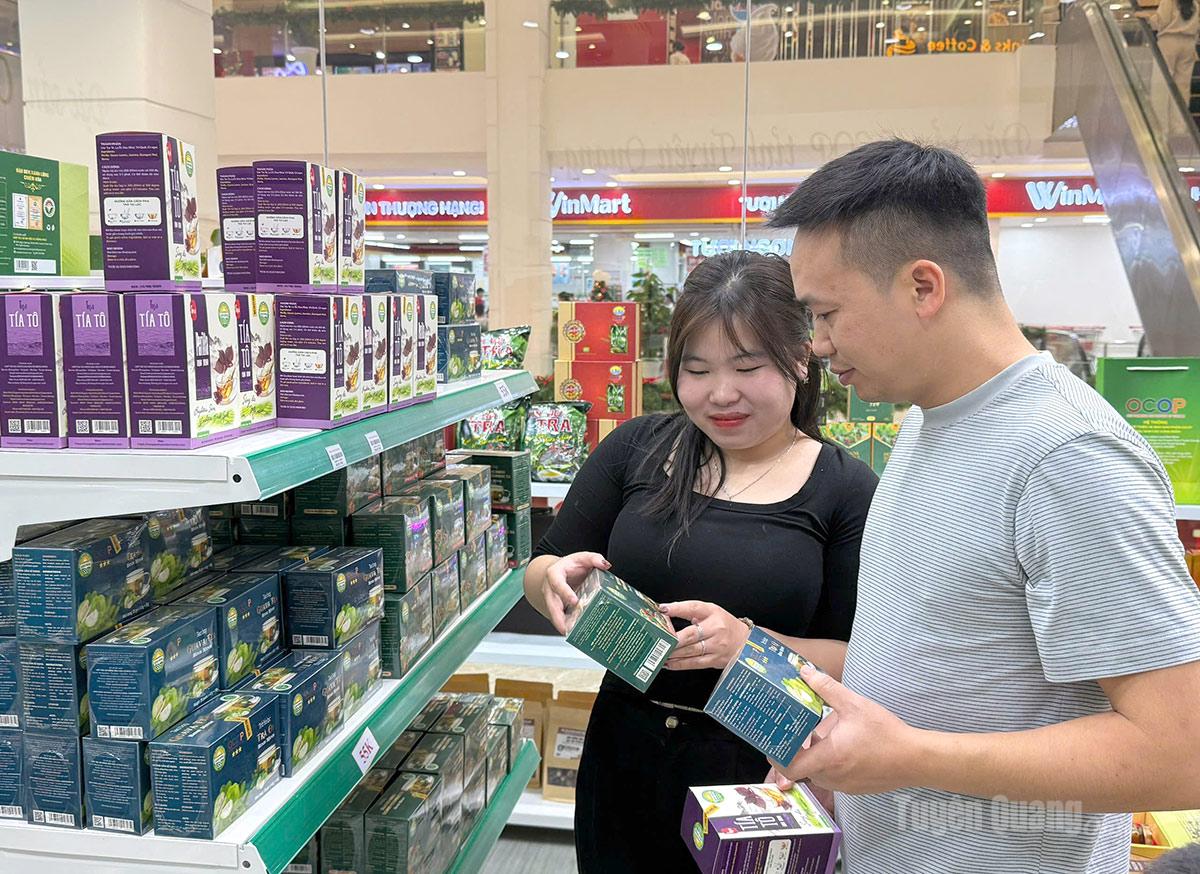 |
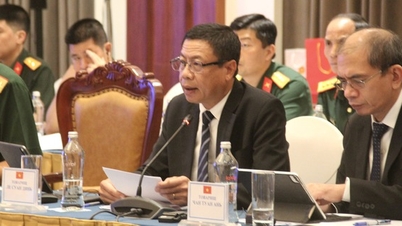
Tran Viet Coi (pictured), Director of Binh Minh Organic Agricultural Products Cooperative, shared: "The biggest concern for those who grow medicinal herbs is how to preserve the essence of nature. To solve this problem, the cooperative boldly invested in a modern cold drying system to retain the maximum nutritional value and natural color of the product. In addition to the drying system, the cooperative also introduced an automated '5-in-1' tea bag packaging line into the production process to reduce labor and save costs."
Simultaneously, it has created a closed-loop production cycle that meets standards from harvesting, cutting, grinding, processing to packaging, ensuring that each product leaving the factory and entering the market is of the highest quality. Since introducing the modern production line, the cooperative's revenue has reached 7 billion VND/year; after-tax profit has exceeded 900 million VND/year; and it has contributed over 700 million VND to the state budget.
With a modern mindset, the cooperative has built a virtual store system, perfected a professional website, and promoted its products on digital platforms. To date, the cooperative has an ecosystem of 14 products, including 7 products that have achieved OCOP 3-star certification, creating stable jobs for dozens of local workers.
The cooperative's greatest achievement and source of pride is successfully bringing its two products, guava tea in tea bags and male papaya flower soaked in honey, to the UK market.
Thuy Le
Source: https://baotuyenquang.com.vn/kinh-te/202602/nhung-nong-dan-40-5e56d9a/
![[Photo] General Secretary and President To Lam presides over a working session with the Central Policy and Strategy Committee on the development of the materials industry.](https://vphoto.vietnam.vn/thumb/1200x675/vietnam/resource/IMAGE/2026/05/21/1779359935432_a3-bnd-3129-1412-jpg.webp)































































Comment (0)