

16 years as the "conductor" of Quang Ninh Newspaper
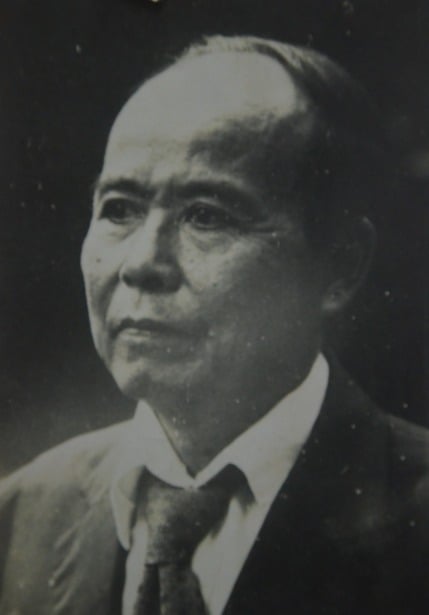
From his position as Deputy Head of the Standing Committee of the Provincial Party Committee's Propaganda Department, in 1972, Mr. Nguyen Huy Tro was transferred to become the Editor-in-Chief of Quang Ninh Newspaper. He held this position for 16 years until his retirement in 1988.
Throughout his decades as a newspaper leader, Mr. Tro observed that the vast majority of journalists were intellectuals with great creativity, working tirelessly day and night, eager to learn, and possessing a high sense of work discipline. During the war against the US, especially when air raids escalated in the North, travel was extremely difficult and dangerous, but journalists were always ready to go and write whenever needed. It was this spirit, combined with the efforts of the staff and workers of the Quang Ninh printing house, that ensured the Quang Ninh newspaper was published regularly and on time throughout the entire war against the US, even during the most intense periods. Furthermore, the Quang Ninh newspaper also conducted extensive monthly propaganda, spreading many exemplary achievements in combat and production in the mining region.
For a long period, the zinc plate photo-making department not only produced photos for the Quang Ninh newspaper but also assisted the Navy newspaper and newspapers from several neighboring provinces. At the same time, they mentored and trained several other newspapers in taking photos on zinc plates, drying photos, and etching. Many reporters and staff members of the newspaper at that time were very proactive, sawing, planing, cutting, drilling, and nailing like carpenters.
During the years when the country entered a period of peace and reconstruction, reporters from Quang Ninh Newspaper, under the leadership of "conductor" Nguyen Huy Tro, worked tirelessly at the grassroots level, upholding the integrity of journalists and earning the respect of local leaders and employees. The team of journalists understood that they represented the mouthpiece of the local Party committee and government, constantly cultivating the self-respect and pride of Party journalists, effectively combating negativity. This vibrant and highly combative team of journalists created the foundation for the newspaper's sustainable development.
During this period, a vibrant professional training movement took place for many years under the slogan "Everyone is a teacher, everyone is a student." Reporters and editors who excelled in a particular subject or field, had more experience, or had received more training prepared content to share with their colleagues. Thanks to this on-the-job learning approach, the team of journalists was constantly strengthened and developed, gradually meeting the demands of the task and improving the quality of the newspaper. To elevate the newspaper's cultural level, after 1975, the newspaper piloted dedicating one, then two, pages in its weekend edition to cultural, literary, and artistic issues. After two years of piloting and receiving positive feedback from readers, in March 1984, Quang Ninh Newspaper added a special weekend edition on Saturday, quite early, along with several other newspapers nationwide.
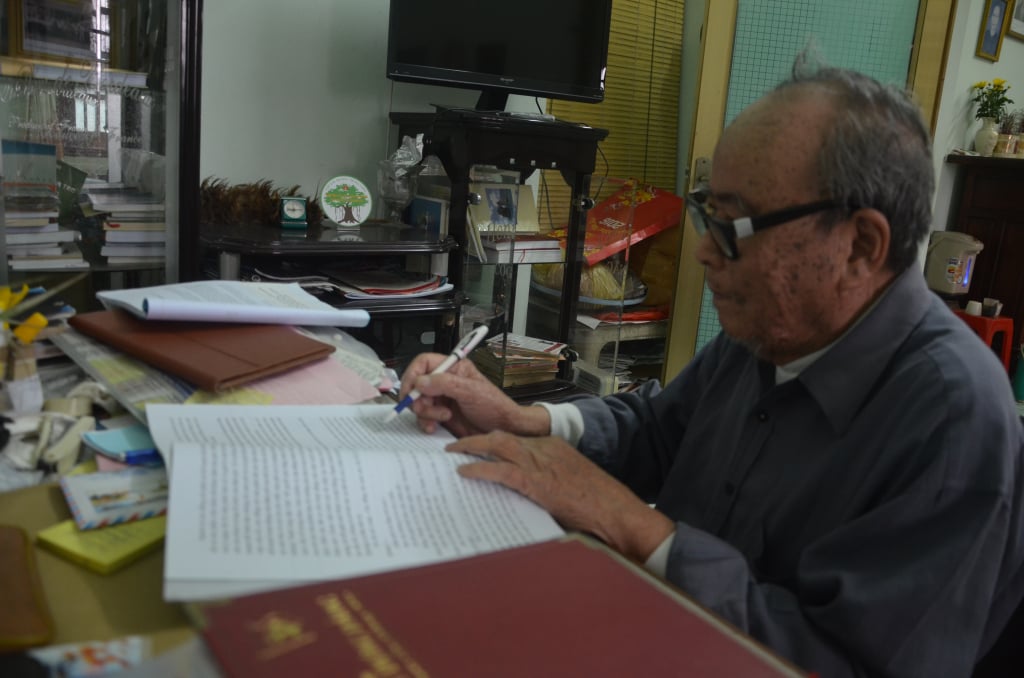
Huy Trợ's arduous journalistic career helped him realize that, despite the hardships, the most vibrant and joyful aspect was the trust and affection of the people and the support of his colleagues. What made him happiest was living in the noble camaraderie of those who wielded the pen; he was selfless, altruistic, and impartial. In the journalistic community, everyone considered each other colleagues, comrades, friends, and close brothers. These feelings of comradeship and collegiality have lived on and will continue to live on in the hearts of generations of journalists in Quang Ninh.
Journalist Ho Phong - Requesting funding to build a broadcasting system.
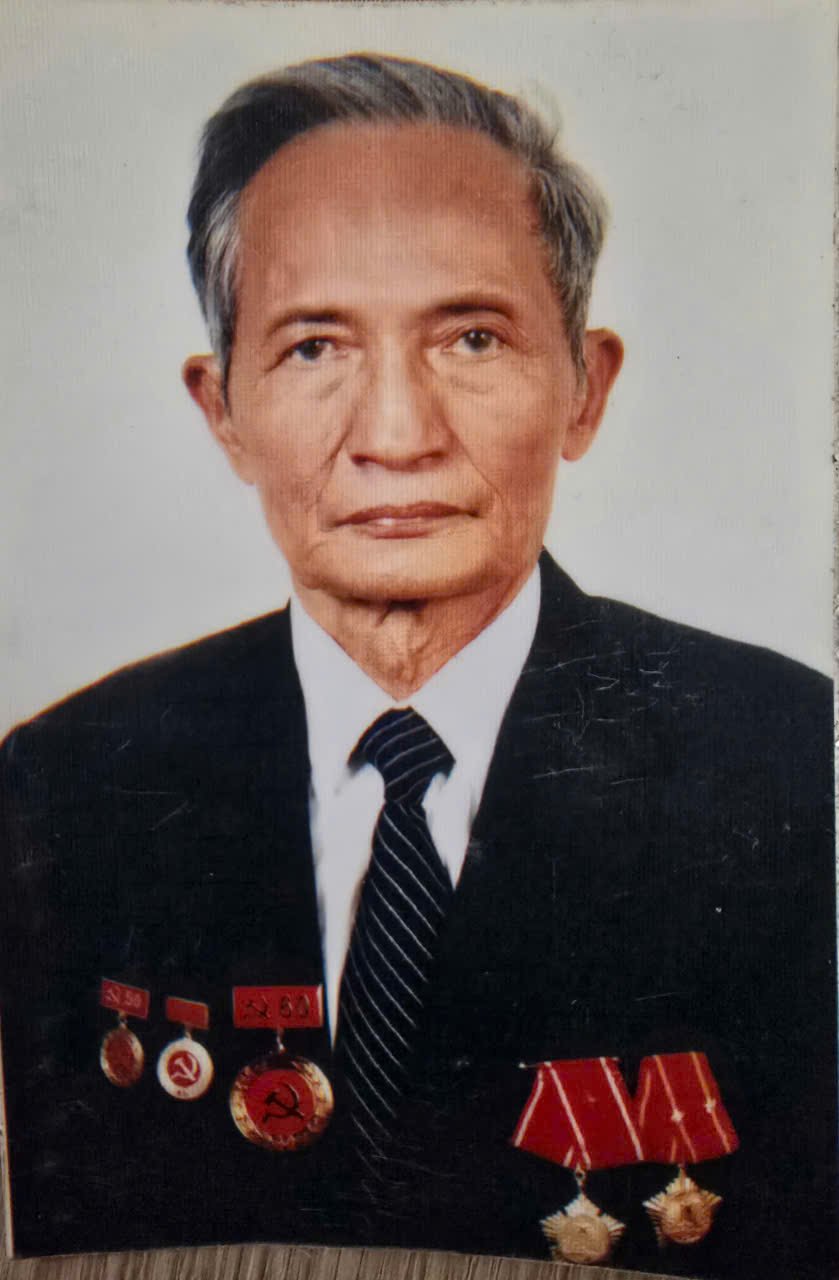
After taking over the mining area for a while, Mr. Ho Phong was appointed Head of the Press and Information Department of the Propaganda Department, in charge of the Hong Quang newsletter. In early September 1956, he was assigned by the Propaganda and Training Committee of the Hong Quang Area to be in charge of Hon Gai Radio Station (the predecessor of Quang Ninh Radio and Television Station).
Not only Mr. Ho Phong, but all the reporters and staff of the station were unfamiliar with broadcasting. During that period, thanks to the assistance of the former Soviet Union, the wiring system, loudspeakers, and equipment were installed for the first time in Hon Gai town. The Hong Quang area was prioritized by the Central Government for the installation of two broadcasting systems in Hon Gai and Cam Pha. In its early days, Hon Gai Radio Station had 11 people, with Mr. Ho Phong as the station manager. At that time, the station did not have the organizational structure and departments it has now; everyone had to handle every aspect, from wiring to program preparation and broadcasting.
The station's headquarters were located in Ben Doan. Every day, the station broadcast a 15-minute news bulletin during the first news slot of the Voice of Vietnam radio station . The bulletin's content propagated the policies and guidelines of the Party and State, the directives and resolutions of the Party Committee and government of the Hong Quang region, and specific policy issues following the takeover. In addition, the station relayed broadcasts from the Voice of Vietnam, Beijing Radio, and Moscow Radio. During their work, the station's reporters and staff faced many difficulties due to subjective conditions and technical limitations. At that time, no one had received formal training in journalism. When the equipment malfunctioned, journalist Ho Phong had to call the central government for "reinforcements."
During the transmission of the program from Hon Gai to Cam Pha, because there was no dedicated telephone line, Mr. Ho Phong had to use the Coal Company's telephone line. The signal was transmitted from the Hon Gai station to Cam Pha, then amplified and sent to loudspeakers in the Cam Pha area. However, this measure was only temporary and could not overcome the interference with the postal service 's lines, and it also disrupted the coal industry's production management.
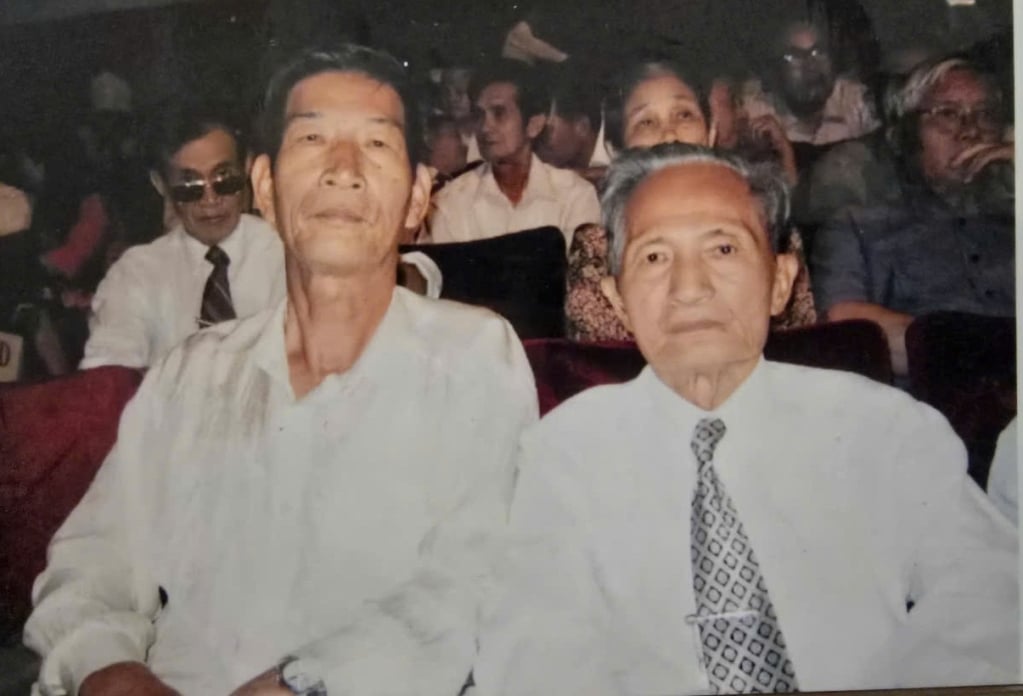
In general, all the staff at the station work with a proactive and eager-to-learn spirit, drawing on experience from their colleagues and from the programs of the Voice of Vietnam Radio. Therefore, the programs directed by Mr. Ho Phong received enthusiastic support from the people of the mining area and the leaders of the Regional Party Committee.
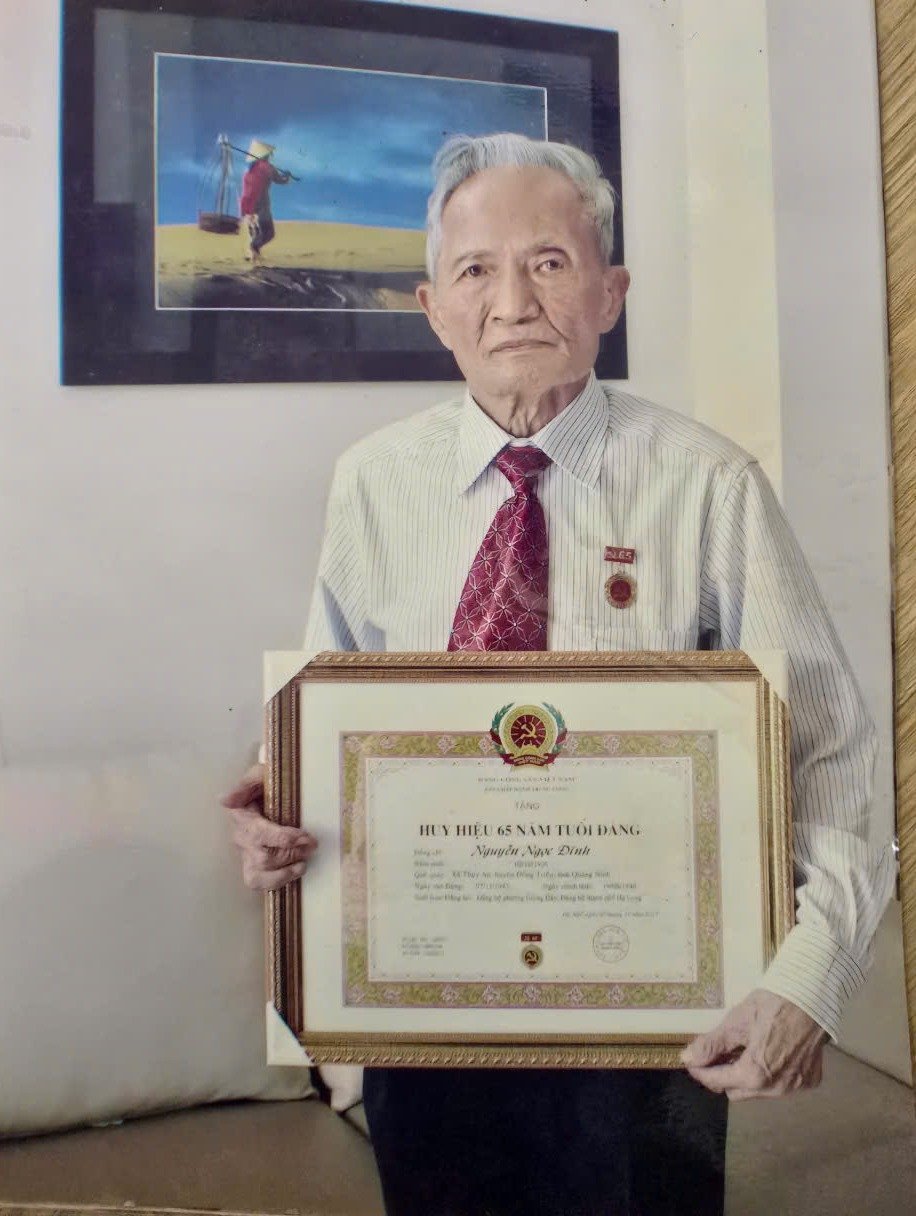
Faced with a shortage of technical equipment, the radio station researched, designed, and manufactured needle-type loudspeakers (electromagnetic loudspeakers) that offered sound quality comparable to dynamic loudspeakers, but were more convenient and cheaper, thus gaining acceptance from the local community.
Immediately after the introduction of the loudspeakers, the Hon Gai area installed more than 5,000 units, reaching a rate of 60% of households with radio listening capabilities. Later, the station also utilized the decommissioned railway tracks of the coal industry to hang loudspeakers, replacing the wooden poles that had rotted due to rain and sun. Both of these initiatives were highly praised by the Broadcasting Department.
In 1959, due to the increasingly demanding requirements of propaganda work and the need for wider dissemination of information, the Hon Gai and Cam Pha Radio Stations were separated from the Department of Culture to establish the Hong Quang Radio Station. The staff, including reporters and employees, increased, with the number of editors reaching 20. As a result, the programs became more diverse. In addition to the three daily 30-minute news bulletins, the station added regular special features and segments such as: Youth, Women, Young Pioneers, and Arts and Culture... These local radio programs contributed to promoting the emulation movement in labor and production, and building a new life.
In October 1963, the Hong Quang Regional Radio Station was renamed Quang Ninh Radio Station. In 1976, Quang Ninh Radio Station was renamed Quang Ninh Broadcasting Station. On September 2, 1983, the first Quang Ninh television program was broadcast on channel 12VHF. From then on, Quang Ninh Broadcasting Station also had a new name: Quang Ninh Radio and Television Station. Since 2019, it has returned to the common home of the Quang Ninh Provincial Media Center. On its journey of development, the radio waves have continuously soared higher and further, becoming two of the four pillars of the current Provincial Media Center. We cannot forget the people who were there in those difficult early days, such as journalist Ho Phong. Journalist Ho Phong passed away long ago, but his example of dedicated work and commitment to his profession is still remembered by many younger generations of journalists in Quang Ninh.
Journalist Pham Xuan Pho - The man who sought solutions for television production.
Throughout his journalistic career, journalist Pham Xuan Pho, former Director of Quang Ninh Radio and Television Station (1976-1988), now the Quang Ninh Provincial Media Center, twice sought solutions to the challenges of television broadcasting.
In 1980, Comrade Nguyen Ngoc Dam, Chairman of the Provincial People's Committee, first directed: The Naval Command wanted to help Quang Ninh assemble television sets and requested that the staff at the station research and collaborate on television broadcasting. This presented a difficult challenge for journalist Pham Xuan Pho and the station's leadership at the time.
Journalist Pham Xuan Pho attended a meeting at the station to discuss coordination issues and technical equipment. Ultimately, all key staff members agreed to produce television programs. The station selected five technical staff members to undertake this task under the supervision of engineer Truong Quang Vinh.
After eight months of learning, working, and searching for spare parts, the transceiver, built through a collaboration between the two sides, was finally completed and brought to Hong Gai town for testing. One day at the end of October 1981, the device was moved to the upper floor of the Department of Labor, War Invalids and Social Affairs headquarters for trial transmission and reception. After two evenings of work and repeated adjustments, the transmission and reception quality still did not meet the requirements. Journalist Pham Xuan Pho consulted with the technical staff and the naval officers, stopping the work and reporting to the provincial leaders about the unsuccessful trial. Director Pham Xuan Pho and the technical staff had to bid farewell to the naval officers after a long period of support for the province.
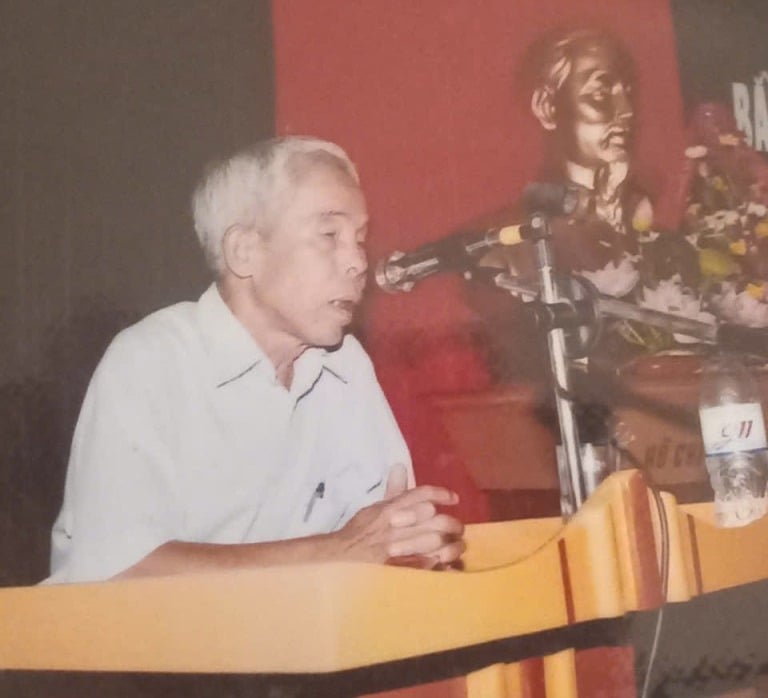
Two years later, in early March 1983, Comrade Pham Hoanh, Chairman of the Provincial People's Committee, directed the province to establish a television station to improve the lives of the military and civilians in the province. This time, the technical challenge was less difficult, and the solution was less convoluted, as the province decided to purchase a television transmitter from France. The Provincial People's Committee requested the Institute of Radio and Television Technology Research under the Vietnam Broadcasting and Television Committee (headquartered in Ho Chi Minh City) to purchase and install it in a container. The provincial radio station had to meticulously prepare the infrastructure, including antenna towers, power lines, and roads leading up the hill. The requirement was that all stages had to be completed before September 2nd, 1983.
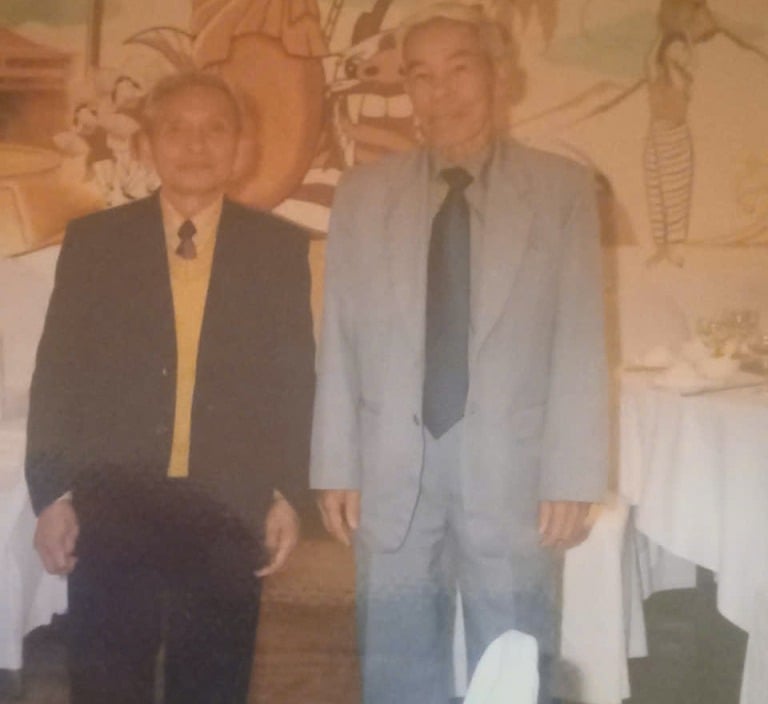
This project took place during the rainy season, and time was limited, so Director Pham Xuan Pho urgently deployed technical staff and workers to quickly begin work. He also proposed that the Provincial People's Committee assign tasks to the construction, electricity, and transportation sectors to support the station. All sectors actively supported the project, ensuring that the antenna towers, power lines, roads, office buildings, and security arrangements were completed on schedule.
The television transmitters, transported by sea from Ho Chi Minh City, had also arrived at Ben Doan (Hong Gai ward). One afternoon in late August 1983, the people of Hong Gai town eagerly poured into the streets to witness the convoy of special vehicles from the air defense and air force unit stationed in Ha Lam assisting in pulling the containers containing the television transmitters up a 150-meter-high hill at Column 5. Everything went smoothly and with absolute safety.
On September 2nd, 1983, the province celebrated the 38th anniversary of the August Revolution and National Day. That afternoon, Director Pham Xuan Pho, on behalf of the station's leadership, reported to the province and invited the leaders and people to attend the inauguration ceremony at Column 5 Hill and broadcast the first video report of the National Day commemorative rally on Channel 12. At that time, Quang Ninh was also the first province in the North to have a television station. This event was also broadcast in the late-night news bulletin of Vietnam Television that same night. The establishment of Quang Ninh Television demonstrated the province's concern and support from many relevant departments and agencies, as well as the tireless efforts of the staff and reporters, including journalist Pham Xuan Pho, who solved very difficult problems regarding technical equipment.
Mr. Nguyen Tuan Phuong, former Deputy Director of Quang Ninh Radio and Television Station, recalled: "During my time working under his leadership, I greatly admired and respected him. Despite his advanced age, he never missed a single broadcast... I believe that now, from a faraway place, the former Director is still watching over the Quang Ninh radio and television industry, which is constantly evolving, developing steadily, and gaining increasing trust and affection from audiences in the province, the whole country, and even our compatriots abroad."
Source: https://baoquangninh.vn/nhung-thu-linh-dau-tien-3360225.html


![[Photo] Enchanted by the deciduous forest during the leaf-changing season.](/_next/image?url=https%3A%2F%2Fvphoto.vietnam.vn%2Fthumb%2F1200x675%2Fvietnam%2Fresource%2FIMAGE%2F2026%2F02%2F04%2F1770196861704_2066642_8ffd5f25c3c9433be0e644abe71613ae.jpeg&w=3840&q=75)


![[Photo] Prime Minister Pham Minh Chinh presides over the regular Government meeting in January 2026.](/_next/image?url=https%3A%2F%2Fvphoto.vietnam.vn%2Fthumb%2F402x226%2Fvietnam%2Fresource%2FIMAGE%2F2026%2F02%2F04%2F1770209446450_hopcp-jpg.webp&w=3840&q=75)




Comment (0)