

" Living in the capital city, yet having to use a tiny ladle to scoop water little by little—it's worse than the subsidy era, " shared Ms. Pham Viet Xuan Phuong bitterly about the plight of residents in the Thanh Ha urban area like herself, who have endured this for a long time. This is perhaps something that those in positions of responsibility should reflect upon and be more decisive in finding a solution to the question: Where is clean water?
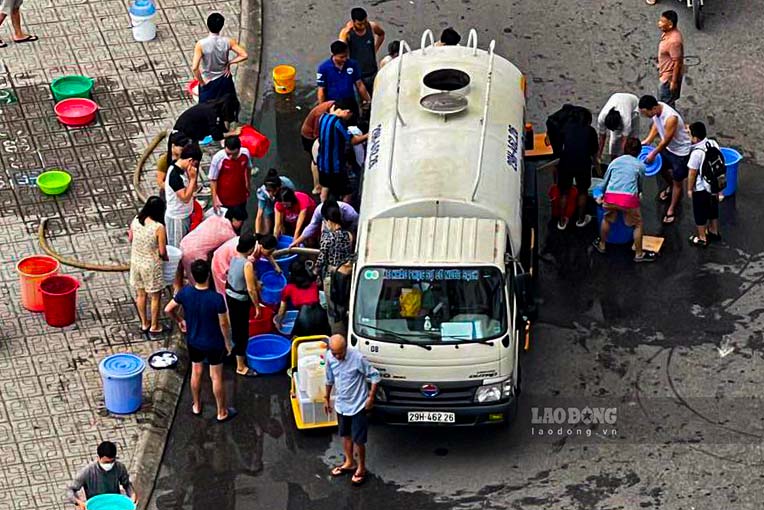
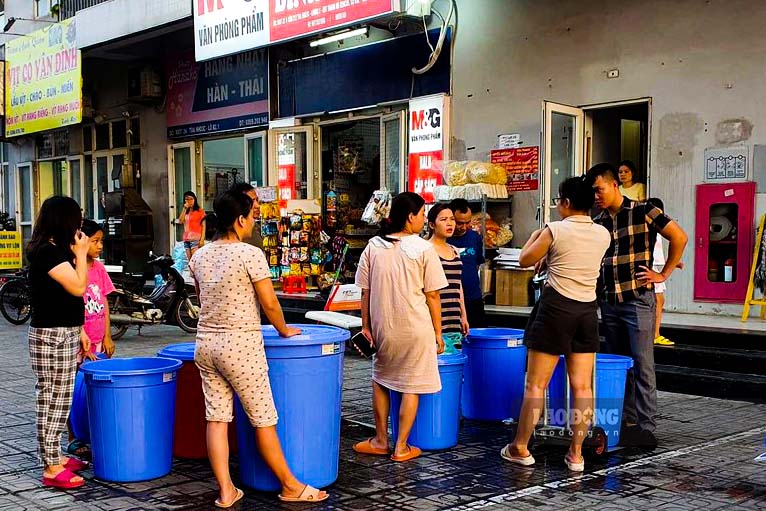
"Water crisis" - that's the perfect phrase to describe the situation unfolding in the Thanh Ha urban area (Thanh Oai, Hanoi ) for the past several days. " Without clean water, dishes, cooking utensils, and clothes are piling up and can't be washed. Water is scarce now; many households don't even have water to flush the toilet. This has been going on for three days now, as the water tanks of the three apartment buildings HH03A, HH03B, and HH03C no longer have clean water for residents to use ," shared a frustrated resident on the third day of their urban area's water shortage.
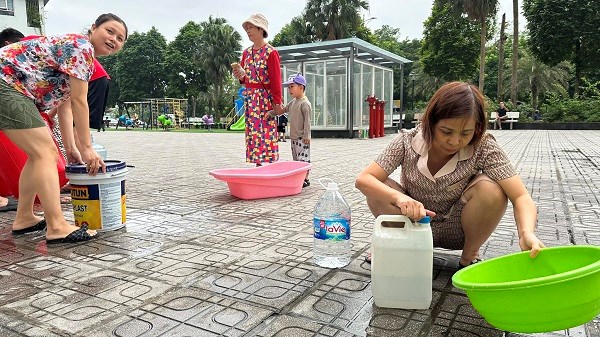
Residents of apartments in the Thanh Ha urban area have to use buckets to fetch clean water. Photo: Anh Huy
More than ten days later, on October 25th, according to local residents, after complaints about unsafe water quality and water shortages, water supply was restored. However, the amount of water supplied was minimal, lasting only 1-2 hours before being cut off again. Furthermore, the water supply was extremely erratic, often occurring at inconvenient times such as 9 AM or 1-2 AM, making it impossible for most residents to wait to collect water. Meanwhile, the restored water supply also did not meet quality standards.
Therefore, "having water is like not having it at all" is the most accurate description of the plight of the residents of Thanh Ha urban area. Previously, the "water crisis" began around 7:30 PM on October 14th when residents of the HH03A-B1.3 apartment building in Thanh Ha urban area reported a sudden loss of running water. This means the "2023 water crisis" has lasted for over 10 days now, and there are still no signs of it abating.
It is worth noting that, previously, in order to address the water shortage in the Thanh Ha urban area, on October 18th, Hanoi Party Secretary Dinh Tien Dung issued a directive, requesting relevant units to restore and stabilize the water supply for residents of the Thanh Ha urban area as quickly as possible. However, the remediation efforts have been very slow. This slowness has led to frustration, suffocation, and eroded the patience of the residents.
Many residents in Thanh Ha Urban Area, when asked, said their greatest wish right now is to sell their houses, even at a low price, as long as they can escape from a place that, to them, is nothing short of exile, both miserable and lacking in quality and safety.
Even more concerning is that the "water crisis" is not a recent phenomenon in this urban area. In a recent urgent appeal letter from thousands of residents of Thanh Ha Urban Area to various government agencies, it was revealed that the water supply they receive is not only unstable but also of substandard quality, posing a threat to the health and lives of thousands of people.
During the period of using water supplied by Thanh Ha Company and Nam Hanoi Company, from 2017 to the present, people have consistently noticed unusual characteristics in the water they receive, such as cloudy water, foul odor, strong chlorine smell, and more seriously, it causes itching, discomfort, and skin peeling as if in contact with chemicals.
For nearly six years, residents of Thanh Ha Urban Area have repeatedly complained and held dialogues with the aforementioned water companies, but have not received any positive changes regarding the quality of the water supplied.
The situation peaked on October 5, 2023, when a large number of residents exhibited serious health symptoms such as: itchy rashes, skin blistering, burning eyes and nose, watery eyes and nose, hair loss, chest tightness, shortness of breath, gynecological infections, eye pain, dizziness, nausea, etc., after using water supplied by these companies. For livestock, numerous fish, turtles, and other aquatic organisms died…
Clearly, water is not just a matter of daily life; it's also a social welfare issue, a matter of people's health. And when it involves people's well-being, all related factors need to be handled transparently and clearly.
In the case of Thanh Ha Urban Area, as Dr. Dang Van Cuong, it's not just the responsibility of the water supplier and users, but also the responsibility of the local government in ensuring social welfare, health, and the well-being of the people. If the authorities conclude that the water source is unsanitary, contaminated, or does not meet quality standards, the water supply company must bear full responsibility.
If damage is caused, full compensation must be provided to the affected households. Local authorities also have a responsibility in selecting the water supply provider. If the company does not meet the conditions and capacity to supply water to the households, an alternative provider can be chosen. At the same time, the responsibility of the organizations and individuals involved in this incident should be considered.
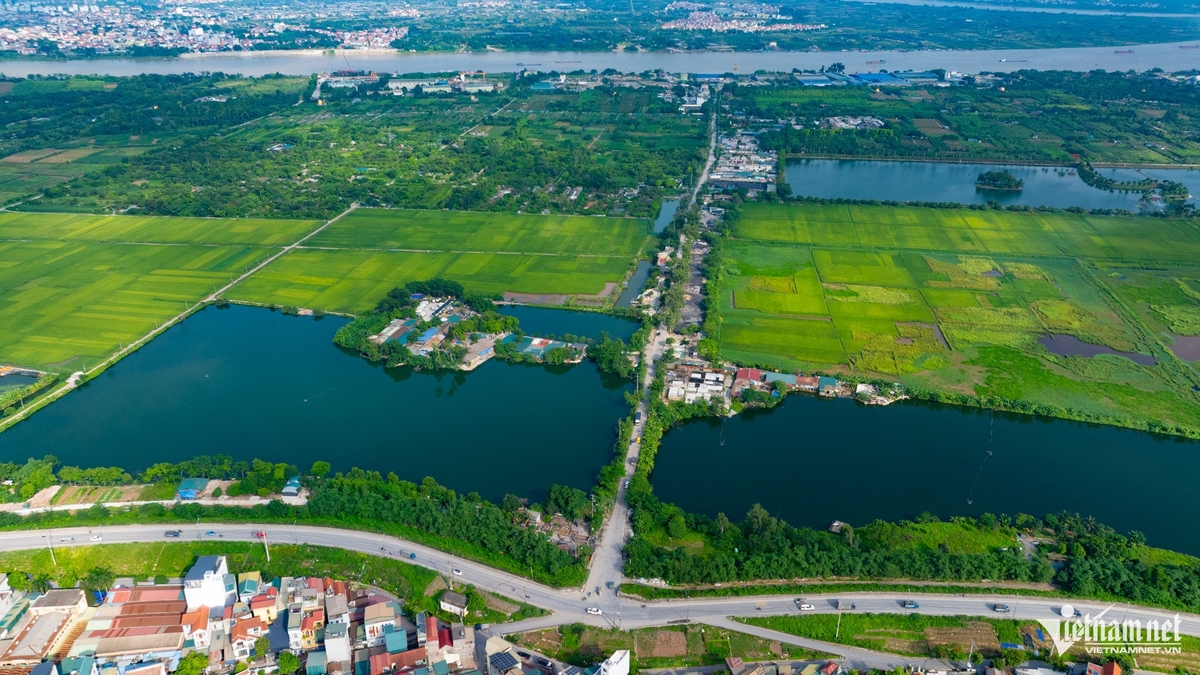
Not only in the Thanh Ha urban area, but according to statistics from the Hanoi Department of Construction in May 2023, dozens of communes in Hanoi are still experiencing a shortage of clean water, with only about 85% of rural residents having access to clean water. And certainly, the shortage of clean water is not limited to the capital city. Vietnam has set a target of having 95-100% of urban residents and 93-95% of rural residents have access to clean water by 2025. However, statistics show a significant gap between the target and reality.
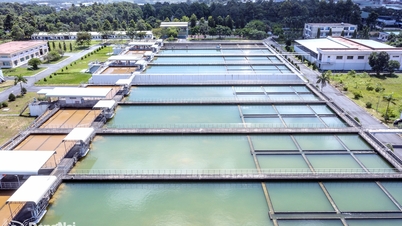
And to ensure that all citizens have access to clean water, there is still much work to be done, and one of the most important tasks is to accelerate the progress of clean water projects.
Six years ago, statistics showed that Vietnam's demand for clean water would increase to approximately 10 million cubic meters per day by 2020. To meet this demand, Vietnam needed $10.2 billion in investment for new water supply and drainage projects, as well as water treatment.
To attract over $10 billion, mobilizing private resources into clean water projects is considered the solution to the investment problem for these projects when ODA funding is cut. But it is crucial to have specific, attractive incentive mechanisms - especially regarding capital - to encourage private enterprises to participate…
However, so far, the private sector seems too hesitant to invest in this area. Experts explain this by the fact that Vietnam lacks a legal framework for the clean water market, creating many contradictions and paradoxes.
For example, many National Assembly deputies in 2019 proposed that this should be a conditional business sector. This proposal was reiterated by relevant associations in 2020; however, the issue remains unresolved to this day. Currently, only Decree 117 directly regulates the management, supply, and exploitation of water resources.
Clearly, with an unfavorable legal framework, the clean water market faces significant challenges. According to experts from the Institute for Policy and Development Studies (IPS), it's time for a comprehensive assessment and the design of a holistic policy system to perfect the clean water business market. Only then will the nagging question of "where is clean water?" cease to be raised.
Nguyen Ha
Source























































































Comment (0)