

According to the online safety system canhbao.khonggianmang.vn, in the six weeks since the beginning of June, there have been 7,830 user reports about scams. In particular, the last week of June and the first two weeks of July saw a fivefold increase in user reports compared to the first weeks of June.
Accordingly, the 5 most common types of online scams during the week of July 15-21 are:
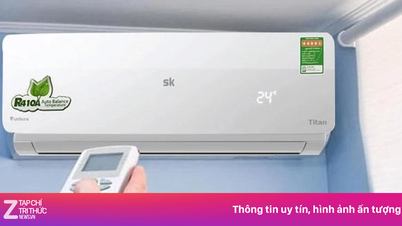
- Creating fake Facebook accounts to sell electronics: Scammers created and used fake Facebook accounts with fraudulent information to sell electronics and related items, even though upon inspection, they did not possess any goods.
When consumers wanted to buy goods, the perpetrators offered more incentives than the market price; at the same time, they used the "GHN-GiaoHangNhanh" application to create fake orders in order to gain the trust of buyers and get them to transfer money in advance.
The Cybersecurity Department advises people not to buy products of unknown origin or without proper verification, and to only transact when they can confirm the product's reliability. Furthermore, it's essential to carefully check product information, customer reviews, and warranty and refund policies to protect one's rights.
- The scam involves installing fake public service software: Scammers impersonate police officers , calling citizens to inform them that their national identity cards are faulty and need updating. However, under the pretext of urgently needing to complete the paperwork, the scammers instruct users to download fake software, thereby gaining control of the phone for the purpose of stealing property.
The Cybersecurity Department advises citizens to carefully research information about online scams, absolutely refrain from providing personal information, and avoid accessing unofficial links or app stores to install unfamiliar applications. For assistance with issues related to electronic identity verification accounts, please contact your local police directly for guidance.
- Fraudulent scheme involving participation in a "gum distribution system": Scammers befriend users on Facebook and then introduce them to a distribution system on gumru.online promising high profits. To become a distributor, victims need to deposit money into an account as required by the system.
The Cybersecurity Department advises people to be vigilant, verify information on social media, not trust offers of "easy work, high pay," and not provide personal information or transfer money without verifying the identity of the sender.
If you discover you have been scammed, you should immediately report it to the authorities for verification, prevention, and timely handling.
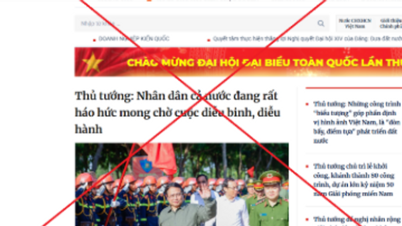
- Scams and impersonation of celebrities: Scammers approach and lure victims through advertisements on social media. These advertisements, presented under the names of technology companies and corporations, exploit the image of celebrities to encourage and entice people to invest money in various projects with numerous money-making opportunities.
Besides soliciting investment, these advertisements also feature scandals, attracting attention with false information and fake photos to pique curiosity. To view specific information, users need to click on the link attached to the advertisement, which then redirects them to websites that closely resemble reputable sites, requiring them to provide personal information to log in. From there, users' information is stolen for the purpose of misappropriation of assets.
Therefore, the Cybersecurity Department advises people to be wary of misleading posts on social media. People should verify the accuracy of information, avoid clicking on attached links, and refrain from providing personal information or transferring money to individuals whose identities have not been verified.
- Email-based fraud related to real estate services: A case recorded in Australia involved a woman who lost $26,000 while selling her apartment. After contacting a real estate agency, the victim's email address was hacked, her bank account information was altered to the scammer's account number, and notifications from the agency were disabled.
The Australian Competition and Consumer Commission (ACCC) said this is a new form of fraud targeting users of real estate, legal, or construction companies. The attackers access victims' email accounts through advertisements or links containing device tracking software. After users click on the link, the fraudsters gain control of their email accounts.
The Information Security Department advises people not to access suspicious links and to be wary of messages and advertisements appearing on social media. When providing important information or data via email, verify with the sender if the information shows signs of being altered. People should also take measures to secure their email accounts as well as other online accounts.
Source: https://kinhtedothi.vn/phat-hien-chieu-thuc-lua-dao-moi-qua-email.html
![[Photo] Solemn bathing ceremony and Buddha procession in Hue](https://vphoto.vietnam.vn/thumb/1200x675/vietnam/resource/IMAGE/2026/05/31/1780228263543_1-jpg.webp)

![[Photo] The General Secretary, President and his wife begin their state visit to the Philippines.](https://vphoto.vietnam.vn/thumb/1200x675/vietnam/resource/IMAGE/2026/05/31/1780230559452_anh-man-hinh-2026-05-31-luc-19-28-11.png)

![[Photo] Admire the coral "masterpiece" amidst the million-year-old heritage of Dak Lak province.](https://vphoto.vietnam.vn/thumb/1200x675/vietnam/resource/IMAGE/2026/05/31/1780221235105_anh-man-hinh-2026-05-31-luc-16-53-27.png)




















![[Video] Sunset at Lap An Lagoon – Where the sun sets over the fishing nets](https://vphoto.vietnam.vn/thumb/340x192/vietnam/resource/IMAGE/2026/05/31/1780192137701_beach-landscape-sea-water-nature-grass-745871-pxhere-com.jpeg)










































![[Photo] Admire the coral "masterpiece" amidst the million-year-old heritage of Dak Lak province.](https://vphoto.vietnam.vn/thumb/402x226/vietnam/resource/IMAGE/2026/05/31/1780221235105_anh-man-hinh-2026-05-31-luc-16-53-27.png)



































Comment (0)