


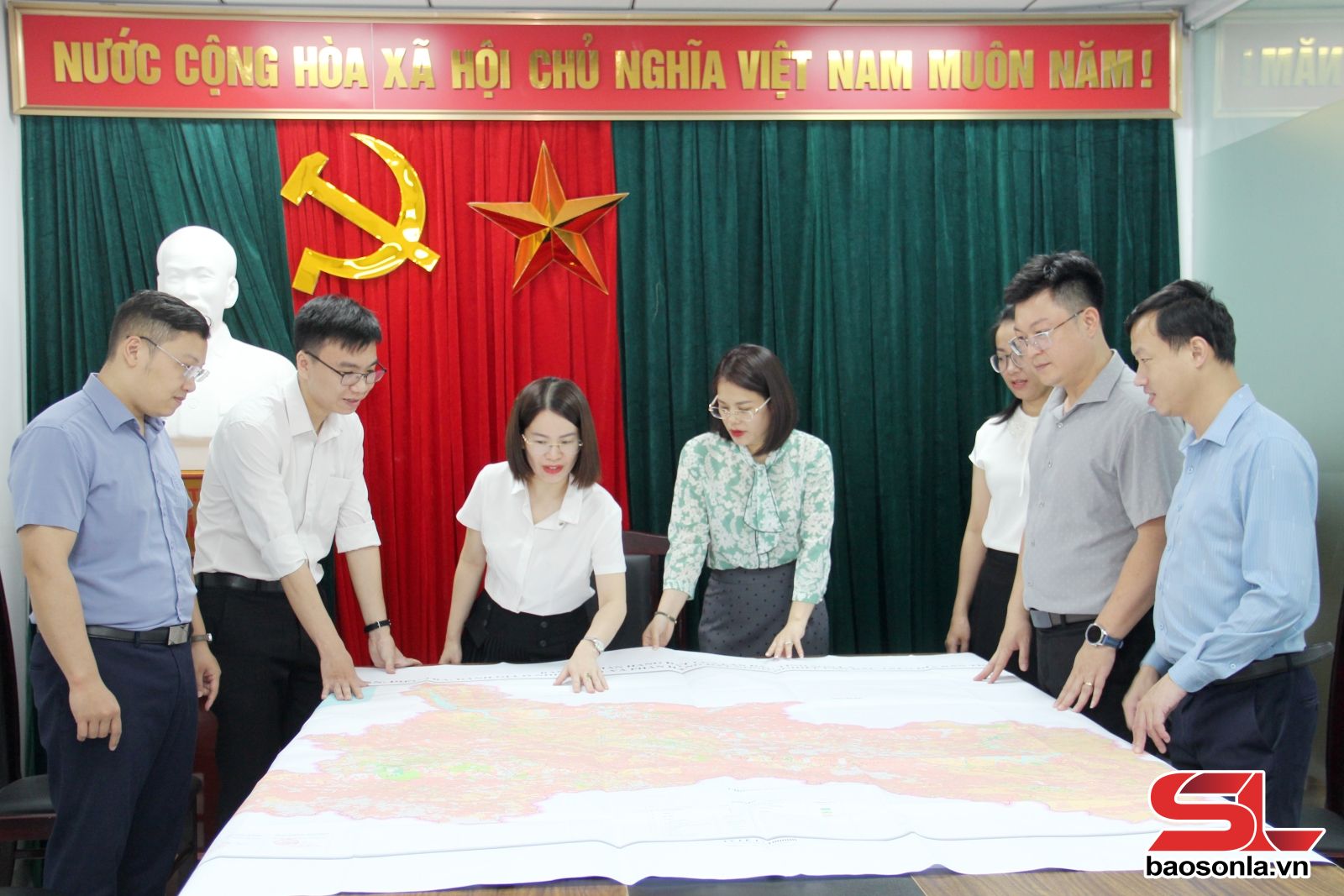
The Department of Agriculture and Environment, in coordination with the joint venture of Asia Consulting, Planning and Technology Development Joint Stock Company, the Institute of Agricultural Planning and Design, the People's Committees of districts, cities, and towns, and other relevant agencies and units, conducted the first-ever investigation and assessment of soil pollution and agricultural land classification in the province.
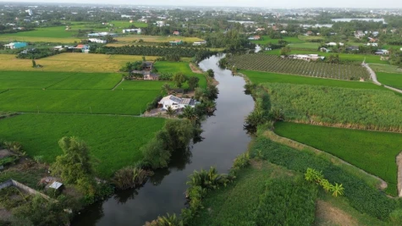
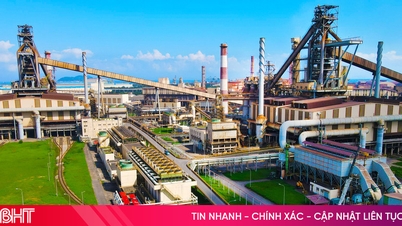
The subjects of soil pollution investigation and assessment include various types of soil in areas with pollution sources within the province, such as: industrial zones and clusters; small-scale industrial zones and craft villages; mining and mineral processing areas; waste and garbage disposal sites; agricultural areas using large amounts of inorganic fertilizers and pesticides; and pesticide storage facilities. The area of agricultural land in the province surveyed and classified is 1,056,409 hectares.
On December 31, 2024, the Provincial People's Committee issued Decision No. 2916/QD-UBND approving and publishing the results of the initial survey and assessment of soil pollution and agricultural land classification in the province. The results of the initial survey and assessment of soil pollution and agricultural land classification identified over 656 hectares of polluted land, accounting for 0.46% of the total natural area of the province. Of this, Mai Son district had the highest level of pollution with over 142 hectares, followed by Moc Chau district with over 130 hectares. Muong La district had the lowest level of pollution with 3.56 hectares.
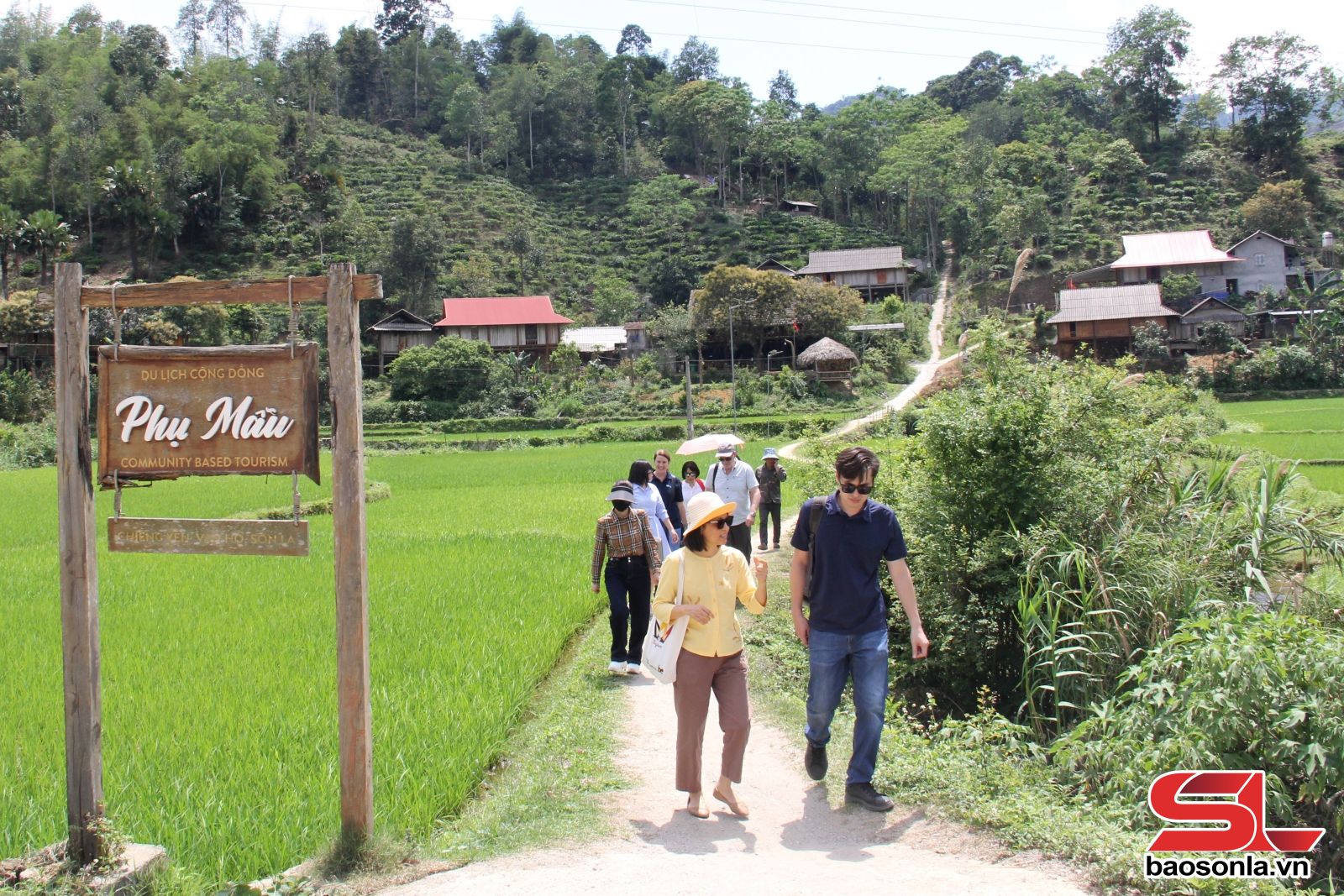
The area of land classified as near-polluted is over 117 hectares, of which Moc Chau district has the highest area of land assessed as near-polluted with over 38 hectares; Mai Son ranks second with over 32 hectares; and Yen Chau district has the lowest area of land classified as near-polluted with 4.76 hectares.
Ms. Nguyen Thanh Huyen, Head of the Land Resource Management Department of the Provincial Department of Agriculture and Environment, informed that the main potential sources of pollution for agricultural land in the province include: industrial zones; craft villages; mineral mining and processing areas; waste and garbage dumps; pesticide storage facilities; and farming areas that use large amounts of inorganic fertilizers and pesticides.
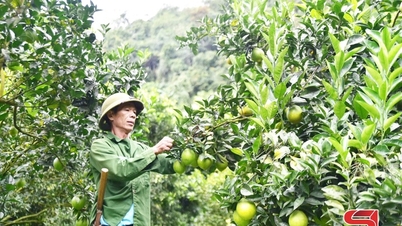
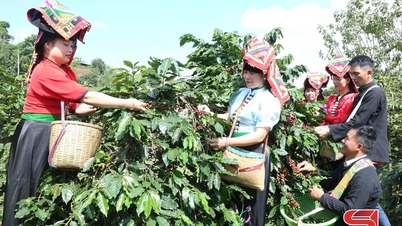
The survey results also determined that the area of land suitable for agricultural use is 881,408 hectares, accounting for 83.43% of the surveyed area; less suitable and unsuitable land accounts for 175,001 hectares, accounting for 16.57% of the surveyed area. Of this, nearly 15,000 hectares are suitable for rice cultivation. Over 191,400 hectares are suitable for other annual crops. Over 43,200 hectares are suitable for perennial crops.
Mr. Phung Kim Son, Director of the Department of Agriculture and Environment, said: The project to investigate and assess soil pollution and classify agricultural land for the first time helps the province identify areas and land sizes affected by pollution and at risk of pollution; determine the distribution of agricultural land into categories suitable for specific uses. From there, it will build a soil pollution map and classify land; provide data to support crop restructuring, agricultural development, improve sustainable land use efficiency, and protect the environment.
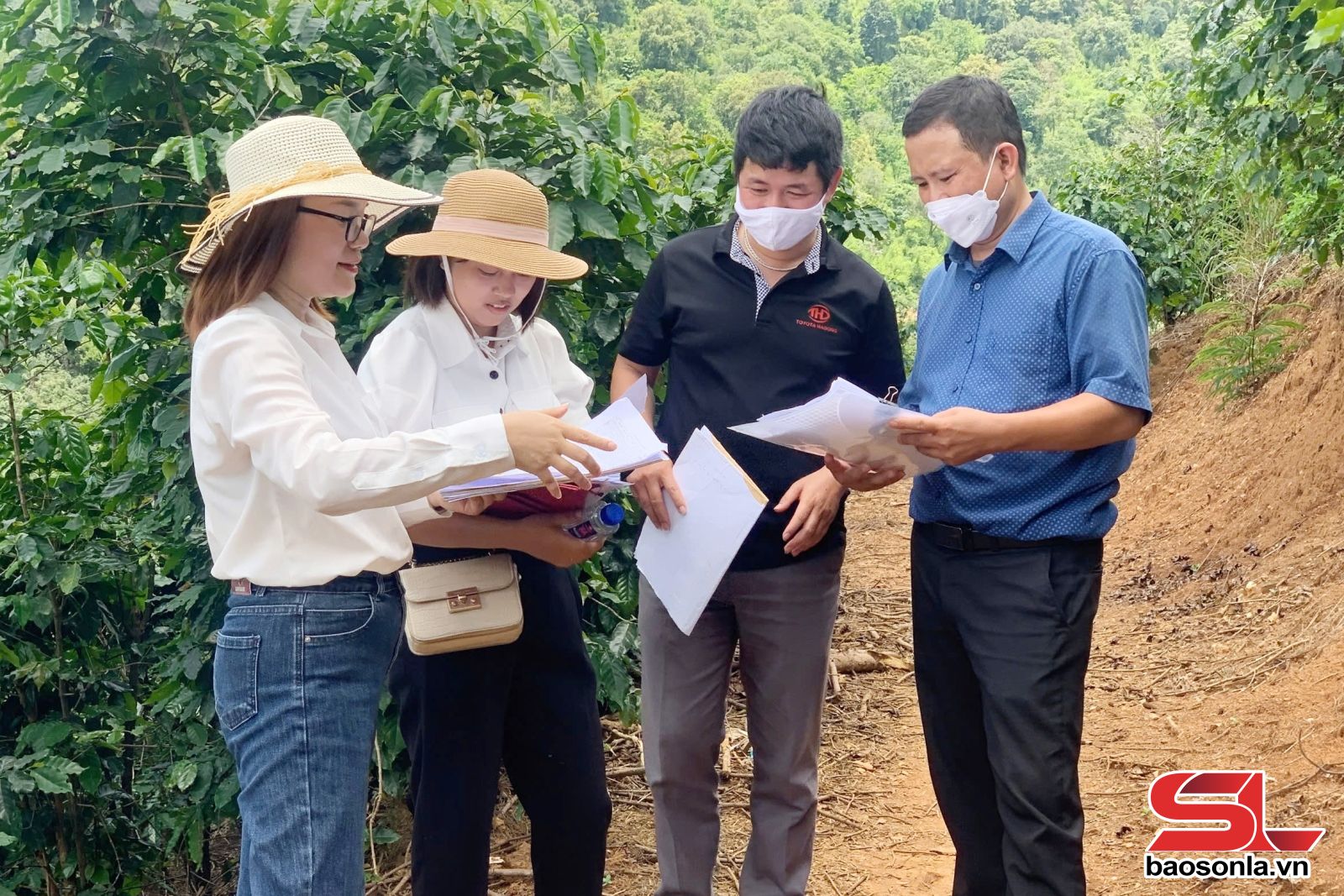
Based on the survey results and land classification, the Project proposes several groups of solutions. Specifically, for industrial areas, industrial production facilities need to develop key industries with modern, environmentally friendly technologies. The focus should be on promoting in-depth industrial development, focusing on high value-added industries and products, and aiming for green and sustainable industrial development.
Mineral mining and processing areas need to strengthen state management in accordance with the law; implement planning and strategies for the sustainable exploitation and use of mineral resources; and mine and process minerals using advanced technology in a way that is economical and efficient.
For landfill and waste treatment areas, it is necessary to strengthen management and support services for the collection and transportation of solid waste throughout the province; renovate and upgrade unsanitary household waste landfills and areas polluted or degraded by solid waste.
Source: https://baosonla.vn/xa-hoi/quan-ly-bao-ve-moi-truong-dat-mQ7Mye1HR.html














































































Comment (0)