

Thyrotoxicosis is a condition in which there is too much thyroid hormone in the body, which can cause symptoms such as diarrhea, rapid heartbeat, and tremors.
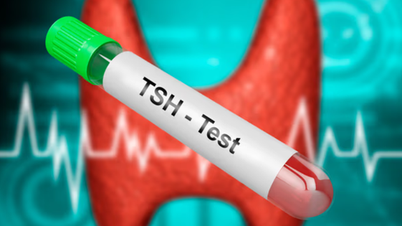
People with thyrotoxicosis also have low levels of thyroid-stimulating hormone (TSH) in their blood. Thyrotoxicosis is different from hyperthyroidism, which is caused by increased thyroid hormone and thyroid secretion.
Symptoms of hyperthyroidism are caused by high levels of thyroid hormones in the blood, which increase the metabolic rate. Metabolic rate is the rate at which the body uses energy or burns calories.
Mild hyperthyroidism usually causes no symptoms; most patients develop symptoms when the condition becomes severe.
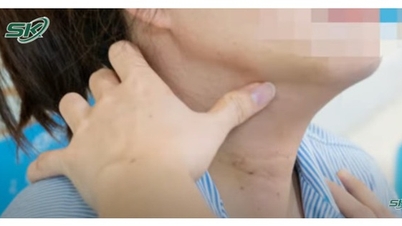
People with severe hyperthyroidism may experience diarrhea, rapid weight loss, increased or decreased appetite; tremors, especially in the hands; sweating, and a rapid heartbeat. Mood changes, feeling hotter than usual, thinning hair, swelling or nodules in the thyroid gland; and skin problems such as rashes and itching are also signs of hyperthyroidism.
People with autoimmune hyperthyroidism such as Graves' disease and Hashimoto's thyroiditis may experience eye problems (bulging, dry, and swollen eyes), swollen fingertips, and thickened, red skin on the lower legs.
Hyperthyroidism can also affect menstruation and cause irregular menstrual cycles. If hyperthyroidism is severe, it can lead to reproductive problems.
Common conditions that lead to thyrotoxicosis include Graves' disease, subacute thyroiditis, Plummer's disease, and toxic adenoma.
Graves' disease is an autoimmune disorder caused by inflammation that damages the thyroid gland. It is more common in women and people aged 30-50. The risk of developing Graves' disease is higher if another family member has the disease. People with rheumatoid arthritis or lupus also have an increased risk of developing Graves' disease.
Subacute thyroiditis is an acute inflammation of the thyroid gland caused by a virus or respiratory infection. In the first few weeks, patients experience signs of thyrotoxicosis, including an enlarged and painful thyroid gland. Pain from the thyroid gland may radiate to the jaw or ear. Patients may also experience discomfort, fever sometimes reaching 40°C, and muscle and joint pain.
Subacute thyroiditis is usually temporary, but it can cause several permanent complications if left untreated. For example, a thyroid storm can occur, characterized by a rapid and dangerous increase in heart rate, blood pressure, and body temperature, potentially leading to life-threatening conditions.
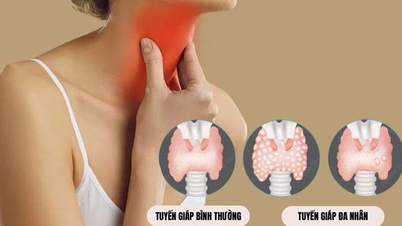
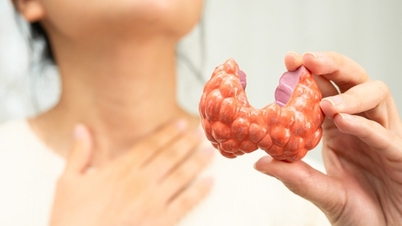
Toxic multinodular goiter (Plummer's disease) : This disease causes the thyroid gland to enlarge, leading to difficulty breathing and swallowing, the appearance of hard nodules (lumps), and excessive hormone production. Women over 55 years old are at higher risk of developing this disease.
Iodine deficiency is also a risk factor for Plummer's disease. Iodine is essential for the production of thyroid hormones.
The symptoms of Plummer's disease are similar to those of hyperthyroidism, including heat intolerance, muscle weakness and convulsions, excessive fatigue, tremors, unintentional weight loss, and diarrhea.
Toxic thyroid nodules cause the thyroid gland to overproduce hormones, leading to enlargement. The condition also causes similar symptoms, has the same causes, and risk factors as Plummer's disease.
Hashimoto's toxicity is the initial stage of Hashimoto's thyroiditis, an autoimmune disease. It is a temporary hyperthyroidism that increases the release of thyroid hormones, leading to inflammation and destruction of the thyroid gland.
The symptoms of Hashimoto's thyrotoxicosis are similar to other types of thyrotoxicosis, ranging from mild to moderate.
Other causes of hyperthyroidism include ovarian cancer, thyroiditis, thyroid treatments, and certain medications. For example, antiarrhythmic drugs can stimulate the thyroid gland and cause it to overproduce thyroid hormones or damage the organ. Damage similar to inflammation can cause excess hormones to be released into the bloodstream, leading to hyperthyroidism.
Mai Cat (According to Very Well Health )
| Readers can ask questions about endocrine diseases here for doctors to answer. |
Source link


![[Photo] National Assembly Chairman Tran Thanh Man working with the Standing Committee of the Law and Justice Committee](https://vphoto.vietnam.vn/thumb/1200x675/vietnam/resource/IMAGE/2026/05/21/1779378929214_ndo_br_1-4610-jpg.webp)
![[Photo] General Secretary and President To Lam presides over a working session with the Central Policy and Strategy Committee on the development of the materials industry.](https://vphoto.vietnam.vn/thumb/1200x675/vietnam/resource/IMAGE/2026/05/21/1779359935432_a3-bnd-3129-1412-jpg.webp)





























































































Comment (0)