

According to the U.S. Centers for Disease Control and Prevention (CDC), sitting for too long weakens the muscles in the back and abdomen, causing them to become both weak and constantly stiff, leading to pain and fatigue. At the same time, the hunched posture at the hips and knees hinders blood circulation. Blood stagnation in the lower extremities causes numbness, swelling, and increases the risk of deep vein thrombosis. For passengers on long journeys, this harm is amplified. They not only sit still but also endure constant micro-vibrations from the road surface, cramped space, and nervous tension.
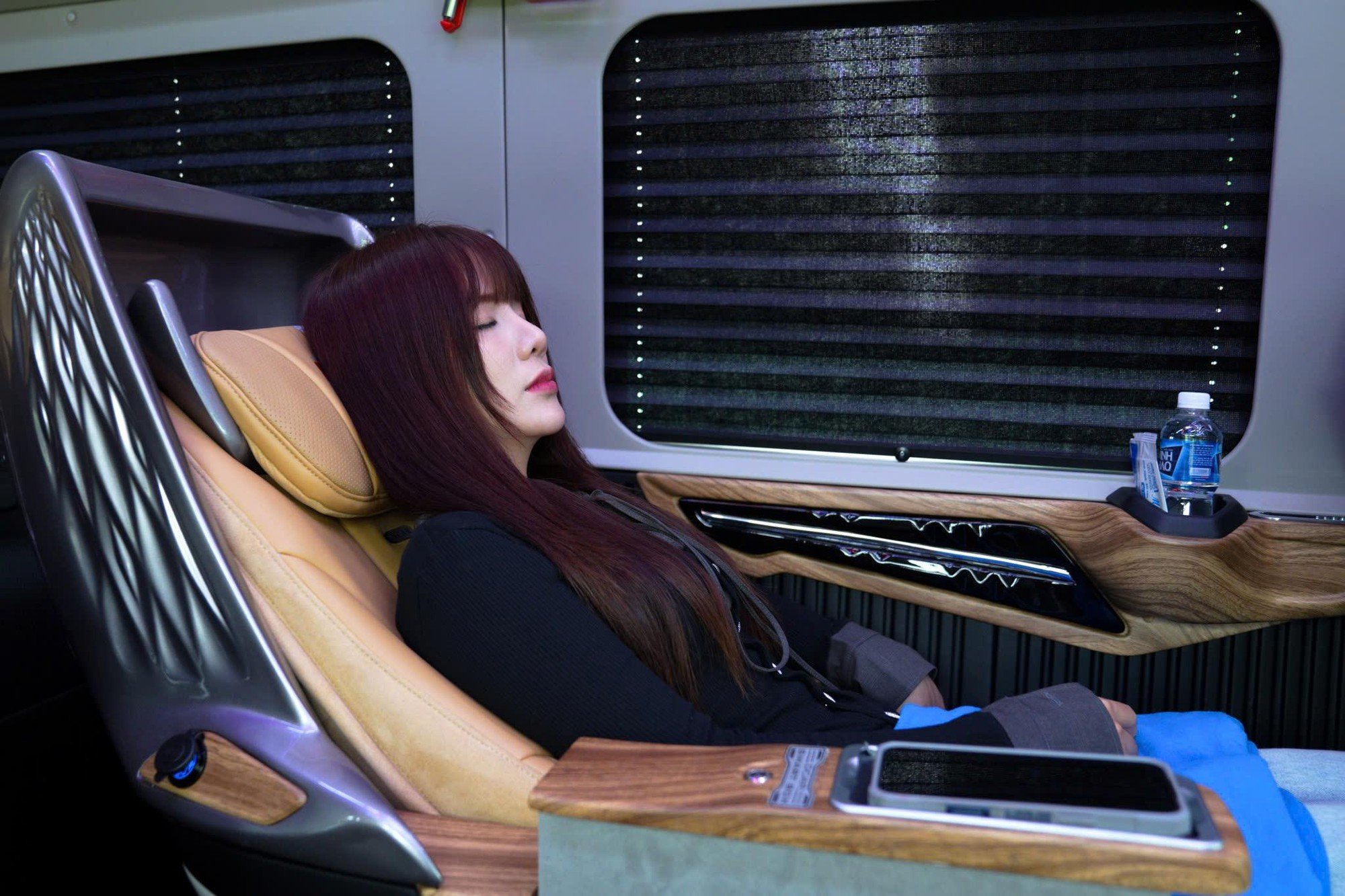
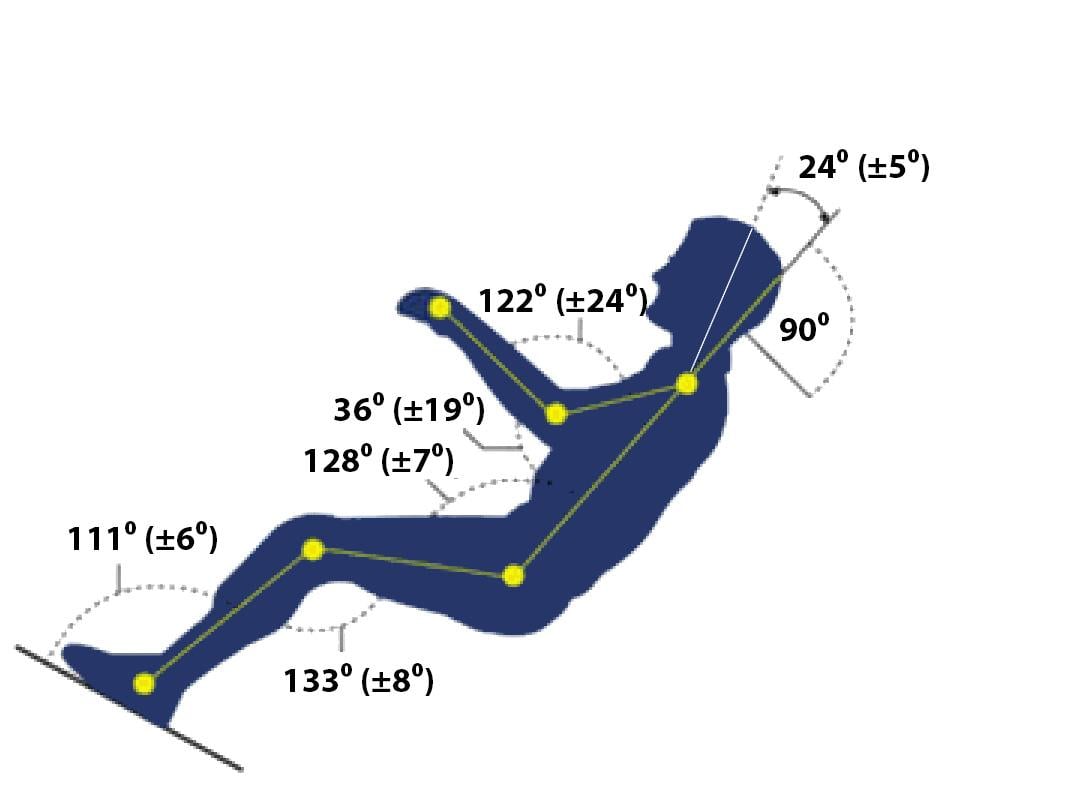
The Zero-G sitting posture is considered the "gold standard".
PHOTO: DOAN DUC
During their research into the effects of space on the human body, NASA discovered that when astronauts relax in a weightless environment, their bodies automatically adjust to a consistent posture. NASA calls this the "neutral body posture" (NBP).
NBP is considered the perfect state of rest for the body. In this position, the entire muscular system is relaxed, requiring no effort to maintain the posture. Most importantly, pressure on the joints and spinal discs is completely relieved. The spine maintains its natural physiological curve without any mechanical stress.
NASA's discovery established a "gold standard" for ergonomics in sitting. Directly inspired by the NBP posture, "zero gravity" (or Zero-G) technology was developed, commonly found in high-end massage chairs. This technology doesn't eliminate gravity, but rather mimics the NBP posture to intelligently redistribute the effects of gravity.
When Zero-G mode is activated, the seat slowly reclines while simultaneously raising the leg rest. The key is that the torso and thighs form an angle of approximately 120-137 degrees, while the legs are raised to or above heart level. In this position, instead of compressing vertically down the hips and lumbar spine, weight is now evenly distributed across the entire backrest surface.
The American Academy of Orthopedic Surgery (AAOS) also confirms that elevating the legs improves overall blood circulation and prevents swelling and varicose veins. This reclining position also allows the lungs to expand to their maximum capacity, promoting deeper breathing and increasing oxygen supply to the blood. Finally, because the body is fully supported, muscle groups from the neck and shoulders to the legs are relaxed, effectively reducing fatigue and tension.
Many people mistakenly believe lying flat on the bed is best. However, a flat surface cannot support the natural curve of the spine (lumbar region), easily causing muscle strain. Sitting at a 90-degree angle is the ideal posture for working (still compressing the spine). Meanwhile, the Zero-G posture is specifically designed for deep rest and recovery, particularly effective during long journeys.
Source: https://thanhnien.vn/tu-the-nao-giup-co-the-nghi-ngoi-hoan-hao-185251029185550303.htm























































![[Video] Sunset at Lap An Lagoon – Where the sun sets over the fishing nets](https://vphoto.vietnam.vn/thumb/1200x675/vietnam/resource/IMAGE/2026/05/31/1780192137701_beach-landscape-sea-water-nature-grass-745871-pxhere-com.jpeg)
































Comment (0)