

The project, called Nutri3D, implemented by the public research agency ENEA, develops highly nutritious sweet snacks by cultivating plant cells in the laboratory, combining them with recycled fruit pulp, and then shaping them using 3D printing technology.
The project aims for sustainable food solutions in the context of shrinking arable land and climate change increasing pressure on food systems.
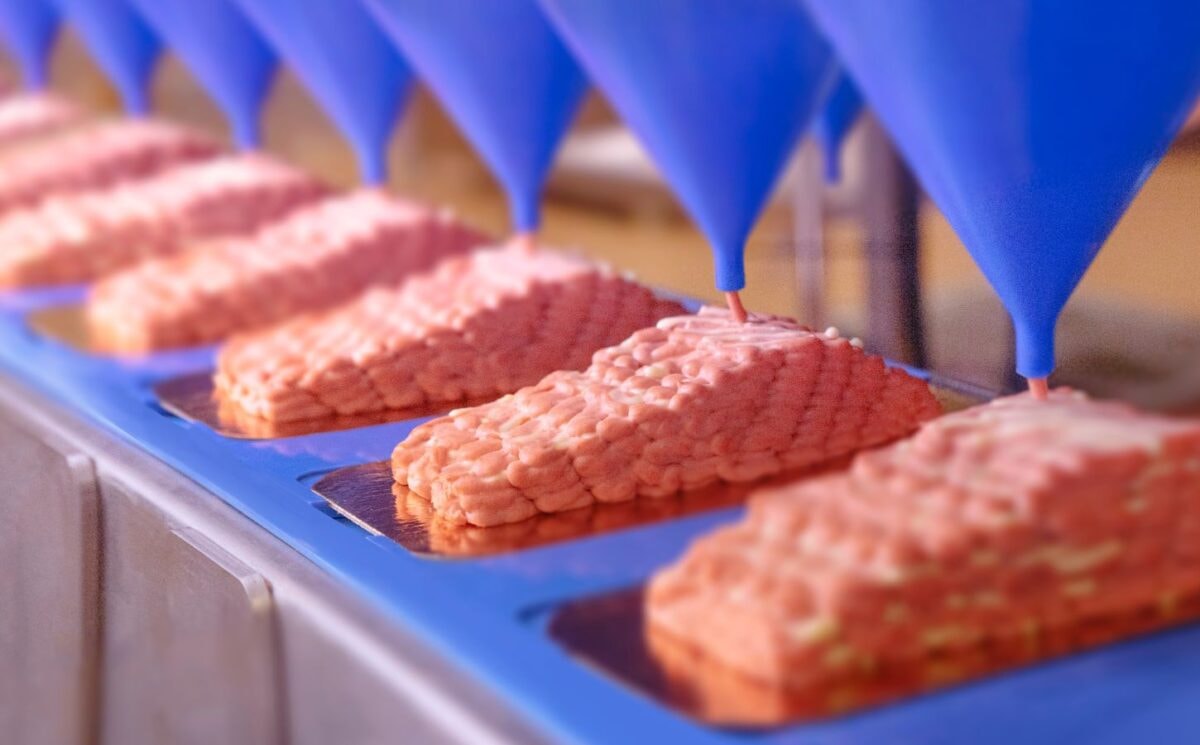
According to ENEA, the products currently being tested include snack bars and glossy "honey pellets" designed to retain their flavor and nutritional value.
Silvia Massa, Head of ENEA's Agriculture 4.0 Lab, said the project's goal is to nurture plant cells to continue producing familiar foods in new ways. She emphasized that this approach helps reduce reliance on traditional agricultural land.
Previously, Nordic countries had pioneered the field of cell-based foods, with laboratories in Finland producing fruit jams from cell cultures and researchers in Zurich developing flavorings with cocoa-like properties. According to Ms. Massa, the contribution of Italian scientists lies in combining cell-based foods with recovered by-products, such as fruit pulp from the jam-making process.
The Nutri3D project is a collaboration between EltHub – a private technology research and development company belonging to the ELT Group – and Rigoni di Asiago, a family-owned business specializing in organic food production. At the EltHub center in the Abruzzo region, plant-based materials developed by ENEA are used as “ink” to print food using 3D printers.
A survey conducted by ENEA found that 59% of respondents were willing to try foods produced using this technology. EltHub director Ermanno Petricca believes that 3D food printing technology could be particularly useful in resource-scarce environments such as space or conflict zones, describing the product as “fruit for astronauts.” ENEA is also currently experimenting with growing nano-sprouts and tomatoes for space missions.
On Earth, 3D food printing technology is expected to support the creation of personalized nutrition plans for people with special dietary needs. In Rome, the vegetarian steakhouse Impact Food has included 3D-printed sliced meat on its menu, demonstrating the potential for commercial application of this technology in the culinary field.
Source: https://congluan.vn/y-phat-trien-do-an-nhe-in-3d-tu-te-bao-thuc-vat-va-ba-trai-cay-10322712.html
![[Image] Leaked images ahead of the 2025 Community Action Awards gala.](/_next/image?url=https%3A%2F%2Fvphoto.vietnam.vn%2Fthumb%2F1200x675%2Fvietnam%2Fresource%2FIMAGE%2F2025%2F12%2F16%2F1765882828720_ndo_br_thiet-ke-chua-co-ten-45-png.webp&w=3840&q=75)
![[Photo] Prime Minister Pham Minh Chinh receives Lao Minister of Education and Sports Thongsalith Mangnormek](/_next/image?url=https%3A%2F%2Fvphoto.vietnam.vn%2Fthumb%2F1200x675%2Fvietnam%2Fresource%2FIMAGE%2F2025%2F12%2F16%2F1765876834721_dsc-7519-jpg.webp&w=3840&q=75)
![[Photo] Prime Minister Pham Minh Chinh receives the Governor of Tochigi Province (Japan)](/_next/image?url=https%3A%2F%2Fvphoto.vietnam.vn%2Fthumb%2F1200x675%2Fvietnam%2Fresource%2FIMAGE%2F2025%2F12%2F16%2F1765892133176_dsc-8082-6425-jpg.webp&w=3840&q=75)


![[Live] 2025 Community Action Awards Gala](/_next/image?url=https%3A%2F%2Fvphoto.vietnam.vn%2Fthumb%2F1200x675%2Fvietnam%2Fresource%2FIMAGE%2F2025%2F12%2F16%2F1765899631650_ndo_tr_z7334013144784-9f9fe10a6d63584c85aff40f2957c250-jpg.webp&w=3840&q=75)




































![[Photo] Prime Minister Pham Minh Chinh attends the Vietnam Economic Forum 2025](https://vphoto.vietnam.vn/thumb/402x226/vietnam/resource/IMAGE/2025/12/16/1765893035503_ndo_br_dsc-8043-jpg.webp)




















Comment (0)