

Tokyo is one of Japan's major cities, blending modern and traditional elements. The city boasts a convenient transportation system and a wide variety of shopping and dining options. In 48 hours, visitors can experience everything from street food to Michelin-starred restaurants, visit shopping malls, convenience stores, and souvenir shops.
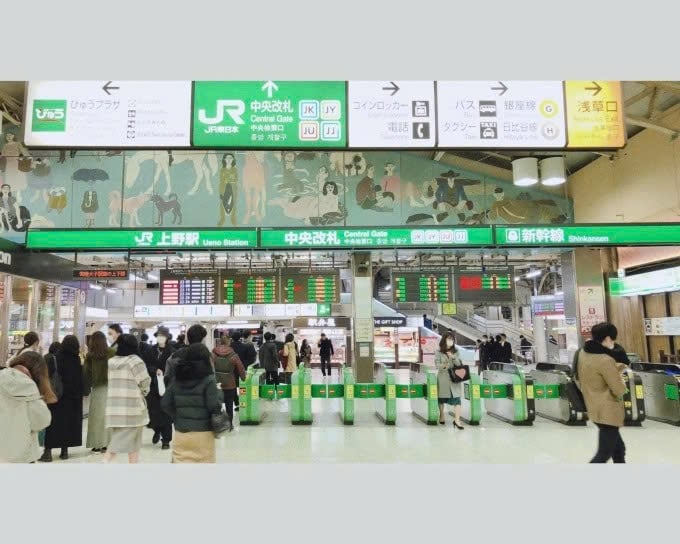
This two-day itinerary in Tokyo is based on suggestions from Que Chi, experiences from early May, and research by VnExpress reporters.
Day 1
Breakfast at Tsukiji Fish Market
Early in the morning, after arriving in Tokyo and dropping off their luggage at the hotel, travelers can begin their exploration by visiting the Tsukiji fish market. With a tradition dating back to 1935, Tsukiji is famous for its pre-dawn tuna auctions. The fish are caught from all over the world and are consumed by a wide range of customers, from Michelin-starred sushi chefs to ordinary eateries.
Although the famous tuna auction area has moved to Toyosu, the Tsukiji market area remains bustling with numerous food stalls selling fresh sashimi, freshly prepared seafood dishes, and the highly-rated Matcha Stand Maruni green tea shop. Many small cafes line the streets, perfect for a light breakfast or a break.
Visiting the Japanese Imperial Palace
The Japanese Imperial Palace is located in the heart of Tokyo, near the train station and central government buildings such as the parliament , the supreme court, and the prime minister's residence. Construction began in 1868, when the Japanese capital was moved from Kyoto to Tokyo. Built on the site of the old Edo Castle, the new palace was completed in 1888. It was destroyed during World War II and later rebuilt in the same style. The palace grounds cover more than 7 square kilometers, encompassing buildings surrounded by numerous moats and lush gardens.
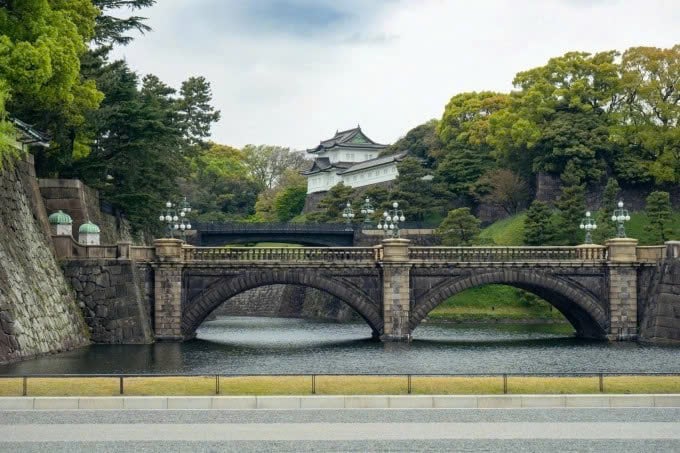
This site is free to enter. The Royal Palace offers two tours daily. The morning tour starts at 9:00 AM with numbered tickets distributed at 10:00 AM and ends at 11:15 AM; the afternoon tour starts at 12:30 PM with a tour at 1:30 PM and ends at 2:45 PM. On some days, the Royal Palace is closed or only open in the afternoon, while on other days it is only open in the morning. The specific schedule is regularly updated on the Royal Palace's official website.
Explore the TeamLab Borderless Museum
TeamLab Borderless is the world's first digital art museum, located in Tokyo. Opened in June 2018, the museum is situated in the Palette Town shopping district and boasts a display area of 10,000 square meters.
This venue showcases over 50 artworks developed by a team of artists from TeamLab. The works utilize computer graphics and various other modern technologies to create a unique interactive experience for visitors. The entire system operates using 520 computers and 470 projectors.
"When we arrive here, the tour guide will inform the group in advance about the appropriate attire, so I only wore lightweight clothes for comfortable movement," Que Chi said. Tourists should wear dark-colored clothes to stand out more when taking photos for social media.
The entrance fee is 3,200 yen (approximately 700,000 VND), and visitors need to book tickets in advance.
Visit Tokyo Tower and have lunch.
At lunchtime, visitors can take a train to Minato Ward to visit the 332.6-meter-tall Tokyo Tower – one of the city's most prominent landmarks. Nearby is the Akasaka area, home to many famous restaurants. Visitors can choose Ittenbari Ramen & Chahan, specializing in Osaka-style ramen and fried rice, to enjoy.
"If you're traveling with family or movie lovers, you can visit the Harry Potter Cafe located not far from this area," Que Chi said.
Visit Meiji Shrine
Combining traditional Japanese architecture with natural beauty, the shrine is dedicated to Emperor Meiji and Empress Shoken. Visitors can visit the shrine at any time, but the first few days of the year are the busiest.
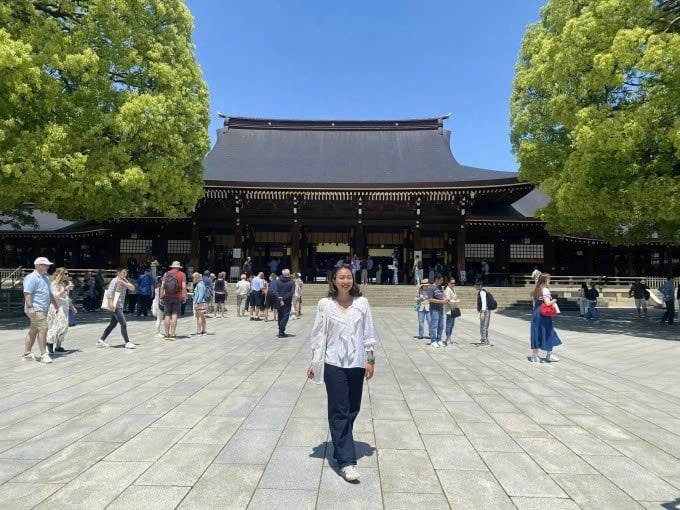
In the afternoon, stroll around the smaller temples in the area, such as Eishoji Temple – not too crowded with tourists, offering a peaceful atmosphere. In the evening, return to Ginza to shop at Don Quijote – a famous chain of stores selling all kinds of Japanese goods, from cosmetics and health supplements to souvenirs and gifts. After sightseeing and shopping, you can have dinner there.
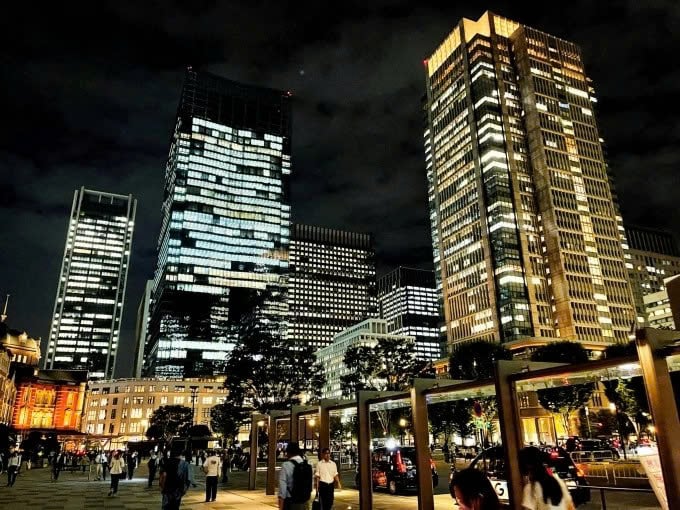
When talking about Japanese cuisine, sushi is always one of the first dishes that comes to mind. Seasoned rice is combined with fresh seafood such as toro (tuna), sake (salmon), or even fish roe and tamago (chicken eggs). I suggest some restaurants like Sushi Dai, Tony Sushi, Ichibun, and Sushi no Midori, with prices ranging from 1 million to 3 million VND per person.
Check in at Golden Gai
Golden Gai is nestled among upscale department stores and vibrant nightlife in Shinjuku – Tokyo's central district and one of the busiest shopping and entertainment hubs. Once a black market area, this 6,600 square meter district boasts nearly 300 small bars, attracting both locals and tourists.
For long-time residents, Golden Gai is not just a nightlife destination but also a historically rich area, a place full of creativity and connection. Each bar has its own story, and each visitor contributes to that story, making it more vibrant and transforming the Golden Gai district into a must-visit destination for every traveler to Tokyo.
Day 2:
Breakfast: Beef Gyudon
Gyudon means "beef bowl"—a dish consisting of pan-seared beef with onions, served with white rice. The beef and onions are cooked in a mixture of mirin, sake, sugar, and soy sauce, creating a balanced flavor of sweetness and umami (meat-based sweetness). It's a popular dish, often enjoyed as a quick breakfast.
In the morning, visitors can start their day at a local café. Quế Chị suggests Goodies Breakfast in the Chuo area – a popular spot for many tourists thanks to its easy-to-eat European-style menu and spacious atmosphere.
Explore the Manga Museum
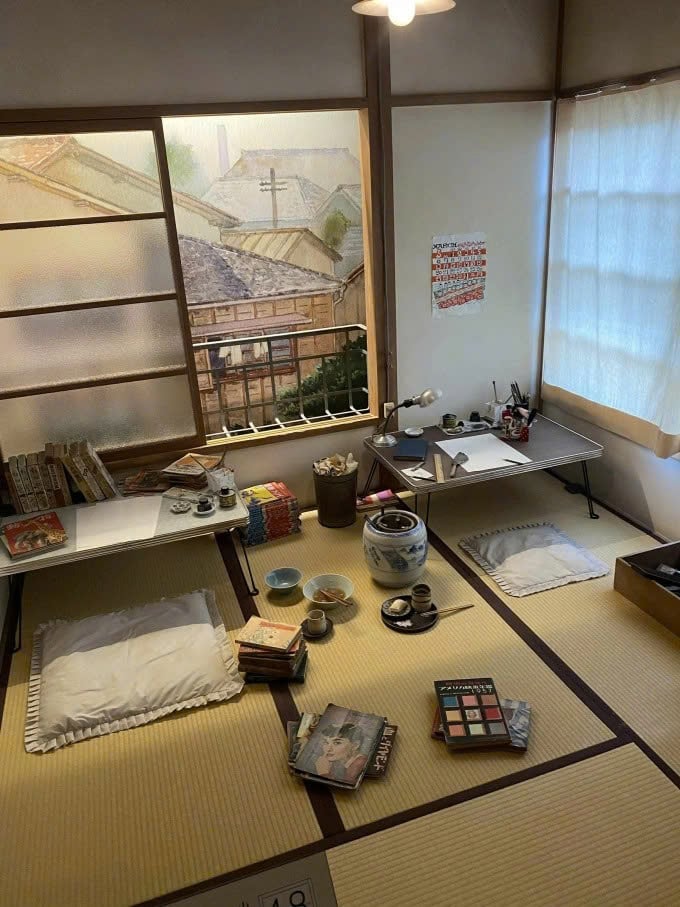
After breakfast, visitors take a train to Toshima, north of Tokyo, to explore the Manga Museum, located in a complex that was once home to many manga artists. The museum is reconstructed as an old apartment building, with each room showcasing a representative work or creative space.
Ameya Yokocho Shopping District
After leaving Ueno Station, if visitors want to experience the atmosphere of the city streets, they can head to the Ameya Yokocho shopping district.
Ameya Yokocho is home to approximately 400 shops of all sizes, including restaurants, seafood stalls, fruit shops, confectionery stores, cosmetics shops, and clothing stores, all lining the street. Visitors can stroll and shop, then have lunch with dishes like breaded pork cutlets and Tsumugi at nearby shopping malls and convenience stores.
Ueno Park
This place has become increasingly popular with tourists, offering a vibrant and bustling atmosphere that is completely different from that of central business districts.
Kanei-ji Temple in Ueno Park was built in the early Edo period to pray for peace in the town of Edo. It is also famous for its role in the Battle of Ueno. Visiting Ueno allows tourists to explore and learn about the history and culture of Tokyo.
Shibuya Crossing
The bustling Shibuya Crossing is considered a symbol of modern Tokyo. You'll be amazed by the intersection with its bright neon lights, giant screens, and thousands of people passing through at the same time.
Here, visitors can enjoy lunch at any of the restaurants on the street or visit the Starbucks cafe in the Tsutaya building located north of the intersection. The second floor of the cafe has floor-to-ceiling windows.
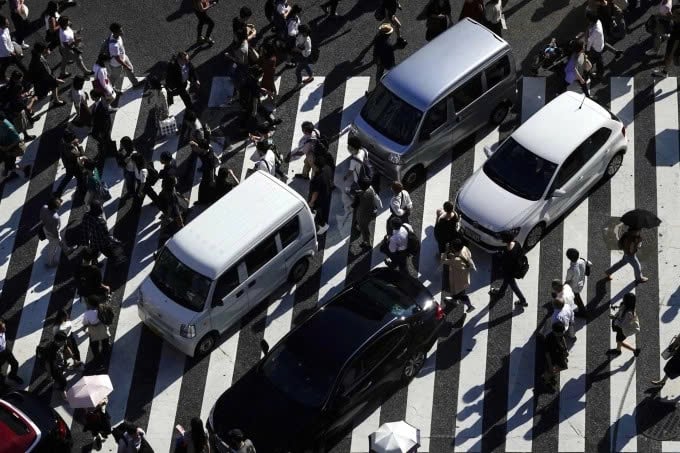
Visitors can comfortably enjoy panoramic views of the passersby and the bustling scene below. This is a very popular spot for viewing the intersection, so be patient and wait your turn to take photos from the cafe window.
In the evening, visitors can take a bus to NEWoMan – a modern shopping center in Shinjuku, and then continue to explore Minamiaoyama – the upscale fashion district of Minato. The journey ends at Shibuya Crossing, a hub of souvenir shops and trendy fashion boutiques, perfect for picking up gifts before heading home.
Note
Que Chi said that in late May, Tokyo has quite cool weather, and in the evenings you only need to wear a windbreaker if you're afraid of getting cold. Public transportation such as trains and buses are well-connected, making it convenient for tourists to travel between points. However, it's advisable to install a train navigation app or use a Suica IC card to save time.
According to vnexpress.net
Source: https://baohanam.com.vn/du-lich/48-gio-mua-sam-kham-pha-am-thuc-tokyo-165329.html

![[Photo] Enchanted by the deciduous forest during the leaf-changing season.](/_next/image?url=https%3A%2F%2Fvphoto.vietnam.vn%2Fthumb%2F1200x675%2Fvietnam%2Fresource%2FIMAGE%2F2026%2F02%2F04%2F1770196861704_2066642_8ffd5f25c3c9433be0e644abe71613ae.jpeg&w=3840&q=75)


![[Photo] Prime Minister Pham Minh Chinh presides over the regular Government meeting in January 2026.](/_next/image?url=https%3A%2F%2Fvphoto.vietnam.vn%2Fthumb%2F402x226%2Fvietnam%2Fresource%2FIMAGE%2F2026%2F02%2F04%2F1770209446450_hopcp-jpg.webp&w=3840&q=75)




Comment (0)