

 |
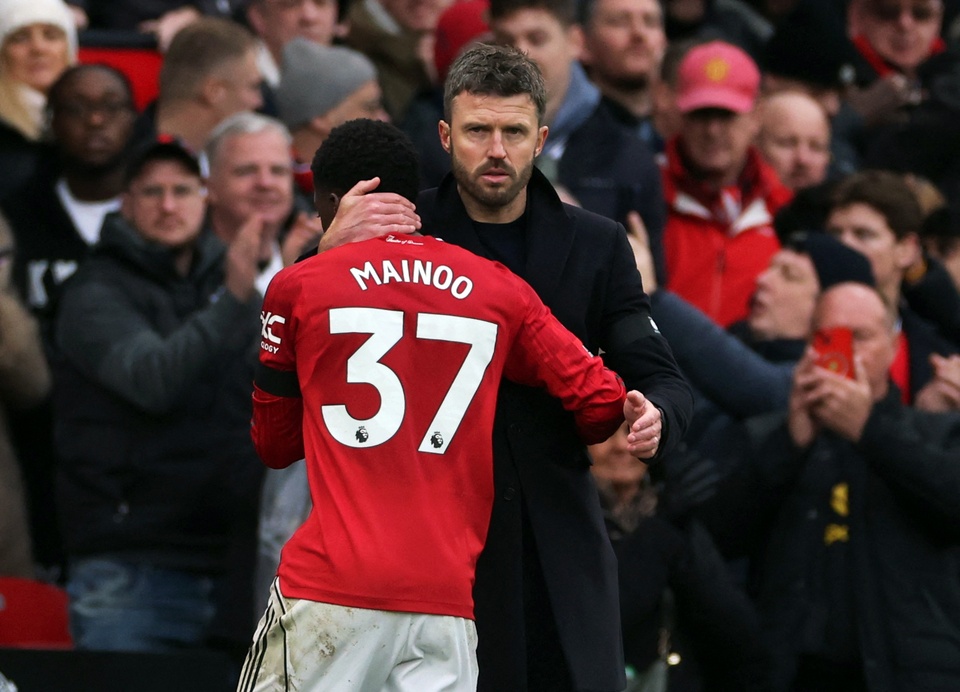
Carrick has revived Mainoo's form. |
The 2-0 victory against Tottenham in the 25th round of the Premier League on February 7th continued Manchester United's positive run since Michael Carrick took over as interim manager. But amidst the goals, the statistics, and the renewed optimistic atmosphere at Old Trafford, one detail stands out as particularly symbolic: Kobbie Mainoo is playing mature, confident football and exerting a clear influence in midfield.
Mainoo is not a new discovery. He was called up to the England national team when he was just 18 years old and was once considered the future of Manchester United's midfield.
But under Ruben Amorim, the midfielder born in 2005 almost disappeared. Throughout the entire season, he only started one game, against Grimsby Town in the Carabao Cup, a forgettable defeat. For a young player, this was not only a waste of talent but also a major blow to his confidence.
In fact, Mainoo had considered leaving Old Trafford on loan. Napoli was a destination he seriously considered. A top product of the MU academy, who was once considered "untouchable," was very close to leaving simply because he wasn't given the opportunity.
When Arsenal legend Ian Wright said Amorim should be "very ashamed," it wasn't an emotional criticism. It accurately reflected the nature of the issue.
Carrick arrived and did what seemed like a simple thing: he put Mainoo back in his rightful place. No experiments, no ambiguous messages. He gave him confidence, and Mainoo responded with form.
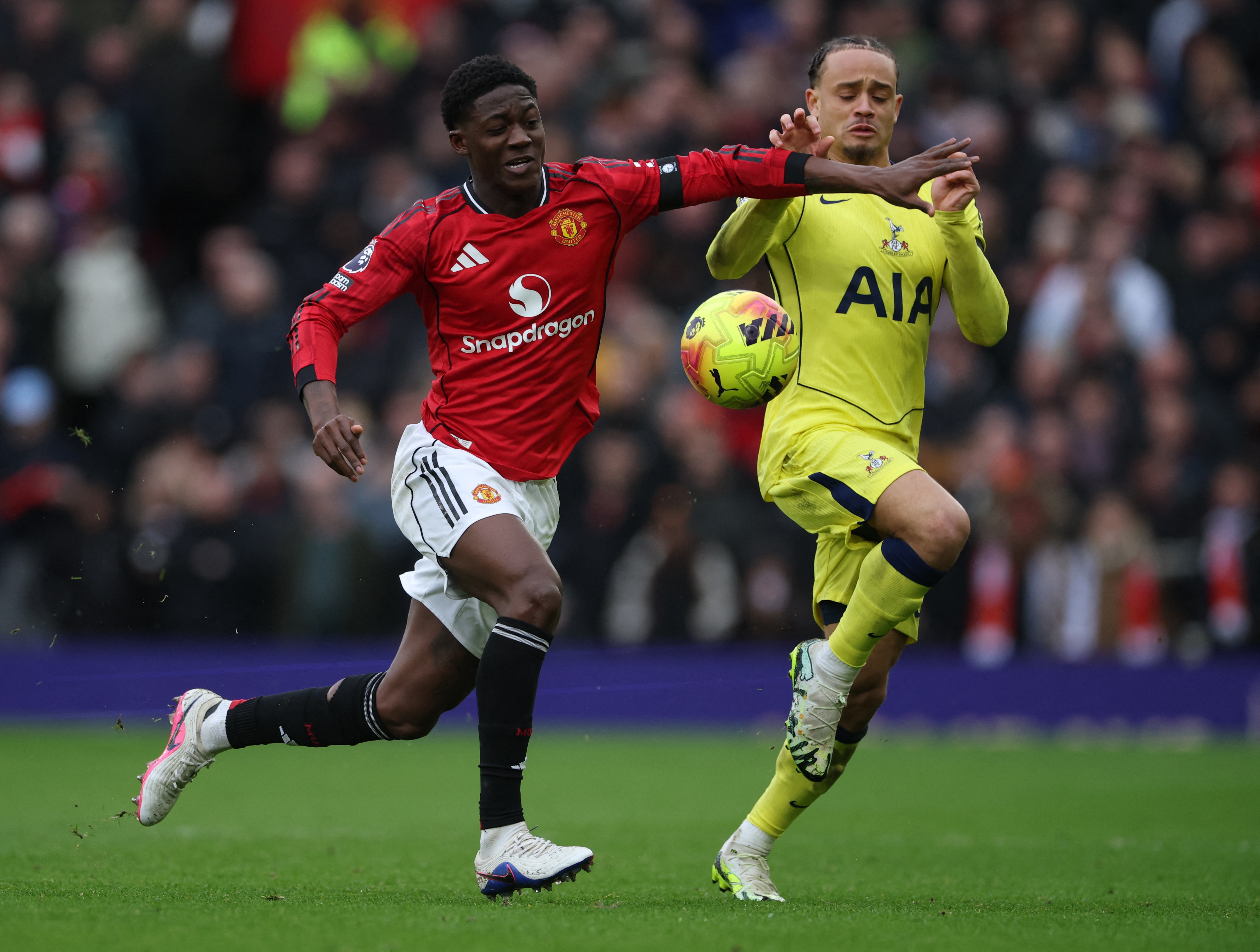 |
Mainoo has been used frequently by MU recently. |
Against Tottenham, the 20-year-old midfielder not only assisted Bryan Mbeumo's opening goal, but also controlled the tempo of the game, maintained his position, and helped MU stand firm in midfield. Playing alongside Casemiro, Mainoo showed composure beyond his years.
It's worth noting that Mainoo doesn't play explosive football. He doesn't need to compete for the spotlight. Mainoo's style of play is neat, with few touches and intelligent positioning. That's the type of midfielder a rebuilding team desperately needs.
Carrick understood that, and more importantly, he didn't demand that Mainoo become a "hero" immediately. Carrick's cautious post-match remarks were a valuable detail. He emphasized that Mainoo was still learning and still needed to be protected from excessive expectations.
Conversely, Amorim once justified his decision to leave Mainoo out with a familiar argument: "I just wanted to win." But the paradox is that MU didn't win, and Mainoo didn't get to play. A manager might prioritize short-term results, but when that comes with overlooking talents suitable for the club's future, the price often comes later and is more painful.
Four games under Carrick, four wins. Mainoo played the full 90 minutes in each game, contributing two assists. The numbers aren't top-notch, but they speak volumes about his role. More importantly, MU looks more organized with him in the team. That's something that dry statistics don't always fully reflect.
Mainoo's story isn't just a personal "comeback." It raises a big question about how coaches treat young players in high-pressure clubs. Talent doesn't disappear on its own. It's just obscured by impatience. And sometimes, all it takes is one person who understands and believes enough to bring it back into the spotlight.
Source: https://znews.vn/amorim-sai-o-mainoo-post1626235.html









































































Comment (0)