

You'd be hard-pressed to find a meal that didn't benefit from a little garlic. From omelets and pasta dishes to marinades, a touch of garlic can add a wonderful flavor.
Furthermore, garlic consumption has been shown to have promising health benefits for a number of health conditions, including cardiovascular disease, cancer, and metabolic syndrome. In fact, garlic contains so many powerful antioxidants that numerous studies are exploring the effects of using garlic as a supplement.
Health benefits of garlic
According to TODAY.com , one clove of garlic contains 5 calories, 1g of carbohydrate, and 0g of fat or protein. Garlic also contains some vitamins and minerals, but the amount in a single clove is very small.
The amount of garlic required in most recipes is small compared to other ingredients, but the health benefits are numerous. Garlic contains phenolic compounds with anti-inflammatory properties. Studies show that even small amounts of these plant compounds in the diet can have a positive impact on overall health.
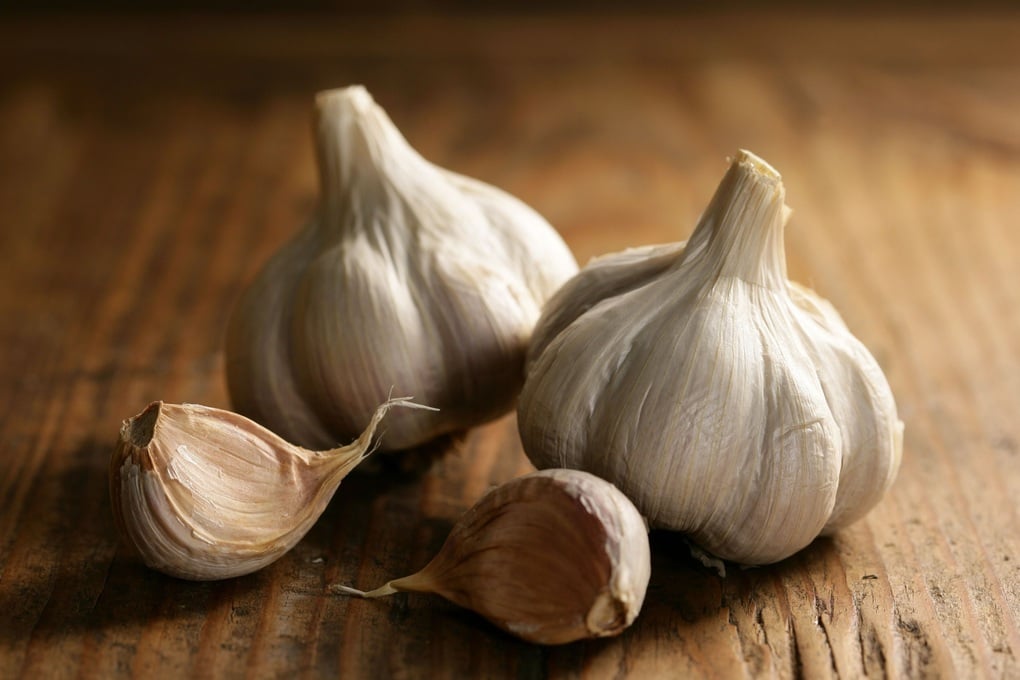
Consuming garlic offers many impressive health benefits (Illustrative image: Shutterstock).
Numerous studies have been conducted on the health benefits of garlic, but it's important to note that most human studies have observed the effects of consuming large doses of garlic as a supplement, rather than eating garlic in food.
A recent review showed that garlic supplementation has been shown to reduce cholesterol levels and the risk of atherosclerosis, hypertension, diabetes, hyperlipidemia, heart attack, and stroke. The authors attribute these findings to garlic's antioxidant properties, which help protect the heart from stress and damage.
Garlic has also been studied for its role in cancer treatment. Dosage and timing of garlic consumption vary, but many studies show a link between garlic supplementation and cancer treatment.
For example, a randomized controlled trial concluded that long-term garlic supplementation in stomach cancer patients was associated with lower mortality rates.
Furthermore, garlic has been studied for its role in metabolic syndrome, a group of conditions such as hypertension and obesity, which increase the risk of type 2 diabetes and cardiovascular disease. All studies in this field have shown that garlic consumption is inversely associated with the development of metabolic syndrome.
One study examined the effects of eating one clove of garlic daily for 30 days on patients with type 2 diabetes. Participants experienced reductions in LDL (bad) cholesterol and triglycerides, as well as improvements in HDL (good) cholesterol.
In another study, researchers examined the effects on metabolic syndrome when participants were given raw, crushed garlic. They found that after eating a single meal containing 5g (about 1.5 cloves) of garlic, immune genes and cancer-killing genes were elevated.
The results over the four-week period were also very promising. The amount of garlic consumed varied depending on the weight of the participants, but one person weighing 70kg ate about 6g (or about 2 cloves) per day and the results showed a reduction in blood pressure, LDL cholesterol, and blood sugar levels.
Several studies suggest that adding finely chopped fresh garlic to your daily diet is beneficial for your health. Additionally, it's a delicious way to season food in a healthy manner.
Side effects of garlic
Garlic is inexpensive and easy to use, while also offering great flavor and nutrition. However, it can cause digestive problems for people with irritable bowel syndrome (IBS) or gastroesophageal reflux disease (GERD).
Garlic contains fructan, a type of carbohydrate that can cause unwanted abdominal gas and bloating in people with IBS. However, people with IBS can still enjoy some of the flavor of garlic without the unwanted side effects.
According to Monash University (Australia), fructan does not dissolve in oil. Therefore, you can add garlic to the oil while cooking and remove it before serving the final dish. The oil will have a garlic flavor without any unpleasant side effects.
Additionally, garlic's active compound—allicin—increases stomach acidity and relaxes the esophageal sphincter. These mechanisms cause more reflux in people with GERD.
Source: https://dantri.com.vn/suc-khoe/an-1-tep-toi-moi-ngay-bi-quyet-re-tien-cuc-ky-tot-cho-tim-mach-tuoi-tho-20250704093019623.htm

![[Live] 2025 Community Action Awards Gala](/_next/image?url=https%3A%2F%2Fvphoto.vietnam.vn%2Fthumb%2F1200x675%2Fvietnam%2Fresource%2FIMAGE%2F2025%2F12%2F16%2F1765899631650_ndo_tr_z7334013144784-9f9fe10a6d63584c85aff40f2957c250-jpg.webp&w=3840&q=75)
![[Photo] Prime Minister Pham Minh Chinh receives the Governor of Tochigi Province (Japan)](/_next/image?url=https%3A%2F%2Fvphoto.vietnam.vn%2Fthumb%2F1200x675%2Fvietnam%2Fresource%2FIMAGE%2F2025%2F12%2F16%2F1765892133176_dsc-8082-6425-jpg.webp&w=3840&q=75)
![[Photo] Prime Minister Pham Minh Chinh receives Lao Minister of Education and Sports Thongsalith Mangnormek](/_next/image?url=https%3A%2F%2Fvphoto.vietnam.vn%2Fthumb%2F1200x675%2Fvietnam%2Fresource%2FIMAGE%2F2025%2F12%2F16%2F1765876834721_dsc-7519-jpg.webp&w=3840&q=75)
![[Image] Leaked images ahead of the 2025 Community Action Awards gala.](/_next/image?url=https%3A%2F%2Fvphoto.vietnam.vn%2Fthumb%2F1200x675%2Fvietnam%2Fresource%2FIMAGE%2F2025%2F12%2F16%2F1765882828720_ndo_br_thiet-ke-chua-co-ten-45-png.webp&w=3840&q=75)




































































































Comment (0)