

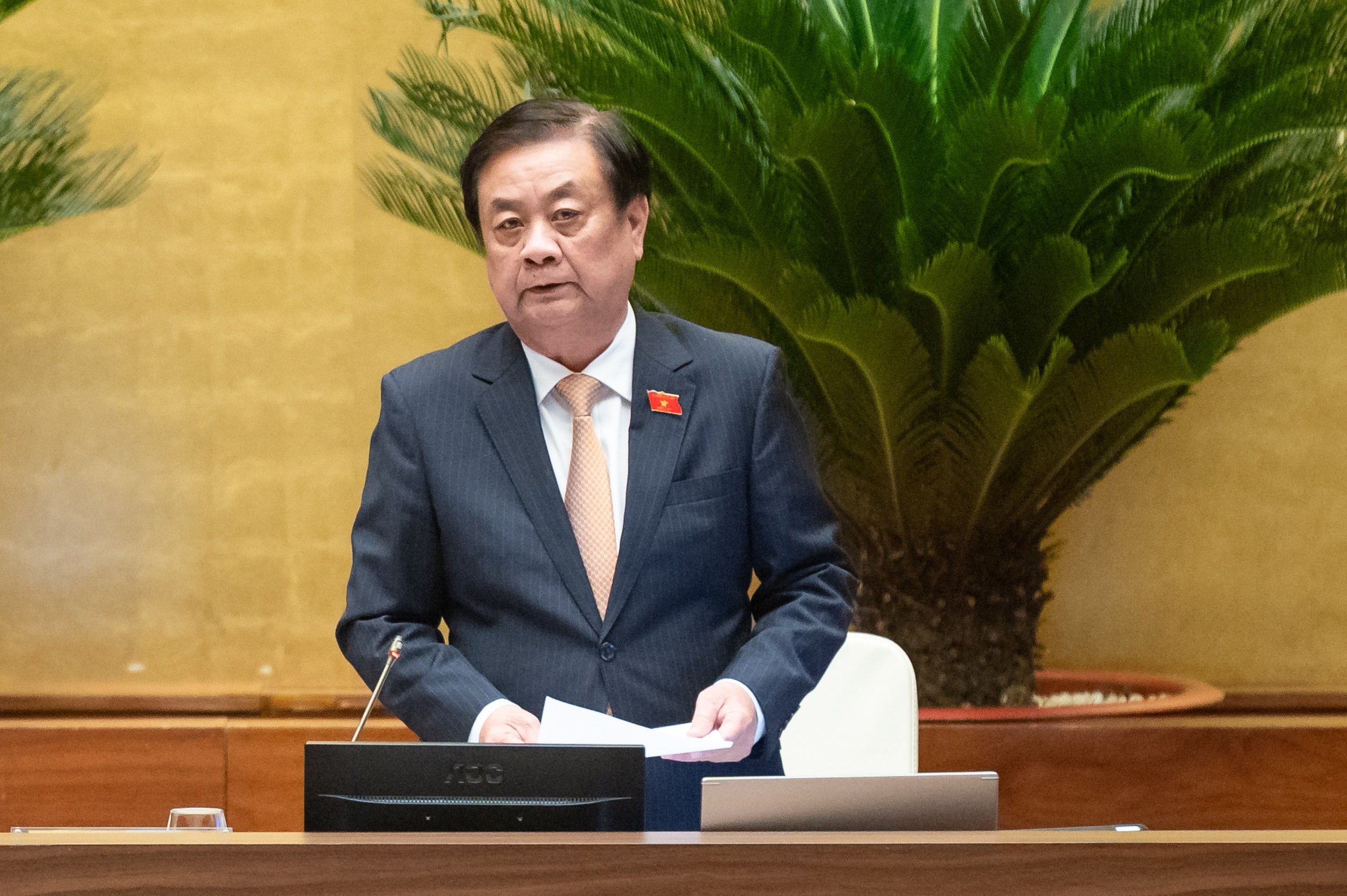
Consideration of the authority to delimit and approve national mineral reserve areas
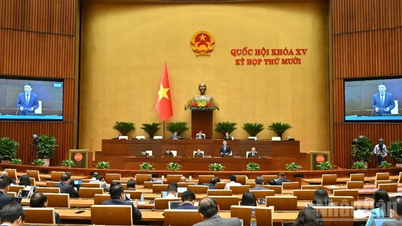
The majority of National Assembly deputies approved the promulgation of the draft Law amending and supplementing a number of articles of the Law on Geology and Minerals and the draft Law amending and supplementing a number of articles of 15 Laws in the fields of agriculture and environment; they said that the contents of the two draft Laws are basically consistent with the Party's policies, ensuring constitutionality, legality, consistency with the legal system, compatibility with relevant international treaties, and feasibility.
Regarding the draft Law amending and supplementing a number of articles of the Law on Geology and Minerals, some delegates said that the draft Law clearly demonstrated the goal of perfecting institutions, in line with the policy of streamlining the apparatus, promoting decentralization, reforming administrative procedures and removing many obstacles in the practice of mineral resource management.
Specifically, abolish the regulation of granting no more than 5 exploration licenses for a type of mineral to the same organization; allow expanded and deep exploration without having to adjust or supplement mineral planning; do not have to carry out mineral exploration activities in mineral exploitation areas... Thereby, contributing to solving urgent problems and promoting socio-economic growth.
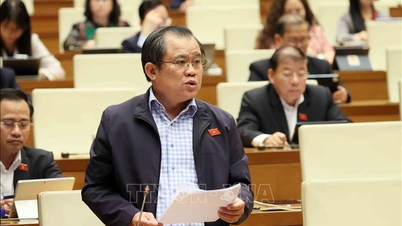
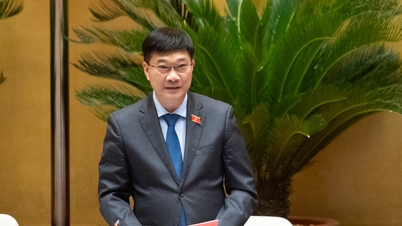
Regarding the regulations on criteria for delimiting areas where mineral exploitation rights are not auctioned (Clause 23, Article 1), National Assembly Deputy Nguyen Tam Hung (Ho Chi Minh City) agreed with the draft Law expanding the scope of areas where auctions are not held to "ensure energy and raw material security for key projects and socio-economic development tasks" to ensure the supply of materials for the economy.
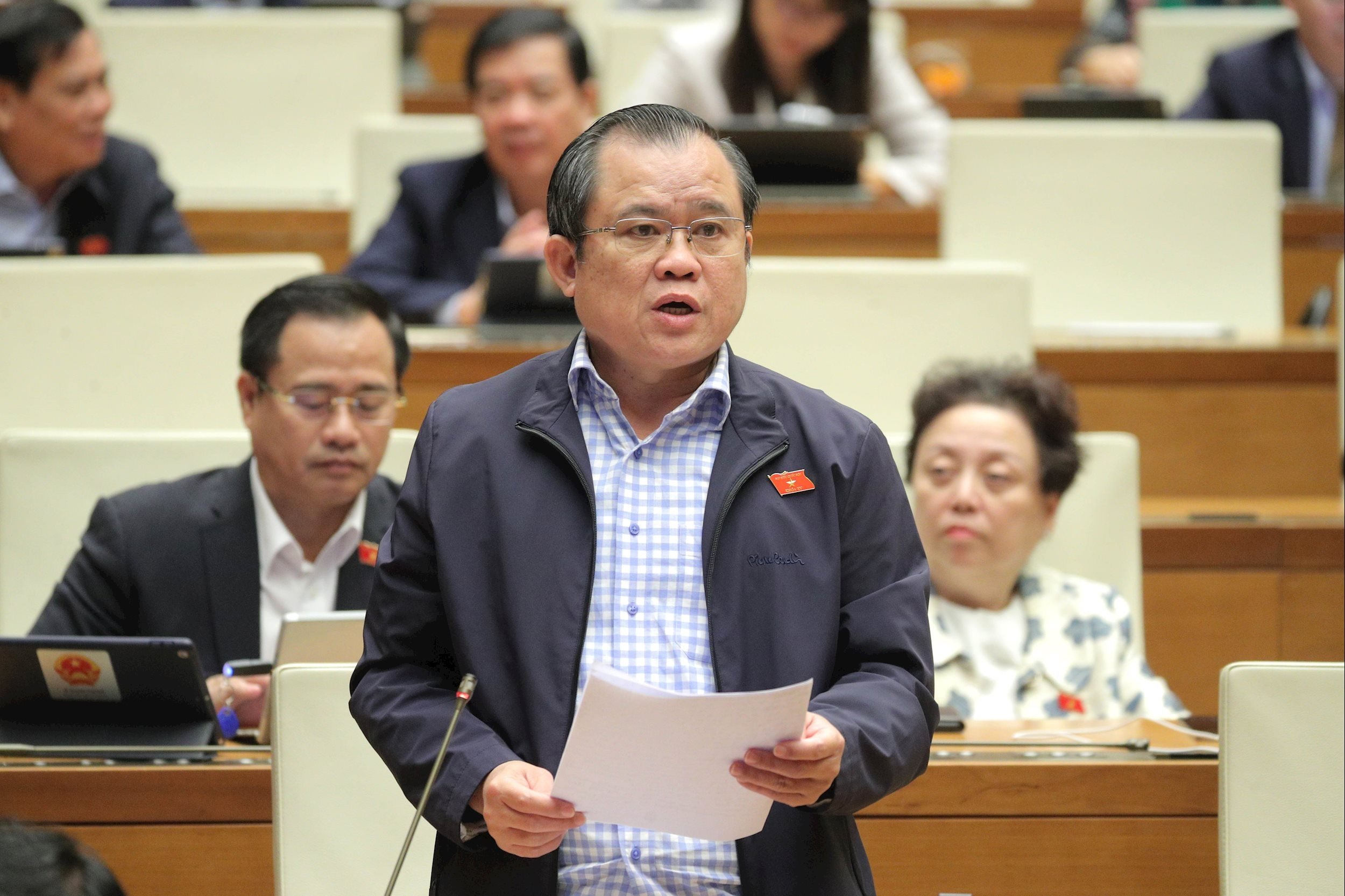
However, the scope of "non-auction areas" without clear criteria and periodic assessment mechanisms will be easily abused, leading to the risk of assigning mines by designation, lack of competition and loss of state budget revenue.
Therefore, delegate Nguyen Tam Hung suggested considering adding mandatory regulations to clarify the technical basis, output, and service period of the project; and publicly announce the list of areas that are not subject to auction every year. At the same time, revoke the non-auction mechanism when the project is completed to avoid maintaining the situation of "resource monopoly".
Clause 6, Article 1 of the draft Law amending and supplementing Clause 1, Article 29 stipulates that the Minister of Agriculture and Environment shall organize the delimitation and approval of national mineral reserve areas specified in Article 28 of this Law. Clause 7, Article 1 amending and supplementing Clause 2, Article 31 stipulates that the Minister of Agriculture and Environment shall decide on the mineral reserve period and extend the mineral reserve period for each national mineral reserve area.
Thus, compared with current regulations, the authority to organize the demarcation and approval of national mineral reserve areas and decide on the mineral reserve period and extend the mineral reserve period for each mineral reserve area is decentralized from the Prime Minister to the Minister of Agriculture and Environment.
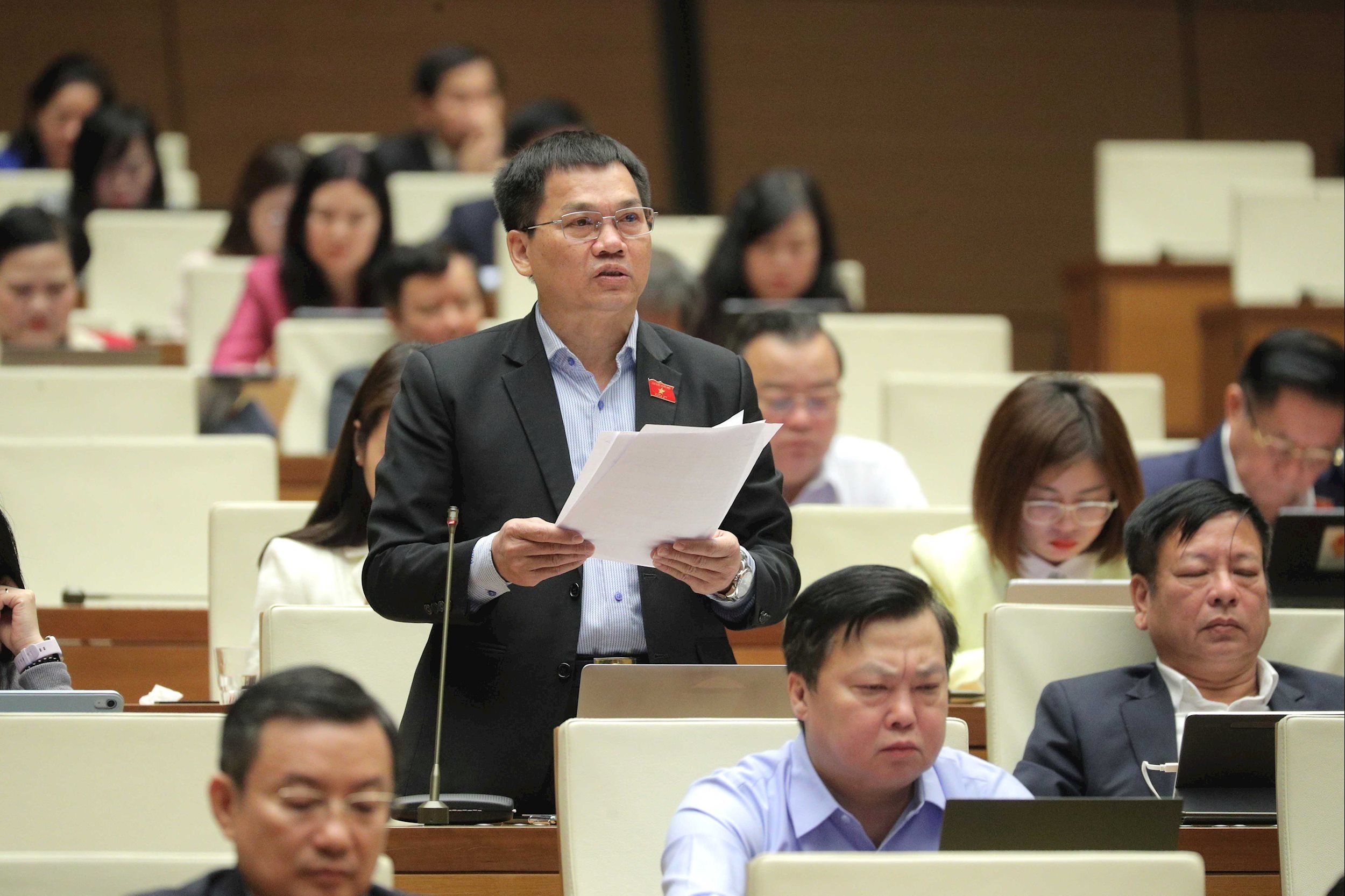
Agreeing with the above decentralization, National Assembly Deputy Duong Khac Mai (Lam Dong) said that the organization of demarcation and approval of national mineral reserve areas and the decision on mineral reserve time and extension of mineral reserve time for each mineral reserve area is closely linked with the approval of basic mineral survey planning, group I mineral planning, and group II mineral planning. According to the provisions of the law, it is under the authority of the Prime Minister. Therefore, the delegate suggested considering the regulations on authority in this matter appropriately.
Do not abandon regulations on protection and use of topsoil of land specialized for growing wet rice.
Regarding the draft Law amending and supplementing a number of articles of 15 laws in the fields of agriculture and environment, National Assembly member Ha Sy Dong (Quang Tri) said that the draft Law has the meaning of restructuring management thinking. The amended provisions will directly impact the green agricultural development model, resource security, forest - sea - water - land economy; and if designed correctly, the law can create a transition from command - record management to risk - data - transparency management.
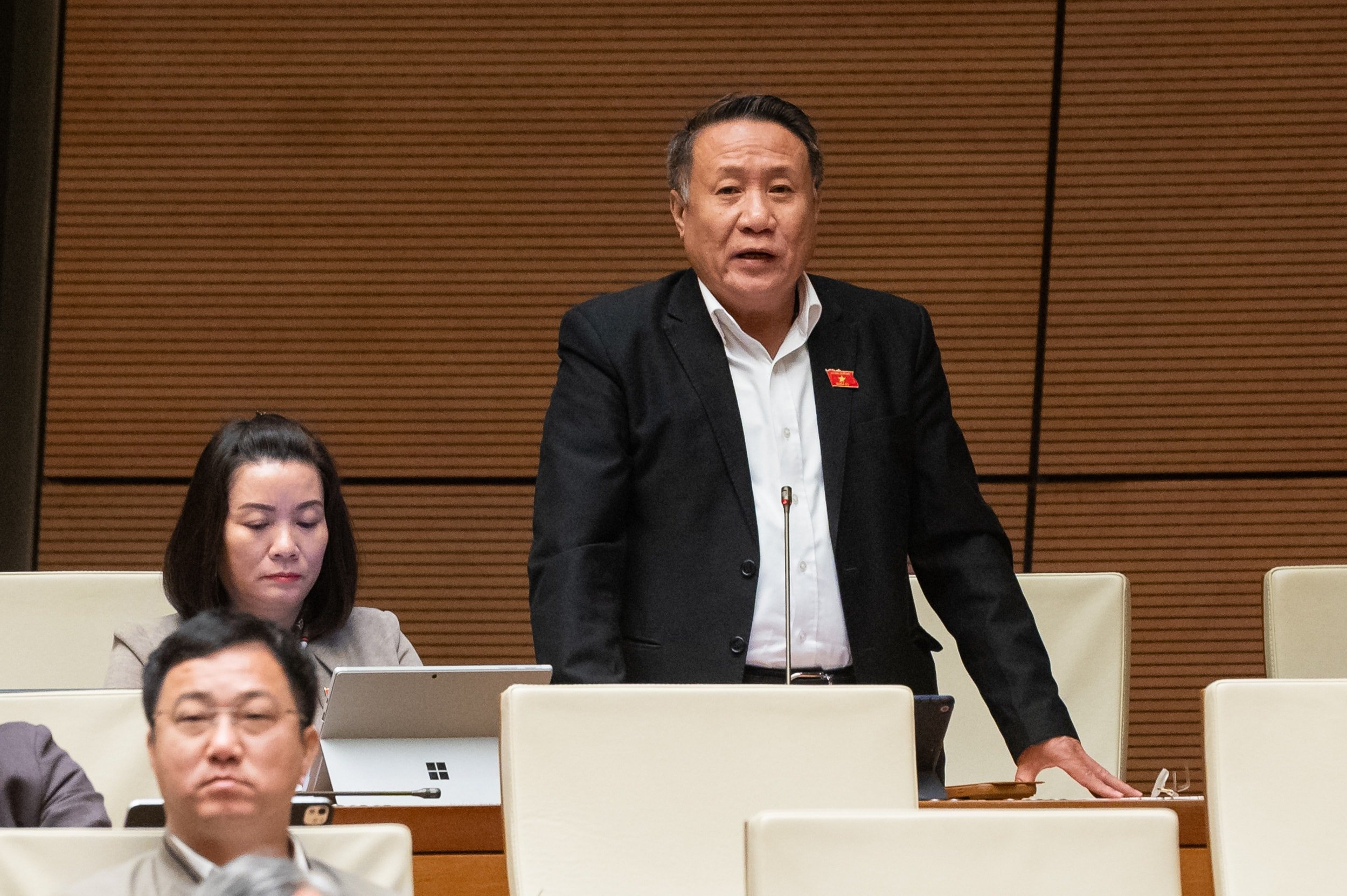
However, in general, delegate Ha Sy Dong suggested that the draft Law needs to be completed in the direction of clear responsibilities, clear criteria and clear application methods; reducing paperwork but increasing enforcement control; protecting resources by economic mechanisms instead of relying solely on administrative measures.
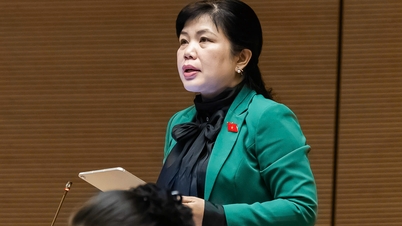
Regarding the amendments to the Law on Cultivation, according to National Assembly Delegate Nguyen Thi Kim Anh (Bac Ninh), the policy on protecting the topsoil layer of land specialized for growing wet rice in Article 57 of the 2018 Law on Cultivation (protection and use of the topsoil layer of land specialized for growing wet rice) is the only basis currently directly regulating the protection of the topsoil layer (agricultural land).
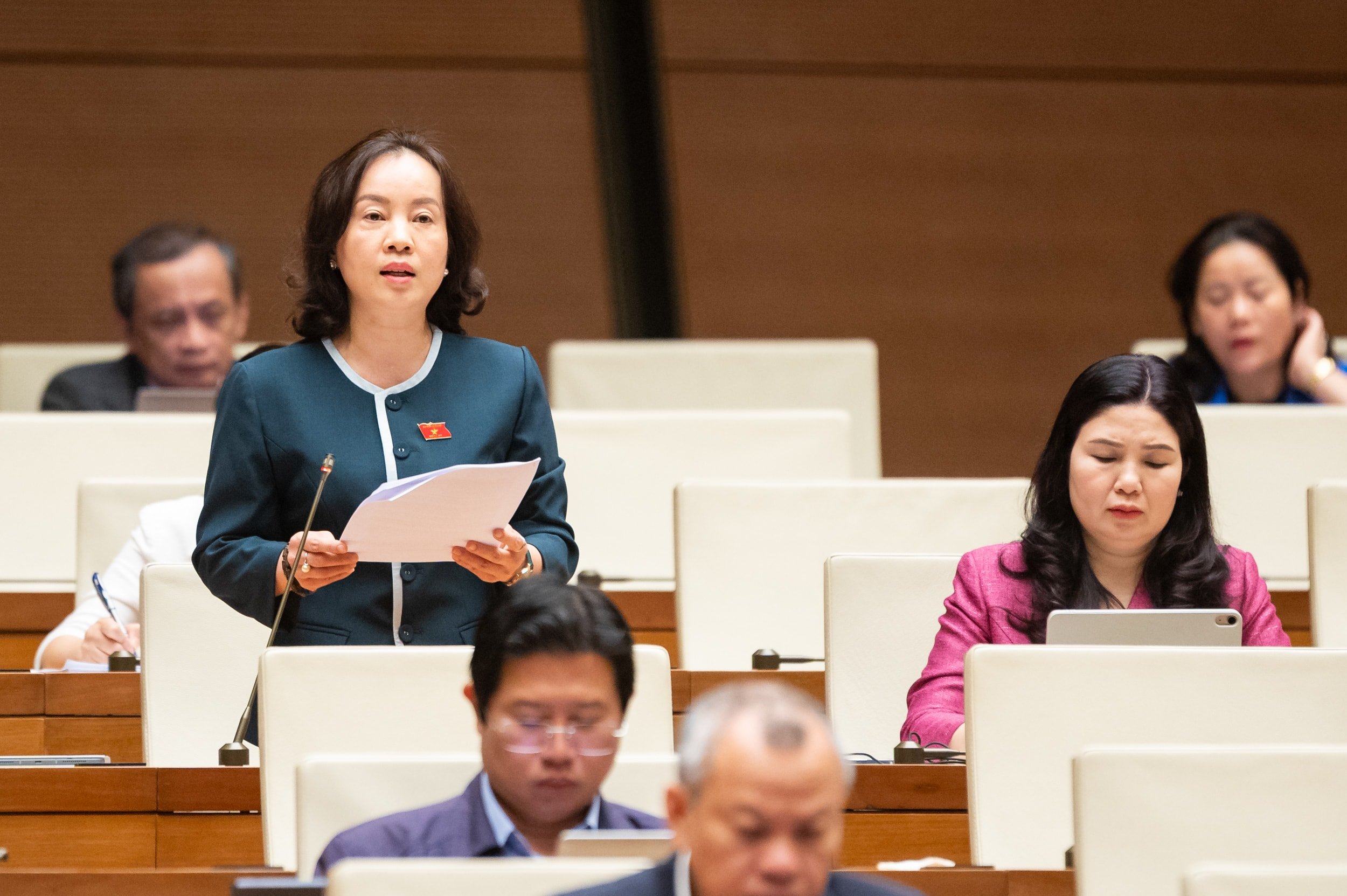
This is the only provision of the legal system on cultivation that stipulates the obligation to strip, recover, and reuse the topsoil, aiming at sustainable agricultural development and protecting land resources. Rice land is the most nutritious, organic and microbial part of agricultural land, formed through many years of cultivation, with high biological and economic value.
The separation and recovery of topsoil when converting rice-growing land use purposes not only protects land resources but also reuses fertile land for agricultural production, planting trees, improving degraded land, contributing to ensuring food security and sustainable agricultural development.
Delegate Nguyen Thi Kim Anh expressed concern that the abolition of Article 57 of the Law on Cultivation could create a legal gap in protecting topsoil, reducing the responsibility of investors in protecting and using rice and agricultural land economically and effectively, causing the loss of valuable land resources and reducing the ability to recover later.
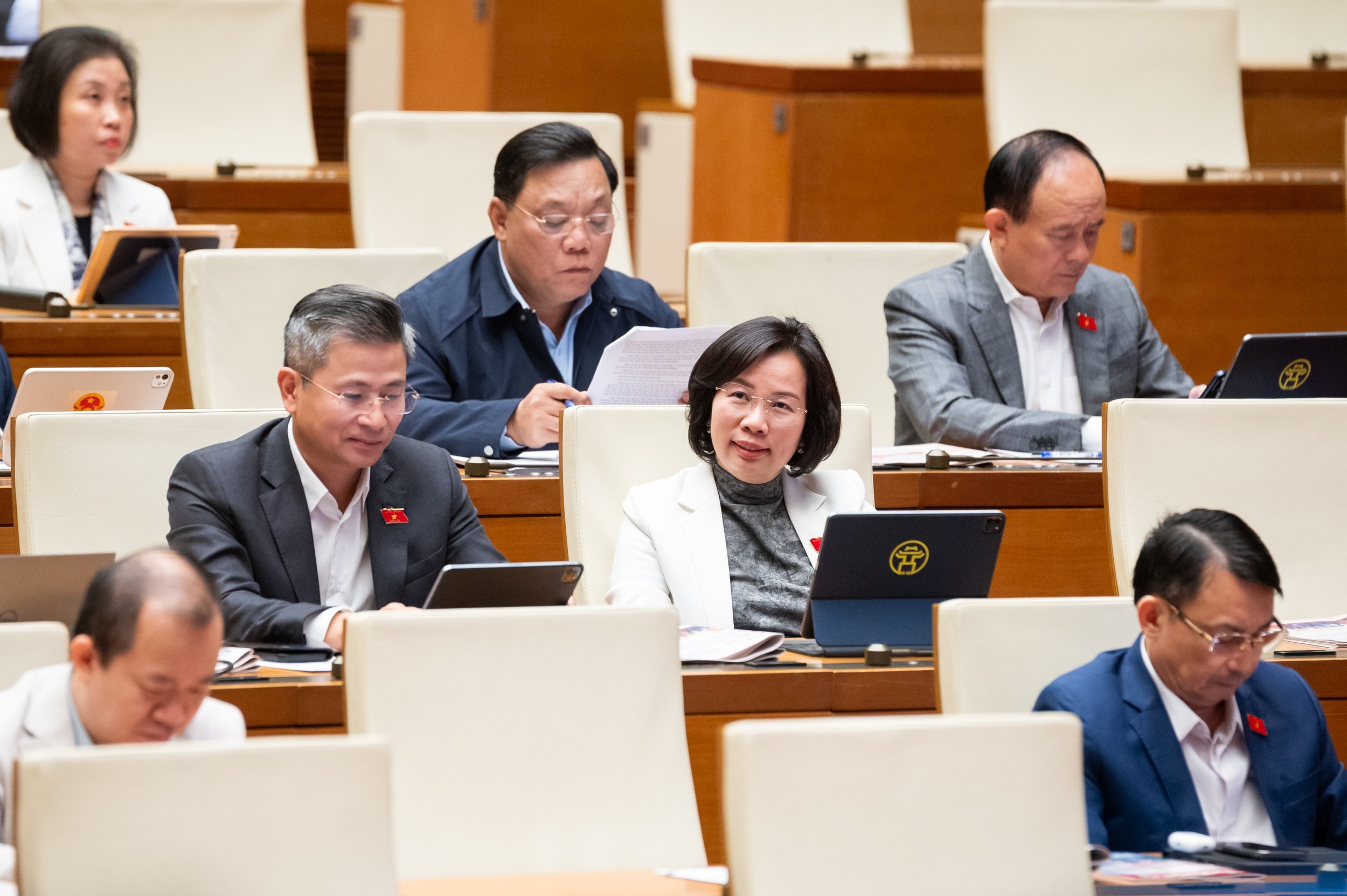
The delegate also said that the explanation for the abolition of Article 57 in Submission No. 859 dated October 3, 2025 and Explanation Report No. 991/BC-CP dated October 27, 2025 was not really convincing because it only mentioned difficulties in the implementation stage.
Thus, it must be affirmed that this is the right policy, protecting available resources, in parallel with continuing to implement programs and projects to improve soil quality to serve cultivation activities.
Therefore, according to the delegate, it is necessary to study carefully and cautiously when abolishing this article. Do not abolish Article 57 because of difficulties in implementation when the topsoil for agricultural development takes hundreds of years to obtain.
From the above analysis, delegate Nguyen Thi Kim Anh proposed not to remove this provision but to stipulate it in principle and assign the Government to provide specific guidance with an inter-sectoral coordination mechanism to remove difficulties and obstacles in the implementation stage as a basis for effective implementation.
Previously, at the session, the National Assembly approved amendments and supplements to the Program of the 10th session.
Source: https://daibieunhandan.vn/can-cong-khai-danh-sach-khoanh-dinh-khu-vuc-khong-dau-gia-quyen-khai-thac-khoang-san-10397705.html


![[Photo] Prime Minister Pham Minh Chinh receives President of Cuba's Latin American News Agency](/_next/image?url=https%3A%2F%2Fvphoto.vietnam.vn%2Fthumb%2F1200x675%2Fvietnam%2Fresource%2FIMAGE%2F2025%2F12%2F01%2F1764569497815_dsc-2890-jpg.webp&w=3840&q=75)




































































Comment (0)