

The regulations have been amended to prohibit the illegal buying, selling, and use of eavesdropping and covert recording devices.
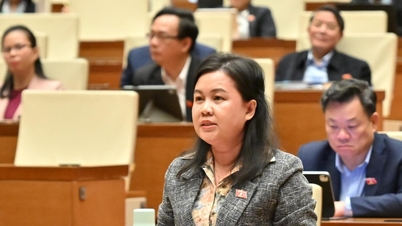
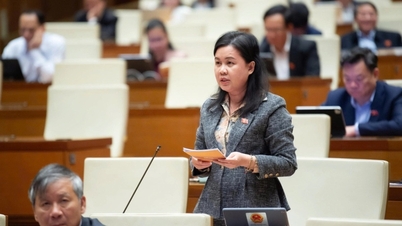
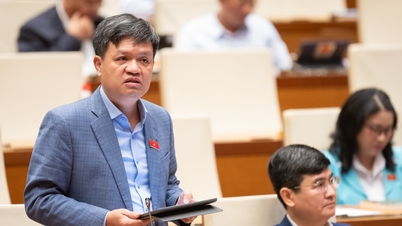
During the discussion on the draft Law on Protection of State Secrets (amended), National Assembly Deputy Cam Ha Chung ( Phu Tho ) agreed with the prohibited acts in Article 5, including the use of artificial intelligence to commit acts that violate the law on protection of state secrets.
However, in practice, the illegal buying, selling, and use of eavesdropping, covert recording, tracking, and recording devices is very common, seriously affecting the information security of agencies, organizations, and individuals. Therefore, the delegate proposed adding the prohibited act of "illegally buying, selling, and using eavesdropping, covert recording, audio recording, eavesdropping, and tracking devices in any form."
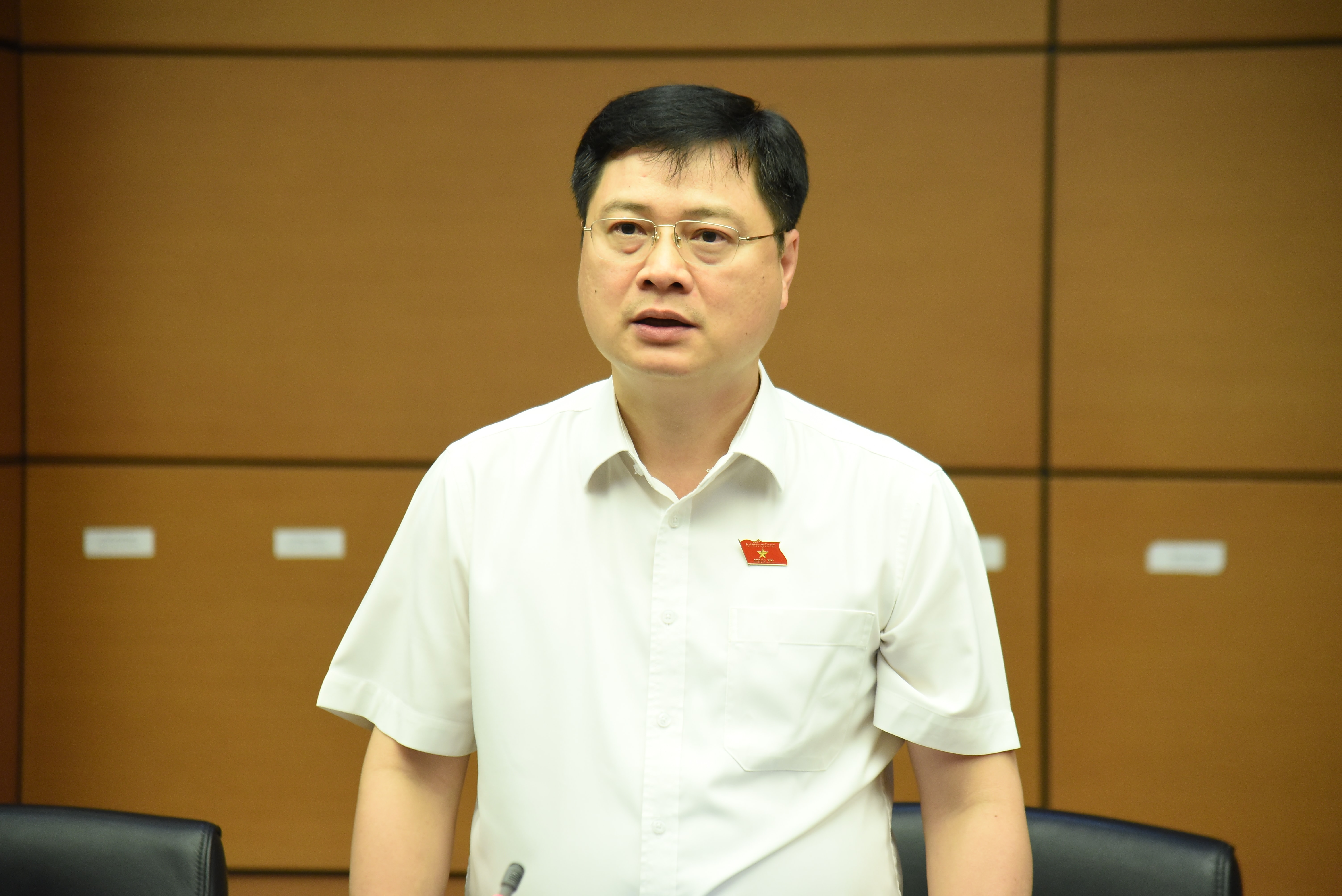
Regarding the scope of state secrets in Article 7, the draft has expanded the scope of state secrets to include new areas such as science, technology, information, communication, and digital transformation, in line with the country's development trends. However, according to delegates, the scope in the fields of economics , finance, and planning is still quite broad, which could limit transparency in the management of public investment and the state budget, as well as hinder the exercise of oversight rights by the people and elected bodies.
Representative Cam Ha Chung suggested that the Government review and narrow the scope of state secrets in these areas, retaining only information that directly affects national security, defense, and national interests, avoiding unnecessary "closed-off" situations.
At the same time, a new principle needs to be added: "The classification and protection of state secrets must be based on actual security risk assessments, reviewed periodically every 5 years." This not only helps ensure flexibility and up-to-date information but also clearly demonstrates a modern governance spirit, based on efficiency and transparency.
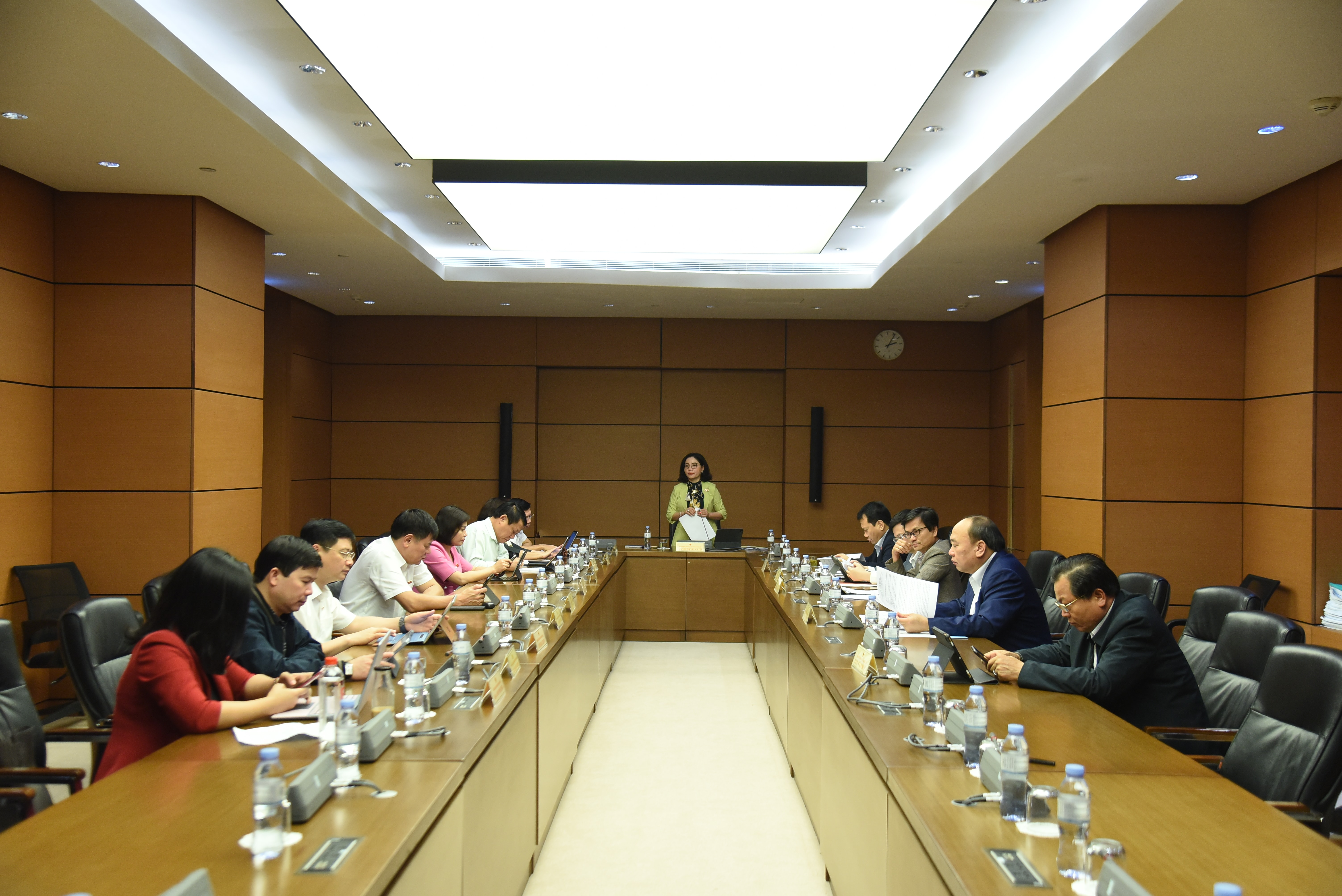
Regarding the transportation, delivery, and transmission of documents and materials containing state secrets, as stipulated in Articles 13-16, the use of electronic documents is currently widespread. However, the draft lacks specific regulations on the transmission and storage of these secret documents. The representative proposed adding a provision stating that electronic state secret documents may only be transmitted through a certified cryptographic system; sending them via email, social media, or civilian applications is strictly prohibited.
Furthermore, electronic storage devices such as USB drives, hard drives, and laptops containing confidential documents must be certified by a competent authority, encrypted, and have the capability to remotely erase data. These regulations are in line with the trend of digital transformation and ensure absolute security in the transfer of state data, preventing the risk of information leakage or loss.
The regulations should clarify which categories require a confidential stamp.
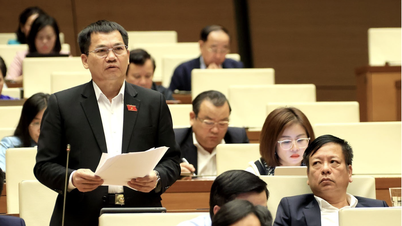
Regarding the determination of state secrets and the level of confidentiality of state secrets in Article 10, National Assembly Deputy Duong Binh Phu (Dak Lak) argued that Clause 2, Article 10 of the draft Law amending and supplementing the Law aims to expand the authority to determine state secrets, the level of confidentiality of state secrets, and the scope of circulation of state secrets to the authorized deputy of the head of the agency or organization.
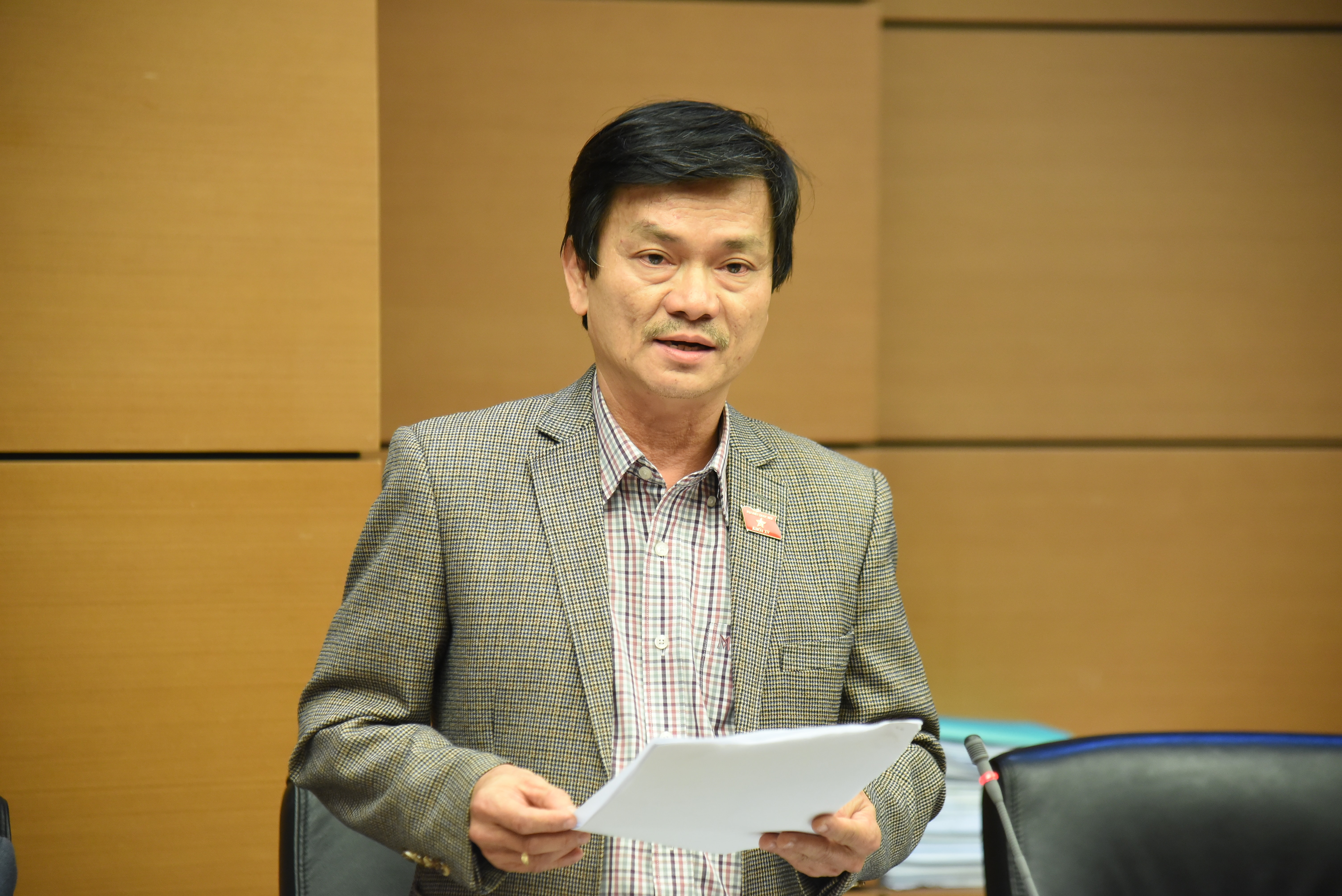
According to the delegates, regarding this issue, the Law on Government Organization 2025 and the Law on Local Government Organization 2025 already contain some provisions on delegation of authority within the state agency system and to local governments. Therefore, the drafting agency needs to review the contents on delegation of authority in the draft to ensure the consistency and uniformity of the legal system.
In addition, delegate Duong Binh Phu suggested that the drafting agency should consider clearly defining the responsibilities of the deputy head of the agency or organization in determining state secrets, the level of confidentiality of state secrets, and the scope of circulation of state secrets to avoid abuse of power or incorrect determination of the confidentiality level of information.
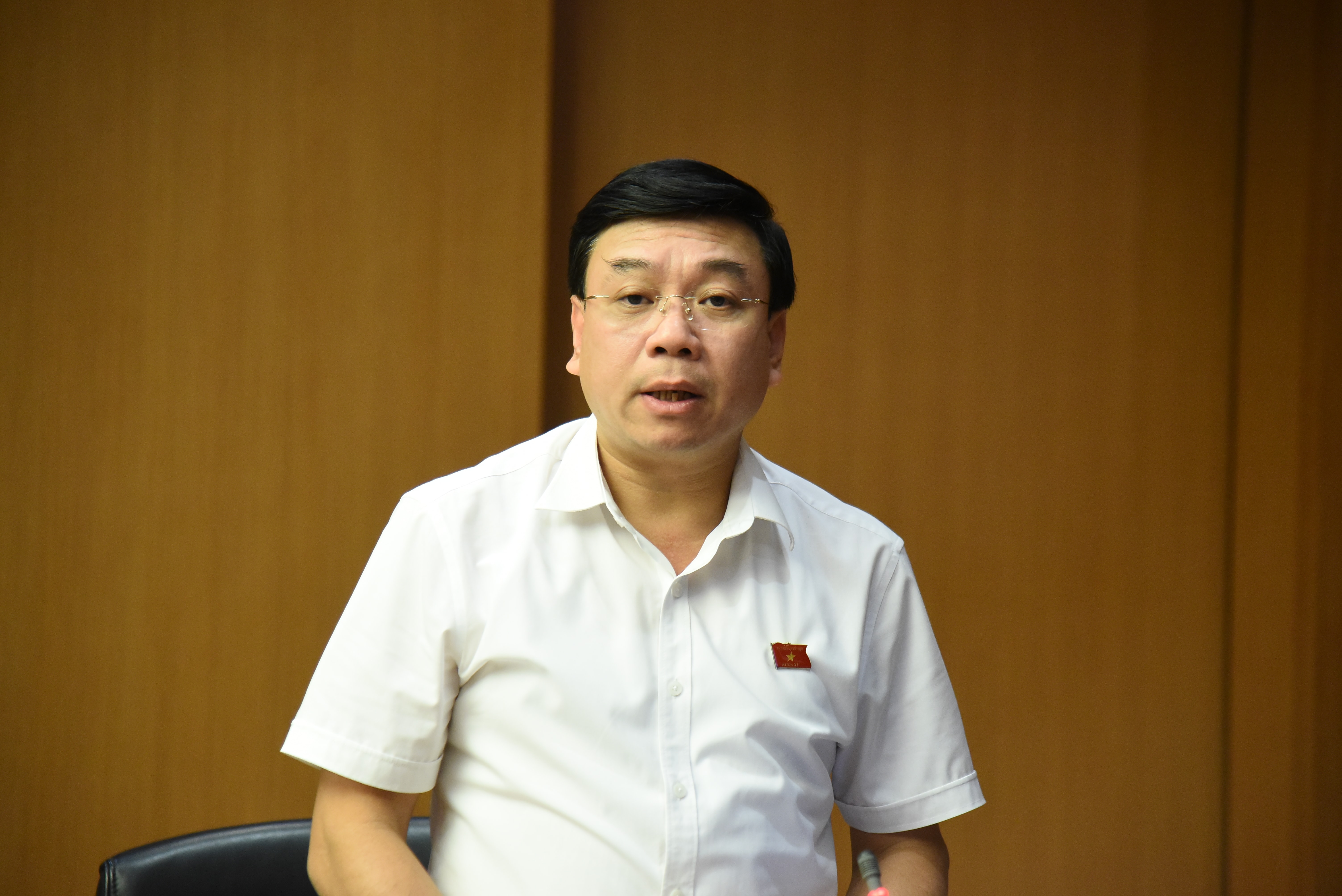
Regarding the list of state secrets, National Assembly Deputy Nguyen Van Manh (Phu Tho) stated that the draft Law clearly defines which contents fall under the category of state secrets, but it is necessary to further clarify these categories to avoid the situation where agencies and units abuse the system by stamping any document as confidential, such as official letters, conference programs, drafts, and socio-economic reports.
Regarding Article 11, which regulates the copying of documents and materials containing state secrets, Representative Nguyen Van Manh suggested that it should be stipulated that in specific cases, the head of an agency may delegate the authority to a deputy to decide on the right to copy documents and materials containing state secrets, in order to ensure flexibility and timeliness.
Article 23, regarding the regulations on the destruction of documents and materials containing state secrets, states in Clause 1 that one of the conditions for destruction is when the document is no longer necessary to be stored and its destruction does not affect national interests. According to the representative, it is necessary to simplify the procedures and processes related to the destruction of common classified documents such as drafts, reports, official letters, and programs once they are completed.
Source: https://daibieunhandan.vn/can-don-gian-cac-thu-tuc-quy-trinh-tieu-huy-tai-lieu-mat-thong-thuong-10393861.html


![[Photo] Prime Minister Pham Minh Chinh receives the Governor of Tochigi Province (Japan)](/_next/image?url=https%3A%2F%2Fvphoto.vietnam.vn%2Fthumb%2F1200x675%2Fvietnam%2Fresource%2FIMAGE%2F2025%2F12%2F16%2F1765892133176_dsc-8082-6425-jpg.webp&w=3840&q=75)
![[Photo] Prime Minister Pham Minh Chinh receives Lao Minister of Education and Sports Thongsalith Mangnormek](/_next/image?url=https%3A%2F%2Fvphoto.vietnam.vn%2Fthumb%2F1200x675%2Fvietnam%2Fresource%2FIMAGE%2F2025%2F12%2F16%2F1765876834721_dsc-7519-jpg.webp&w=3840&q=75)
![[Live] 2025 Community Action Awards Gala](/_next/image?url=https%3A%2F%2Fvphoto.vietnam.vn%2Fthumb%2F1200x675%2Fvietnam%2Fresource%2FIMAGE%2F2025%2F12%2F16%2F1765899631650_ndo_tr_z7334013144784-9f9fe10a6d63584c85aff40f2957c250-jpg.webp&w=3840&q=75)
![[Image] Leaked images ahead of the 2025 Community Action Awards gala.](/_next/image?url=https%3A%2F%2Fvphoto.vietnam.vn%2Fthumb%2F1200x675%2Fvietnam%2Fresource%2FIMAGE%2F2025%2F12%2F16%2F1765882828720_ndo_br_thiet-ke-chua-co-ten-45-png.webp&w=3840&q=75)



































































Comment (0)