

On April 25th, Da Nang Oncology Hospital, in collaboration with the Vietnam Cancer Society, K Hospital Hanoi , Ho Chi Minh City Oncology Hospital, and other cancer prevention and control facilities, organized the "6th Da Nang City Cancer Prevention and Control Conference - 2025," with the participation of over 700 domestic and international delegates.
The conference included one plenary session and 24 thematic sessions with 161 scientific reports.
Delegates and experts focused on discussing and exchanging information on the latest advances in cancer diagnosis, treatment, and prevention, such as the application of new technologies in diagnosis and early detection; advanced treatment methods (surgery, radiotherapy, chemotherapy, and immunotherapy); individualized treatment guidelines and palliative care for patients; and promoting cooperation and improving the effectiveness of cancer prevention and control in the community.
The conference also provided updates on modern treatment trends such as immunotherapy, targeted therapy, biosimilars, concurrent chemoradiotherapy, individualized treatment protocols, and multimodal therapy.
Numerous noteworthy scientific reports by experts from oncology hospitals, with real-world clinical data on the treatment of breast, lung, colorectal, liver, cervical, head and neck, urinary tract, and thyroid cancers.
In addition, the presenters also shared information and experiences in treating rare cases, updated guidelines on vaccination, toxicity control, improving quality of life, and comprehensive care for cancer patients.
Vice Chairman of the People's Committee of Ho Chi Minh City, Nguyen Thi Anh Thi, emphasized that this event is an opportunity for the Oncology Hospital and the city's health sector to access, learn, and promote the development of science and technology to enhance professional capacity, contributing to improving the quality of health protection and care for the people, bringing health and happiness to the community.
Over the years, Da Nang has made many commendable efforts in cancer prevention and control, from raising community awareness and implementing screening and early diagnosis programs to investing in medical facilities and equipment and training human resources.
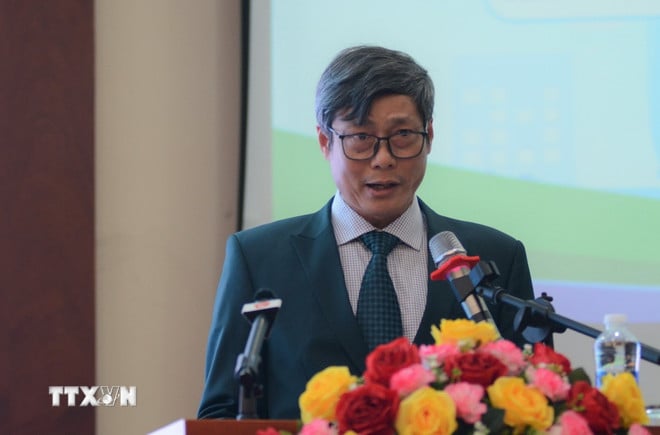
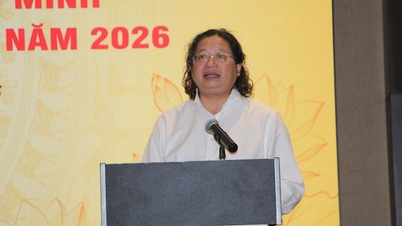
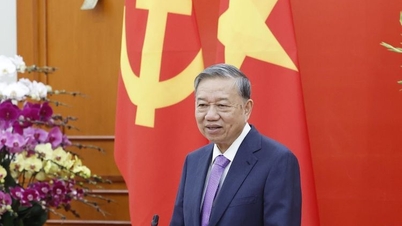
Dr. Nguyen Thanh Hung, Specialist II and Director of Da Nang Oncology Hospital, giving a speech. (Photo: Van Dung/VNA)
According to Nguyen Thanh Hung, Director of Da Nang Oncology Hospital, cancer treatment has made remarkable progress, especially with multimodal treatment methods, and this requires coordination and unification of many medical specialties.
Over the years, Da Nang Oncology Hospital has successfully applied many new and modern diagnostic and treatment methods, initially meeting the needs of the people of the city and the Central region in accessing and using high-quality medical examination and treatment services.
According to statistics from the International Cancer Registry (Globocan 2022), both cancer incidence and mortality rates worldwide are on the rise.
Each year in Vietnam, nearly 180,500 new cases are recorded, and more than 120,000 patients die from this disease.
With a total population of nearly 100 million, it is estimated that for every 100,000 people in Vietnam, 180 are newly diagnosed with cancer and 120 die from cancer.
The World Health Organization predicts that by 2040, the number of new cancer cases in Vietnam will increase by approximately 59.4%, and the number of cancer-related deaths will increase by approximately 70.3%.
Although Vietnam's new infection rate is not among the highest in the world, the mortality rate remains alarmingly high, reflecting the fact that many patients are detected at a late stage, reducing the effectiveness of treatment.
According to data from the national survey on the burden of disease in Vietnam, 74.3% of the disease burden is due to non-communicable diseases, with cancer being one of the top 10 causes of disease.
(VNA/Vietnam+)
Source: https://www.vietnamplus.vn/da-nang-ung-dung-cong-nghe-moi-trong-chan-doan-va-dieu-tri-ung-thu-post1034992.vnp


![[Photo] Prime Minister Pham Minh Chinh presides over the conference announcing the establishment of the International Finance Centre in Vietnam.](/_next/image?url=https%3A%2F%2Fvphoto.vietnam.vn%2Fthumb%2F1200x675%2Fvietnam%2Fresource%2FIMAGE%2F2025%2F12%2F21%2F1766309817714_ndo_br_dsc-3400-jpg.webp&w=3840&q=75)


![[Photo] Prime Minister Pham Minh Chinh presides over a meeting on private sector economic development.](/_next/image?url=https%3A%2F%2Fvphoto.vietnam.vn%2Fthumb%2F1200x675%2Fvietnam%2Fresource%2FIMAGE%2F2025%2F12%2F20%2F1766237501876_thiet-ke-chua-co-ten-40-png.webp&w=3840&q=75)






































































Comment (0)