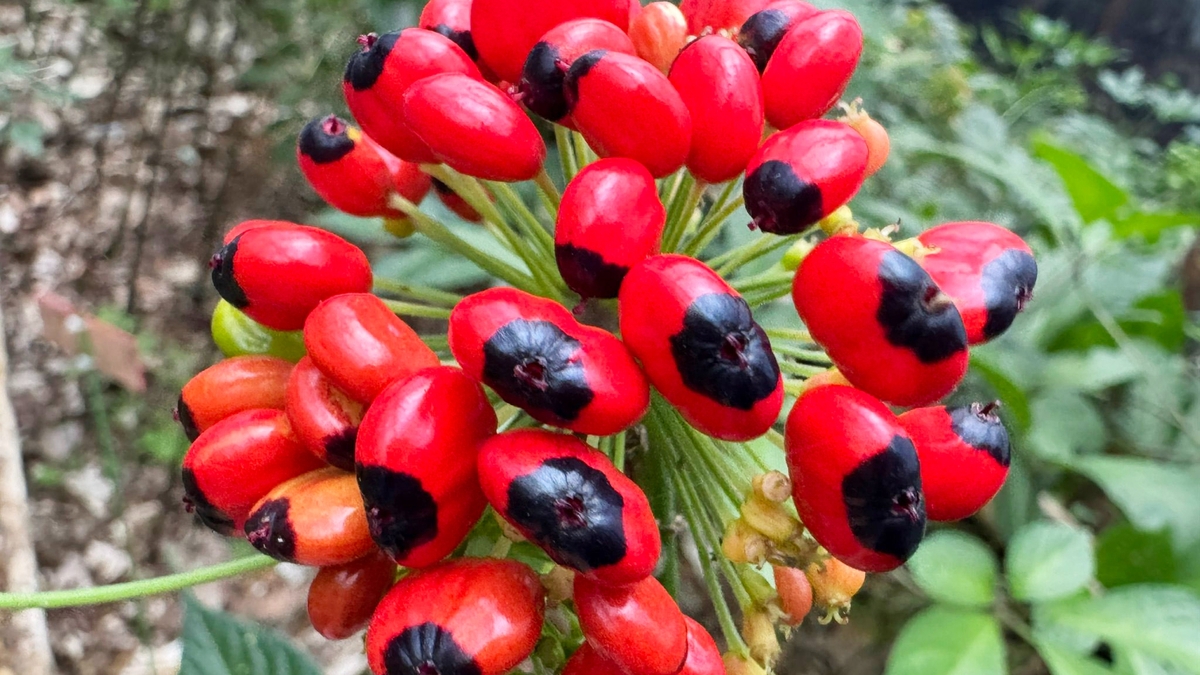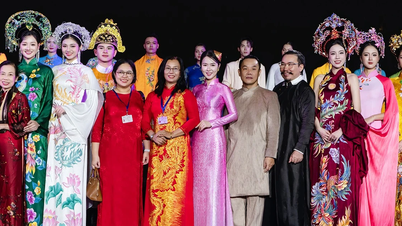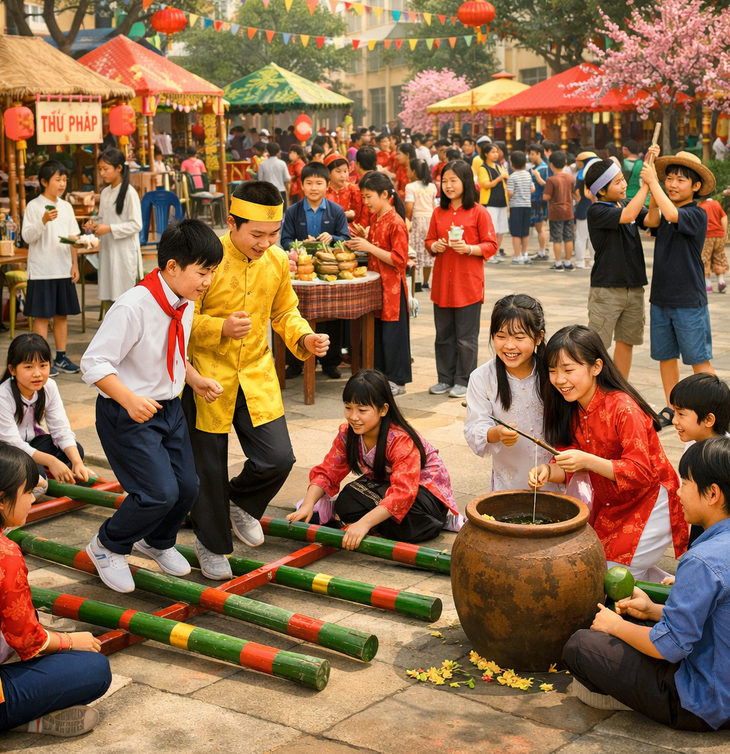
Spring festivals should be occasions for students to have fun and enjoy themselves freely, without discrimination between students who pay tuition and those who don't - Illustration: AI
Previously, because the school was collaborating with a tourism company to organize a spring festival, they announced that they would collect 270,000 VND from parents registering their children to participate.
And because the spring festival takes place on a normal school day, students who don't pay the fee will have to stay in class instead of wearing traditional Vietnamese clothing and participating in various games in the schoolyard.
After parents sent letters expressing their dissatisfaction, the school rectified the situation and refunded the money. Instead of hiring a travel company, the school organized the trip itself with the help of teachers and parents. The joy, though simpler, was shared equally among all the children.
Organizing Lunar New Year celebrations for children with activities such as fairs, folk games, making banh chung (traditional Vietnamese rice cakes), arranging fruit platters, or showcasing traditional costumes is a popular practice among many preschools and primary schools.
And the quickest and most effective way many schools find is to collect money from parents. Of course, collecting money from parents must be voluntary.


Sadly, however, despite "voluntarily" participating in an event that fostered unity and even cultural education , many children who "didn't pay" were excluded or treated unfairly and insensitively.
In Hanoi, there was once a situation where schools allowed classes to organize parties for students. The way each class organized the party varied depending on how the parent-teacher association of that class organized it and how much money was allocated.
One class decided to buy fried chicken for the students who "paid," while the students who "didn't pay" only got to eat candy and fruit. The offensive thing was that the students who got to eat fried chicken sat next to those who didn't in the same space during the party.
"Without contributions, there would be no funding" is the organizers' reasoning. However, if the priority is fairness in treating students before considering the format and scale of the event, schools and parent-teacher associations will understand that they need to "make do with what they have," ensuring that all students have fun.
This way, no children will feel left out, sad, or isolated on a joyous occasion.
In fact, many public schools – even those with limited budgets – can still organize joyful and even meaningful spring festivals, with students, parents, and teachers participating and contributing ideas, effort, and materials on a truly voluntary basis.
Teachers only suggest, guide, and support students in implementing their ideas, such as drawing pictures to raise funds for charity, designing lucky money envelopes, organizing traditional Tet stalls, performing arts, humorous skits, and folk games to celebrate Tet... This "economical" approach actually brings more joy and has more educational value.

The process of coordinating with event organizers and collecting fees from parents might seem straightforward and easier for managers, but it actually gives rise to sensitive issues.
We talk a lot about equality in education, about "happy schools," about "every day at school is a joyful day"... but with this approach, these aspirations remain far out of reach.
Source: https://tuoitre.vn/de-moi-hoc-sinh-deu-vui-20260211082559946.htm