

Mr. Manh Dung's family from Bac Ninh has just concluded their trip to Da Nang. Unlike previous years, he chose to travel by bus instead of plane, even though the journey took 12 hours, the ticket price was 1 million VND cheaper per person. This summer, Mr. Dung has another trip planned with friends and is considering his options given the rising domestic airfare prices.
"Traveling from North to South requires a different option because the high ticket prices will significantly increase costs for the whole family. The plan was to go to Phu Quoc, but after comparing it to Thailand, I found it much cheaper."
Domestic airfares are currently 30-70% higher than the same period last year, causing domestic tour prices to increase by 5-7%.
According to a survey by reporters, domestic airfares are currently 30-70% higher than the same period last year, causing domestic tour prices to increase by 5-7%. On some online ticket sales websites, a round-trip flight from Hanoi to Phu Quoc with convenient flight times costs up to 13 million VND, almost double the price of a flight to Bangkok, Thailand, equivalent to a package tour to Zhangjiajie, China. This has strongly impacted people's travel needs: "I was planning to go from Vinh to Buon Ma Thuot. To be honest, I want to fly because it's faster and more convenient, otherwise it's too far and difficult with a young child. I've given up on any travel plans."
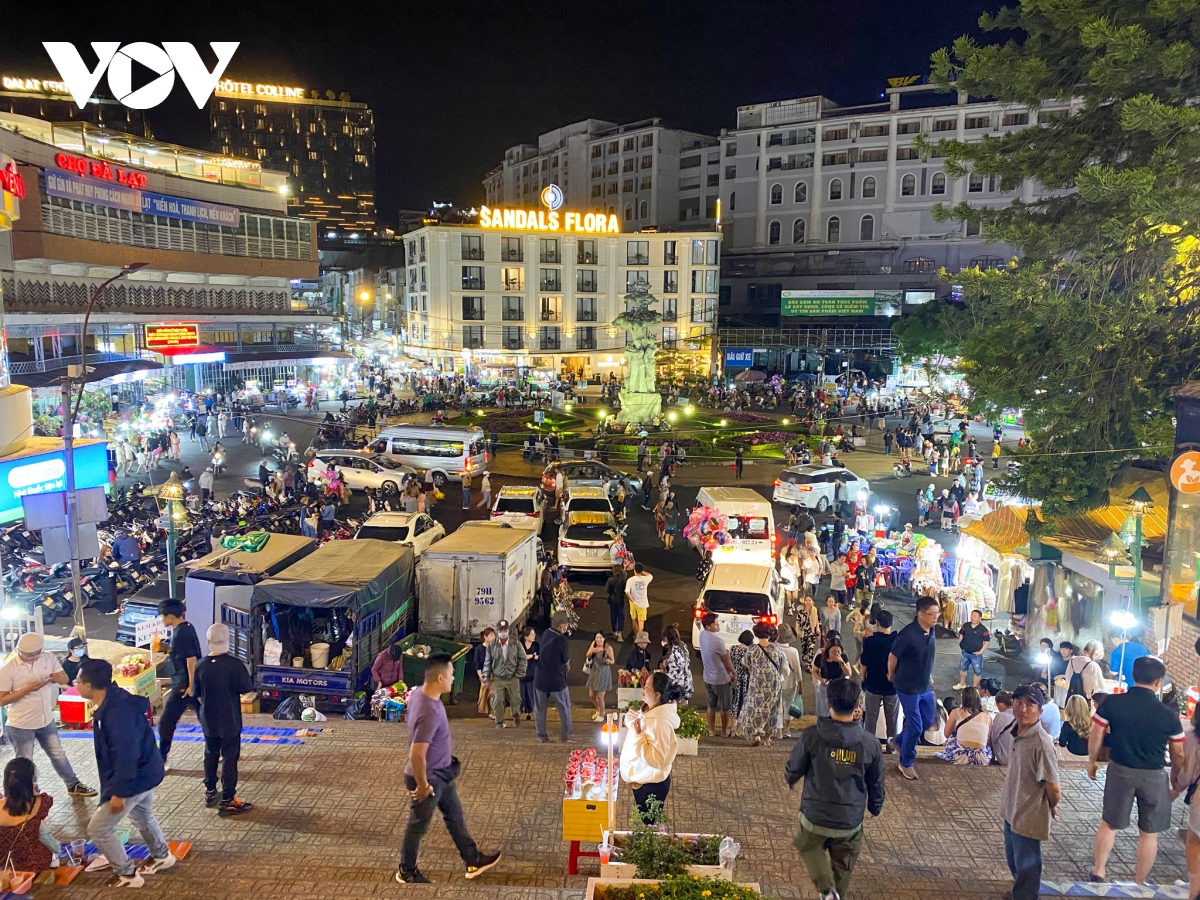
Not only the people but also travel companies have been significantly affected. Ms. Nguyen Thi Huyen, General Director of GBest Vietnam Joint Stock Company, said that the number of tourists going on overseas tours increased by about 20% compared to the same period last year, with package prices ranging from 10 to 25 million VND. However, the number of tourists going on domestic tours using air travel has decreased by as much as 40%.
"We are diversifying our products, providing advice on individual services to give travelers more suitable choices regarding flight routes, airlines, destinations, and some services that make up the price, such as hotels (star rating), destinations, entrance fees, etc.
In addition, we also collaborate with many travel agencies to offer the best prices for our customers. We also hope to see prices stabilize again as soon as possible, especially for air routes.
"We also hope for the involvement of local tourism agencies to implement good cooperation, using the number of tourists visiting the locality as a basis for increasing benefits for suppliers instead of high prices that reduce tourism demand," said Ms. Nguyen Thi Huyen.
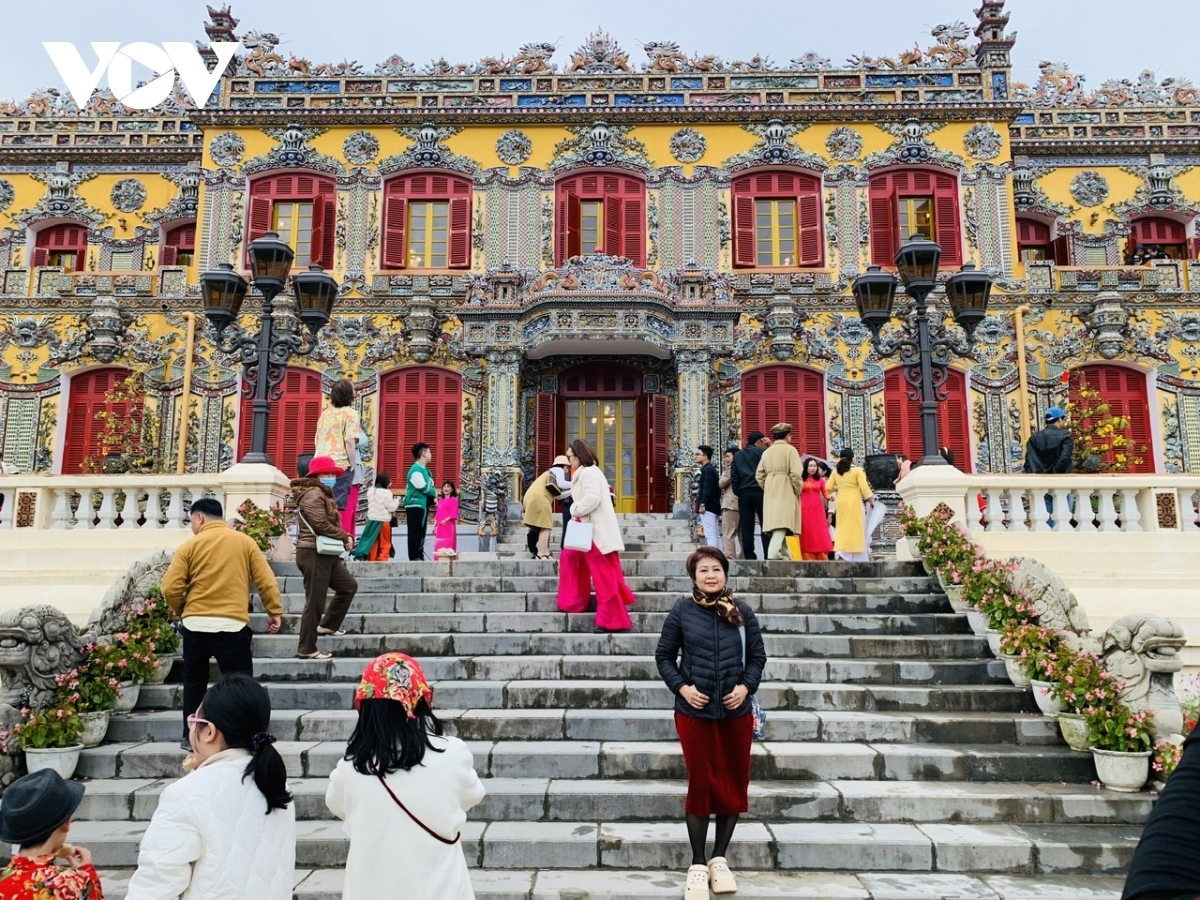
According to Associate Professor Dr. Nguyen Viet Thai, Head of the Hotel and Tourism Department at the University of Commerce, despite the high increase in airfares, the demand for travel remains very high (over 30% growth in the first quarter). This has led to changes in the market, with a tendency for the number of tourists to decrease at distant destinations but increase at nearby ones. The shift from air to road and rail transport will also pose a significant challenge to the already overloaded infrastructure and terminals at tourist destinations.
Associate Professor Dr. Nguyen Viet Thai believes that, in addition to addressing immediate issues, localities and businesses need to consider long-term solutions to sustainably stimulate domestic tourism: "First, tourism companies and localities must create attractive tourism products with unique features that suit the needs of each customer group to attract repeat visitors and create a ripple effect with other customer groups."
Secondly, we need to have linkages between localities and businesses. We have already done that, but the problem is translating awareness into action. There are businesses that are very enthusiastic about participating in the supply chain when there are no customers. However, when customer demand increases, they are ready to abandon it. There must be long-term linkages and strict adherence to regulations; there must be businesses leading those supply chains.
Thirdly, there's the communication and promotion of destinations. It's necessary to emphasize the uniqueness of each product and how it meets the needs of each target customer group. The key is that people need to know, hear, and see it."
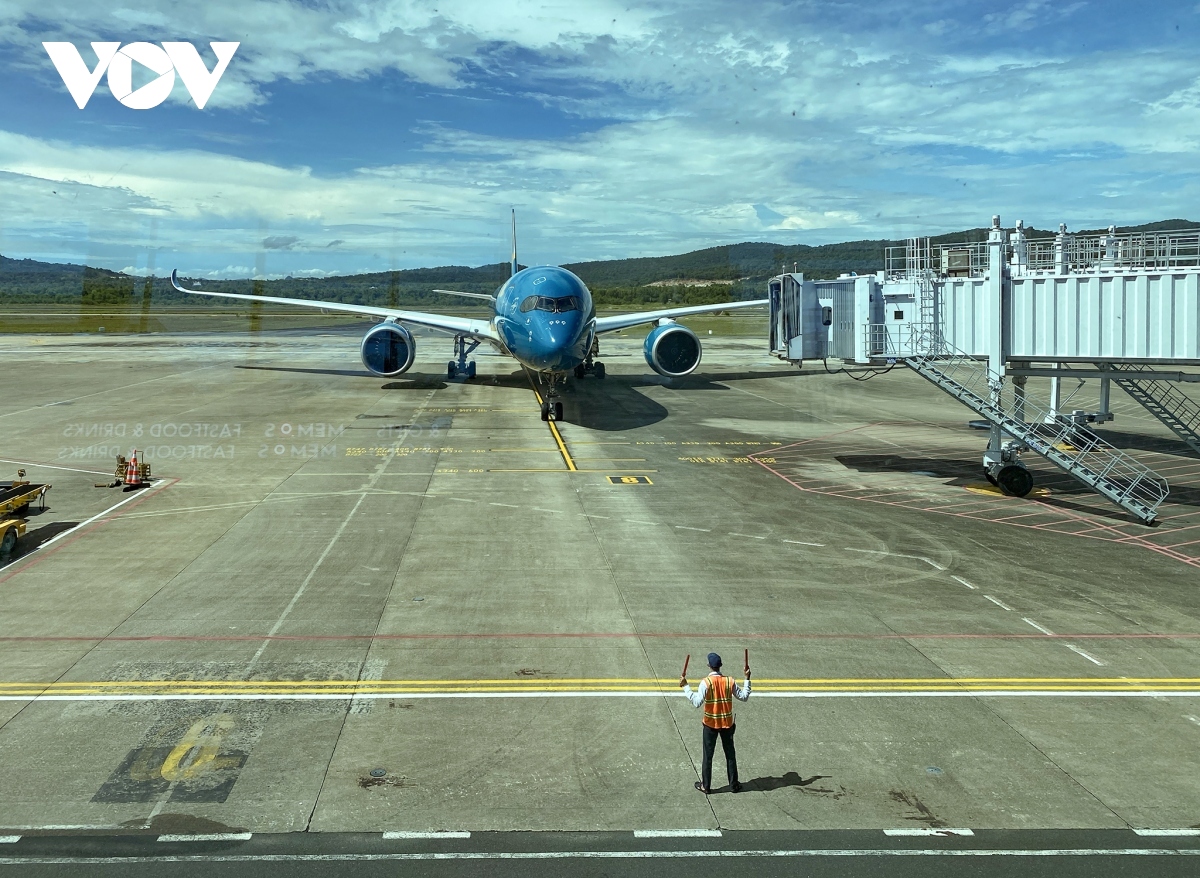
According to Mr. Phung Quang Thang, Chairman of the Hanoi Tourism Association, it is too late to talk about stimulating domestic tourism at this point. Promotional and marketing solutions need to be implemented systematically many months before the peak season. Therefore, forecasting is crucial to developing timely and appropriate solutions, especially since the tourism industry is always affected by many objective factors at different times.
"Tourists are always adjusting their trips to suit their budget. The current trend among tourists is to contact service providers directly at the destination. Therefore, solutions are needed from destination managers, requiring early forecasting and appropriate solutions."
"At times there are certain impacts, at other times there are different impacts. Therefore, we need to be extremely flexible in terms of tourist sources, destination promotion, and, further, risk management, to mitigate the impact of objective conditions on tourism activities," said Mr. Phung Quang Thang.
In 2024, in addition to the target of welcoming 18 million international tourists, the tourism industry also expects to serve 110 million domestic tourists. However, rising airfares are a major obstacle, as air travel costs can account for up to 50% of tour prices.
In the future, many other changes may occur, affecting the goal of stimulating domestic tourism. Therefore, it is necessary to improve the linkages in the tourism value chain soon so that tourism truly becomes a key economic sector.
Source

![[Image] The tenacious fighting spirit of Vietnamese women's football](/_next/image?url=https%3A%2F%2Fvphoto.vietnam.vn%2Fthumb%2F1200x675%2Fvietnam%2Fresource%2FIMAGE%2F2025%2F12%2F17%2F1765990260956_ndo_br_4224760955870434771-copy-jpg.webp&w=3840&q=75)
![[Photo] Prime Minister Pham Minh Chinh receives the Governor of Tochigi Province (Japan)](/_next/image?url=https%3A%2F%2Fvphoto.vietnam.vn%2Fthumb%2F1200x675%2Fvietnam%2Fresource%2FIMAGE%2F2025%2F12%2F16%2F1765892133176_dsc-8082-6425-jpg.webp&w=3840&q=75)
![[Live] 2025 Community Action Awards Gala](/_next/image?url=https%3A%2F%2Fvphoto.vietnam.vn%2Fthumb%2F1200x675%2Fvietnam%2Fresource%2FIMAGE%2F2025%2F12%2F16%2F1765899631650_ndo_tr_z7334013144784-9f9fe10a6d63584c85aff40f2957c250-jpg.webp&w=3840&q=75)
![[Image] Leaked images ahead of the 2025 Community Action Awards gala.](/_next/image?url=https%3A%2F%2Fvphoto.vietnam.vn%2Fthumb%2F1200x675%2Fvietnam%2Fresource%2FIMAGE%2F2025%2F12%2F16%2F1765882828720_ndo_br_thiet-ke-chua-co-ten-45-png.webp&w=3840&q=75)
![[Photo] Prime Minister Pham Minh Chinh receives Lao Minister of Education and Sports Thongsalith Mangnormek](/_next/image?url=https%3A%2F%2Fvphoto.vietnam.vn%2Fthumb%2F1200x675%2Fvietnam%2Fresource%2FIMAGE%2F2025%2F12%2F16%2F1765876834721_dsc-7519-jpg.webp&w=3840&q=75)













































![[Live] Closing Ceremony and Award Presentation for the "Impressive Vietnam Tourism" Video/Clip Creation Contest 2025](https://vphoto.vietnam.vn/thumb/402x226/vietnam/resource/IMAGE/2025/12/17/1765974650260_z7273498850699-00d2fd6b0972cb39494cfa2559bf85ac-1765959338756946072104-627-0-1338-1138-crop-1765959347256801551121.jpeg)

















Comment (0)