

Cultural bridge
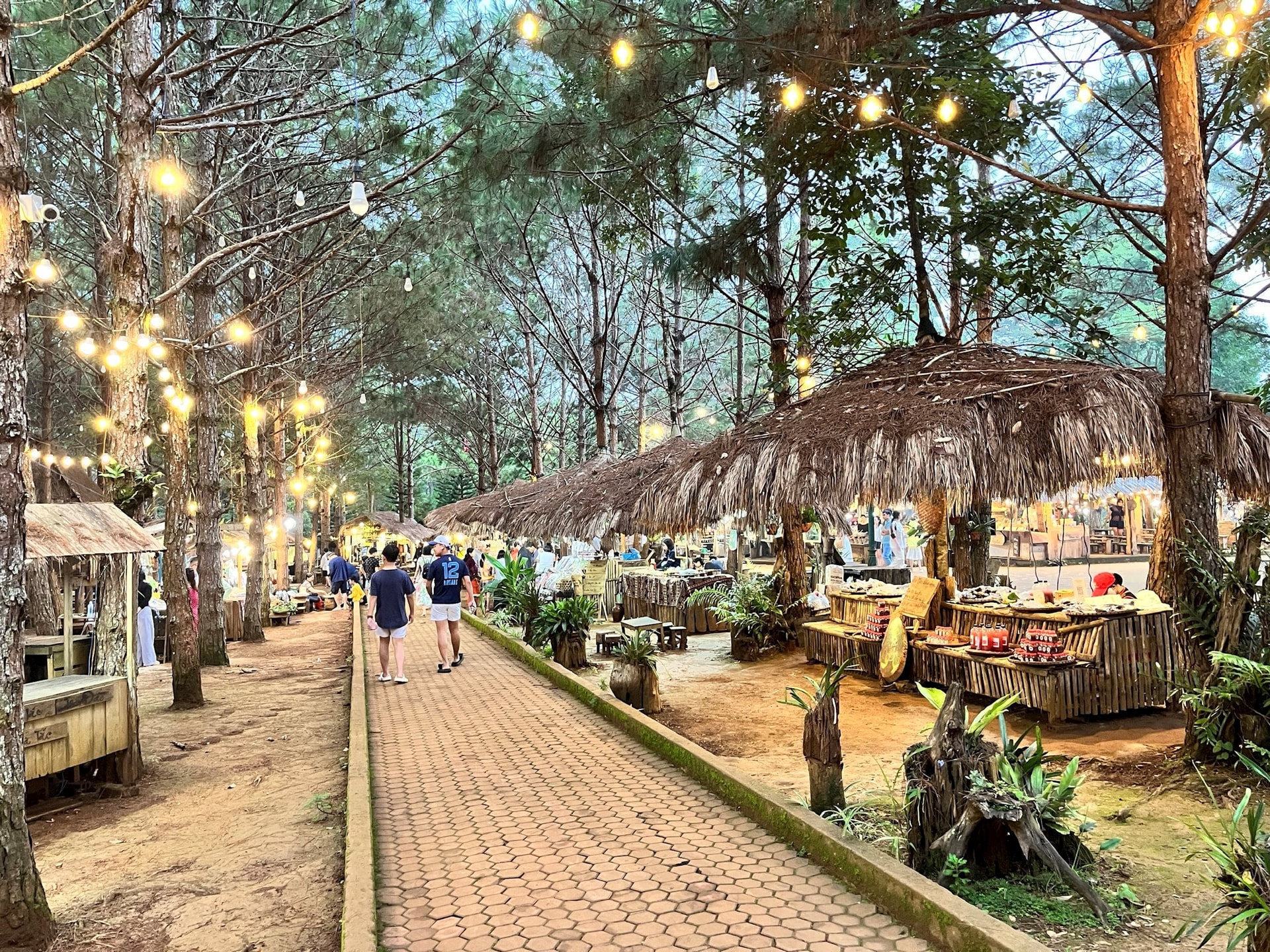
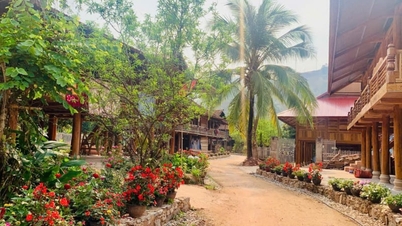
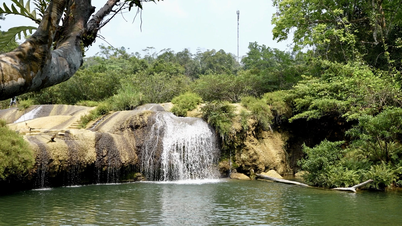
Once a small town in the former Kon Tum province, situated at an altitude of 1,200 meters above sea level, Mang Den is quite peaceful, surrounded by vast primeval forests, with lush green pine forests stretching as far as the eye can see. Having had the opportunity to experience this unspoiled land, I felt the friendliness and hospitality of the local people, mostly indigenous ethnic groups, who were always willing to share stories about their land, their unique culture, and traditional festivals.
My family initially chose Mang Den as our destination simply because we liked the cool, fresh air and the unspoiled natural beauty of the mountains and forests. However, after spending our vacation there, what truly stood out was the unique Mang Den market. Although it has only been operating for nearly two years, this market is more than just a place for buying and selling; it's a vibrant cultural bridge connecting ethnic traditions with modern life, offering visitors unforgettable experiences.
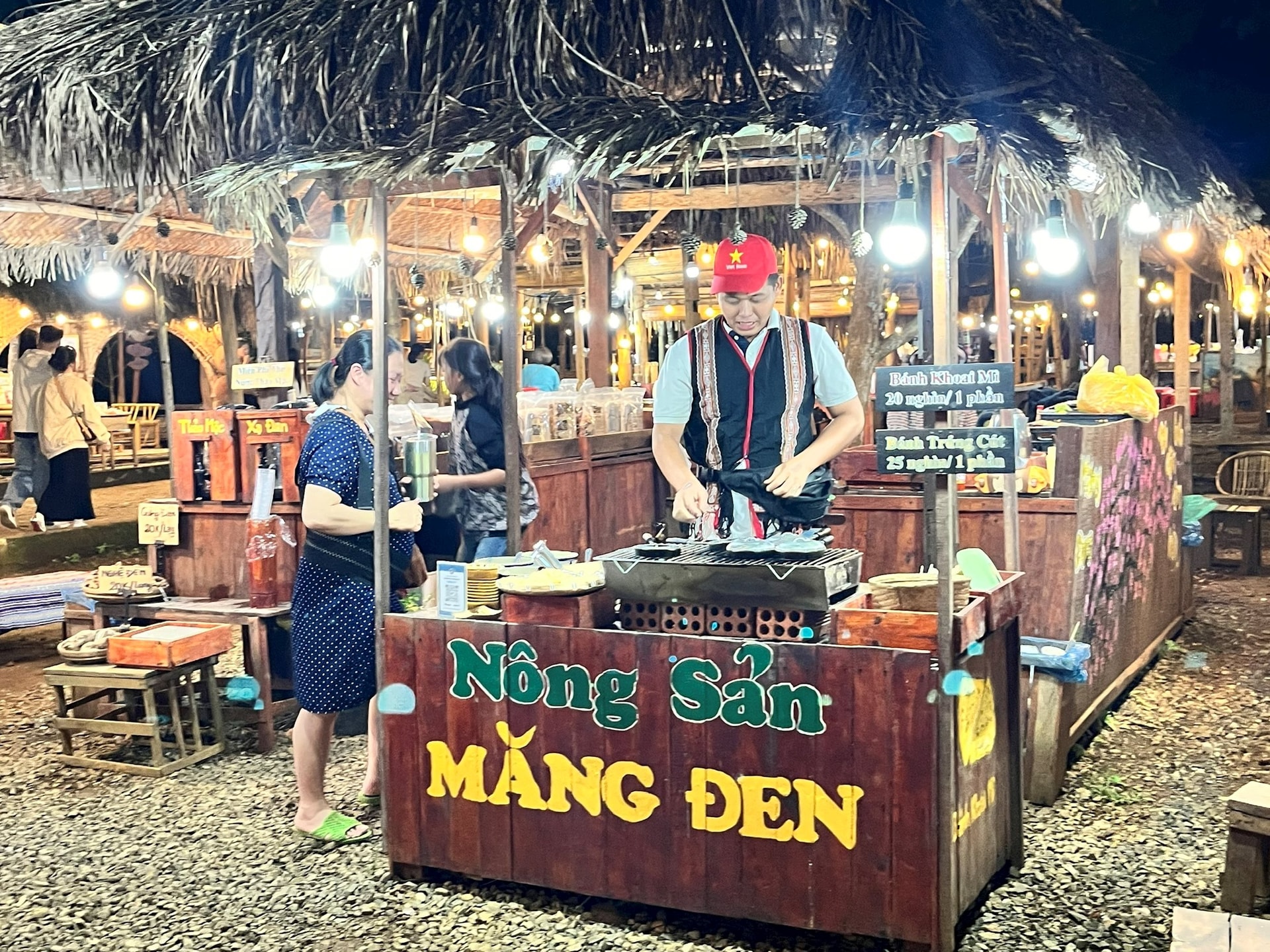
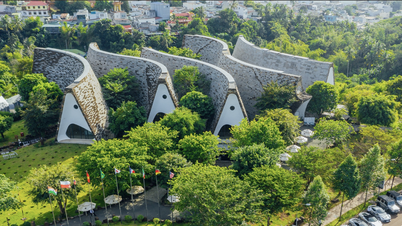
Located in the central square under the canopy of lush green pine trees, the market opens from Friday afternoon to Sunday noon, creating a bustling scene in this peaceful town and attracting thousands of visitors every weekend. The market features about 30 harmoniously designed stalls, mostly made from bamboo, rattan, and wood, decorated in the distinctive style of the Central Highlands, creating a space rich in tradition and close to nature.
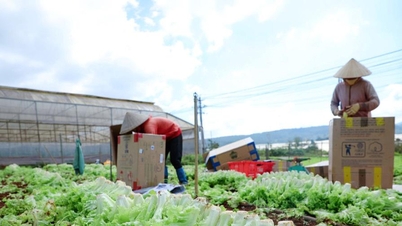
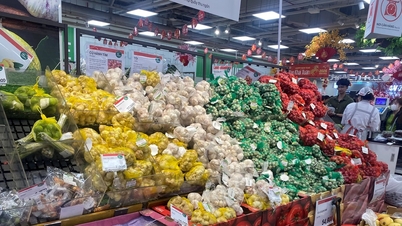
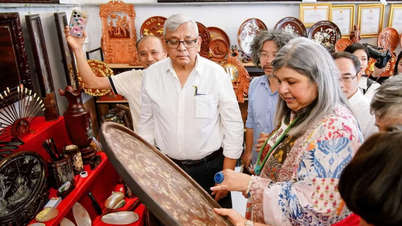
The biggest advantage of this market is that it focuses on displaying and introducing the province's OCOP (One Commune One Product) products, specialties grown or harvested from nature by the local people, without mixing them with other goods, clothing, household items, etc., unlike markets in many other provinces and cities. Therefore, at the market, tourists can learn more about medicinal products such as: ginseng, Ganoderma lucidum, Ganoderma lucidum, Angelica sinensis, forest honey, black ginger, bamboo shoots, wild myrtle, various clean vegetables, roots, and fruits, souvenirs made from brocade... All are sold with clear origins, reasonable prices, and the genuine and honest sales attitude of the Mơ Nâm and Xơ Đăng ethnic people.
Unique cuisine
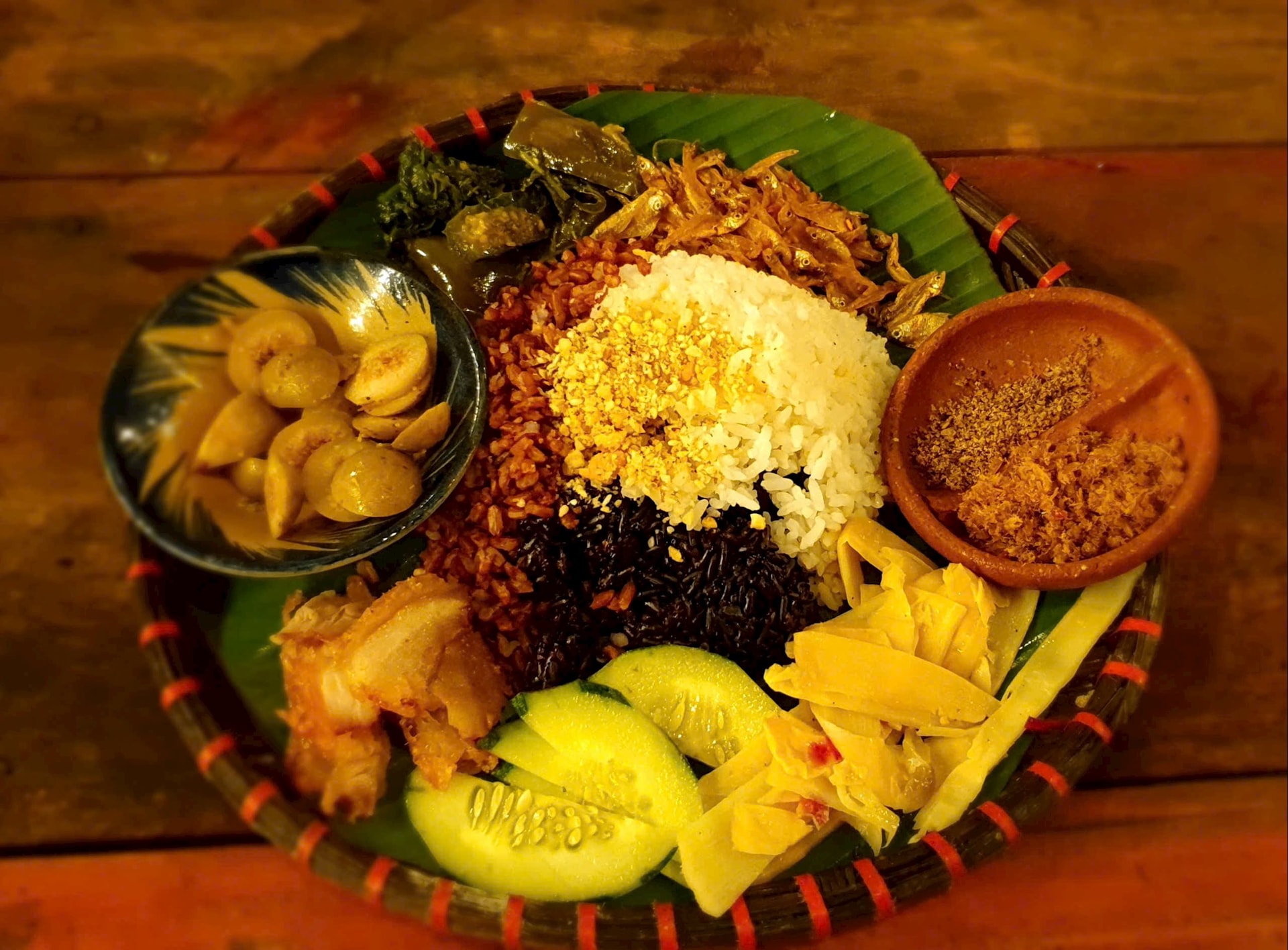
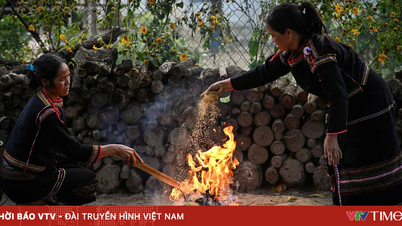
What makes it so special is the harmonious blend of local cuisine , products, and culture. Beyond sightseeing and shopping, we could also indulge in many dishes that reflect the unique cultural identity of the local people, such as: grilled village pork, grilled fish, village rice made with sticky rice grown by the locals, grilled wild chicken with bamboo rice, smoked buffalo meat, and kơ nia seeds – a unique seed found only in this highland region...
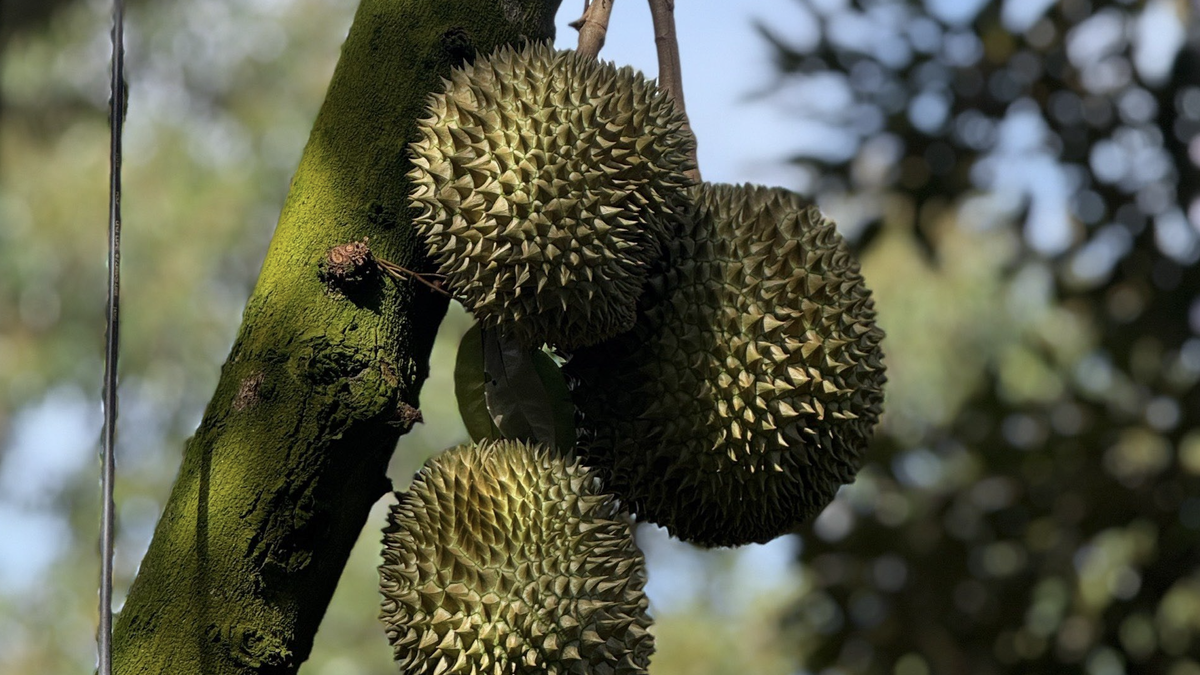
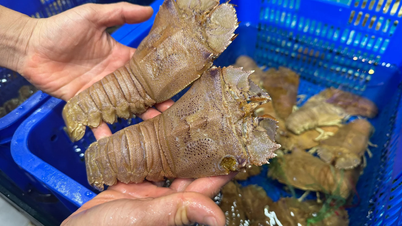
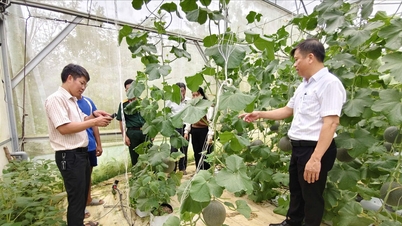
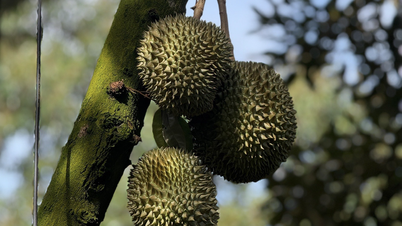
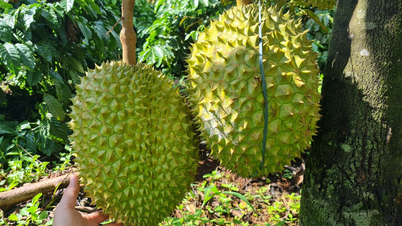
In addition, visitors can admire swan gourds – a difficult-to-grow but highly nutritious fruit in this region, or fresh catfish from the rivers and streams, which are also "specialties" hard to find in other provinces.
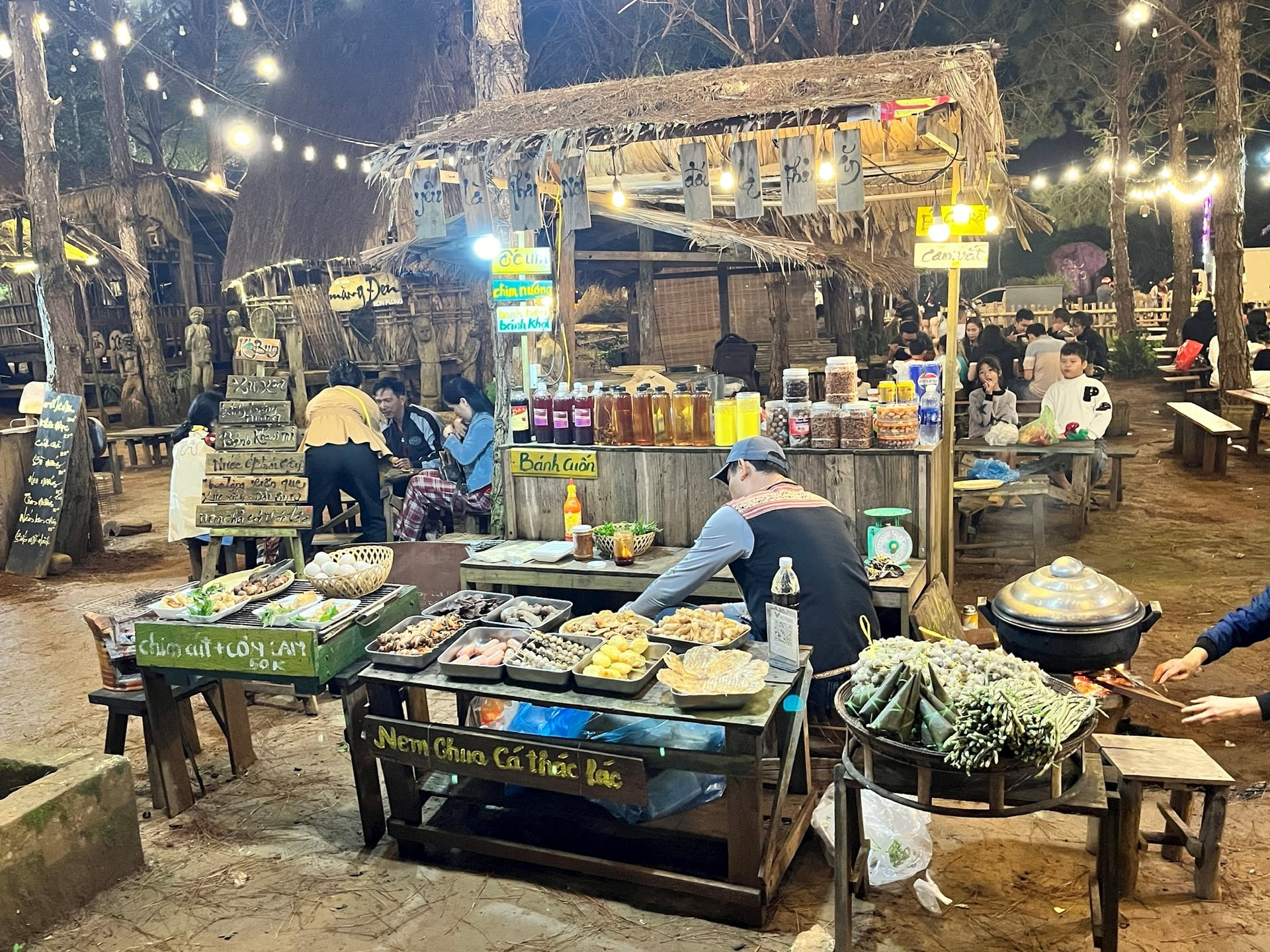
The local market is not only a place to display characteristic products and promote local goods, but also a place for economic connection, exchange, and expansion of market development opportunities. Tourist Nguyen Anh Thu from Ho Chi Minh City shared: “This is my third time returning to Mang Den. Although it's just a small town, each visit is a new experience. Every time I come, I always visit the local market because the atmosphere here is like a miniature painting of life in the highlands, where nature and people create a colorful interplay. Most of the food at the market is delicious, suits my taste, and is quite affordable.”
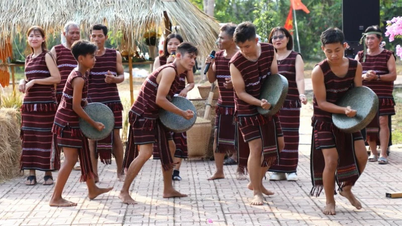
At the market, we were immersed in a vibrant atmosphere, admiring lively gong and drum dances, listening to the T'rưng instrument, and enjoying the powerful voices of local artists. Depending on the weather and time, the market also organizes many community activities and cultural exchanges, giving visitors the opportunity to gain a deeper understanding of the lives of the ethnic people here and have a unique experience of the Central Highlands region rich in ethnic identity.
Source: https://baolamdong.vn/kham-pha-cho-phien-doc-dao-o-mang-den-392428.html







































































Comment (0)