


With an average lifespan of 25-30 years, a large proportion of wind turbines worldwide are nearing the end of their service life. Disposing of decommissioned wind turbines poses a significant challenge in terms of minimizing environmental impact.
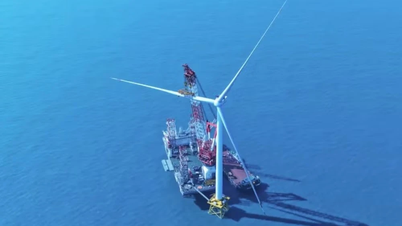
The world's first wind farm was built in New Hampshire, USA, in 1980. This was followed by the first offshore wind farm in Vindeby, Denmark (1991). The first onshore wind farm was in Cornwall, England (1991). Since then, wind turbines have been installed all over the world and are considered an important part of the green transition solution.
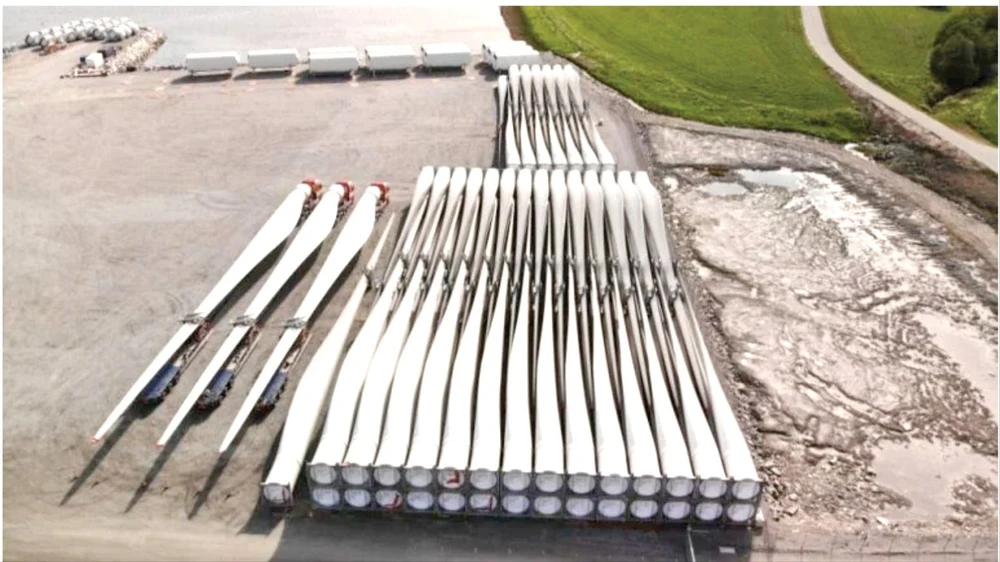
GlobalData, a consulting and analysis organization, estimates that there are currently over 329,000 turbines operating worldwide, with nearly 200,000 more under construction. To date, more than 12,600 turbines have been decommissioned, and this number is expected to increase rapidly.
The primary material in wind turbines is steel, used for the tower, casing, and foundation, accounting for 66%-79% of the structural material. Iron or cast iron accounts for 5%-17% and is used for the internal components of the casing; while copper, accounting for 1%, is used for the wiring throughout the turbine.
According to GlobalData analyst Harminder Singh, turbine blades made from fiberglass-reinforced composite materials account for 11%-16% of the turbine. To shut down a wind turbine, permits and approvals from relevant authorities and stakeholders are required.
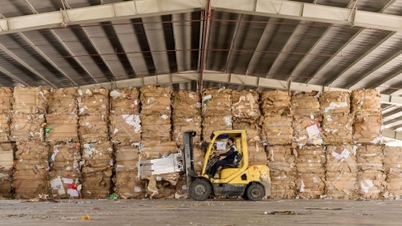
After decommissioning, some of the project's infrastructure, such as overhead lines, underground lines, and substations, can be reused. The turbine blades, casings, or housings for power generation components and the towers are completely removed from the site… The turbine foundations are dismantled so the land can be reused for agricultural purposes. Most of the turbine components, such as concrete and metal, are sent to recycling plants, while many components, such as the blades, are disposed of in landfills.
Up to 95% of the materials in wind turbines, such as steel, aluminum, and copper, are recyclable. However, fiberglass and epoxy resin coatings on the blades are almost impossible to separate from the other materials. Previously, wind turbine blades, which are often over 30 meters long, were typically disposed of in landfills.
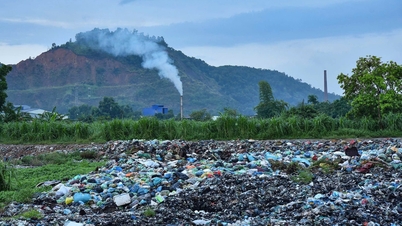
In the US, decommissioned wind turbine blades are mostly sent to a few landfills in Iowa, South Dakota, or Wyoming. However, this option is becoming increasingly less viable as several countries, particularly Germany and the Netherlands, have banned this practice.
According to Energy Monitor, with 800,000 tons of turbine blades being dumped in landfills annually, the wind industry is facing an environmental problem. Meanwhile, the EU's Waste Management Framework Directive, which designates landfills as the "least preferred waste management option," calls for prevention and preparation for reuse, recycling, and recovery.
Analysts suggest that the sustainable disposal of composite wind turbine waste will present opportunities for innovators. The rotor bars and blades can be crushed for use as fuel in cement plants or as fillers in construction. Solutions for reusing blades in playgrounds or bike sheds have also proven effective at the local level…
HANH CHI
Source





![[Photo] Prime Minister Pham Minh Chinh visits and extends New Year greetings to former Party and State leaders and offers incense to the esteemed predecessors.](https://vphoto.vietnam.vn/thumb/1200x675/vietnam/resource/IMAGE/2026/02/14/1771078465521_dsc-2411-jpg.webp)

























































































Comment (0)