

That is the story of Miza Joint Stock Company - where seemingly lifeless scraps of paper are given a new life, creating a sustainable circular ecosystem, bringing dual benefits to the environment, economy and society.
Forgotten "gold mines" and environmental pain
One winter morning in a village on the outskirts of Hanoi , when the fog had not yet completely cleared, the hustle and bustle of work life had begun. At the scrap collection points, freelance workers were still diligently sorting each old newspaper and each crumpled cardboard box that had been thrown away after completing their mission of wrapping goods.
In the eyes of most people, it is trash - something that needs to be quickly thrown away from a clean house. But in the minds of collectors, it is "bread and butter". And on a larger scale, it is a wasted resource.
Vietnam, a country on the path of strong industrialization, is facing the downside of growth: Waste . The telling statistics have shown an alarming reality. Every year, the whole country throws away about 6.8 million tons of paper of all kinds. However, the paradox is that only more than 55% of it is recovered and recycled.
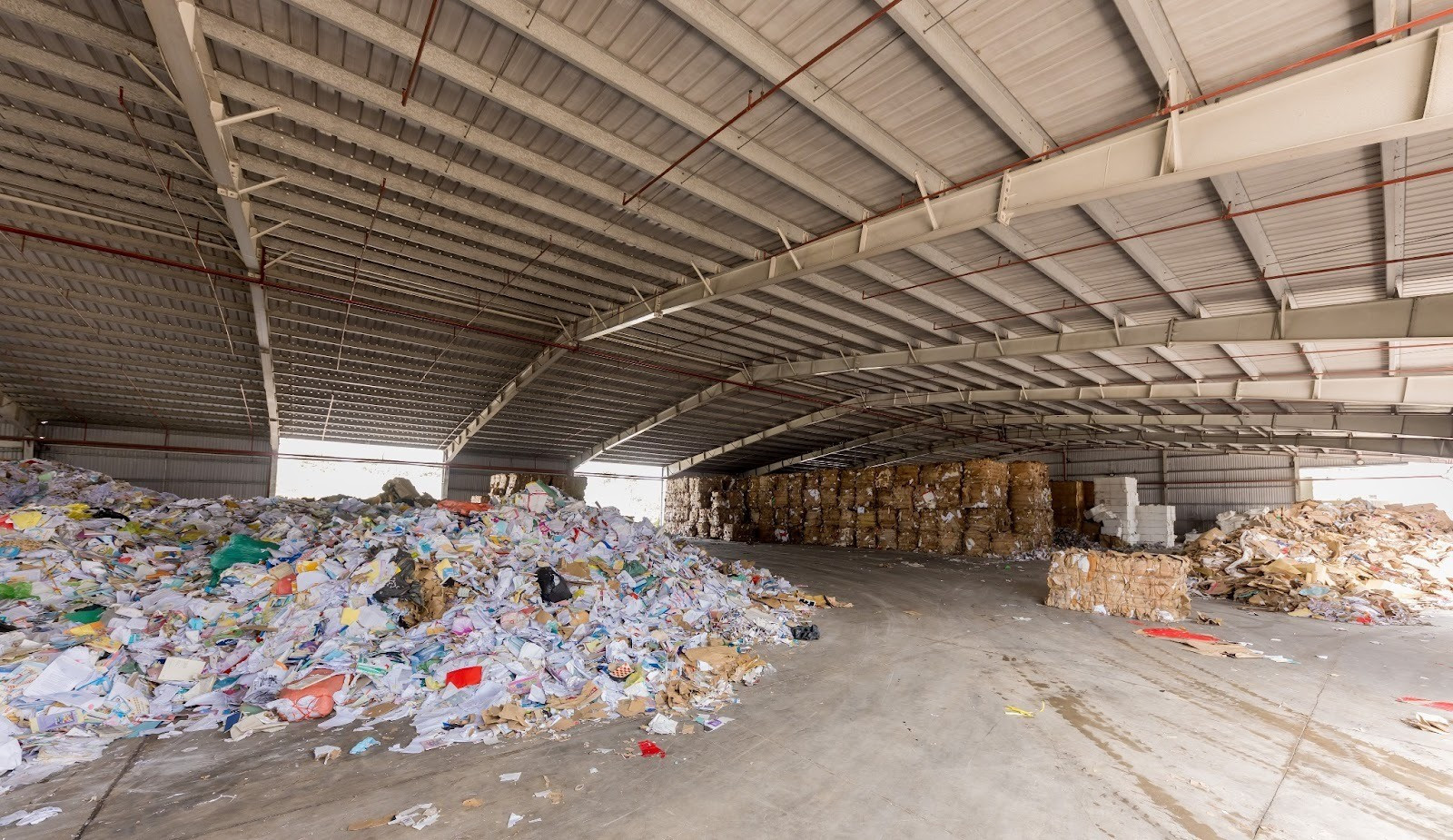
Hundreds of tons of waste paper are collected at Miza every day.
So where is the remaining 45% – millions of tons of paper –? The answer lies in huge landfills, where they decompose and pollute the soil and groundwater; or incinerated, creating smoke and toxic emissions. Meanwhile, to get paper to use, the traditional paper industry still has to cut down natural forests to get virgin pulp. Producing paper from new wood not only consumes tens of thousands of liters of clean water but also emits large amounts of greenhouse gases, contributing to worsening climate change.
It was from the concern of the paradox of "both excess waste and lack of resources" that in 2010, the founders of Miza decided to embark on a thorny but meaningful path: Building a circular economic model in the paper industry.
Miza - From bold ideas to realizing green aspirations
"We not only saw the urgent environmental problem, but also realized the opportunity to create real value from seemingly discarded pieces of paper," said Doan Phan Duy, the manager of the Miza project, about the early days of starting the business.
More than a decade ago, the concept of "Circular Economy" in Vietnam was still an unfamiliar term, mainly found in research papers rather than in actual production. Linear production thinking (Exploitation - Production - Disposal) still dominated. Miza's choice to go upstream, using waste as input material, was considered a brave decision.
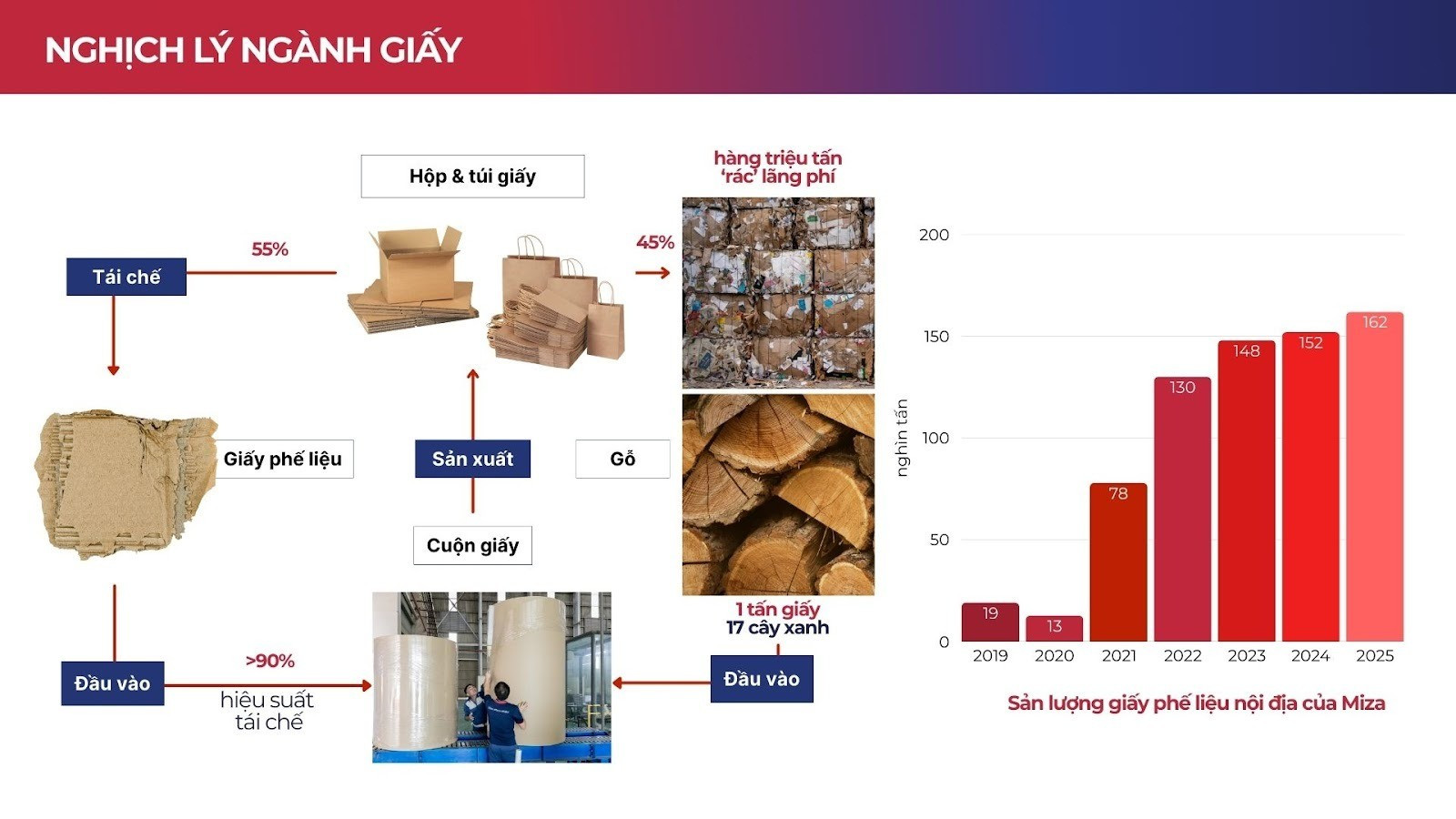
Circular economy model in the paper industry.
Miza's original idea was simple but contained a profound philosophy: Collect waste paper from the community, use technology to recycle them into high-quality paper for the packaging and printing industry, and at the same time create sustainable livelihoods for the disadvantaged in society.
Miza’s journey of more than 15 years has not been a straight path of roses. From the first production line with a modest capacity of 7,500 tons of products/year in 2010, the Miza team had to overcome countless challenges in terms of capital, processing technology and changing consumer habits.
But with a steadfast vision, they have grown step by step. Up to now, with the expansion of the new factory in Nghi Son and the upgrade of the Dong Anh factory, Miza has owned 3 production lines with a total capacity of up to 200,000 tons/year, becoming one of the leading birds in the field of paper recycling in the North and Vietnam.
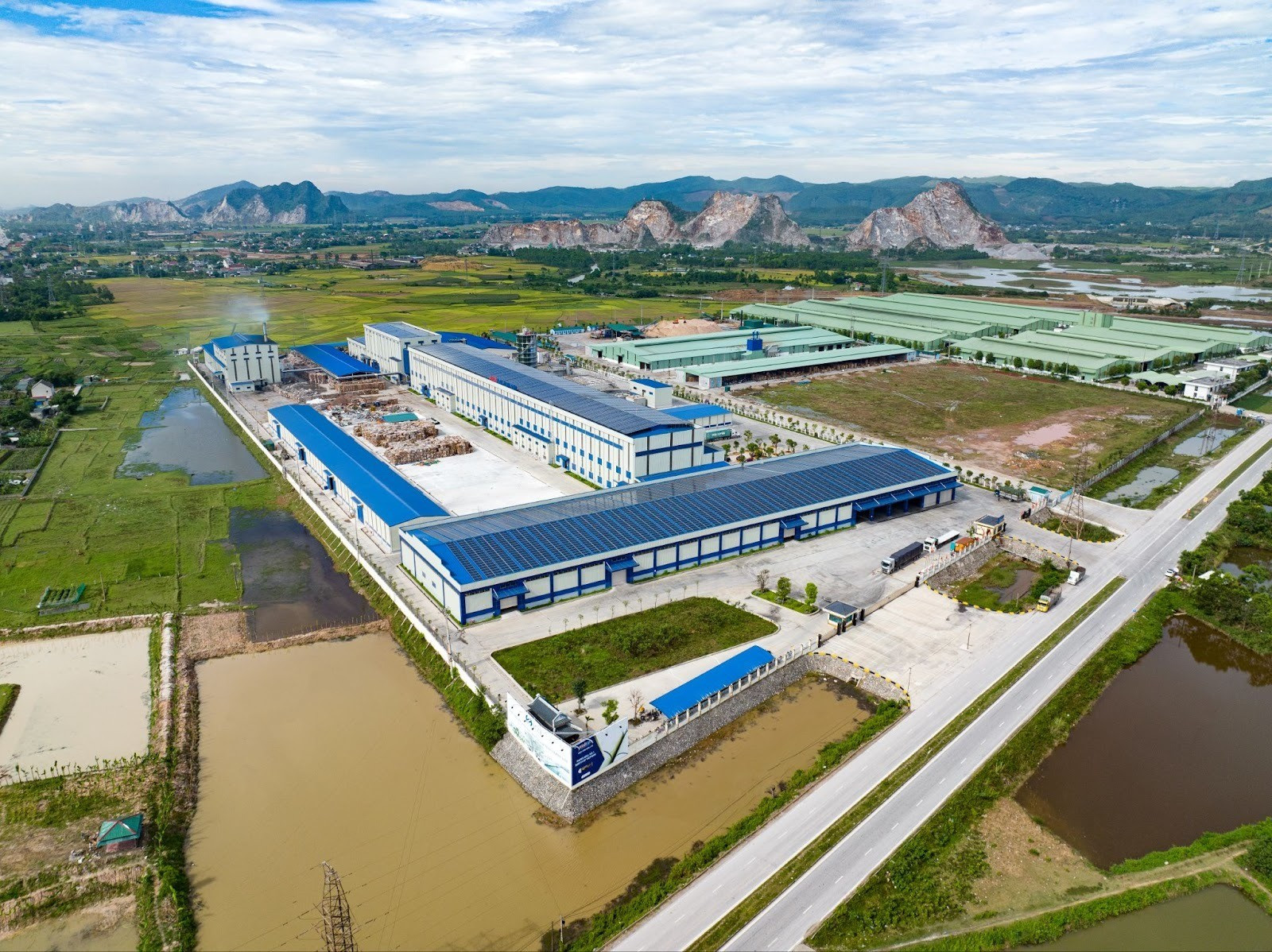
Miza Nghi Son factory in Thanh Hoa with a capacity of 125,000 tons/year.
Pioneering Technology - The Key to Circulation
Many people still mistakenly believe that paper recycling is a manual, dirty and polluting process. Miza has shattered that stereotype by investing heavily in modern technology that is standard in the paper recycling industry.
At Miza's factories, the production process is not simply grinding old paper into new paper. It is a high-tech complex managed by a 100% automated DCS (Distributed Control System). This system allows for strict control of all technical parameters, ensuring consistent output paper quality, meeting the strict standards of Kraftliner, Testliner and Medium paper lines - important input materials for the export packaging industry.
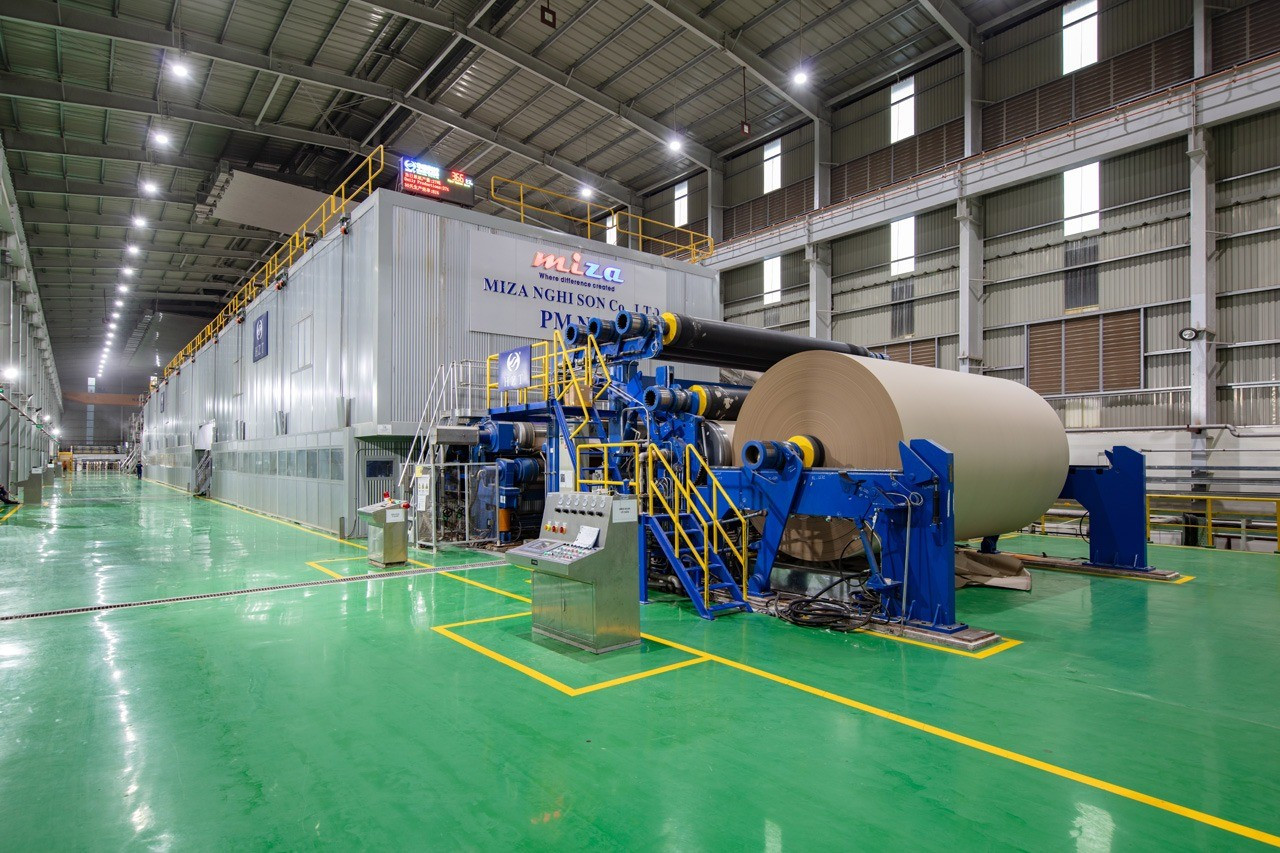
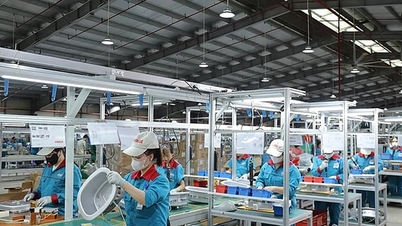
Miza's synchronized and automated recycled paper production line.
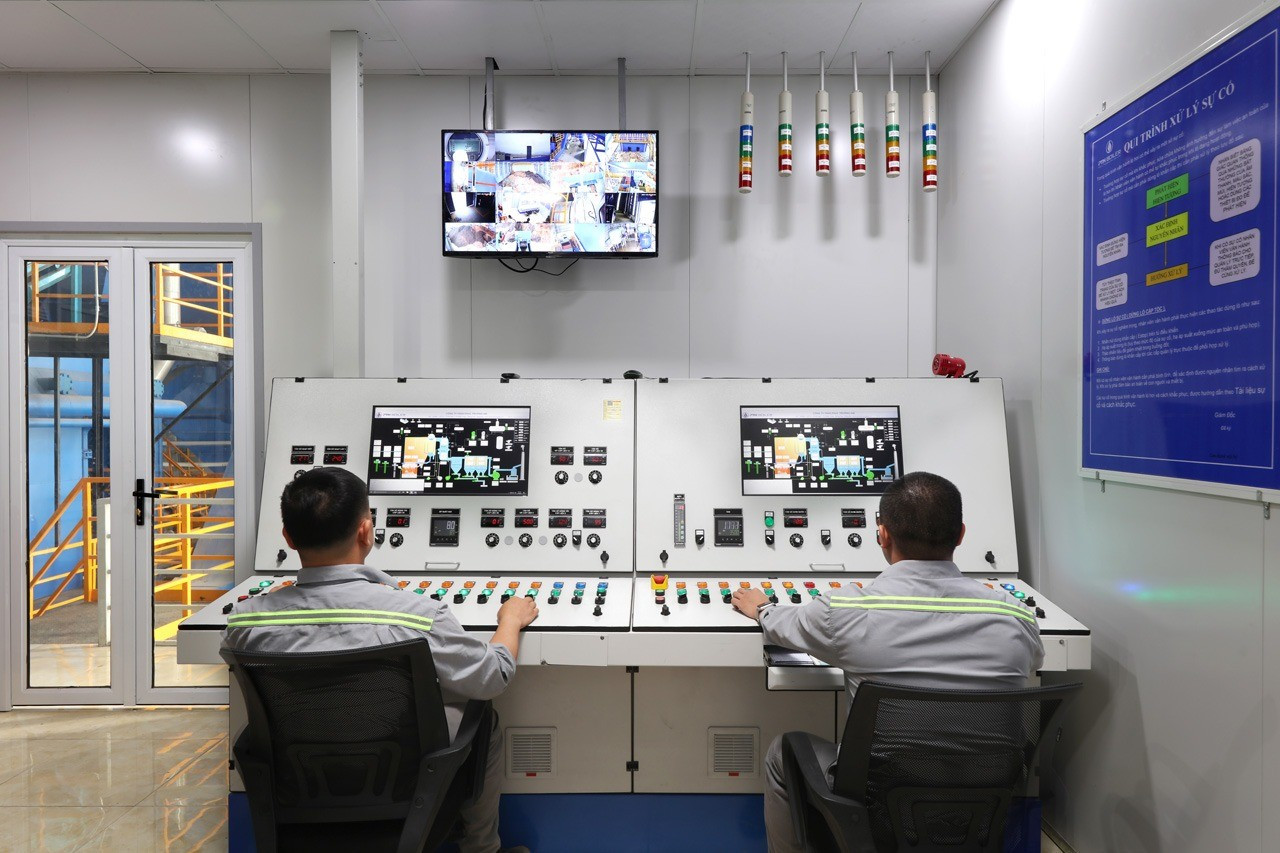
Strict production process control system.
However, the biggest highlight of Miza's technology is not the product, but the environmental treatment process. Mr. Doan Phan Duy proudly said: "Our model is designed to not waste anything. Solid waste from the paper recycling process has a reuse rate of up to 95%".
Specifically, Miza's "green" process works as follows:
Wastewater: This is the most pressing issue in the paper industry. Miza has invested in a modern wastewater treatment system with a total volume of 12,000m³, applying advanced flotation and deinking technology. The treated wastewater meets column A standards according to Vietnamese regulations, and more importantly, the recirculation technology allows up to 50% of this water to be reused for production.
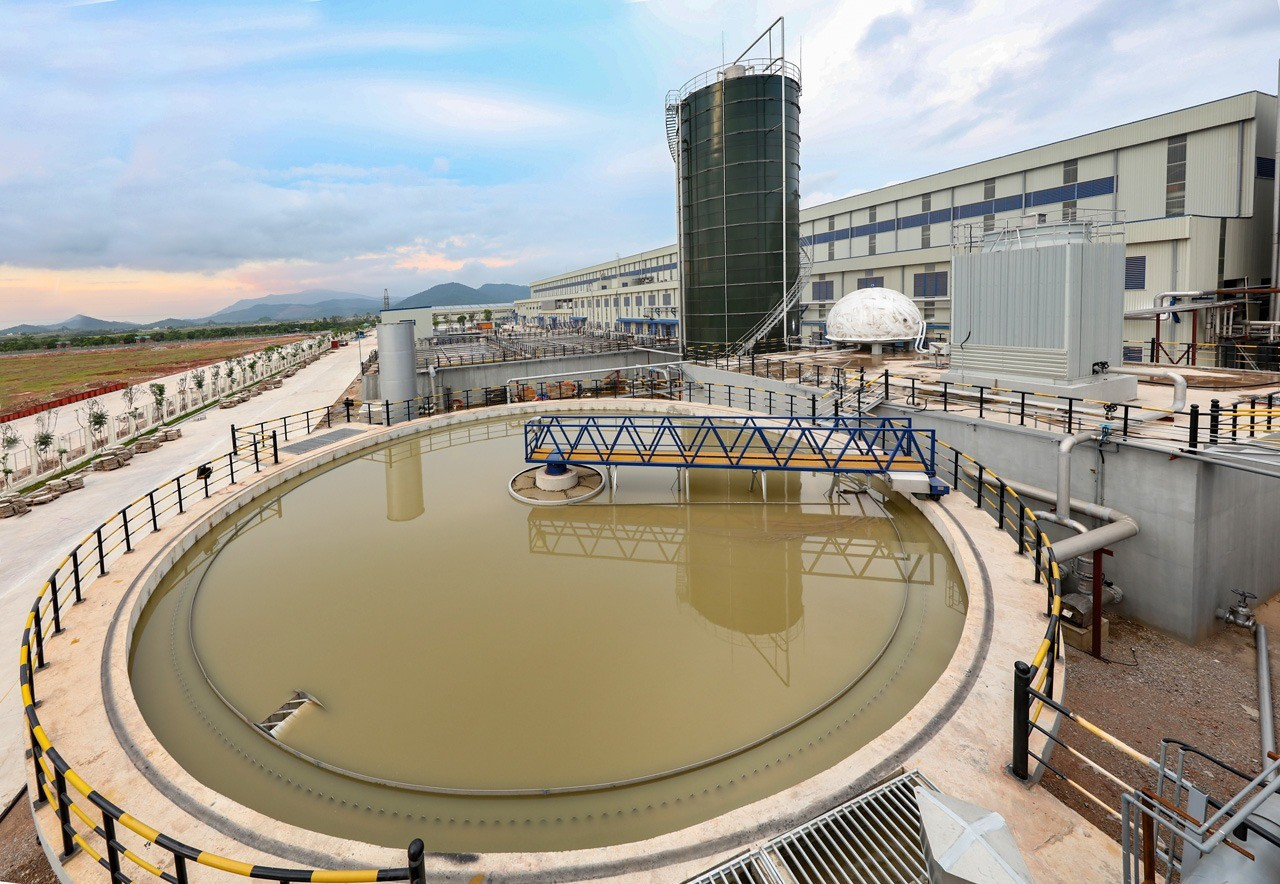
The most advanced and modern wastewater treatment system in the North.
With nylon waste: Nylon impurities mixed in scrap paper are recovered and converted into heat energy (steam) to serve paper drying, helping to reduce dependence on fossil fuels.
With ash and sludge: Miza collaborates on research to convert these by-products into unburnt bricks, turning the final waste into useful building materials.
This is the most vivid proof of the circular economic model: The output of one process becomes the input of another process, minimizing the amount of waste released into the environment.
Telling numbers and macro impact
If it were just about technology, Miza’s story might be dry. But when we look at the real-world impact the project has had 15 years later, its full scope becomes clear.
Since its inception, Miza has successfully recycled nearly 925,000 tons of paper. To get an idea of the scale of this number, let's do some math based on environmental studies:
Recycling nearly 1 million tons of paper means saving the lives of approximately 15.73 million mature trees. Without recycling, these trees would have been cut down to make virgin pulp. This is equivalent to reforesting thousands of hectares of forest, keeping the green lungs of the earth.
The process also saves more than 24 billion liters of water – a precious resource that is becoming increasingly scarce.
Every year, Miza's recycling helps reduce thousands of tons of CO2 emissions , making an important contribution to Vietnam's Net Zero commitment in the future.
Mr. Duy emphasized: "Every ton of recycled paper creates a double impact: It both reduces pressure on overloaded landfills and saves depleted natural resources. More importantly, we want to prove that the circular economic model can operate effectively and profitably right in Vietnam, not just a theory in books."
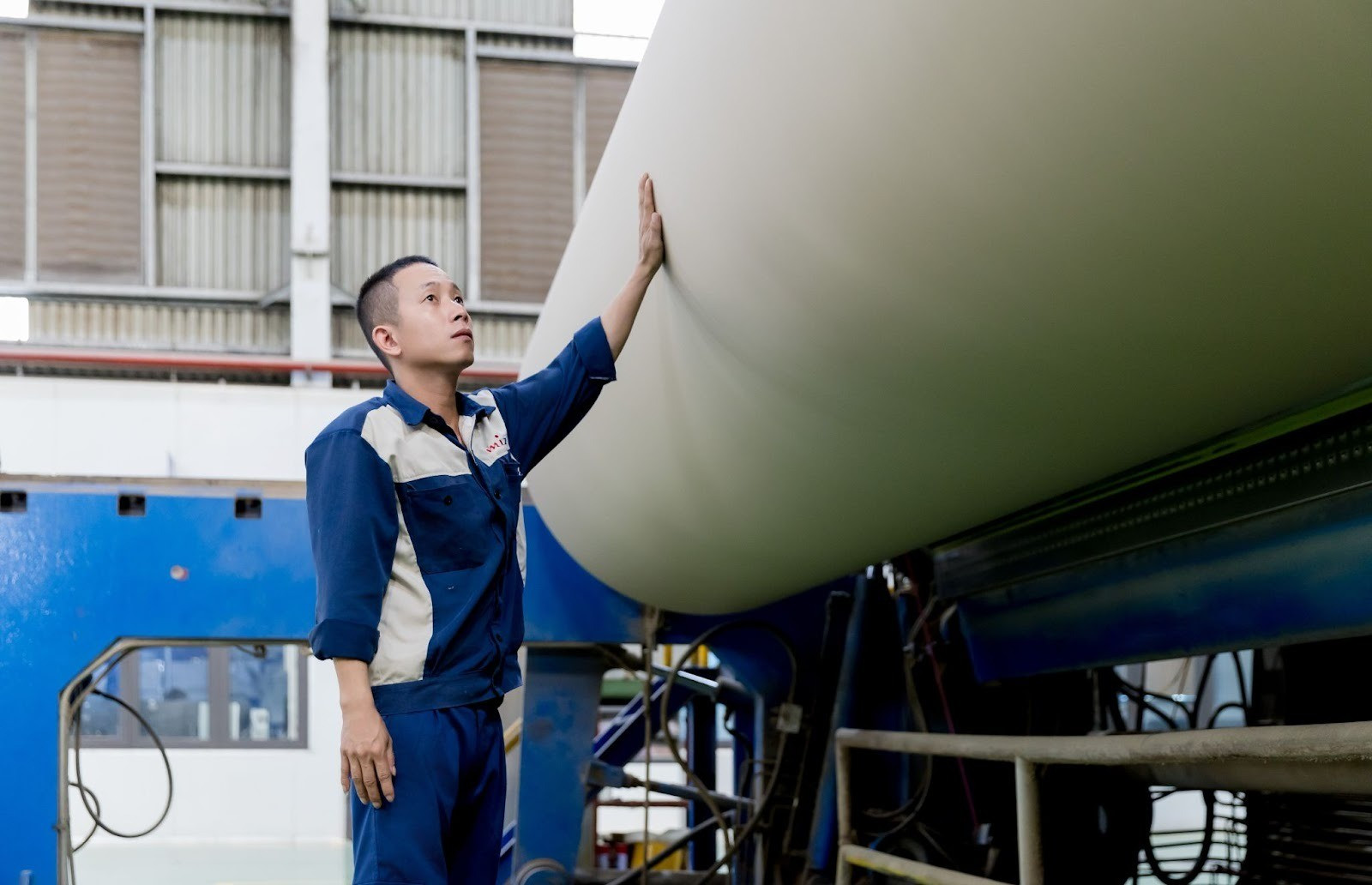
Each recycled roll is a testament to Miza's efforts to "rescue" the environment.
Humanity Network - When "Ve chai" becomes a strategic partner
Besides the environmental and technological aspects, Miza's story also has a deep humanistic meaning through the creation of a sustainable social network.
In the traditional economy, scrap collectors are often a vulnerable group of workers with unstable incomes and little respect from society. Miza has changed this by building a network of hundreds of collection points (scrap yards) and working closely with thousands of freelance workers.
Instead of fragmented operations, through Miza's logistics system and pressing stations in Bac Ninh (old), Vinh Phuc (old), Nghe An ..., scrap collection activities have become more systematic. Miza is not only a place for them to consume products but also helps create a stable livelihood. Collectors have now become an indispensable link in the green material supply chain.
Miza has proven that businesses do not only exist to make profits, but also to serve society. From the profits earned, the company continuously reinvests in the community. A typical example is the support of 3 billion VND for the program "Eliminating temporary and dilapidated houses" in Thanh Hoa, helping poor families settle down. Corporate culture associated with social responsibility (CSR) has become the guiding principle for all activities of Miza.
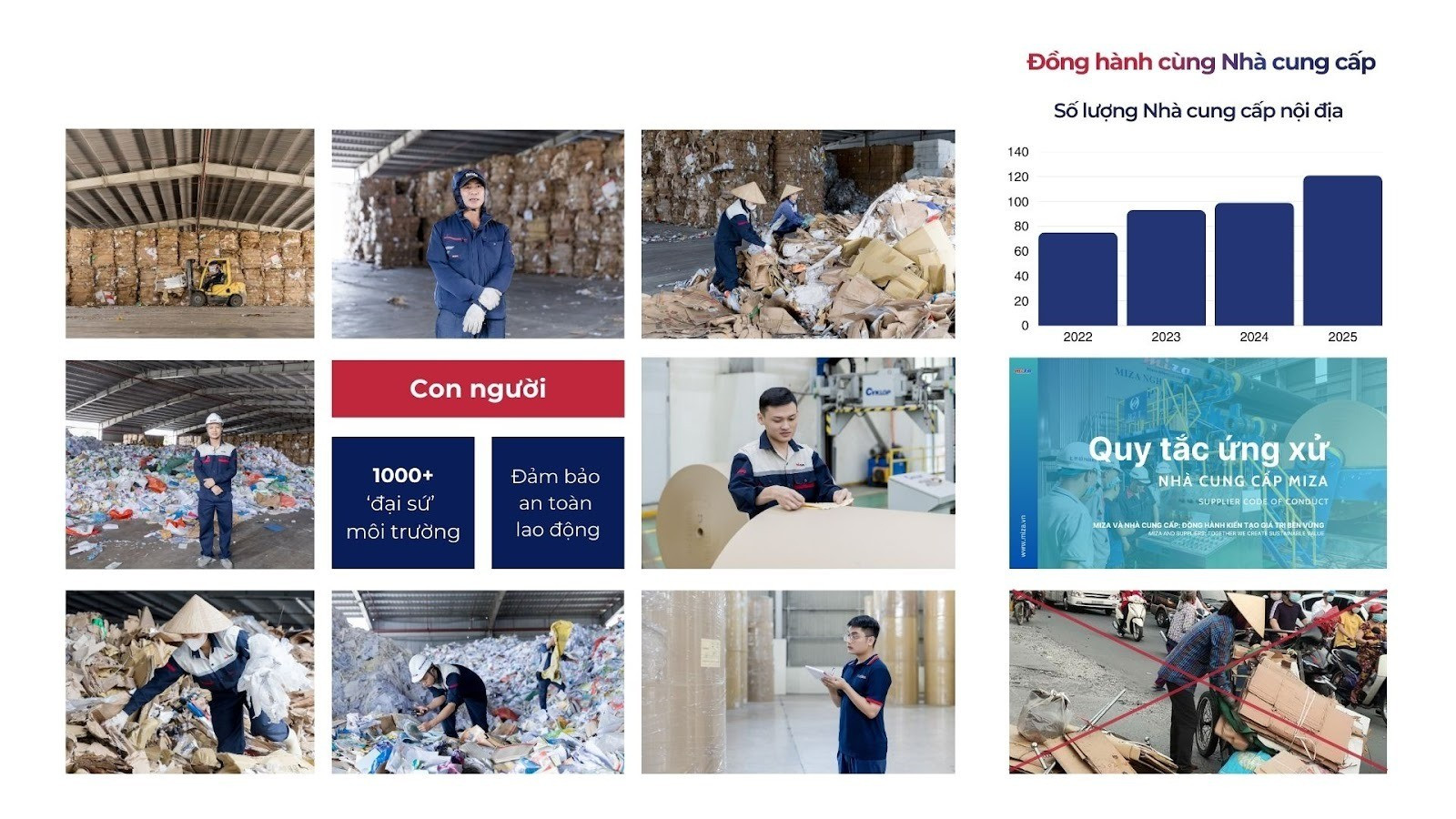
Thousands of workers benefit from Miza's network of environmental 'ambassadors'.
Sowing green seeds into public awareness
Realizing that technology is just a tool, and human awareness is the root of environmental protection, Miza has devoted much effort to education and community connection.
The project will create emotional "touch points" through programs such as "Exchange paper for gifts" and creative competitions using recycled materials. More than 7,000 children and local people have participated in visual education sessions on waste classification and the value of recycling.
“We want to turn environmental protection into a joy and a daily habit, not a burdensome obligation,” Duy shared. When a student sees the old paper they threw away come back in the form of a new, useful product, the lesson about saving and protecting nature becomes more vivid than ever. Miza is working to sow the seeds of green thinking in the young generation, the future owners of the country, to ensure that the circular economy will continue and develop more brilliantly.
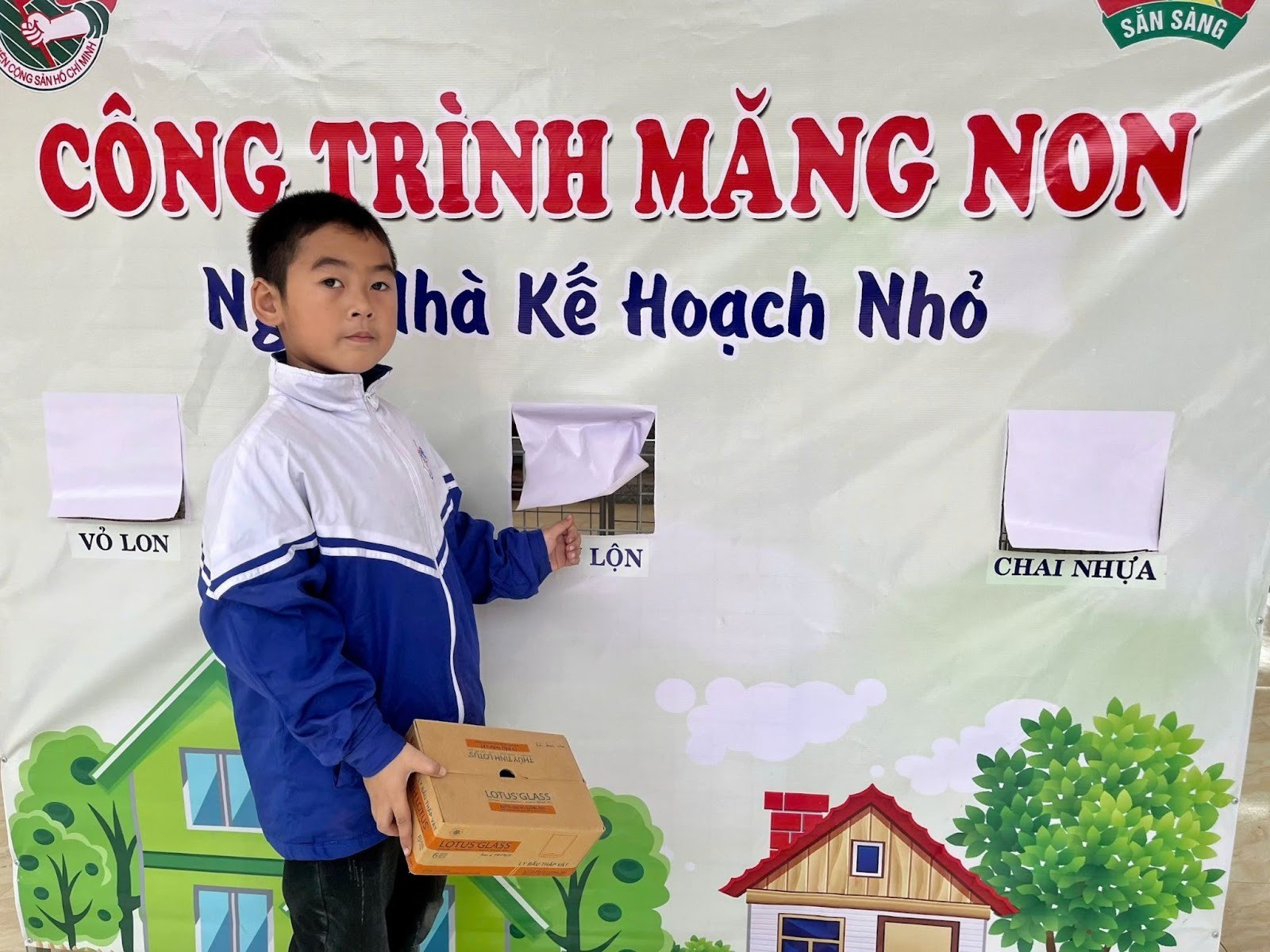
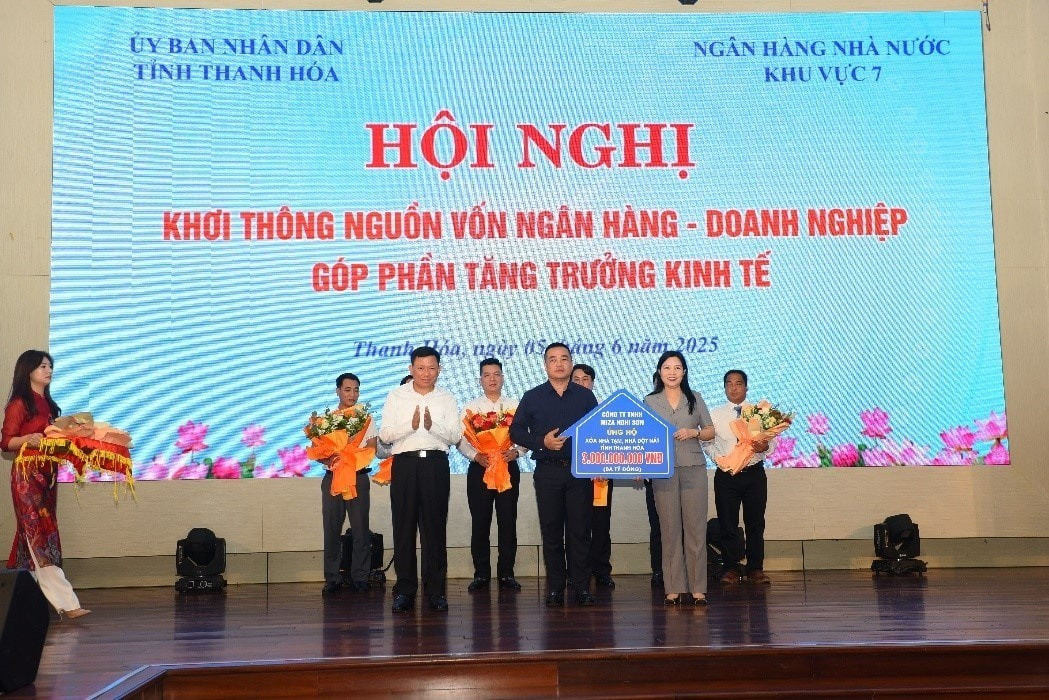
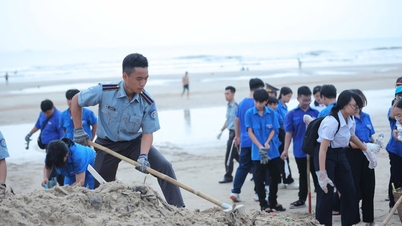
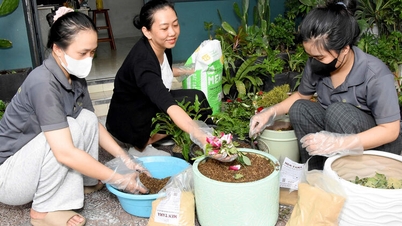
Images of Miza's outstanding social activities in 2025.
Future Vision - It's Not Just Paper, It's an Ecosystem
Stopping has never been in Miza’s vocabulary. Looking to the future, the company’s leadership has outlined ambitious but completely achievable goals.
The ultimate goal is to reach the milestone of recycling 1 million tons of paper, creating tens of thousands of sustainable jobs. In parallel with the expansion, Miza is committed to thoroughly "greening" the production process. The company plans to reduce energy consumption per ton of paper by 15% through the application of the most advanced technologies.
In particular, Miza is leading the energy transition trend in the industry. The plan to completely replace coal with biomass fuel and expand the rooftop solar power system to meet 15% of the power consumption demand at the factory is being urgently implemented.
Not only limited to the factory, Miza also aims to cooperate with social enterprises to expand the collection list to other potential materials such as milk cartons. The project to plant 10,000 more urban trees by 2030 is also a strong affirmation of the enterprise's commitment to accompany nature.
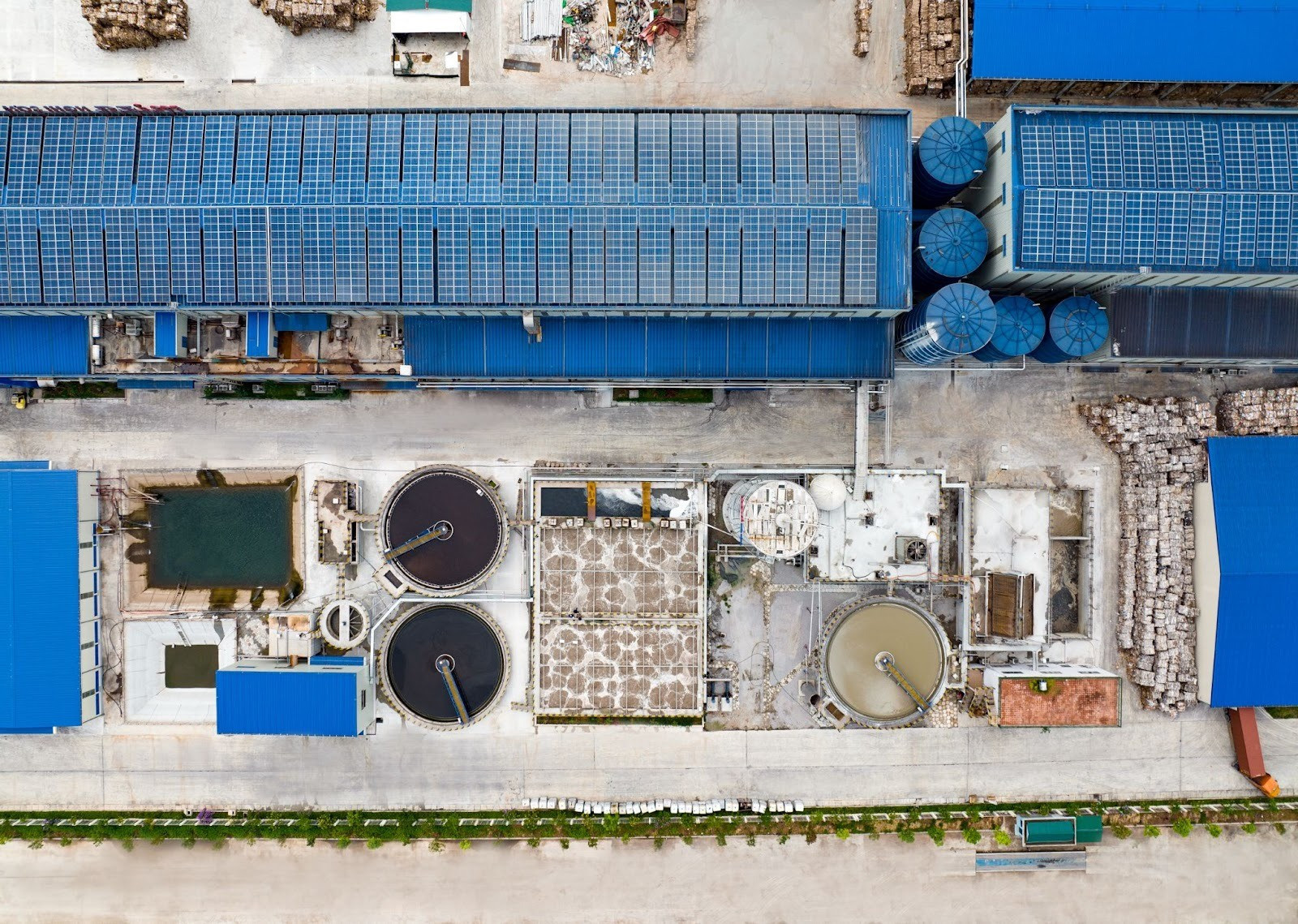
Miza actively invests in green energy such as solar energy and biomass fuel.
After more than 15 years of establishment and development, the Miza project is not only a success story of a paper recycling business. It is a vivid proof that Vietnam can completely master the technology and process to turn the challenge of waste into an opportunity for development.
Each piece of paper recycled at Miza not only has material value, but also carries a message of connection. A connection between poor workers and modern businesses, a connection between small actions of each individual and the survival of the environment, and a connection between the present and a sustainable future.
As Mr. Doan Phan Duy said: "Sustainable development is not just a slogan. When all resources are optimized, modern technology is applied and the community joins hands, we can both protect the environment, create economic opportunities and improve the quality of life." Miza has been, is and will continue to be a pioneer, paving the way, inspiring the Vietnamese business community on the journey to green the economy.
PHAN THACH


![[Photo] Cat Ba - Green island paradise](/_next/image?url=https%3A%2F%2Fvphoto.vietnam.vn%2Fthumb%2F1200x675%2Fvietnam%2Fresource%2FIMAGE%2F2025%2F12%2F04%2F1764821844074_ndo_br_1-dcbthienduongxanh638-jpg.webp&w=3840&q=75)
































































Comment (0)