

On January 2nd (local time), US financial giant Morgan Stanley became the latest bank to leave the Net Zero Banking Alliance (NZBA). Earlier this week, Citigroup and Bank of America also withdrew from the NZBA.
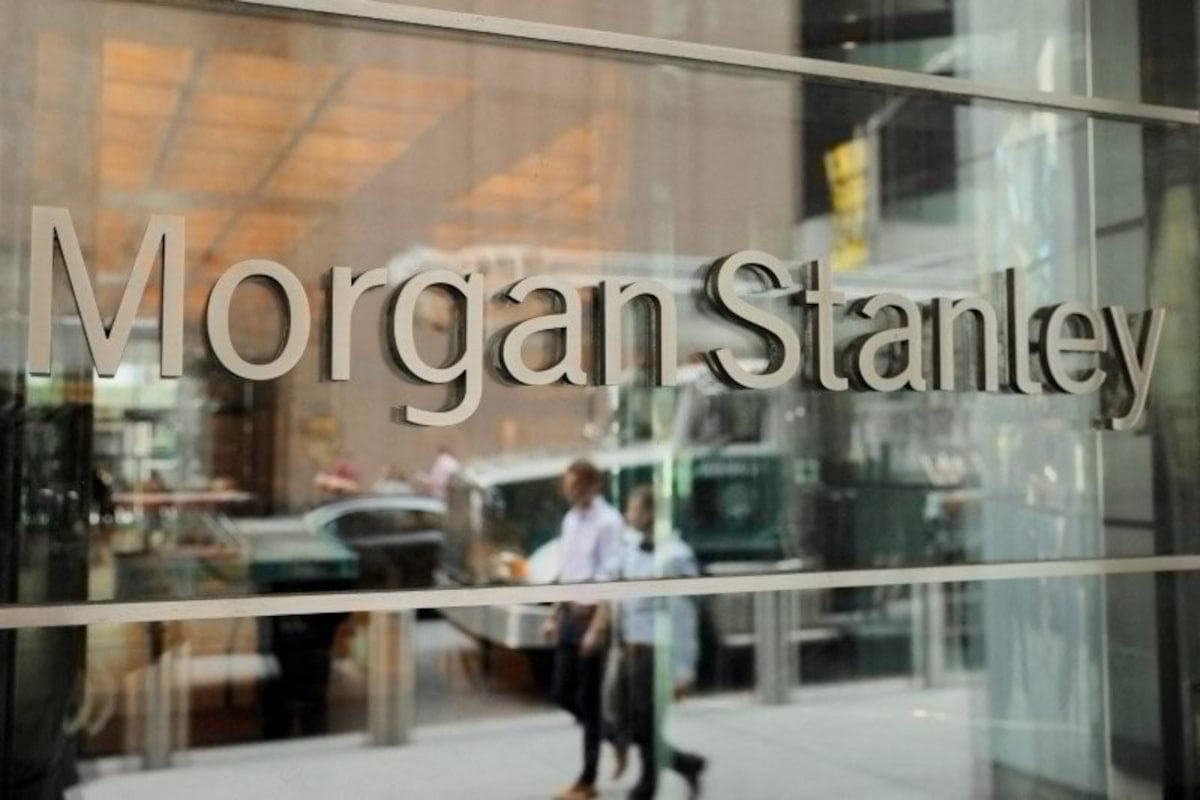
A photograph taken outside Morgan Stanley Bank in New York, USA - Photo: REUTERS
Earlier in December, Goldman Sachs Group and Wells Fargo also left the alliance. It seems that withdrawing from the NZBA has become a trend in the American financial and banking sector, partly reflecting a defensive stance against pressure from the political establishment.
Banks are fleeing under pressure.
The NZBA was established in 2021 to ensure that member banks maintain consistency in lending and investments toward achieving net zero emissions by 2050, as outlined in the Paris Agreement.
However, the future of the NZBA looks bleak as a number of banks have announced their withdrawal from the alliance.
Although Morgan Stanley did not give a reason for its decision, analysts believe the leading US bank was under pressure from some Republican politicians to join the NZBA, with allegations that any move to restrict the financing of fossil fuel companies could violate antitrust laws, according to Reuters.
Previously, the Republican-led House Judiciary Committee released a report showing evidence of collusion and anti-competitive behavior in the financial sector. They accused financial institutions of imposing ESG (environmental, social, and governance) sustainability goals on American businesses. ESG is a standard initiated by climate alliances.
Furthermore, the Chairman of the House Judiciary Committee, Jim Jordan, has specifically criticized climate alliances such as Climate Action 100+ and the Glasgow Net Zero Financial Alliance (GFANZ) – the NZBA being a subsidiary of this alliance – accusing them of undermining fair competition.
According to investment manager Mark Segal, GFANZ member organizations have faced significant pressure from Republican politicians in recent years. Many lawmakers from that party have warned that financial institutions such as banks, insurance companies, property owners, and investors could become embroiled in legal disputes from joining climate change alliances. Furthermore, these organizations have been threatened with being barred from entering into business contracts with the government .
While it remains unclear what impact President-elect Donald Trump's return to the White House in the coming weeks will have, one thing is certain: Republicans have increased pressure on banks since his victory.
As a result, banks and large corporations are becoming increasingly cautious about taking any action to avoid conflict with the new administration, and are gradually withdrawing from climate initiatives.
Giving up on climate efforts?
The timing of the "mass exodus" of major banks from the NZBA just before Trump's return partly reflects the impact of the political situation on these changes. The question is how the banks' departure from the NZBA will affect efforts to combat climate change in the US in particular and globally in general.
For its part, Morgan Stanley, the Wall Street giant, remains committed to addressing climate change through its own business model. Specifically, the bank will continue to provide advisory services and capital to support clients in transitioning to sustainable business practices and reducing carbon emissions, according to American Banker.
A Morgan Stanley representative affirmed that "the company's commitments to achieving zero emissions remain unchanged." Meanwhile, a Bank of America representative stated that the bank will continue to support and meet its clients' needs in the areas of combating climate change and carbon neutrality, "as a company that achieved carbon neutrality in 2021."
Additionally, several other banks, such as Citi, have indicated they are shifting their focus to supporting GFANZ as it transitions to a low-carbon economy . A Citi representative stated, "We have decided to leave NZBA and concentrate on supporting GFANZ in this new phase." Besides Citi, Bank of America remains a GFANZ member.
Currently, banks are still adhering to their previously committed climate goals. However, they face challenges in balancing climate change mitigation initiatives with political pressure, especially given that many climate loans and investments conflict with the upcoming political landscape in Washington.
According to Saptakee S from climate analysis website Carbon Credits, by choosing to pursue sustainability goals independently, banks can promote new business practices as part of a larger global effort to combat climate change.
Turning away from the ESG alliance
Similar to NZBA, financial institutions such as State Street and JPMorgan Chase are also withdrawing from the ESG Climate Action 100+ alliance starting in 2024. According to senior policy analyst Bonner Russell Cohen, ESG funds in these alliances are facing investor backlash.
Many experts from Columbia University and the London School of Economics assess ESG funds as often "underperforming." Typically, ESG-based investments focus on businesses committed to zero emissions. However, many academics argue that these investments yield low returns and often lack financial sustainability.
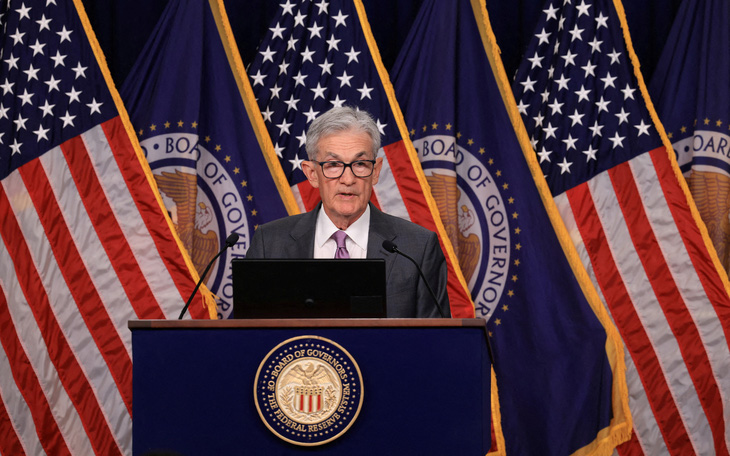 US banks sue the Fed over stress tests.
Source: https://tuoitre.vn/loat-ngan-hang-my-rut-khoi-lien-minh-net-zero-chuyen-gi-xay-ra-20250103225918496.htm
![[Photo] Prime Minister Pham Minh Chinh receives the Governor of Tochigi Province (Japan)](/_next/image?url=https%3A%2F%2Fvphoto.vietnam.vn%2Fthumb%2F1200x675%2Fvietnam%2Fresource%2FIMAGE%2F2025%2F12%2F16%2F1765892133176_dsc-8082-6425-jpg.webp&w=3840&q=75)
![[Image] Leaked images ahead of the 2025 Community Action Awards gala.](/_next/image?url=https%3A%2F%2Fvphoto.vietnam.vn%2Fthumb%2F1200x675%2Fvietnam%2Fresource%2FIMAGE%2F2025%2F12%2F16%2F1765882828720_ndo_br_thiet-ke-chua-co-ten-45-png.webp&w=3840&q=75)


![[Live] 2025 Community Action Awards Gala](/_next/image?url=https%3A%2F%2Fvphoto.vietnam.vn%2Fthumb%2F1200x675%2Fvietnam%2Fresource%2FIMAGE%2F2025%2F12%2F16%2F1765899631650_ndo_tr_z7334013144784-9f9fe10a6d63584c85aff40f2957c250-jpg.webp&w=3840&q=75)
![[Photo] Prime Minister Pham Minh Chinh receives Lao Minister of Education and Sports Thongsalith Mangnormek](/_next/image?url=https%3A%2F%2Fvphoto.vietnam.vn%2Fthumb%2F1200x675%2Fvietnam%2Fresource%2FIMAGE%2F2025%2F12%2F16%2F1765876834721_dsc-7519-jpg.webp&w=3840&q=75)


























































![[Photo] Prime Minister Pham Minh Chinh attends the Vietnam Economic Forum 2025](https://vphoto.vietnam.vn/thumb/402x226/vietnam/resource/IMAGE/2025/12/16/1765893035503_ndo_br_dsc-8043-jpg.webp)




































Comment (0)