

Summer hasn't arrived yet, but the sweltering May heat is already sweeping across the central region of Vietnam, causing many mood swings. Having been away from my hometown for over 30 years, I became a resident of Da Lat in the early 1990s.
Summer in Da Lat lasts from approximately April to September, with very cool and pleasant weather. Because it's located at an average altitude of 1,500 meters above sea level, the temperature here only ranges from 18 to 22 degrees Celsius, not at all humid or stiflingly hot like in lowland or coastal provinces and cities such as Binh Thuan, my hometown.
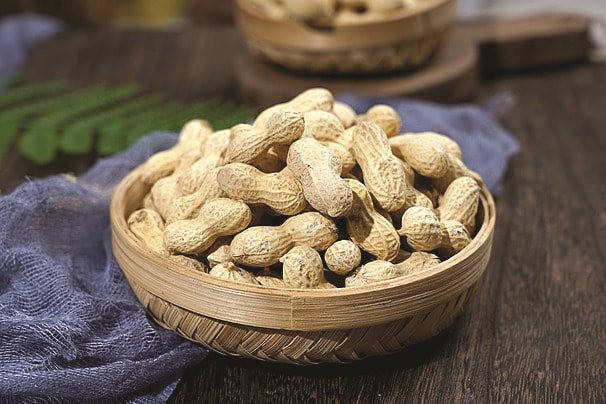
Like many others, on weekend afternoons, I and a few colleagues, also from out of town, would gather at a small, unpretentious roadside stall for a few cold beers to cool off. And in that little corner of the stall, childhood memories flooded back when my friend bought two cans of boiled peanuts from a young street vendor from Central Vietnam to snack on. Sipping the beer and chewing on the boiled peanuts, I remembered a vast expanse of my homeland during the hardships of the subsidy era. At that time, I was about fourteen or fifteen years old; a dreamy age, full of aspirations. I remember that every afternoon, on the empty porch of our thatched house, after a meal that was only just filling, not quite delicious, my stomach was still rumbling with hunger. The steaming basket of boiled peanuts my mother brought out was a dream and a source of immense happiness for us children. Back then, most of the boiled peanuts were young and shriveled; the older ones were saved to sell for money to make ends meet. Those who produced the peanuts only ate the unsaleable ones; this was a common reality for farmers at the time, before the country's economic reforms. To have enough peanuts for the whole family to eat, after harvesting, the peanuts were sorted into two separate baskets. The larger basket contained the mature, plump peanuts that could be dried; a few were used for seeds, and the rest were saved for later sale. If not dried, the peanuts were sold fresh to traders who supplied boiled peanuts throughout the market. The smaller basket contained the immature, shriveled peanuts; these usually made up only a very small percentage of the mature ones. If there were many, they would be given to relatives to boil and eat for fun, or sold cheaply to traders. But the main purpose was to boil them for the whole family to enjoy. Eating boiled peanuts like this in the dark, without lights or moonlight, was considered more unlucky than lucky. Luckily, I ended up with beans that, though small, were very sweet and creamy, rich and flavorful because they were fresh, boiled until soft over a wood-fired stove. Less fortunate were those with unripe beans, just water, very small, but still sweet. And then there was the "bad luck" of putting a whole handful of sand in my mouth, because ants had burrowed into the beans, causing sand to get inside. But in the dark, it was impossible to notice; a ladle of water to rinse my mouth was the most effective solution. To avoid such misfortune, before boiling the beans, my mother would wash and soak them in a basin of water; the spoiled beans would float to the surface and be removed. Thinking about eating spoiled beans, I suddenly snapped back to the present; the sky of my childhood, many memories flashing through my mind. Chewing on the still-hot beans the boy had just bought, I could still smell a slight hint of rancidity emanating from my nostrils. My friend frowned, and the boy quickly explained, "I took these beans from someone to sell for profit. They might have been left out for a day and reheated. Please understand." We silently watched the boy, who looked frightened. My friend said, "It's alright, go ahead. Return the beans when you get back, but don't sell them again. It will harm other people's health." The boy thanked us and left.
Boiled peanuts have become a specialty today; a dish found everywhere from cities to rural areas. It's suitable for all social classes and age groups. It's both a snack and provides a diverse range of nutrients beneficial to human health. According to functional analysis: Boiled peanuts are a rich source of nutrients. They contain plenty of protein, fiber, healthy fats, and other important vitamins and minerals. Peanuts offer many health benefits, similar to other expensive nuts. They are good for cardiovascular health as they can reduce the risk of heart disease. They contain several nutrients beneficial to the heart such as magnesium, niacin, copper, oleic acid, and other antioxidants like resveratrol. At the same time, they help lower cholesterol and prevent aging because peanut oil contains a significant amount of phytosterols, the most common of which is beta-sitosterol. Phytosterols help reduce cholesterol absorption from the digestive tract, thus lowering circulating cholesterol levels in the blood. However, we should avoid consuming boiled beans that have been left out for too long, as this can be harmful to health, especially the digestive system. As summer approaches, I recall the impoverished life I lived as a child in my hometown; it's truly unforgettable, a simple, humble life filled with love during those nostalgic days.
Source
![[Photo] Portraits of the 19 members of the Politburo of the 14th Party Congress](/_next/image?url=https%3A%2F%2Fvphoto.vietnam.vn%2Fthumb%2F1200x675%2Fvietnam%2Fresource%2FIMAGE%2F2026%2F01%2F23%2F1769161873355_z7460119485980-304d85fe10d12298f1db614b0d2aa6bc-jpg.webp&w=3840&q=75)


Comment (0)