12. One Pillar Pagoda
The One Pillar Pagoda, built in 1049 during the Ly Dynasty, is one of the symbols of
Hanoi, alongside the Turtle Tower and Khue Van Cac Pavilion. Besides its spiritual significance, the One Pillar Pagoda is a unique architectural masterpiece with high aesthetic value, expressed through its water-based sculptures, carvings, and paintings… reflecting ancient cultural values and a strong national character.

One Pillar Pagoda with its unique architecture. Photo: @welpipi
13. Long Bien Bridge
When mentioning
tourist attractions in Hanoi, it's impossible not to include Long Bien Bridge. Built by the French in 1898, it was the first steel bridge to cross the Red River. Long Bien Bridge is closely associated with the two wars of resistance against the French and the Americans, and is considered a symbol of Hanoi during those difficult times.

Long Bien Bridge possesses a timeless beauty. Photo: @phuongnt93

Stunning photos taken on Long Bien Bridge. Photo: @vuongcongnamsusuboy The values of the past still linger in every span of the bridge, which is why Long Bien Bridge is an indelible part of the memories of many Hanoians. You can also admire Long Bien Bridge from nearby cafes. Watching the people crossing the bridge from a different perspective will give you many interesting experiences.
14. Hanoi Railway Station
Hanoi Railway Station, originally named Hang Co Station, was built by the French and inaugurated in 1902. For over a century, Hanoi Railway Station has remained a vital transportation hub for the entire country as well as for the capital city.

Hanoi Railway Station is one of the country's most important transportation hubs. Photo: ST. If you're visiting Hanoi, choose hotels near the city center and tourist areas, equipped with full amenities, and don't forget high-quality mattresses like
foam mattresses for a comfortable sleep after a day
exploring the capital.
15. Dong Xuan Market – a must-see attraction in Hanoi.
Dong Xuan Market is one of the largest markets in Hanoi. It sells a wide variety of goods, from food and clothing to consumer products, catering to diverse tastes and demographics. As a wholesale market, goods here are generally cheaper than elsewhere. Don't forget to pick up some souvenirs when you visit!

Dong Xuan Market, a popular shopping destination in Hanoi (image collected). Dong Xuan Market is also a place to buy many delicious and attractive Hanoi specialties; if you have the chance to visit, don't forget to try them!

Fried sticky rice cake (Bánh chưng rán) at Dong Xuan Market. Photo: @mokhoethanoi

Another view of Dong Xuan Market. Photo: @_jieulizh_
16. My Dinh National Stadium
My Dinh National Stadium is the second largest stadium in Vietnam, with a capacity of over 40,000 seats. It's always the preferred venue for major national and international events, such as football tournaments and vibrant
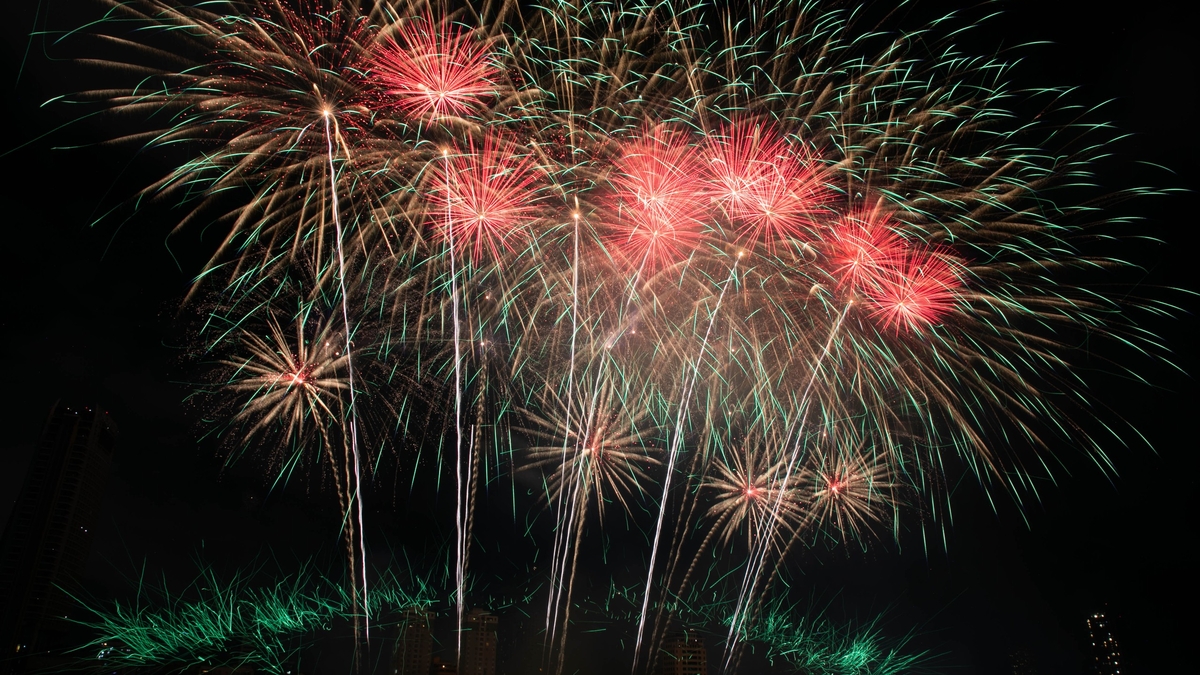
music festivals. My Dinh Stadium is also the location for spectacular fireworks displays during holidays and festivals. On weekdays, it's a popular place for entertainment and recreation in the evenings. Choosing
a hotel near My Dinh will ensure a complete and enjoyable experience.

My Dinh National Stadium is the venue for many major events and live music shows nationwide. Photo: ST
17. Vietnam-Soviet Friendship Cultural Palace
The Vietnam-Soviet Friendship Cultural Palace was built on the site of the former French-era Exhibition Hall, which had been demolished. The total area of the cultural palace is 3.2 hectares, comprising three main buildings: a performance hall, a learning center, and a technical center. This architectural and cultural complex is dedicated to hosting art performances, exhibitions,
scientific seminars, rallies, and major cultural events. In addition, it is also a popular entertainment and recreation spot for many young people in Hanoi on weekday evenings.

Vietnam-Soviet Friendship Cultural Palace (image from a collection)

Outside the cultural center. Photo: @raincomings
18. Government Guest House
The Government Guest House at 12 Ngo Quyen Street was formerly the Governor-General's Palace of Northern Vietnam, the headquarters of the Northern Vietnam government. When the August Revolution broke out, the Viet Minh forces and the people of Hanoi attacked and occupied this building. The building was later renamed the Northern Vietnam Government House, and it also served as the workplace of President
Ho Chi Minh and the Provisional Government of the Democratic Republic of Vietnam until the nationwide resistance war. After the end of the Indochina War, the Northern Vietnam Government House was renovated and became the Government Guest House. In 2005, the city government designated it as a historical revolutionary site.

The
Government Guest House is a historical landmark of Hanoi.
19. Quan Thanh Temple
Located beside West Lake and the North Gate of Hanoi, this is one of the most impressive spiritual sites in the capital. Quan Thanh Temple is one of the "four guardian temples" of ancient Thang Long. The temple is dedicated to Huyen Thien Tran Vu, the deity guarding the North. Throughout various dynasties, Quan Thanh Temple has undergone numerous renovations, but its basic architecture has remained largely unchanged. Not only does it contribute to the ancient and romantic beauty of the West Lake tourist area, but Quan Thanh Temple is also a valuable cultural, artistic, architectural, and sculptural relic, making it an impressive tourist destination when visiting Hanoi.

Quan Thanh Temple is a famous spiritual site in Hanoi. Photo: @kien.tran.vo

The carvings in the temple are incredibly eye-catching. Photo: @riakquinn_
20. Hang Dau Water Tower
The Hang Dau Water Tower is a water supply facility for Hanoi residents dating back to the French colonial era. It was built at the intersection of six streets: Hang Dau, Quan Thanh, Hang Than, Hang Luoc, Hang Giay, and Phan Dinh Phung. Because the tower's architecture resembles a bunker, many people mistakenly call it the "Hang Dau Bunker," and the name has been familiar ever since.

The water tower in the row of beans. Photo: @ahmdrashidk

The tower of bean plants glows brightly at night. Photo: Kênh14
21. Ham Long Church
Ham Long Church is one of the largest and most beautiful churches in Hanoi. Its architecture is distinguished by a bell tower located in the center of the facade, which is decorated simply and harmoniously. Particularly noteworthy is the abundance of vividly sculpted statues of saints surrounding the church.

Photo: @hanhliinh___
22. Lenin Park
Located between four major streets in Hanoi – Tran Phu, Nguyen Tri Phuong, Hoang Dieu, and
Dien Bien Phu – Lenin Park is not only a dignified and beautiful highlight of the beloved capital but also attracts many people with its tragic and heroic echoes of the nation. Today, the park is a place for recreation and entertainment for both locals and tourists visiting the capital.

The monument in Lenin Park (image from a collection)

The morning at the park was incredibly fresh and cool. Photo: @martino_quang
23. The Ceramic Road
The Ceramic Road, built in 2008 to commemorate the 1000th anniversary of Thang Long - Hanoi, is one of the unique tourist attractions not to be missed when visiting the capital. It has been recognized by the Guinness World Records as the longest ceramic mural
in the world .

The incredibly cool ceramic road in Hanoi. Photo: @cuongkhii

The colors are so vibrant and beautiful. Photo: ST

Another equally impressive view. Photo: @cuongkhii Above are some Hanoi tourist attractions that you can visit in one day once you've set foot in the capital. Besides these, there are still many other attractive places waiting for you to discover. Wishing you a fun and enjoyable trip to Hanoi!









![[Video] Sunset at Lap An Lagoon – Where the sun sets over the fishing nets](https://vphoto.vietnam.vn/thumb/340x192/vietnam/resource/IMAGE/2026/05/31/1780192137701_beach-landscape-sea-water-nature-grass-745871-pxhere-com.jpeg)



![[Photo] Solemn bathing ceremony and Buddha procession in Hue](https://vphoto.vietnam.vn/thumb/1200x675/vietnam/resource/IMAGE/2026/05/31/1780228263543_1-jpg.webp)


































![[Photo] Admire the coral "masterpiece" amidst the million-year-old heritage of Dak Lak province.](https://vphoto.vietnam.vn/thumb/402x226/vietnam/resource/IMAGE/2026/05/31/1780221235105_anh-man-hinh-2026-05-31-luc-16-53-27.png)





























Comment (0)