Vietnam.vn - Nền tảng quảng bá Việt Nam

Developing clean vegetable production through a closed-loop supply chain.

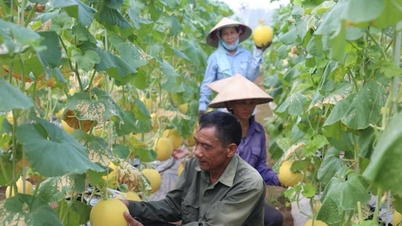
Faced with the increasing demand for safe food, many farmers in Dong Nai have shifted towards growing clean, organic vegetables in greenhouses and applying hydroponic technology.

Báo Đồng NaiBáo Đồng Nai29/05/2026

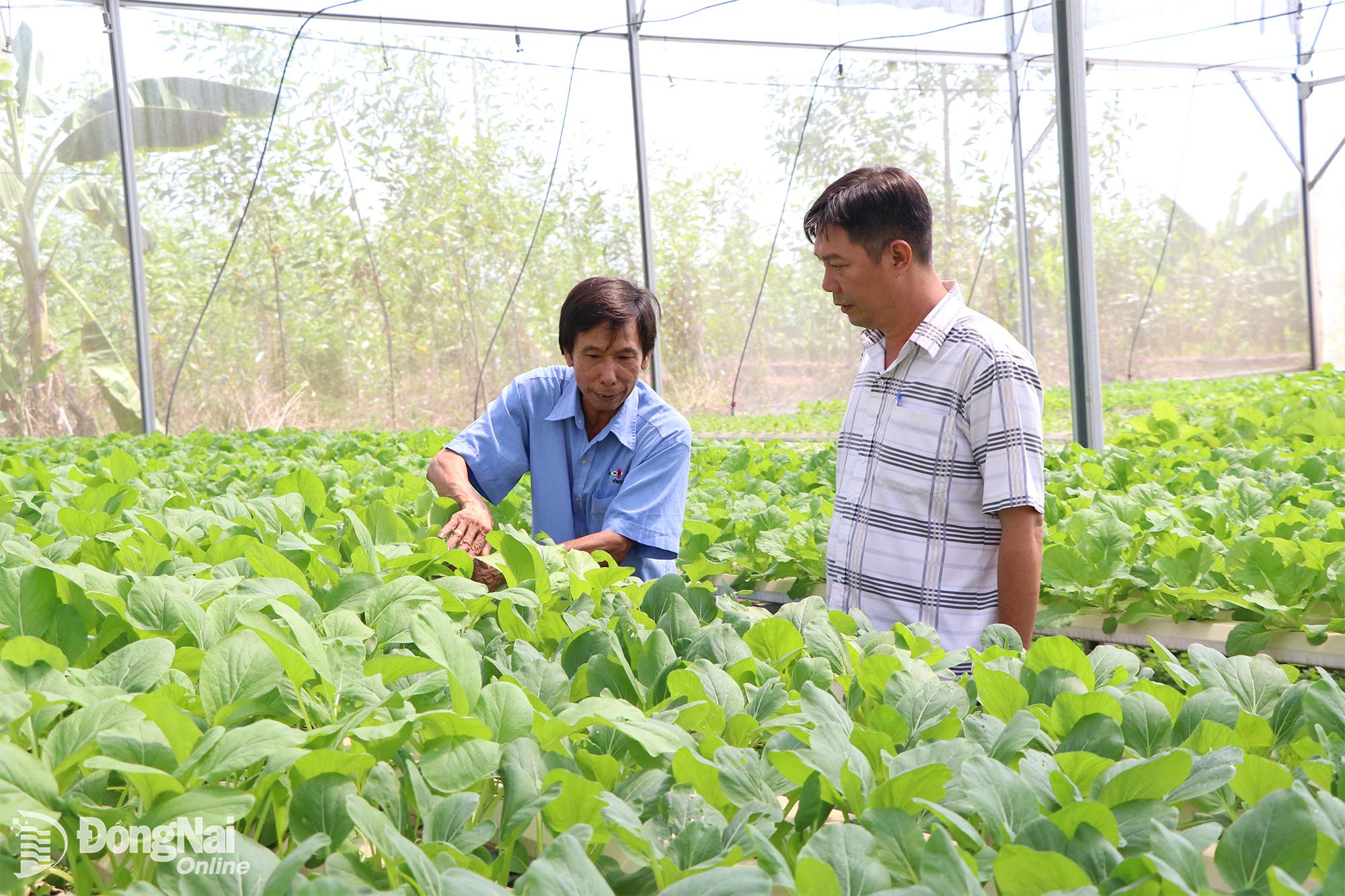
Mr. Dang Van Phi's hydroponic vegetable garden (in Tan An commune) is always lush and provides a stable income.

In addition to focusing on product quality, these models are also gradually linking with purchasing businesses to create stable outlets, aiming for green and sustainable agricultural development.

Focus on growing clean vegetables.

Visiting the hydroponic vegetable garden of Mr. Dang Van Phi (62 years old, owner of a hydroponic vegetable farming facility in Tan An commune), one can easily feel the refreshing green space with uniformly growing vegetable beds in a modern greenhouse system. After about two years of operation, Mr. Phi's hydroponic vegetable farming model has gradually stabilized and brought positive economic results.

Mr. Phi said: "Previously, my family used to grow bananas, but the results weren't very good. During my research, I realized the growing demand for clean vegetables, so I decided to switch to hydroponic vegetable farming with the hope of creating a safe food source for consumers."

According to Mr. Phi, what he appreciates most about this model is its focus on green and clean agriculture, and its rejection of chemicals. The entire vegetable growing area uses biological products to prevent pests and diseases. Thanks to being grown in greenhouses, pests and diseases are significantly reduced, and the area is less affected by weather conditions.

"Every meal needs green vegetables, so the demand is always high. If invested in the right direction, the return on investment can be much faster than with many other crops. Therefore, I chose organic vegetables and found that I am on the right track, fulfilling the initial meaning of investing in the development of organic vegetables," Mr. Phi shared.

In the early days of growing hydroponic vegetables, Mr. Phi's family faced many difficulties due to lack of experience, insufficient capital, and unstable product outlets. After researching, learning techniques, and receiving support from various organizations, his family's clean vegetable products gradually gained market acceptance.

According to Mr. Phi, the major advantage of the hydroponic vegetable farming model in greenhouses is its long-term usability. The plastic film covering can last from 5-7 years, and the iron frame and hydroponic pipes are highly durable, saving costs in the long run. Thanks to the reduced impact of weather, vegetable yields are stable year-round. Currently, production has increased, with each greenhouse generating approximately 20 million VND in revenue.

Following the path of clean agriculture, the Nui Cui agricultural production and processing facility in Gia Kiem commune has developed a greenhouse system covering approximately 1.2 hectares. Here, the entire production process uses organic fertilizers and microbial preparations to ensure consumer safety and minimize environmental impact.

Mr. Truong Hoan Thien, owner of the Nui Cui agricultural product cultivation and processing facility, said: "The vegetable market has experienced periods of strong fluctuations, but my facility has always strived to maintain stable prices to share the burden with consumers and maintain their trust in clean products."

"Clean vegetables remain very attractive because people are increasingly concerned about their health. Moreover, growing clean vegetables not only ensures safety for both producers and consumers, but the stable market price also helps me maintain this clean vegetable farming model," Mr. Thien said.

Thanks to systematic investment and strict production processes, greenhouse-based clean vegetable farming models are gradually proving to be an effective and sustainable direction in current agricultural development.

Create output for the product.

Besides focusing on production, many households and businesses are also paying attention to building a stable market for clean vegetables. At the Dau Giay wholesale market for agricultural products and food (Dau Giay ward), the buying and selling of green vegetables is quite stable. According to traders, stable prices make importing and selling goods easier.

Ms. Nguyen Thi Hanh, a small trader at the Dau Giay wholesale market for agricultural products and food, said: "I have been selling vegetables for many years and mainly buy vegetables from farmers in Dong Nai province and distribute them to retail outlets throughout neighboring provinces and cities. I hope to expand the distribution of more types of clean vegetables in the future to serve the diverse needs of the people."

Besides wholesale markets, many businesses also participate in product distribution linkages for farmers. Among them, DORI Clean Vegetable Company Limited in Gia Kiem commune is considered one of the units that effectively connects producers and consumers.

Mr. Do Minh Trung, Director of DORI Clean Vegetable Company Limited, said: The company currently sources its vegetables locally, accounting for about 40-50% of the total production. The remaining portion is sourced from various provinces and cities to meet market demand, with more than 20 different types of vegetables.

On average, the company supplies 5-7 tons of fresh vegetables daily to supermarket chains and clean food distribution networks. According to Mr. Trung, bringing clean vegetables into supermarkets helps stabilize sales and encourages people to invest in safe production methods.

"Clean agriculture must come from the heart. If growers don't work with sincerity, the vegetables cannot be clean."

Mr. DANG VAN PHI, owner of a hydroponic vegetable farming facility in Tan An commune.

According to Mr. Dang Thanh Tung, a specialist in the Economic Department of Tan An commune, there are currently several models of growing clean vegetables in greenhouses in the area, notably the hydroponic vegetable farming model of Mr. Dang Van Phi's family. These models have initially shown positive results, contributing to improving the quality of agricultural products and increasing income for the people, and are therefore being encouraged by the local authorities to be replicated.

According to Mr. Dang Thanh Tung, in the coming time, the locality hopes to continue developing clean agriculture, creating conditions for many households to access and learn about hydroponic vegetable farming models in order to expand production area. At the same time, the locality will also continue to seek funding sources to support farmers, connect and build consumption chains to bring clean and safe vegetable products to consumers.

To Tam

Source: https://baodongnai.com.vn/kinh-te/202605/phat-trien-rau-sach-theo-chuoi-cung-ung-khep-kin-1320360/


Comment (0)

Please leave a comment to share your feelings!

Same tag

Same category

Same author

Heritage

Figure

Enterprise

News

Political System

Destination

Product

Happy Vietnam
Family happiness

Family happiness

Colors of the Southern Islands

Colors of the Southern Islands

Happiness in farming

Happiness in farming