

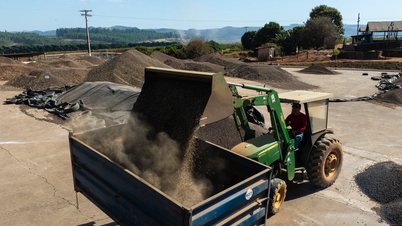
The European Commission (EC) has just approved a decision to allow the import of two new genetically modified crops, maize and cotton, and extended the licenses for two other genetically modified maize varieties for use as food for humans and animals for another 10 years.
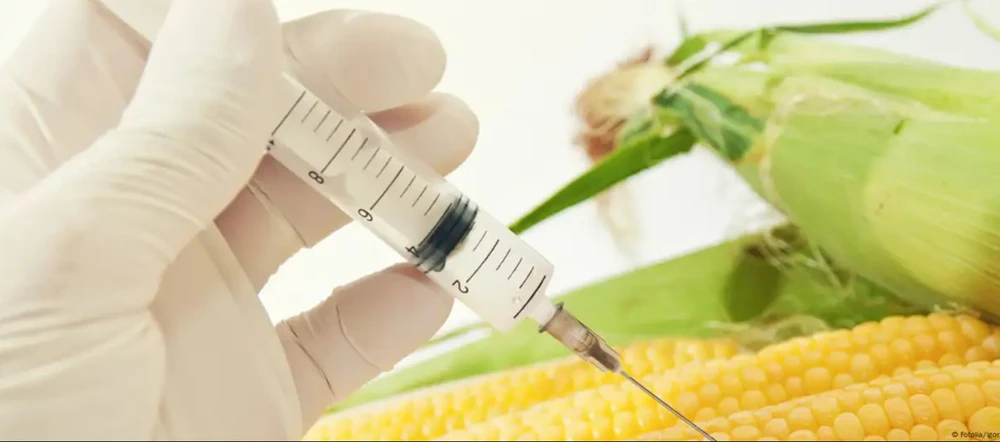
This decision only allows the importation of genetically modified products into the European Union (EU) for use in food and animal feed, but does not permit their cultivation in member states.
Previously, EU member states failed to reach a consensus in votes at the Standing Committee and the Appeals Committee. European consumers now have differing views on new hybrid technologies. Those who have never faced a food crisis may not fully appreciate the challenges of a growing population.
Or, those with abundant food supplies may not have to consider how food is produced or downplay the challenges faced by EU farmers. Not to mention, questions about the safety and ethics of these new biotech foods make consumers reluctant to accept them. Therefore, according to observers, Europe's conflicting views on biotech crops could also hinder their adoption in other countries.
In an open letter in November 2023, more than 70 scientists and academics expressed concern about the attempt to pass this decision without sufficient time for public debate.
However, before making a final decision, the European Food Safety Authority (EFSA) conducted a thorough and comprehensive assessment process, ensuring that these products are safe for human health, animals, and the environment. EC officials are committed to monitoring the ongoing progress of modern biotechnology to consider how the EU can benefit from innovation in the food and agriculture sector while maintaining high safety standards.
HANH CHI
Source: https://www.sggp.org.vn/quyet-dinh-moi-cua-eu-post763086.html
![[Photo] National Assembly Chairman Tran Thanh Man working with the Standing Committee of the National Assembly's Ethnic Council](https://vphoto.vietnam.vn/thumb/1200x675/vietnam/resource/IMAGE/2026/05/21/1779337435930_ndo_br_1-jpg.webp)

![[Image] "Journey of Hope" promotes the organ and tissue donation movement in Vietnam.](https://vphoto.vietnam.vn/thumb/1200x675/vietnam/resource/IMAGE/2026/05/20/1779294400833_1-8910-jpg.webp)




































































Comment (0)