

The word "slop" and the explosion of low-quality AI content.
On December 15th, the Merriam-Webster dictionary announced that slop – originally an English word meaning "mud" or "foul-smelling" – has been voted "Word of the Year 2025." This decision reflects the proliferation of mass-produced online content using artificial intelligence (AI) that is of poor quality, meaningless, or fake.
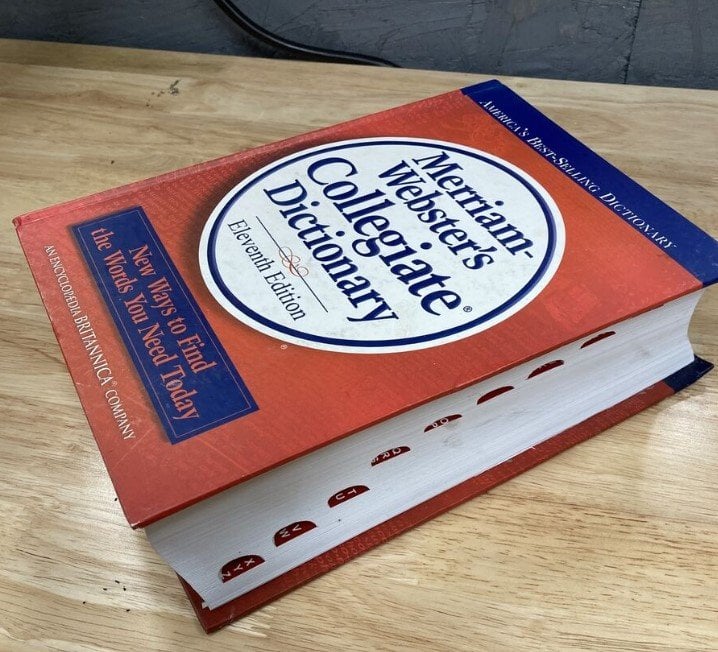
Illustrative image
In traditional terminology, "slop" was used to describe something low-quality, messy, and worthless. However, in the current context, the word has been redefined to mean "low-quality digital content, often mass-produced using AI" —including meaningless videos , bizarre advertising images, fake news, cheap propaganda, and even AI-generated ebooks.
Merriam-Webster's selection of slop based on keyword search data and frequency of occurrence in everyday language shows that more and more people are interested in and learning about this phenomenon. Since AI content creation tools have become popular, the number of searches for slop has increased sharply, reflecting the public's awakening to the explosion of superficial and mass-produced digital products.
The broader context of AI-generated content
In recent years, AI tools have been widely applied to automatically generate content, from text and images to videos. Thanks to AI, digital products can be launched quickly and in large quantities, but it's not uncommon for them to lack logic, contain inaccurate information, or even cause misunderstandings. Much of this content is created with the aim of attracting views, increasing advertising revenue, or tricking the recommendation algorithms of online platforms.
According to Merriam-Webster and language experts, the prevalence of slop implicitly reflects concerns about the quality of digital content: as AI becomes an accessible tool, AI-generated products could erode trust in legitimate information and disrupt the online user experience.
Analysts also warn that slop is not simply "junk content" but can also contribute to the spread of misinformation and the formation of distorted cognitive patterns if viewers lack the skills to discern and verify information. This is particularly concerning given that multiple generations of users — especially teenagers — are increasingly exposed to social media platforms and AI-generated content.
Vision and expectations regarding the true value of content.
The selection of "slop" as the "Word of the Year 2025" is not only a wake-up call about the current quality of AI content, but also reflects the community's desire for more sustainable values – accurate information, valuable content, and creativity based on genuine knowledge. Many experts believe that this warning system helps emphasize the importance of developing technology in conjunction with social responsibility and information ethics.
Furthermore, it also serves as a reminder to developers, programmers, and online platforms to enhance content control and filtering tools to minimize AI slop, as well as help users distinguish between valuable and spam content.
Source: https://doanhnghiepvn.vn/cong-nghe/slop-tu-cua-nam-2025-phan-anh-moi-lo-noi-dung-ai-chat-luong-thap/20251215045208352
![[Photo] Prime Minister Pham Minh Chinh receives the Governor of Tochigi Province (Japan)](/_next/image?url=https%3A%2F%2Fvphoto.vietnam.vn%2Fthumb%2F1200x675%2Fvietnam%2Fresource%2FIMAGE%2F2025%2F12%2F16%2F1765892133176_dsc-8082-6425-jpg.webp&w=3840&q=75)
![[Photo] Prime Minister Pham Minh Chinh receives Lao Minister of Education and Sports Thongsalith Mangnormek](/_next/image?url=https%3A%2F%2Fvphoto.vietnam.vn%2Fthumb%2F1200x675%2Fvietnam%2Fresource%2FIMAGE%2F2025%2F12%2F16%2F1765876834721_dsc-7519-jpg.webp&w=3840&q=75)


![[Image] Leaked images ahead of the 2025 Community Action Awards gala.](/_next/image?url=https%3A%2F%2Fvphoto.vietnam.vn%2Fthumb%2F1200x675%2Fvietnam%2Fresource%2FIMAGE%2F2025%2F12%2F16%2F1765882828720_ndo_br_thiet-ke-chua-co-ten-45-png.webp&w=3840&q=75)




















































![[Photo] Prime Minister Pham Minh Chinh attends the Vietnam Economic Forum 2025](https://vphoto.vietnam.vn/thumb/402x226/vietnam/resource/IMAGE/2025/12/16/1765893035503_ndo_br_dsc-8043-jpg.webp)





















Comment (0)