

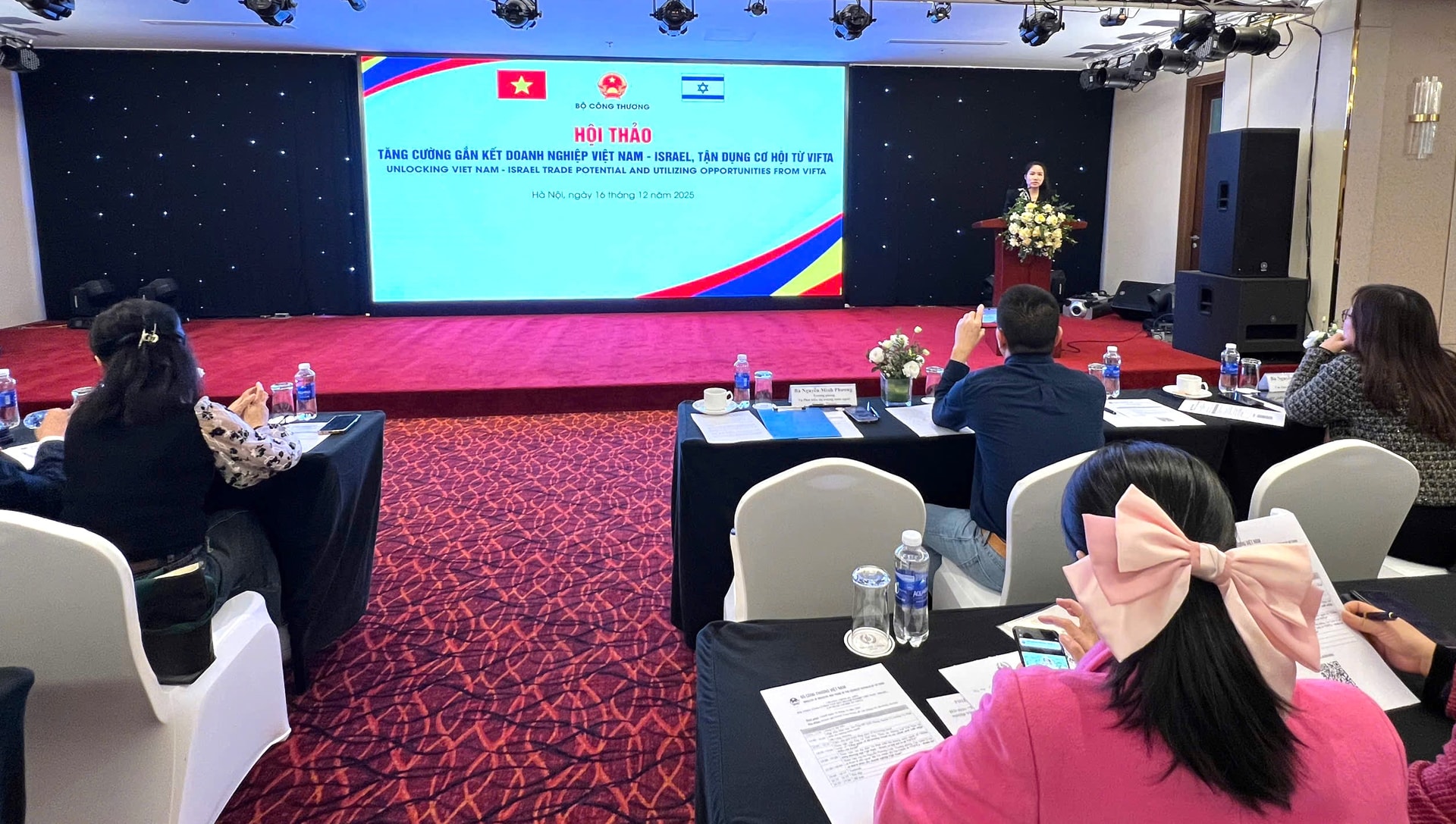
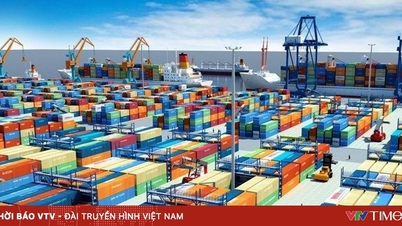
According to Do Quoc Hung, Acting Director of the Department of Foreign Market Development ( Ministry of Industry and Trade ), Israel is one of Vietnam's important trading partners in the West Asian region, holding the position of Vietnam's third largest export market and fifth largest trading partner in this region.
The VIFTA agreement, which came into effect on November 17, 2024, is Israel's first FTA with a Southeast Asian country, and also Vietnam's first FTA with the West Asia-Africa region.
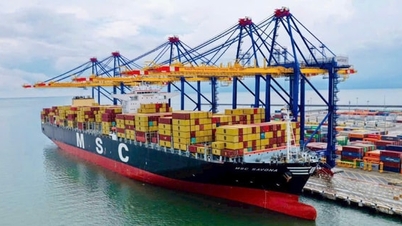
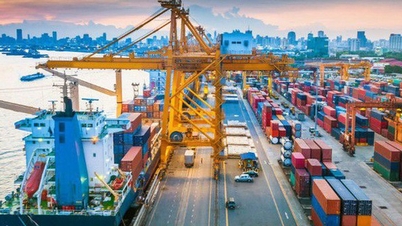
Immediately after the VIFTA came into effect, bilateral trade between Vietnam and Israel reached US$3.2 billion in 2024. Of this, Vietnam's exports to Israel totaled US$794.5 million, while imports from Israel amounted to US$2.5 billion. This represents a significant increase compared to previous years.
It is estimated that bilateral trade turnover in 2025 could reach over 3.7–3.8 billion USD, with Vietnam's exports to Israel expected to increase by more than 10% compared to 2024, to approximately 850–880 million USD.
According to Mr. Le Thai Hoa, Vietnam's Commercial Counselor in Israel, as soon as the agreement came into effect, Israel eliminated 66.3% of tariff lines and will gradually eliminate the remaining ones over a period of 3–5–7–10 years. Vietnam also committed to eliminating most tariff lines according to a corresponding schedule. This facilitates the free flow of goods between the two sides.
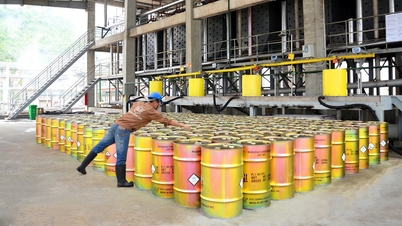
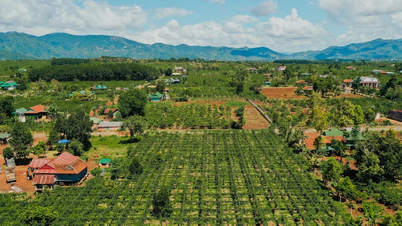
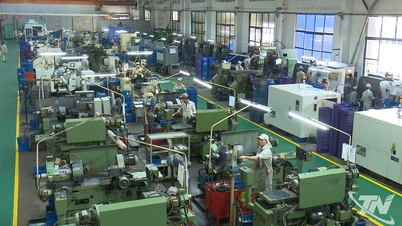
Vietnam's key export items such as seafood, cashew nuts, textiles, coffee, and pepper will benefit greatly from the tariff reduction. Conversely, high-tech goods, machinery and equipment, and processed industrial products imported from Israel into Vietnam will also benefit.
The VIFTA agreement is not limited to trade in goods but also includes commitments on trade in services and investment, creating a stable and transparent legal framework that helps businesses in both countries expand cooperation and participate more deeply in each other's value chains.
Experts believe that the Vietnamese and Israeli economies are highly complementary, with a structure of goods that faces little direct competition, creating significant room to boost exports of each side's strengths.
To maximize the potential of this cooperation, proactively gathering market information, fully utilizing tariff preferences, and promoting business linkages are key factors. In particular, investment cooperation and technology transfer in the fields of agriculture , processing, fisheries, and high technology should be prioritized.
Source: https://hanoimoi.vn/tan-dung-vifta-don-bay-dua-xuat-khau-viet-nam-vao-thi-truong-tay-a-727075.html
![[Photo] Prime Minister Pham Minh Chinh receives the Governor of Tochigi Province (Japan)](/_next/image?url=https%3A%2F%2Fvphoto.vietnam.vn%2Fthumb%2F1200x675%2Fvietnam%2Fresource%2FIMAGE%2F2025%2F12%2F16%2F1765892133176_dsc-8082-6425-jpg.webp&w=3840&q=75)
![[Photo] Prime Minister Pham Minh Chinh receives Lao Minister of Education and Sports Thongsalith Mangnormek](/_next/image?url=https%3A%2F%2Fvphoto.vietnam.vn%2Fthumb%2F1200x675%2Fvietnam%2Fresource%2FIMAGE%2F2025%2F12%2F16%2F1765876834721_dsc-7519-jpg.webp&w=3840&q=75)

![[Image] Leaked images ahead of the 2025 Community Action Awards gala.](/_next/image?url=https%3A%2F%2Fvphoto.vietnam.vn%2Fthumb%2F1200x675%2Fvietnam%2Fresource%2FIMAGE%2F2025%2F12%2F16%2F1765882828720_ndo_br_thiet-ke-chua-co-ten-45-png.webp&w=3840&q=75)

![[Live] 2025 Community Action Awards Gala](/_next/image?url=https%3A%2F%2Fvphoto.vietnam.vn%2Fthumb%2F1200x675%2Fvietnam%2Fresource%2FIMAGE%2F2025%2F12%2F16%2F1765899631650_ndo_tr_z7334013144784-9f9fe10a6d63584c85aff40f2957c250-jpg.webp&w=3840&q=75)


































![[Photo] Prime Minister Pham Minh Chinh attends the Vietnam Economic Forum 2025](https://vphoto.vietnam.vn/thumb/402x226/vietnam/resource/IMAGE/2025/12/16/1765893035503_ndo_br_dsc-8043-jpg.webp)



















Comment (0)