

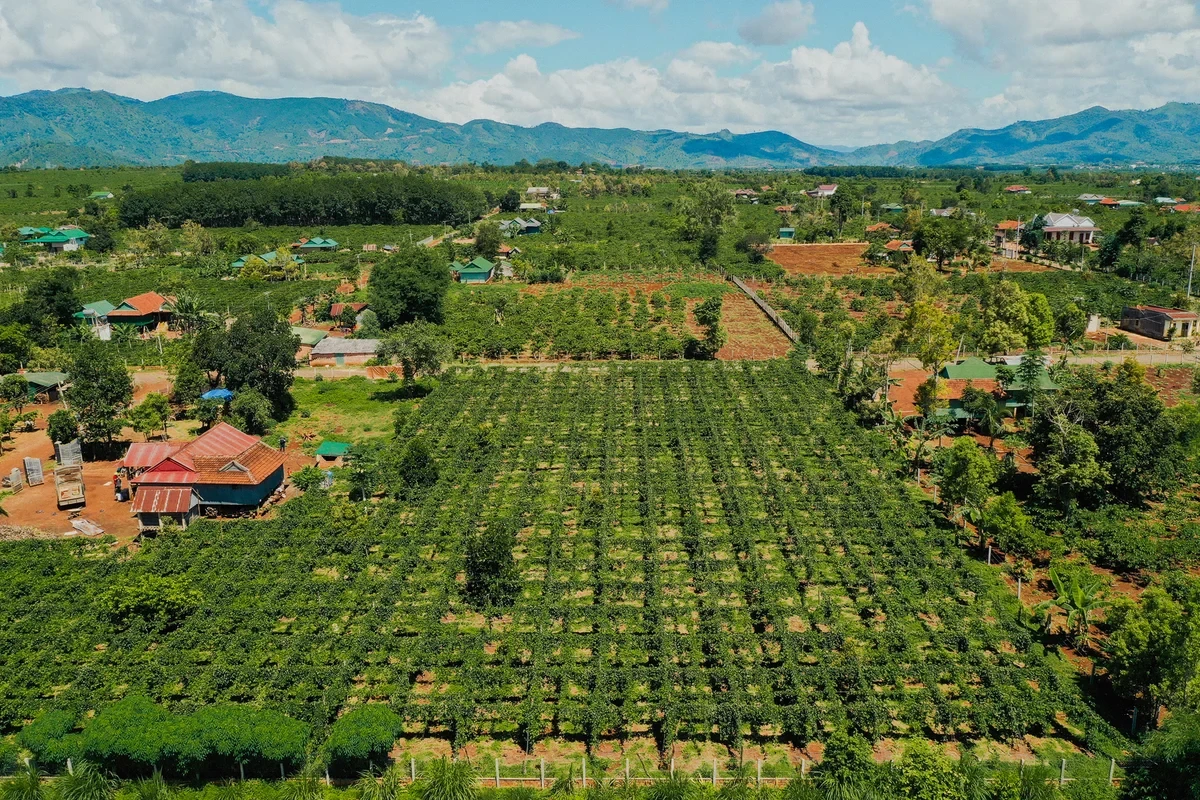
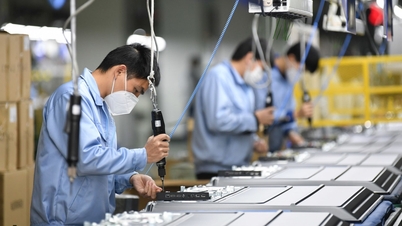
Exports have increased sharply over the past 10 years.
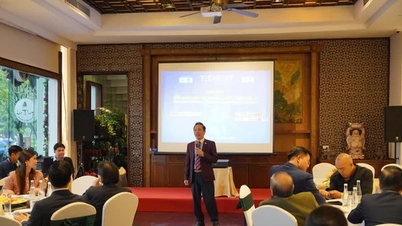
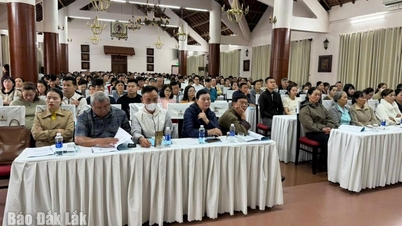
On December 12th, in Pleiku ward (Gia Lai province), the Agriculture and Environment Newspaper, in collaboration with the Department of Crop Production and Plant Protection and the Gia Lai Department of Agriculture and Environment, organized the forum "Sustainable Development of Passion Fruit Industry through Supply Chain Linkages".
According to Mr. To Van Huan, representative of the Department of Crop Production and Plant Protection, passion fruit exports have increased sharply from US$20 million in 2015 to US$222.5 million in 2023 and are expected to reach over US$202 million by October 2025. The Central Highlands is currently the passion fruit capital, accounting for 86.4% of the area and 92.5% of the production in 2024; the North accounts for 12.5% of the area. Vietnam currently has 43 passion fruit varieties in circulation, meeting both domestic and export needs.
According to assessments, passion fruit plants have many advantages in terms of favorable terrain, soil, and climate; in the Central Highlands and some other regions, the plant has a growth cycle of 4-5 months and high yields. The market is wide open with diverse demand, with over 80% being processed products and fresh fruit.
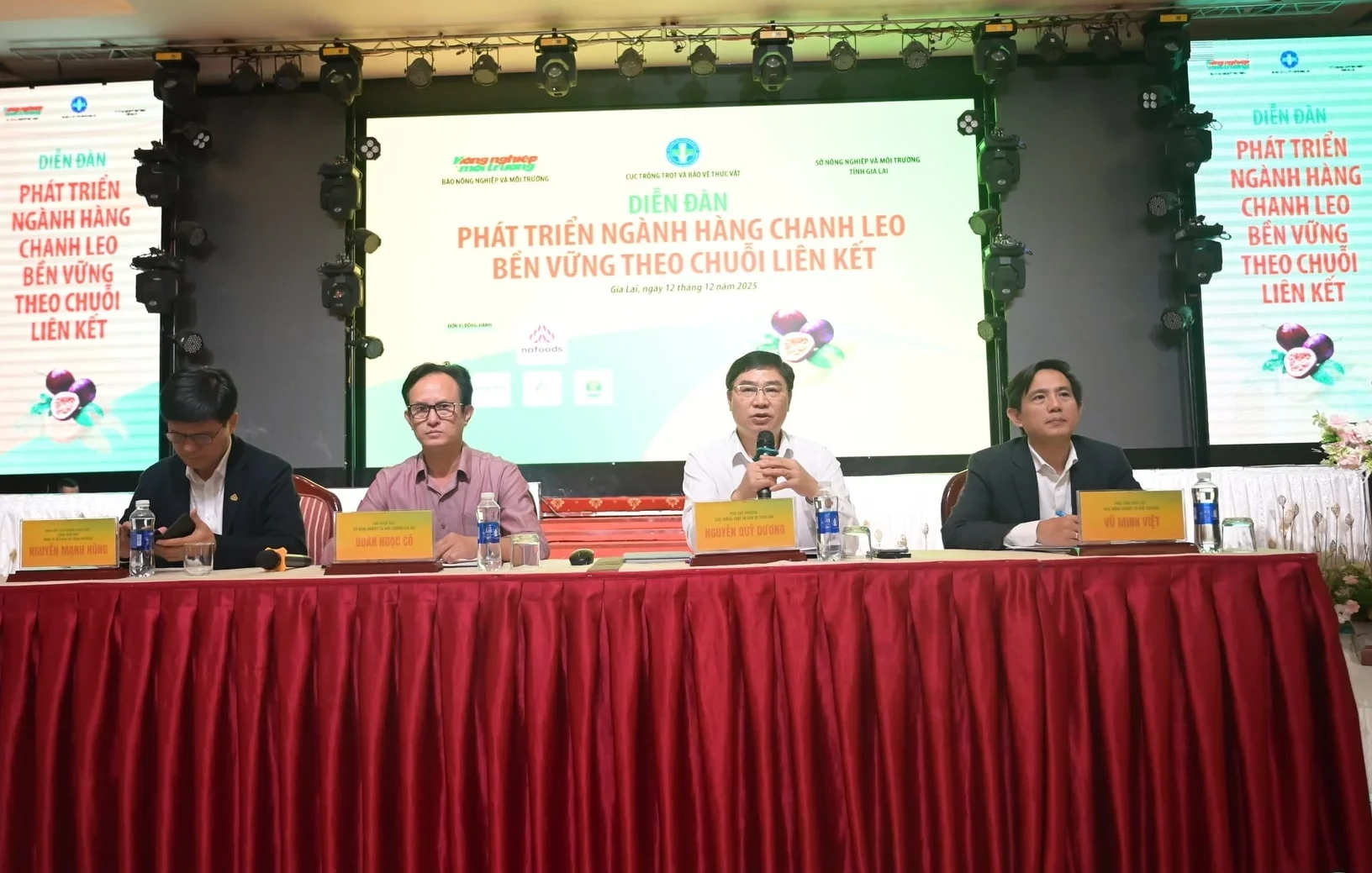
Mr. Doan Ngoc Co, Deputy Director of the Gia Lai Department of Agriculture and Environment, said that the official export of passion fruit to China since 2022 has opened up great opportunities, increasing income and profits for farmers, cooperatives and businesses; in Gia Lai, businesses are linking with cooperatives and growers to build a sustainable passion fruit production-processing-consumption chain, forming a stable raw material area, meeting the requirements for planting area codes and packaging facilities, serving deep processing and export.
The agricultural sector and local authorities pay special attention to controlling the quality of seedlings, inviting reputable businesses to invest in production facilities that apply modern technology and equip quality testing laboratories before supplying them to the market, helping to ensure a consistently high-quality and sustainable seed supply.
However, Mr. Doan Ngoc Co noted that the industry still faces complex challenges related to climate change, fragmented land areas, some households planting spontaneously on unsuitable land and irrigation conditions. Seed management is not yet robust, while major markets such as the EU, the US, Japan, and China are increasingly demanding strict technical standards, quality, and traceability. Many experts also assess that preservation and deep processing technologies lack uniformity, supply is unstable, and international quarantine requirements are becoming increasingly stringent...
Standardize varieties, improve quality, and expand exports.
According to the Project for the Development of Key Fruit Crops in the period 2025-2030, passion fruit is oriented to become a sustainable industry. The goal is to maintain 12,000-15,000 hectares and a production of 250,000-300,000 tons, focusing on key provinces such as Lam Dong, Gia Lai, Dak Lak, Quang Tri, Nghe An, and Son La.
According to Nguyen Quy Duong, Deputy Director of the Department of Crop Production and Plant Protection, to realize this goal, the passion fruit industry needs to continue standardizing key stages, especially seed management. The local Departments of Crop Production and Plant Protection are requested to tighten seed control in their areas, while seed production and trading businesses must strictly comply with regulations on supplying disease-free, high-quality seeds with clear origins.
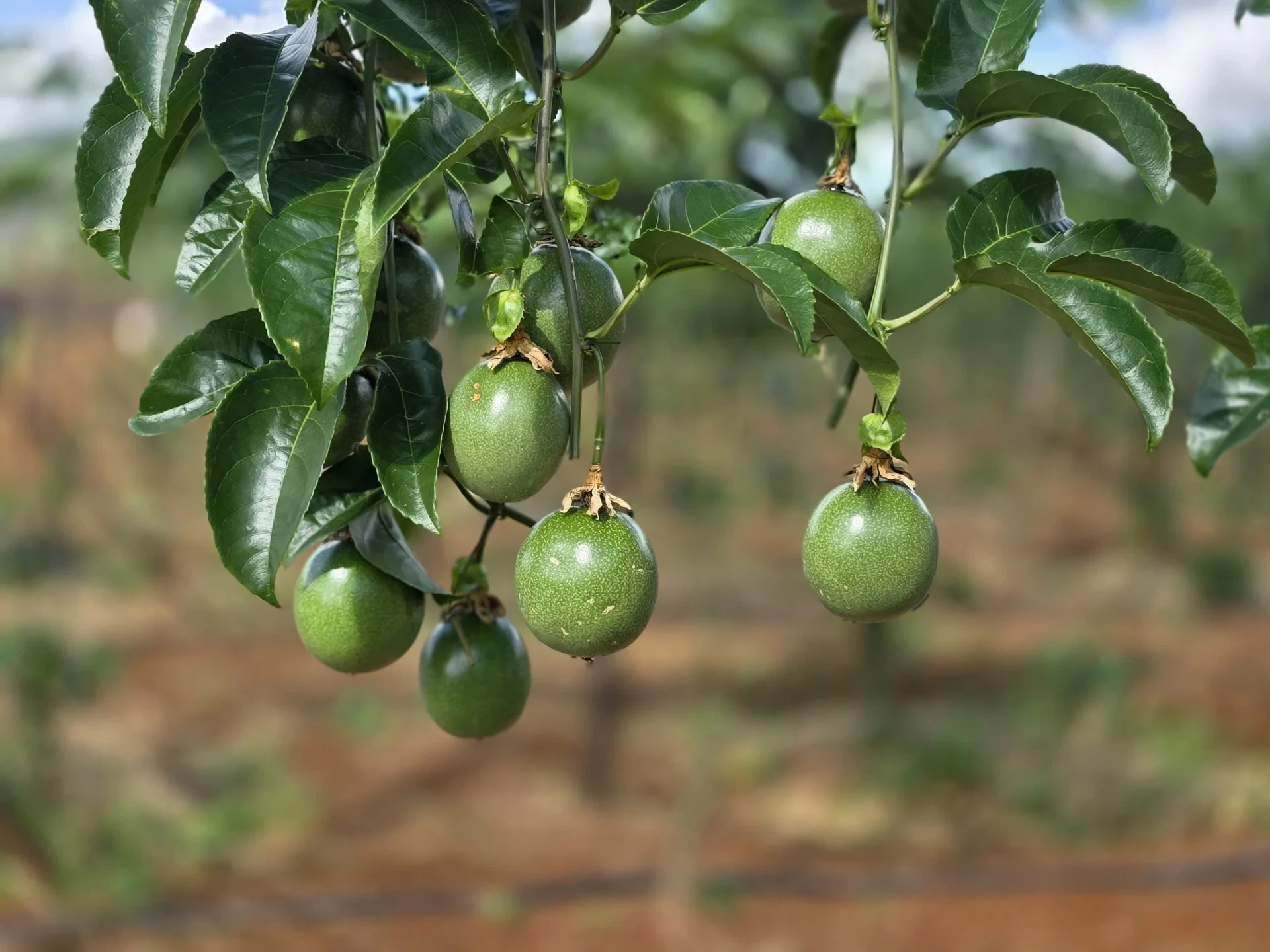
Farmers are advised to choose seeds, fertilizers, and pesticides from reputable businesses, avoiding low-quality supplies that reduce yield and affect export standards. Businesses supplying materials participating in the supply chain must also support farmers with technical assistance and competitive pricing, making the benefits of the linkage model clearer and more sustainable than individual production. Alongside seed management, developing growing areas and implementing the linkage model must closely follow market demands; sustainable production not only meets internal standards but also aligns with the requirements of each export market.
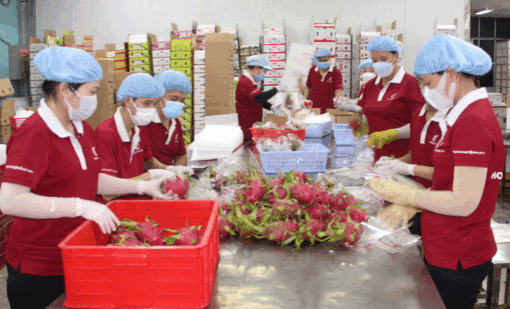
The Department of Crop Production and Plant Protection will continue to expand its market; products have already entered China and Australia, and Vietnam is currently negotiating with the US, Japan, South Korea, and many other potential markets. Whether exported as fresh fruit or processed products, food safety is always a mandatory requirement, demanding a strict, synchronized production process and rigorous adherence to technical standards.
From a business perspective, Ho Hai Quan, Director of Nafoods Tay Nguyen, noted that the global passion fruit market is changing rapidly, creating both opportunities and challenges. Consumers prefer natural, organic, low-sugar beverages with novel flavors, while importers demand strict food safety, traceability, and international certifications. Vietnam competes with Brazil, Peru, and Ecuador, having advantages in cost, quality, and seasonality, but is limited in scale and brand recognition. Therefore, building sustainable linkages between farmers, cooperatives, businesses, and distributors is crucial.
In this context, Nafoods has identified three pillars of sustainable development: expanding and standardizing raw material areas according to VietGAP and GlobalGAP standards; upgrading processing technology and diversifying products; and strengthening market linkages, signing long-term contracts, and promoting the "5 stakeholders" model associated with trade fairs and business-to-business (B2B) e-commerce platforms.
Sharing the same viewpoint, Mr. Doan Ngoc Co emphasized that promoting the sustainable development of the passion fruit industry requires a high degree of consensus in awareness and action among participating entities; in which the organic relationship between farmers - cooperatives - businesses is the decisive factor for the success of the value chain.
Deputy Director of the Institute of Plant Protection (Vietnam Academy of Agricultural Sciences) Nguyen Thi Bich Ngoc further suggested the need to develop a national standard for disease-free seedlings, strengthen the management of commercial seeds, and apply a three-tiered greenhouse system. In addition, she recommended the early establishment of large-scale, uniform raw material areas with consistent varieties and technical processes, and with pest monitoring and warning systems. She also emphasized the need to continue promoting production models that meet VietGAP and GlobalGAP standards to improve the quality of passion fruit and better meet the requirements of the export market.
Source: https://daibieunhandan.vn/lien-ket-chuoi-gia-tri-de-nang-tam-nganh-chanh-leo-10400446.html
















































































Comment (0)