

 |
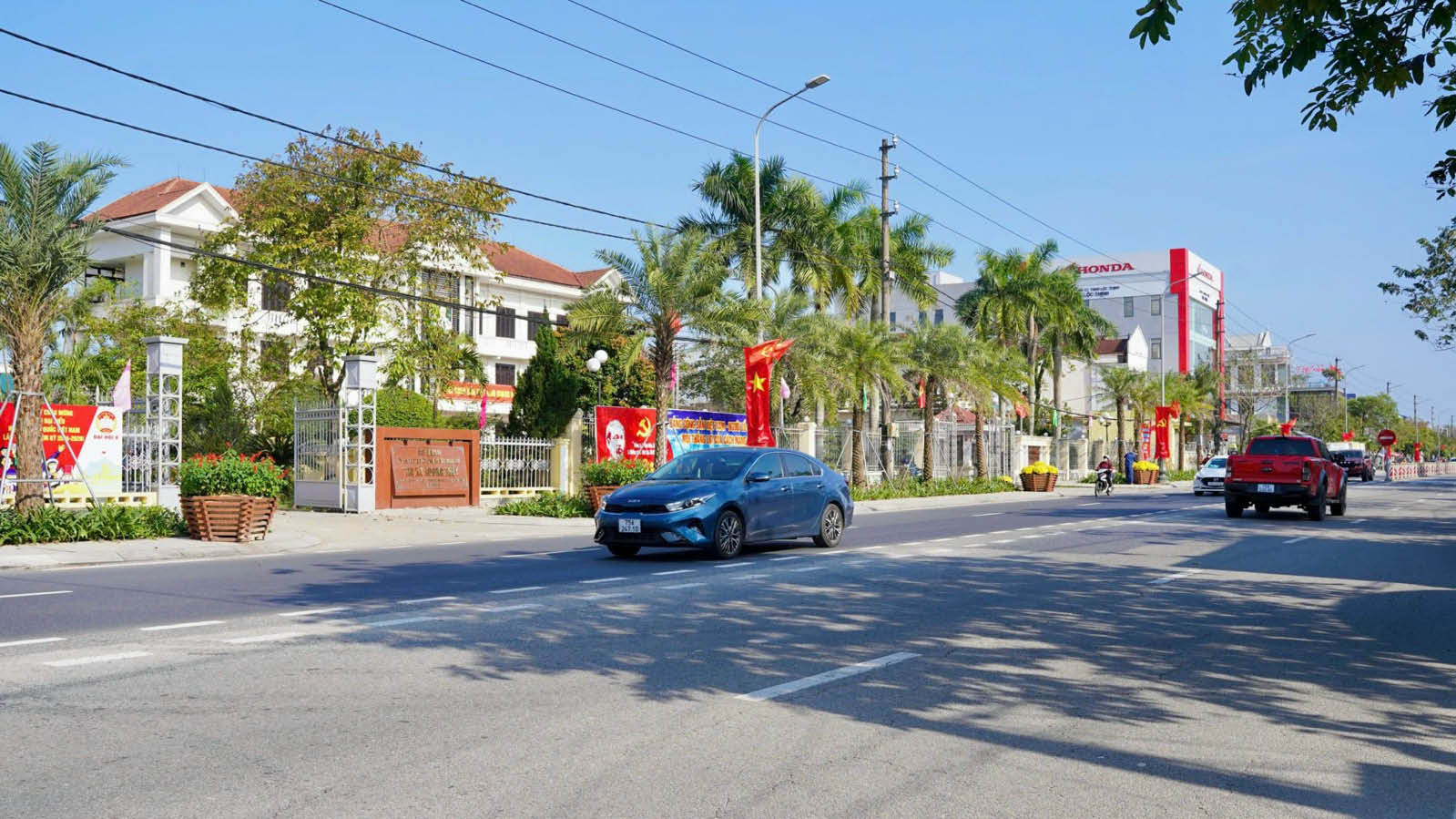
| Transportation connectivity - a major advantage for the development of Phu Bai. |
Advantages and challenges
Phu Bai Ward was established by merging the old Phu Bai Ward and the former Thuy Phu, Phu Son, and Duong Hoa communes of Huong Thuy town. It has a natural area of over 344 square kilometers and a population of nearly 39,000 people.
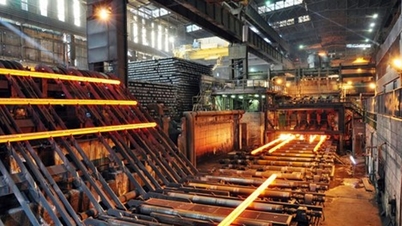
According to Le Van Cuong, Secretary of the Party Committee and Chairman of the People's Council of Phu Bai Ward, the merger of four administrative units has created favorable conditions for Phu Bai Ward to have a wider development space with many potentials and comparative advantages to exploit. The ward is home to the Phu Bai Industrial Park, one of the leading industrial parks in the city and the Central region. The industrial park contributes over 4,500 billion VND annually to the budget, equivalent to nearly 40% of the city's total budget revenue.
The locality has advantages in transportation infrastructure, especially Phu Bai International Airport, National Highway 1A, the Hue bypass, and the Cam Lo - La Son expressway, facilitating economic connectivity; it also has a system of natural lakes, streams, and springs in the former Duong Hoa area, which represent potential for tourism development. The people's lives are gradually improving, and national unity is strong. Decentralization and delegation of power foster proactive self-determination, with officials, civil servants, and Party members demonstrating a spirit of daring to think, daring to act, and daring to take responsibility, contributing to building a government that serves the people.
Alongside new opportunities, Phu Bai also faces many challenges in implementing its socio-economic development tasks. These include its large area, uneven population distribution between urban and mountainous regions; complex management and provision of public services and social welfare; inconsistent infrastructure; slow implementation of many key projects; limited budget; and unstable new revenue sources. The quality of human resources is uneven, and urban planning, land management, and environmental management still face many difficulties and shortcomings. The risks of natural disasters, epidemics, crime, and social vices remain...
Breakthroughs
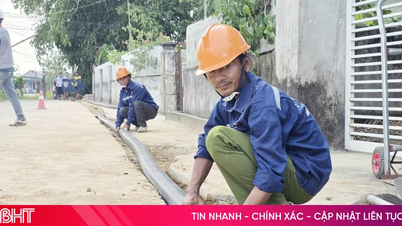
According to Le Van Cuong, Secretary of the Party Committee and Chairman of the People's Council of Phu Bai Ward, leveraging its potential and advantages, Phu Bai Ward has set four breakthroughs in socio-economic development within the framework of the two-tiered local government model. Firstly, a breakthrough in planning and developing a modern, synchronous urban area linked to the southern Hue city-airport-industrial zone development axis. Accordingly, the ward focuses on adjusting and effectively implementing zoning plans and detailed plans in line with the city's development orientation. The ward's priority is to create breakthroughs in land management, land clearance, and resettlement to create clean land for attracting investment. Urban infrastructure projects are being implemented synchronously, such as: horizontal and vertical transportation axes (connecting the industrial zone - airport - National Highway 1A - bypass), commercial infrastructure, parks, smart lighting, water supply and drainage; developing modern residential clusters and smart cities at the ward level, promoting the transformation from rural to urban areas.
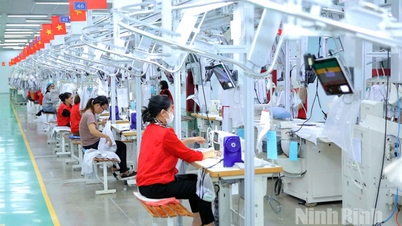
Secondly, we need to create a breakthrough in the development of a multi-pillar economy encompassing industry, services, logistics, and agriculture . Based on this, we will maximize the advantages of Phu Bai International Airport to form chains of aviation services, cargo transshipment, logistics, and supporting industries. Commercial services around the airport and industrial zone will be strongly developed, including centers for food and beverage services, resorts, healthcare, logistics, transportation, and microfinance.
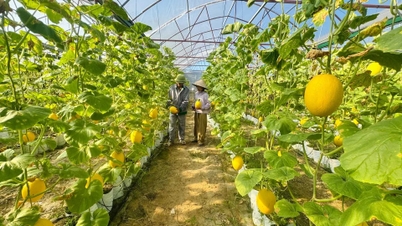
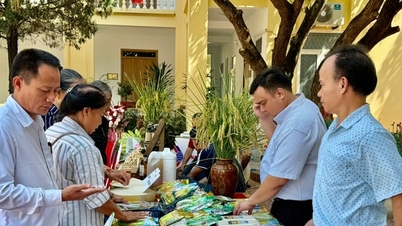
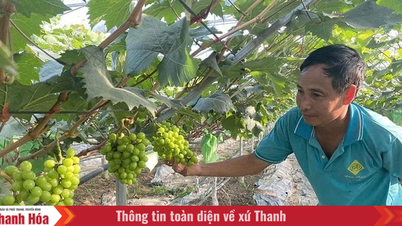
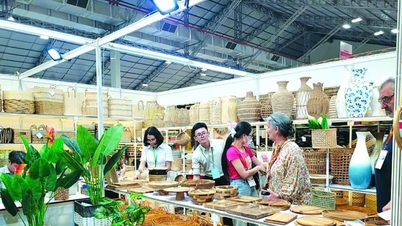
The agricultural sector is developing towards clean and safe practices, investing in high-quality hilly areas and sustainable forestry. This includes focusing on developing high-tech agricultural zones, prioritizing organic farming models, circular agriculture, hilly farms combined with experiential tourism, and OCOP (One Commune One Product) products linked to local communities. The forestry economy is being developed for multiple functions, such as protecting watershed forests, sustainable forest product exploitation, and combining eco-tourism, recreation, and environmental education; organizing concentrated production areas for local specialties (honey, bamboo shoots, essential oils, medicinal herbs, clean vegetables, free-range chicken, etc.) with traceability and value chain integration.
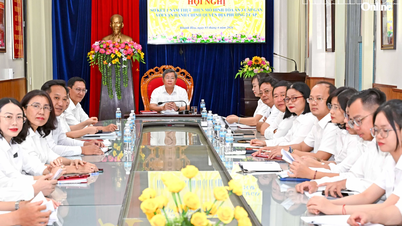
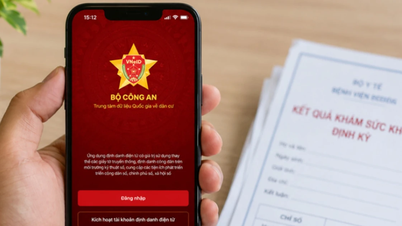
Thirdly, creating breakthroughs in building a service-oriented administration and a professional, digitized, and efficient urban government. Phu Bai effectively implemented a streamlined urban government model, clearly defining responsibilities between the Party, government, Fatherland Front, and political and social organizations. Simultaneously, it built a team of ward officials and civil servants who were both politically sound and professionally competent, capable of urban management, skilled in applying digital transformation, and dedicated to serving the people; digitizing urban management, population, and business data and records, integrating the public service portal and the ward-level smart operating system...
The final breakthrough is improving the quality of human resources and developing a sustainable culture, people, and society. Accordingly, Phu Bai focuses on developing local human resources, providing vocational training for rural workers and laborers, especially high-quality workers. The system of schools, healthcare facilities, parks, and cultural and sports institutions is invested in to suit the rapidly growing urban population, prioritizing resettlement areas affected by projects both within and outside the budget. A civilized urban lifestyle is built on the foundation of good management of construction order, environmental sanitation, urban aesthetics, and workplace and public space culture.
Source: https://huengaynay.vn/chinh-polit-xa-hoi/tao-dot-pha-trong-nhiem-ky-moi-158036.html




![[Photo] First session of the 14th Congress of the Vietnam Trade Union](https://vphoto.vietnam.vn/thumb/1200x675/vietnam/resource/IMAGE/2026/06/03/1780465947883_ndo_br_img-3852-jpg.webp)




































![[Video] Sunset at Lap An Lagoon – Where the sun sets over the fishing nets](https://vphoto.vietnam.vn/thumb/1200x675/vietnam/resource/IMAGE/2026/05/31/1780192137701_beach-landscape-sea-water-nature-grass-745871-pxhere-com.jpeg)























Comment (0)