

X asserts that its policy is based on user consent, and the platform will collect and use biometric information for safety, security, and identification purposes. According to Fortune , while the platform doesn't specifically define what biometric information means, the term typically refers to biological characteristics such as facial recognition, fingerprints, or voice recognition.
Under the new terms, the company also stores data on users' personal profiles, including education and work experience. Elon Musk's platform says this information is used to find jobs for users, help employers find potential candidates, and display more relevant advertisements.
This could pave the way for X Hiring, the upcoming recruitment tool currently in beta for verified organizations. In May, Elon Musk acquired the talent recruitment startup Laskie, which could be seen as a step toward turning X into the American billionaire's super app.

X indicates that users can access their own data, delete it, or change data settings at any time.
In July, a class-action lawsuit alleged that X stored biometric data without user consent. The plaintiffs said that Elon Musk's platform collected and stored identifying information from every photo containing a face uploaded to X.
The collection of biometric data has always been controversial due to concerns about public privacy. While credit card numbers or social security numbers can be altered if compromised, a person's biometric information cannot.
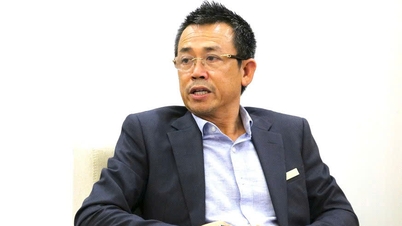
Brad Smith, founder of the digital company Succeed Digital, argues that storing users' biometric, occupational, or educational data can have both positive and negative impacts.
For example, fingerprint or facial recognition allows for more secure and convenient user authentication. Furthermore, data on education and occupation can facilitate job searching. However, storing this data comes with many risks. X's responsibility is to keep this data secure, but there is no guarantee.
Smith explained that companies or governments could misuse this information for surveillance purposes without user consent, and that storing academic and work history could inadvertently lead to discriminatory practices. Algorithms could use this data to make decisions, create biases in hiring, and network.
Jacopo Pantaleoni, a former engineer and research scientist at Nvidia, is far more pessimistic about the new policy changes. He warns that the plan to collect biometric data sets a dangerous precedent. He argues that if the use of these markers becomes more widespread, it could establish a system that makes it impossible for users to remain anonymous online, eroding the concept of online privacy.
Source link

![[Photo] Prime Minister Pham Minh Chinh presides over a meeting on private sector economic development.](/_next/image?url=https%3A%2F%2Fvphoto.vietnam.vn%2Fthumb%2F1200x675%2Fvietnam%2Fresource%2FIMAGE%2F2025%2F12%2F20%2F1766237501876_thiet-ke-chua-co-ten-40-png.webp&w=3840&q=75)































































































Comment (0)