

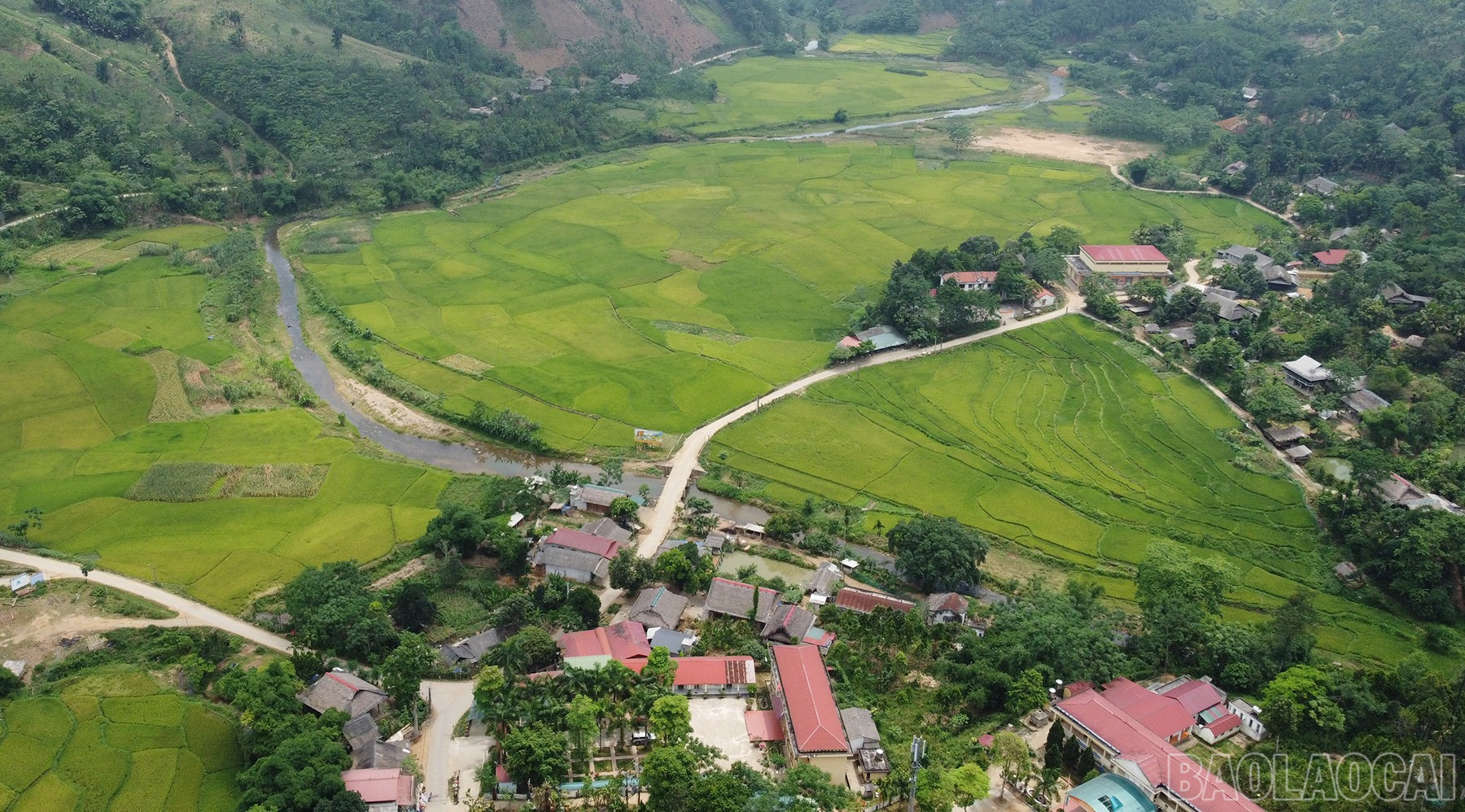
Phuc Khanh commune was established based on the adjustment of the administrative boundaries of the two former communes of Viet Tien and Phuc Khanh. Before the merger, Viet Tien commune had completed 19 out of 19 criteria and was recognized as a new rural commune. Meanwhile, the former Phuc Khanh commune, located in a particularly disadvantaged area, still had 4 out of 19 criteria that had not met the new rural commune standards.
In 2024, the remnants of Typhoon No. 3 caused serious damage in the two communes, significantly undermining the progress in achieving the new rural development criteria. After the merger, the infrastructure, transportation, and irrigation systems of Phuc Khanh commune still have many shortcomings and do not meet the requirements. This makes the goal of completing all 19 new rural development criteria increasingly difficult.
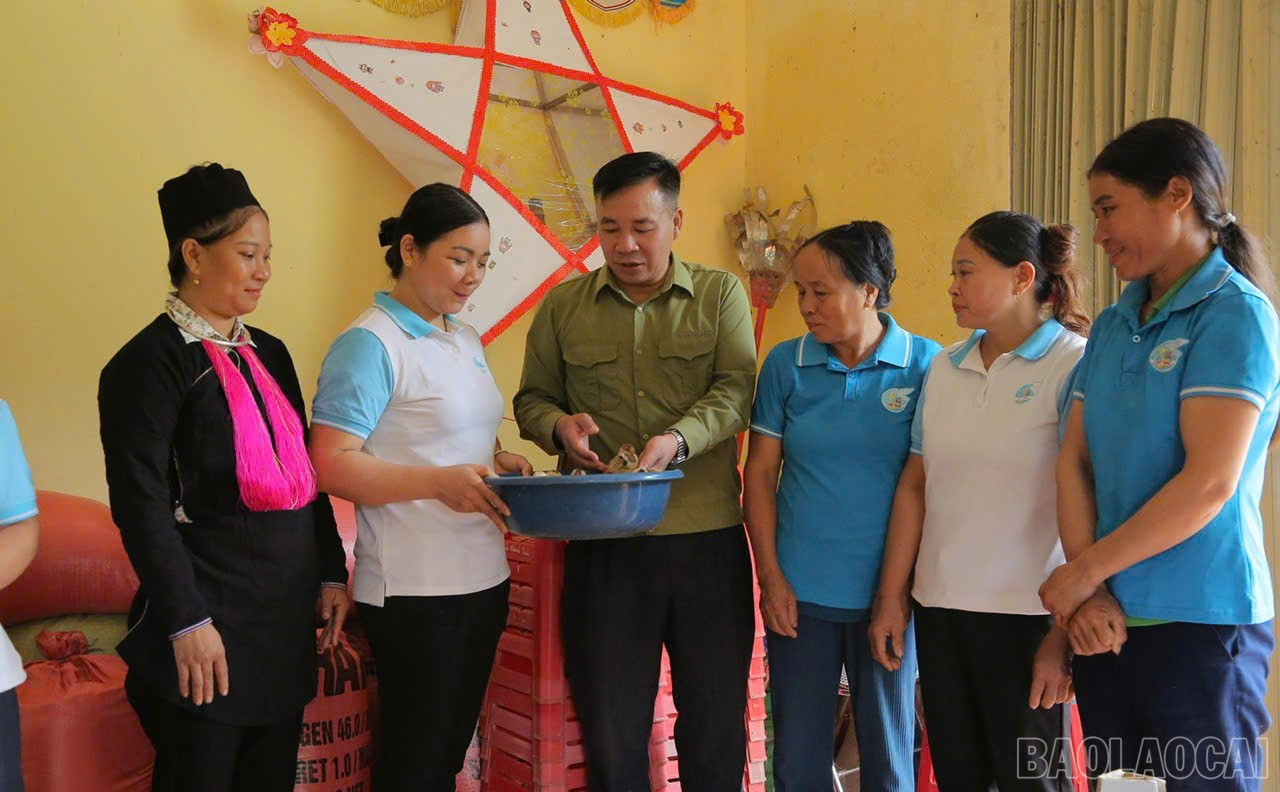
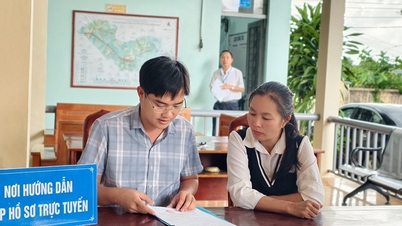
According to a report from the People's Committee of Phuc Khanh commune, as of now, the locality has completed 15 out of 19 criteria; 8 out of 19 villages have not yet met the new rural standards. The unmet criteria are mainly difficult ones, requiring large investment resources and a long implementation period, including: residential housing, schools, cultural facilities, and the poverty rate.
Regarding the criteria for residential housing, a review shows that Phuc Khanh commune currently has 54 households whose houses do not meet the standards (of which 39 need to be rebuilt and 15 need repairs). To address this issue, the commune has registered a need for financial support of approximately 1.87 billion VND in the period 2026-2030, prioritizing households with meritorious service, poor households, and near-poor households. However, due to economic difficulties and customs, the commencement of new construction and house repairs has not yet been implemented.
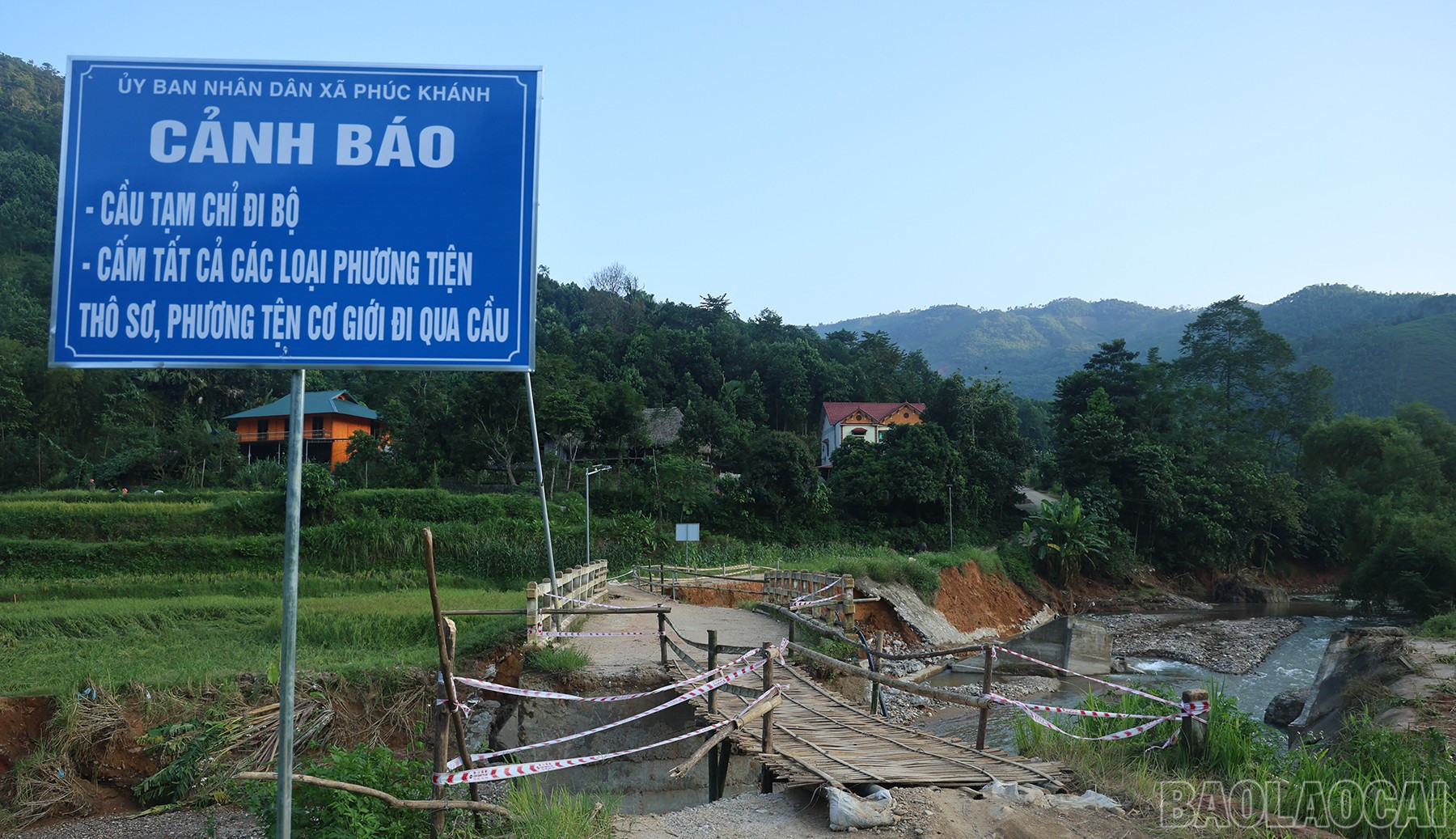
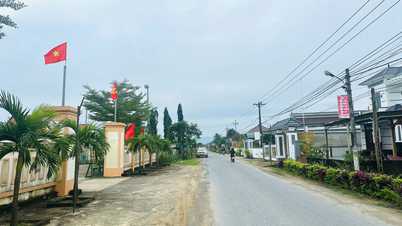
Furthermore, the transportation criteria are at risk of not meeting standards due to damage to many structures, such as bridges, culverts, and road systems caused by floods and heavy rains, which have not been repaired in a timely manner. Some road projects included in the investment plan before 2025, with the district (formerly) as the investor, have not yet been started. Currently, the commune manages 144.52 km of roads, including 24.8 km of commune-level roads and 119.72 km of village-level roads. Due to the impact of natural disasters and long-term use, many roads have deteriorated and are damaged. The percentage of paved roads currently only reaches 69.57%.
Ms. Trinh Thi Duyen, Chairwoman of the People's Committee of Phuc Khanh commune, said: "After the merger, the expansion of administrative boundaries has created greater development potential, but the land in the villages is not uniform, so many criteria for new rural development have been reduced. To achieve the goal of meeting the new rural development standards in the 2026-2030 period, Phuc Khanh commune will focus all resources on improving infrastructure, developing production, and increasing income for the people."
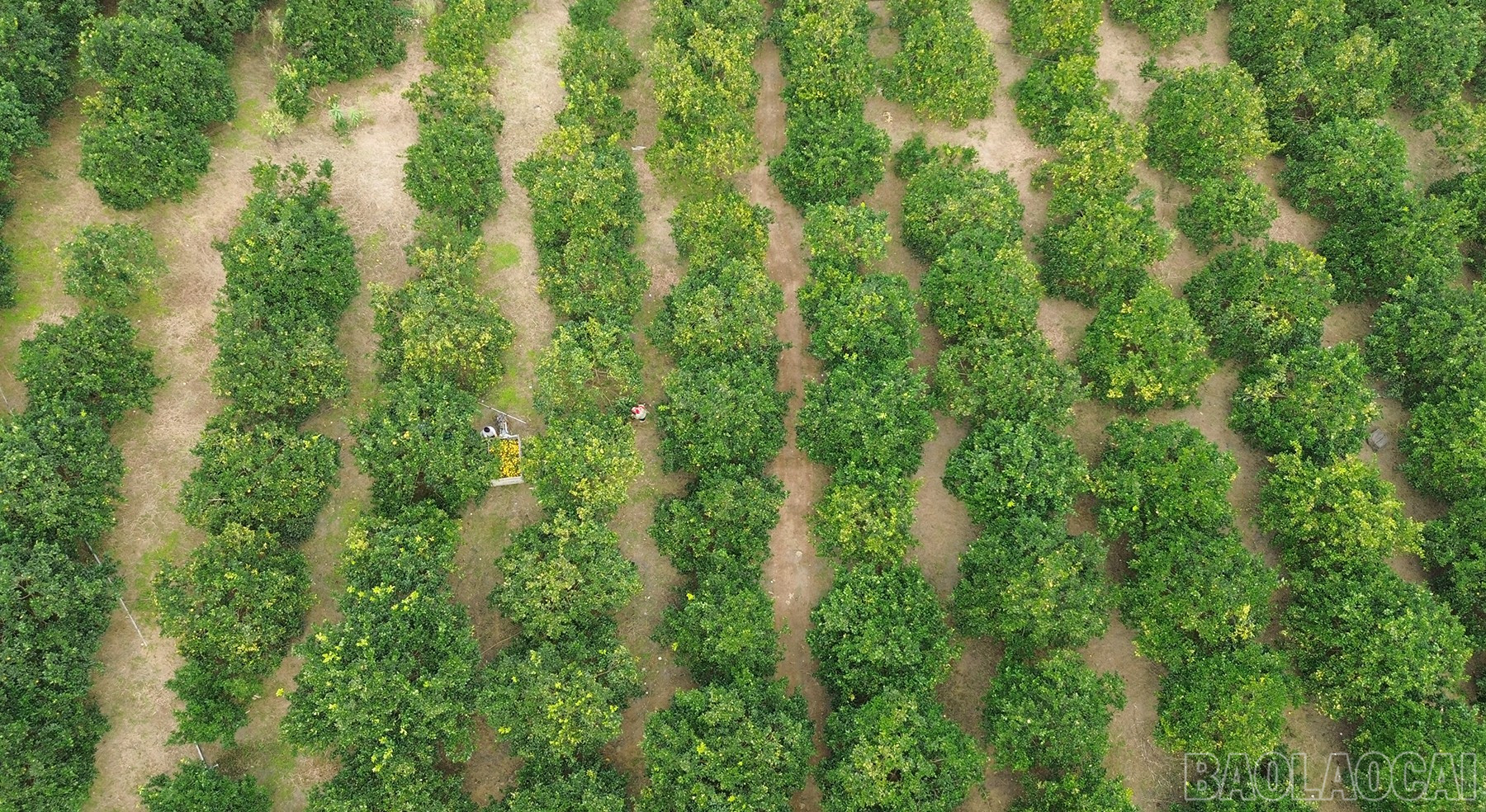
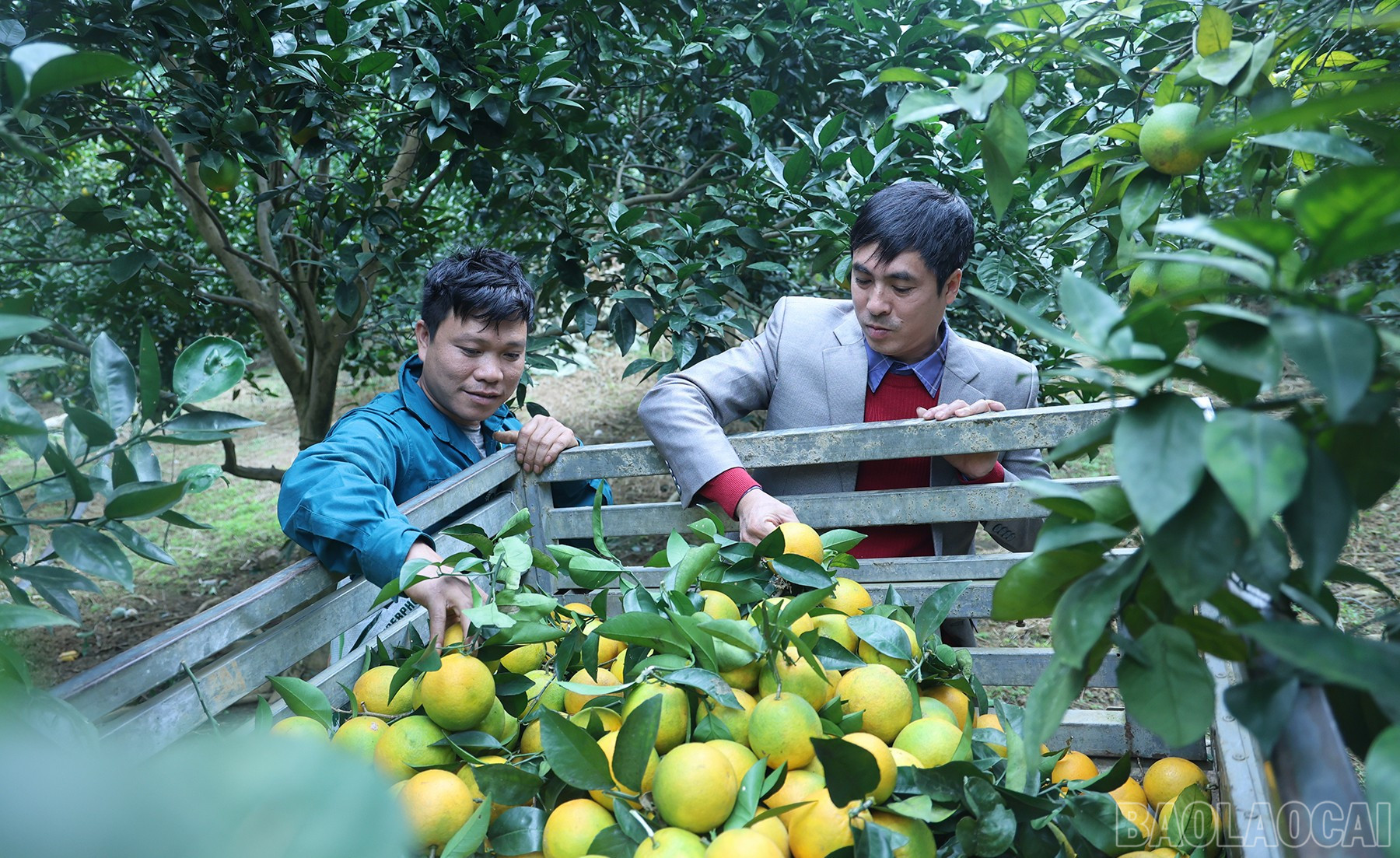
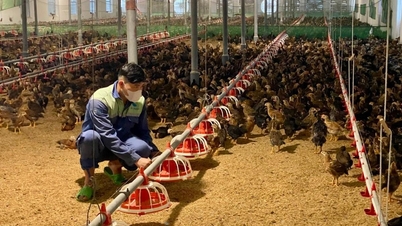
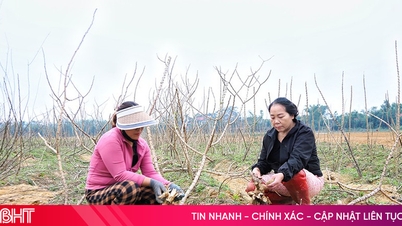
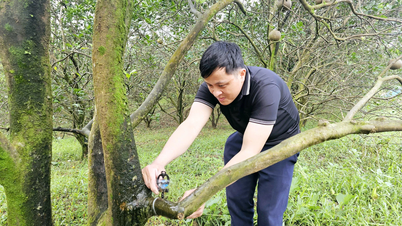
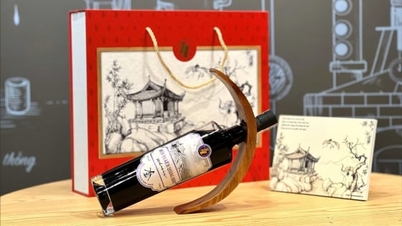
Immediately after consolidating its organizational structure, the commune implemented these orientations in practice to unlock resources and effectively utilize the local strengths. This included focusing on developing agricultural, forestry, and livestock products, such as: maintaining the area of citrus fruit trees (V2 oranges, pomelos) in the villages of Lang Dau, Tri Ngoai, Lang Nu, Coc Khieng, and Gia Ha; cultivating mulberry trees and raising silkworms in villages along the Chay River (Ham Rong, Coc Khieng, Dong Mong 1, 2); forestry, non-timber forest products (bamboo shoots), organic cinnamon, and raising large livestock and poultry (black pigs, chickens, Muscovy ducks) according to the plan. Improving the quality of cold-water fish farming in villages at the foot of Con Voi mountain (Tri Trong village, Lang Nu village), Lang Dang village, and building the Phuc Khanh sturgeon brand... In addition, expanding the scale of concentrated commodity production to ensure compliance with the province's overall planning and orientation, creating clean and safe products associated with implementing value chain production projects, and developing OCOP products to improve quality standards and competitiveness of products.
Simultaneously, promote sustainable forestry development, improve the economic efficiency of production forests; strengthen efforts to attract businesses to invest and collaborate with households from planting to processing wood products, creating favorable conditions for building factories and workshops for deep processing of forestry products, contributing to increasing added value, extending the value chain, and creating jobs and increasing income for local workers.
The journey to building new rural areas still faces many challenges, but with a specific roadmap and the decisive involvement of the entire political system, along with the collective efforts and unity of the people, Phuc Khanh commune is gradually overcoming difficulties, moving towards the goal of improving people's lives and building a civilized and livable countryside.
Source: https://baolaocai.vn/xa-phuc-khanh-thach-thuc-trong-xay-dung-nong-thon-moi-sau-sap-nhap-post888961.html

![[Live] 2025 Community Action Awards Gala](/_next/image?url=https%3A%2F%2Fvphoto.vietnam.vn%2Fthumb%2F1200x675%2Fvietnam%2Fresource%2FIMAGE%2F2025%2F12%2F16%2F1765899631650_ndo_tr_z7334013144784-9f9fe10a6d63584c85aff40f2957c250-jpg.webp&w=3840&q=75)
![[Photo] Prime Minister Pham Minh Chinh receives Lao Minister of Education and Sports Thongsalith Mangnormek](/_next/image?url=https%3A%2F%2Fvphoto.vietnam.vn%2Fthumb%2F1200x675%2Fvietnam%2Fresource%2FIMAGE%2F2025%2F12%2F16%2F1765876834721_dsc-7519-jpg.webp&w=3840&q=75)
![[Photo] Prime Minister Pham Minh Chinh receives the Governor of Tochigi Province (Japan)](/_next/image?url=https%3A%2F%2Fvphoto.vietnam.vn%2Fthumb%2F1200x675%2Fvietnam%2Fresource%2FIMAGE%2F2025%2F12%2F16%2F1765892133176_dsc-8082-6425-jpg.webp&w=3840&q=75)

![[Image] Leaked images ahead of the 2025 Community Action Awards gala.](/_next/image?url=https%3A%2F%2Fvphoto.vietnam.vn%2Fthumb%2F1200x675%2Fvietnam%2Fresource%2FIMAGE%2F2025%2F12%2F16%2F1765882828720_ndo_br_thiet-ke-chua-co-ten-45-png.webp&w=3840&q=75)




























![[Photo] Prime Minister Pham Minh Chinh attends the Vietnam Economic Forum 2025](https://vphoto.vietnam.vn/thumb/402x226/vietnam/resource/IMAGE/2025/12/16/1765893035503_ndo_br_dsc-8043-jpg.webp)















Comment (0)