

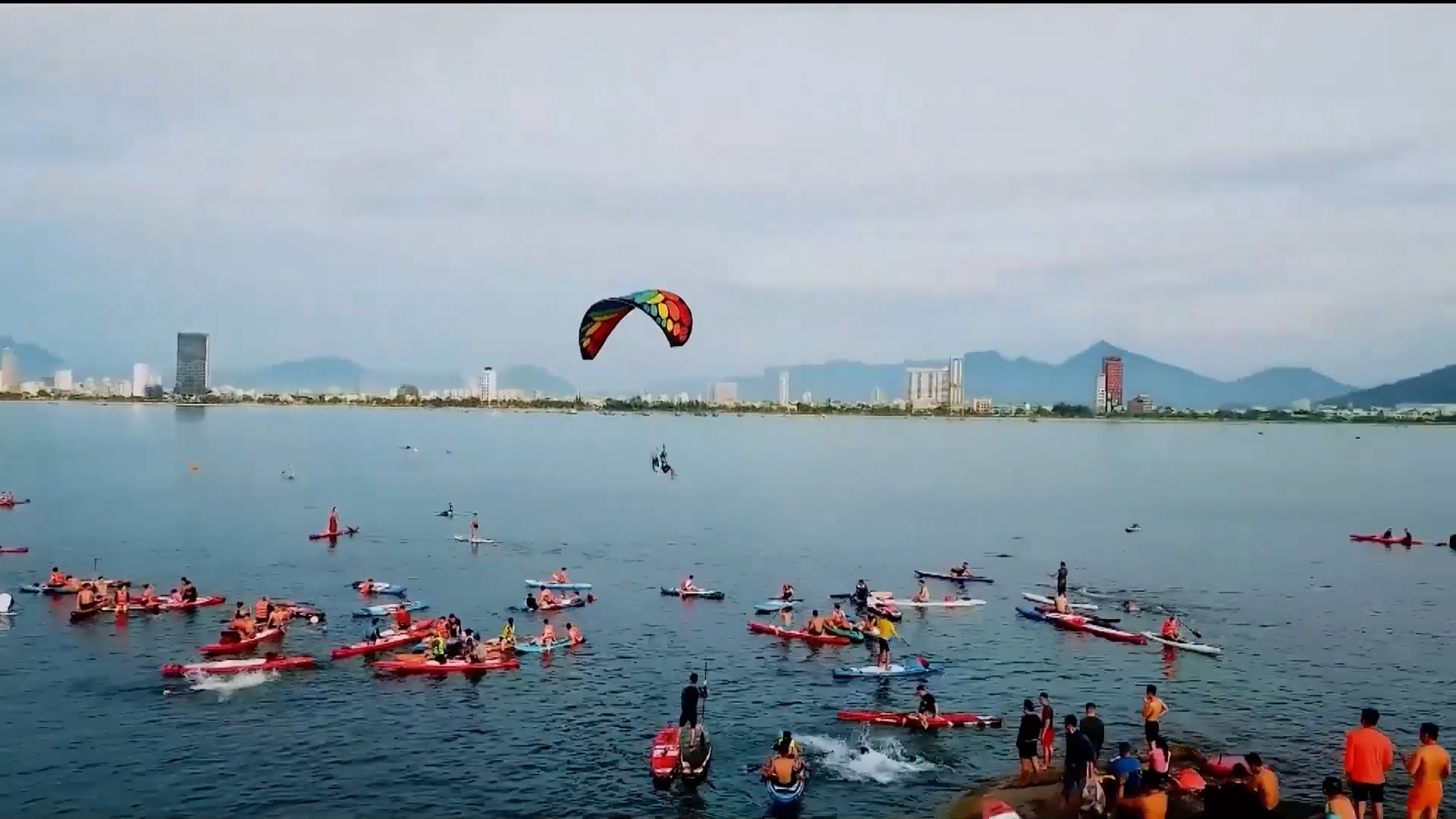
The merger
Throughout their historical development, Quang Nam and Da Nang have merged and separated several times. The most recent separation was in 1997, when Da Nang became a centrally governed city and was subsequently classified as a Class 1 urban area.
These days, among the thousands of officials and civil servants who moved from Da Nang to Quang Nam in 1997, many are preparing to return to Da Nang (instead of going to Da Nang as many people still call it). Most people with household registration in Da Nang, living in the city, have roots in Quang Nam. Conversely, many Quang Nam leaders have families and parents living in Da Nang. It is this intertwined and strong economic , cultural, and historical relationship between Da Nang and Quang Nam that has shaped the unique cultural landscape of this region – the land of Quang Nam.
The merger of Da Nang and Quang Nam will cause some initial disruptions, but from a broader perspective and in the long term, it will create synergy and continuity in many aspects, further strengthening the region and generating new momentum for development.
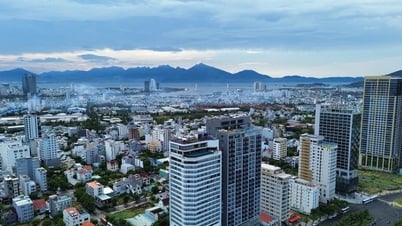
Looking at the map, the current urban area of Da Nang is only the size of Phuoc Son district in the mountainous region of Quang Nam province. Furthermore, Da Nang's northern border is adjacent to Hai Van Pass, leaving little room for further development.
The southern area has also been planned, and the agricultural land in Hoa Phuoc, Hoa Chau, and Hoa Quy communes is almost exhausted; the reserve land fund cannot meet the needs of large projects.
Da Nang's limited urban space is a barrier that diminishes the region's role as a driving force. The city's development has also stalled due to declining land revenue. Its ranking in terms of budget revenue has fallen far behind localities like Quang Ngai.
Compared to other centrally-governed cities, Da Nang's budget revenue is among the lowest, at only about 27 trillion VND per year. Despite its favorable geographical location and well-developed infrastructure, Da Nang's potential for growth is almost exhausted. Meanwhile, Quang Nam is in a similar situation. The merger of Quang Nam and Da Nang has compensated for the limitations that both Da Nang and Quang Nam are currently facing.
We will remove the bottlenecks.
For a long time, apart from the effective development of tourism linkages, many areas considered to create regional connections between Da Nang and Quang Nam have been fragmented, even blocked. For example, 10 years ago, leaders of Quang Nam province and Da Nang city sat down together to discuss solutions for dredging the Co Co River to connect the Han River estuary to the ancient town of Hoi An. Reviving this historical river has significant environmental and tourism development implications, connecting Da Nang and Quang Nam and forming satellite cities along the river.
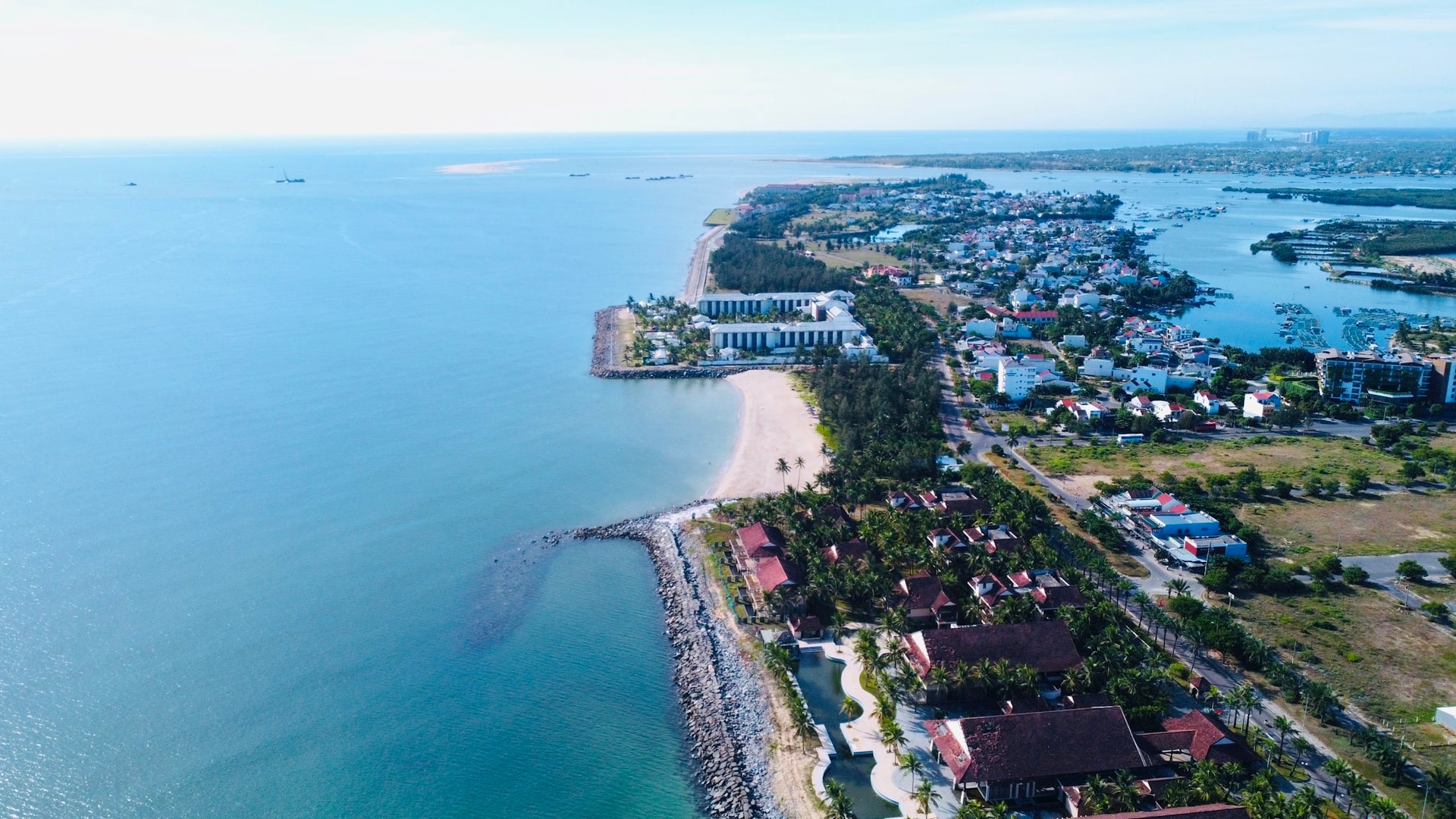
The total capital allocated by the central and local governments for the regional linkage project, dredging 30km of the Co Co River and constructing a transportation system on both banks, is no less than 2,000 billion VND. After more than 5 years, Da Nang City has completed the project (10km). Quang Nam, however, has only achieved over 50% completion and it is unknown when it will be finished.
Thus, the Co Co River project is stalled. What's noteworthy is that many believe this regional connectivity project is essentially a case of everyone acting independently. Over 10km within the Ngu Hanh Son district (Da Nang), at least four new bridges have been put into use, but their clearance for boats is only slightly over 3 meters. With this clearance, tourist boats can hardly navigate the Co Co River as the project intended.
Also related to transportation, previously, Da Nang City wanted to open a tourist route from the Han River to Cham Island, but the authorities in Quang Nam province opposed it. Even the current bus route from Tam Ky to Da Nang has many shortcomings. The bus route from Hoi An to Da Nang also requires transfers due to different subsidies from each locality.
Another obvious drawback is that Da Nang is using freshwater from rivers in Quang Nam, leaving Da Nang's authorities and water supply company very passive in coordinating water resources. During the peak of the dry season, Da Nang residents face water shortages, forcing the city government to appeal to central government ministries for assistance. To divert water to the An Trach dam, Da Nang requested permission to build a temporary dam on the Quang Hue River, but the procedures are very complicated…
These are just a few of the hundreds of problems that Da Nang City and Quang Nam Province have been and are still facing. After the merger, it is expected that the limitations and inadequacies in state management based on geographical areas will be eliminated. Instead, a continuous space, an open urban area with practical regional connectivity will be established.
According to Mr. Truong Xuan Ty, Deputy Director of the Department of Agriculture and Environment of Quang Nam province: "For a long time, the Vu Gia and Thu Bon rivers were inter-provincial rivers managed by the Ministry of Agriculture and Environment. Now that Da Nang and Quang Nam have merged, these two rivers belong to Da Nang, and the right to manage water resources belongs to Da Nang, making things much easier."
Defining new development areas
According to experts, after the merger, Da Nang and Quang Nam need to coordinate their planning and clearly define the specific characteristics of each locality. For example, regarding mineral resource planning, Da Nang should stop granting mining licenses in Hoa Vang district – west of the city center. Instead, mining sites should be planned in the midland and mountainous districts of Quang Nam. Furthermore, it is necessary to connect transportation infrastructure from Da Nang seaport to national highways in the region...
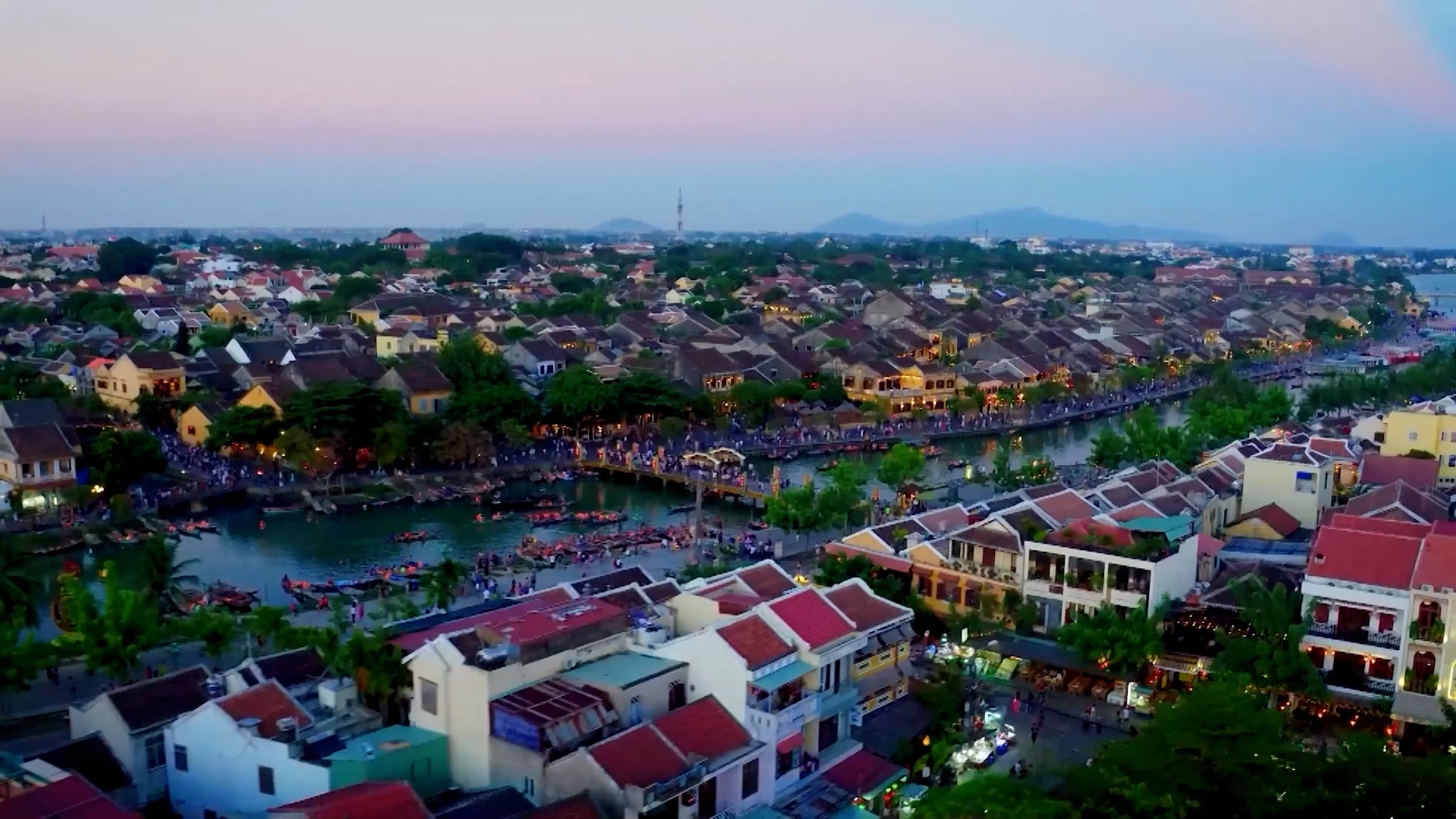
Expanding development space requires a well-planned regional linkage strategy. Da Nang should maintain its role as a financial, service, and innovation center. Quang Nam should focus on developing supporting industries, logistics, and providing skilled labor.
Dr. Nguyen Dinh Cung, former Director of the Central Institute for Economic Management Research, believes that Da Nang needs to expand its development space in terms of air, sea, and road transport. Road transport, in addition to connecting the North and South, must also connect the East and West, and the Central Highlands. Da Nang cannot develop without expanding its development space. The development of Da Nang also has a ripple effect on the entire region.
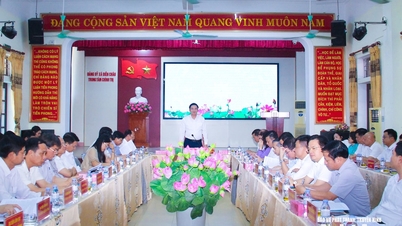
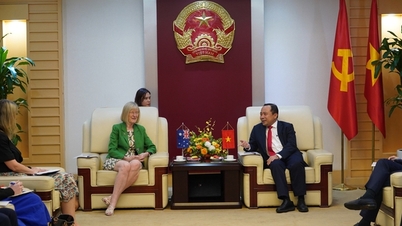
During a recent working session between leaders of Quang Nam province and Da Nang city, Mr. Vu Quang Hung, Head of the Management Board of Da Nang High-Tech Park and Industrial Zones, proposed the need to develop an integrated plan with clearly defined roles to create a continuous value chain and avoid overlapping functions between the two localities.
Next, investment in regional infrastructure, strategic transportation routes, and connections between ports, airports, and highways is necessary to ensure the smooth operation of the free trade zone.
At the same time, there is a need for policies to retrain workers and connect businesses with schools to create a suitable workforce. In particular, preferential policies should be expanded to reflect actual development conditions, not limited by administrative boundaries.
To leverage the resources from Quang Nam, Da Nang needs a long-term regional development strategy that closely links planning, infrastructure, human resources, and institutions.
This is the foundation for the newly merged region to rise into a new growth pole, a financial and high-tech center of Central Vietnam and the entire country. This is also the expectation of the central government after the merger of Da Nang and Quang Nam...
Source: https://baoquangnam.vn/xung-luc-moi-cua-do-thi-da-nang-3157060.html


![[Image] Close-up view of the interchange connecting the two expressways and Long Thanh Airport.](https://vphoto.vietnam.vn/thumb/1200x675/vietnam/resource/IMAGE/2026/05/25/1779703378210_ndo_br_z7863716673926-224453a31600126cce10622af6290afd-4549-jpg.webp)


![[Image] Hanoi's urban life under the challenge of a "scorching hot" environment](https://vphoto.vietnam.vn/thumb/1200x675/vietnam/resource/IMAGE/2026/05/25/1779706979265_nang-nong-t5-2026-minh-duy-7-4636-jpg.webp)







































































Comment (0)