

The immune system acts as a shield protecting the body from pathogens in the external environment. In winter, with cold weather, changes in lifestyle, less sunlight, and an increased risk of viral infections, the immune system faces more pronounced challenges than in other seasons of the year.
- 1. Citrus fruits: A source of vitamin C to boost immunity during winter.
- 2. Leafy green vegetables - the silent "guardians" protecting cells.
- 3. Nuts
- 4. Herbs and spices
- 5. Seasonal fruits provide nutrients that are suitable for the body.
Winter is the time when respiratory infections like colds and flu are common. Therefore, taking care of your immune system goes beyond just staying warm and resting; it also depends heavily on your daily diet. Foods rich in vitamins, minerals, and antioxidants play a vital role in helping the body fight off illness.
Powerful immune boosters not only help the body fight off common colds and flu, but also support recovery from injury and maintain stable energy levels. This is why a nutrient-rich diet is a crucial pillar for an effective immune system during the winter months.
1. Citrus fruits: A source of vitamin C to boost immunity during winter.
Citrus fruits such as oranges, lemons, grapefruits, and tangerines have long been known as rich sources of vitamin C. Vitamin C plays a crucial role in boosting the production of white blood cells – one of the body's first lines of defense against viruses and bacteria.
Studies show that regular vitamin C supplementation can significantly improve the symptoms of the common cold in adults. During the winter months, when the risk of viral illnesses increases, incorporating citrus fruits into your daily diet is a simple yet effective option.
You can start your day with a glass of warm lemon water or add oranges or grapefruits to your snacks. Not only do these fruits boost immunity, but they also help your body feel more refreshed and comfortable in cold weather.
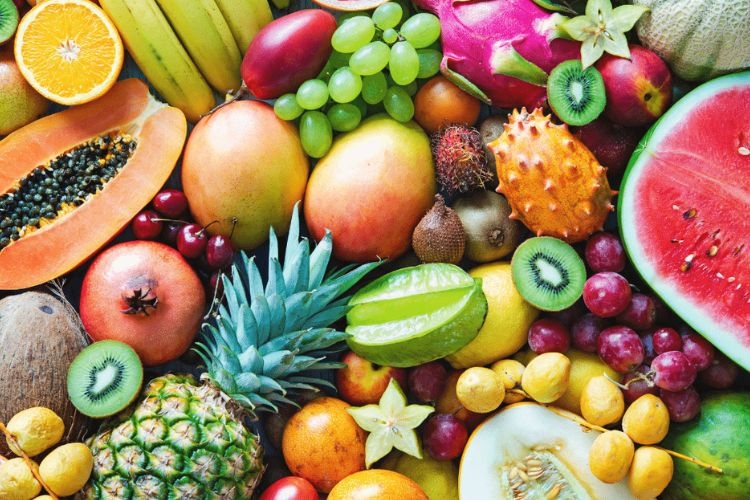
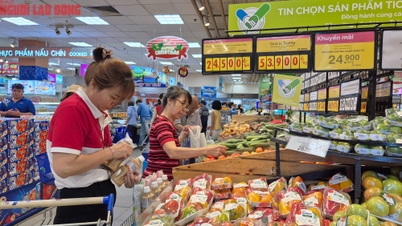
Fruits and seasonal produce provide vitamins and antioxidants that boost the body's immunity.
2. Leafy green vegetables - the silent "guardians" protecting cells.
Leafy green vegetables like spinach, cabbage, kale, and mint are nutrient-rich foods that benefit the immune system. These vegetables contain vitamin C, antioxidants, and beta-carotene – elements that help protect cells from damage and boost their ability to fight disease.
Leafy green vegetables are highly versatile in cooking; they can be added to hot soups, bean stews, or even mixed with flour to make paratha – a suitable option for warm meals in winter.
Maintaining a daily habit of eating green vegetables is not only good for the immune system but also contributes to nutritional balance and supports overall health during periods of extreme weather.
3. Nuts
Fatigue is quite common in winter, when the immune system has to work harder to fight viruses. Nuts like almonds, sunflower seeds, and walnuts are rich sources of vitamin E – an important antioxidant for immune cell health.
Vitamin E helps improve the function of immune cells and reduces oxidative stress in the body. Just a small handful of nuts each day can help support a more effective immune system.
Nuts are also convenient, easy to carry, and suitable as a snack on cold days when the body's energy needs tend to increase.
4. Herbs and spices
When the weather changes, adding herbs and spices like ginger, garlic, basil, or turmeric to your diet can offer numerous health benefits.
These familiar ingredients contain powerful anti-inflammatory and antioxidant properties, helping the body better cope with viral infections. No complicated recipes are needed; a simple cup of tea made with ginger, garlic, or turmeric can help soothe a sore throat, reduce inflammation, and support the immune system during cold weather.
Utilizing readily available spices in the kitchen not only enhances the flavor of dishes but also contributes to naturally boosting immunity.
5. Seasonal fruits provide nutrients that are suitable for the body.
Besides citrus fruits, seasonal fruits also play an important role in supporting immunity. Papaya is a prime example, with its high content of the enzyme papain, which has anti-inflammatory effects, and its ability to meet 100% of the daily vitamin C requirement.
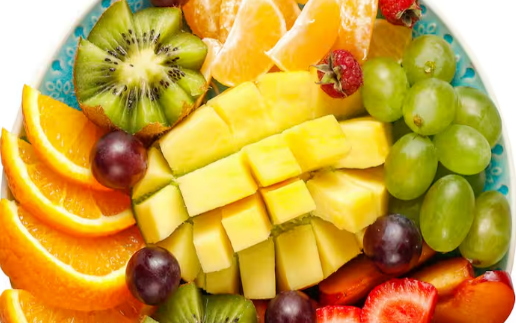
Besides papaya, fruits like kiwi, guava, and strawberries are also good sources of vitamins and antioxidants that benefit the immune system. Prioritizing seasonal fruits not only ensures nutritional value but also better suits the body's physiological needs at different times.
It's important to emphasize that no single food can instantly "activate" the immune system or produce miraculous results. Immunity is a complex system that requires consistent, long-term nurturing through a healthy lifestyle and proper nutrition.
Choosing foods rich in vitamins and minerals, eating a balanced diet, and maintaining healthy habits can help the body maintain stable energy levels, reduce fatigue, and increase resistance to common pathogens during the cold season.
Nutrition plays a fundamental role in boosting the immune system, but it's inseparable from a healthy lifestyle. Besides eating a nutrient-rich diet, regular exercise also contributes to improved immunity and reduced risk of infection. The combination of a balanced diet, appropriate exercise, and maintaining a regular lifestyle is the key to a stable and resilient immune system throughout the winter.
Readers are invited to read more:
Source: https://suckhoedoisong.vn/5-loai-thuc-pham-chong-lai-nhiem-trung-trong-mua-dong-169251214185111312.htm
![[Photo] Prime Minister Pham Minh Chinh receives the Governor of Tochigi Province (Japan)](/_next/image?url=https%3A%2F%2Fvphoto.vietnam.vn%2Fthumb%2F1200x675%2Fvietnam%2Fresource%2FIMAGE%2F2025%2F12%2F16%2F1765892133176_dsc-8082-6425-jpg.webp&w=3840&q=75)


![[Photo] Prime Minister Pham Minh Chinh receives Lao Minister of Education and Sports Thongsalith Mangnormek](/_next/image?url=https%3A%2F%2Fvphoto.vietnam.vn%2Fthumb%2F1200x675%2Fvietnam%2Fresource%2FIMAGE%2F2025%2F12%2F16%2F1765876834721_dsc-7519-jpg.webp&w=3840&q=75)
![[Image] Leaked images ahead of the 2025 Community Action Awards gala.](/_next/image?url=https%3A%2F%2Fvphoto.vietnam.vn%2Fthumb%2F1200x675%2Fvietnam%2Fresource%2FIMAGE%2F2025%2F12%2F16%2F1765882828720_ndo_br_thiet-ke-chua-co-ten-45-png.webp&w=3840&q=75)
![[Live] 2025 Community Action Awards Gala](/_next/image?url=https%3A%2F%2Fvphoto.vietnam.vn%2Fthumb%2F1200x675%2Fvietnam%2Fresource%2FIMAGE%2F2025%2F12%2F16%2F1765899631650_ndo_tr_z7334013144784-9f9fe10a6d63584c85aff40f2957c250-jpg.webp&w=3840&q=75)






































































Comment (0)