

Taking naps helps combat fatigue, eating enough fiber helps relieve constipation, and meditation reduces depression in people with hypothyroidism.
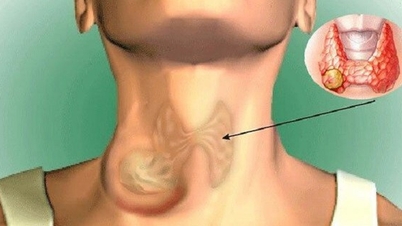
Hypothyroidism is a condition characterized by a deficiency of thyroid hormone. In addition to medication, patients can try some of the following methods to alleviate symptoms.
Combat fatigue
Fatigue is a very common symptom of hypothyroidism. Sleep problems such as insufficient sleep or excessive sleep can worsen thyroid dysfunction.
Patients should take a nap to reduce fatigue and increase energy levels. A 20-30 minute nap, not too close to the afternoon, helps prevent difficulty sleeping at night.
Fight against colds
The thyroid gland controls body temperature. However, if the thyroid gland doesn't produce enough regulating hormones, people with hypothyroidism are more susceptible to colds and colds than normal. Therefore, it's important to dress warmly, keep your body warm, and prepare extra clothing for cold places or areas with rapidly changing weather.
Prevent dry skin
Dry skin is also a common symptom of this condition. Patients often apply moisturizers and hydrating creams several times a day to retain moisture in their skin. Choose moisturizers that are alcohol-free and chemical-free to avoid worsening symptoms.
Reduce constipation
Eating enough fiber helps prevent constipation. Good sources of fiber include whole grains, brown rice, barley, oats, whole-wheat pasta, and fruits and vegetables such as carrots, tomatoes, celery, and jujubes. Your doctor or nutritionist can advise you on the appropriate daily fiber intake. Avoid consuming excessive amounts of fiber as it can interfere with the body's ability to absorb thyroid medication.
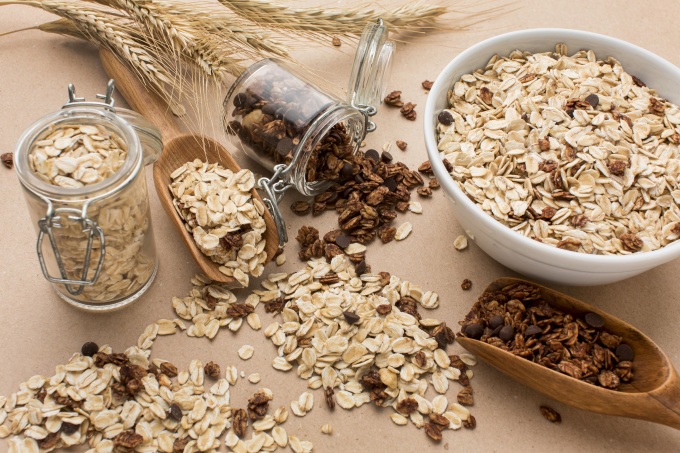
Oatmeal, rich in fiber, is beneficial for people with hypothyroidism when consumed in moderation. (Image: Freepik)
Weight management
Hypothyroidism slows metabolism, leading to weight gain. A balanced, healthy diet rich in fruits, vegetables, whole grains, and lean protein can help control weight. Limit processed foods and foods high in fat and sugar.
Take medication as prescribed, and limit or avoid foods that affect thyroid function and medication absorption, such as seaweed, iodine, and soy. Proper treatment also helps patients manage weight gain and other symptoms.
Antidepressant
Depression is sometimes a symptom of hypothyroidism. Meditation can reduce stress levels and help prevent depression in people with hypothyroidism.
A 2019 study by the University of Patras, Greece, and several other institutions showed that 60 women with Hashimoto's thyroiditis (an autoimmune disease caused by a disorder in the immune system) who practiced relaxation techniques including meditation for eight weeks experienced a reduction in thyroid antibody levels, stress, anxiety, and depression.
Take the medication at the same time each day.
Taking thyroid medication regularly allows the body to regulate thyroid function better, increasing the effectiveness of treatment.
Patients should take thyroid medication on an empty stomach, as some foods and supplements, including those containing calcium and iron, can interfere with thyroid absorption. Wait at least 30 minutes to an hour after taking the medication before eating. Set reminders on your phone to remember to take your medication on time.
Mai Cat (According to Everyday Heath )
| Readers can ask questions about endocrine diseases here for doctors to answer. |
Source link
![[Image] National Assembly discusses the implementation of the socio-economic development plan.](https://vphoto.vietnam.vn/thumb/1200x675/vietnam/resource/IMAGE/2026/04/20/1776696707422_ndo_br_img-20260420-185419-jpg.webp)

![[Photo] General Secretary and President To Lam meets with National Assembly delegates from ethnic minorities.](https://vphoto.vietnam.vn/thumb/1200x675/vietnam/resource/IMAGE/2026/04/20/1776696701056_a1-bnd-8331-3342-jpg.webp)































































































Comment (0)