

In addition to nausea, fever, and infections, leukemia can also cause bleeding under the skin, rashes, and fungal infections.
Leukemia is a type of blood cancer that affects blood cells and bone marrow. When you have leukemia, the white blood cells that fight infection, red blood cells, and platelets are overwhelmed by cancerous cells. Below are some skin conditions caused by leukemia.
Subcutaneous bleeding
Leukemia affects the production of platelets—blood cells that clot to stop bleeding. When platelet counts are low, patients often experience bleeding under the skin or even minor injuries can trigger this condition.
Capillaries rupture beneath the skin. If there aren't enough platelets to stop the damaged capillaries, blood leaks into the skin. In addition to petechiae (small red spots on the skin), this can appear as purpura (larger red areas) or bruising. These spots usually take several weeks to disappear.
Leukemia of the skin
As the disease progresses, white blood cells formed in the bone marrow can migrate into the skin layers, leading to skin lesions. This condition looks like hard bumps or nodules ranging in color from reddish-brown to purple.
Vasculitis
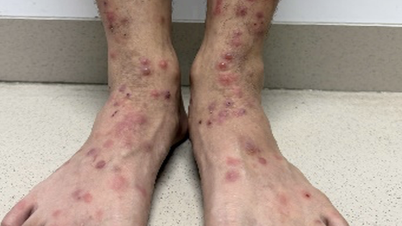
The blood vessels and the surrounding areas become inflamed, appearing as purple spots, petechiae (small purple, brown, or red spots), or network-like purple lesions developing on the skin.
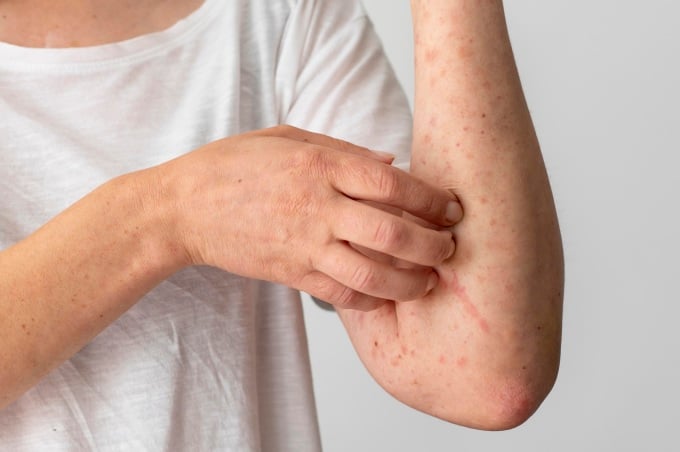
Patients with leukemia often develop skin lesions. (Image: Freepik)
Folliculitis
Leukemia inhibits the growth of mature white blood cells that fight infection, making the body much more susceptible to skin infections. A common infection is folliculitis, which occurs due to bacterial or fungal infection. Appropriate antibacterial or antifungal therapy (topical creams, oral medications) is usually used to treat folliculitis.
Fungal skin infections
This is a fungal infection that appears as white, pink, red, or brown patches on the skin. It is most commonly seen on the neck, chest, back, and arms.
Skin rash
A common allergic reaction to leukemia medication results in a skin rash resembling measles. This condition usually develops 7-10 days after the first dose of the medication.
Chemotherapy rash
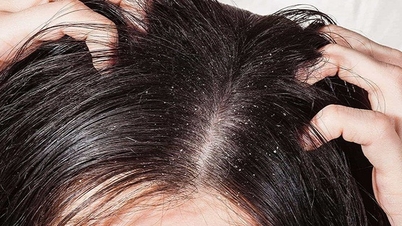
Leukemia patients often require chemotherapy, a side effect that can cause a rash. Chemotherapy rashes resemble acne and commonly appear on the face, scalp, neck, chest, and back. This condition causes symptoms such as pain, irritation, burning, and stinging.
Sweet syndrome
People with leukemia have weakened immune systems and may develop a rare skin condition called Sweet's syndrome. Patients develop pink bumps or patches that resemble insect bites due to inflamed neutrophils invading the skin. In addition to the rash, patients may experience fever or chills.
Mai Cat (According to Everyday Health )
| Readers can post their cancer questions here for doctors to answer. |
Source link



![[Image] National Assembly discusses the implementation of the socio-economic development plan.](https://vphoto.vietnam.vn/thumb/1200x675/vietnam/resource/IMAGE/2026/04/20/1776696707422_ndo_br_img-20260420-185419-jpg.webp)

![[Photo] General Secretary and President To Lam meets with National Assembly delegates from ethnic minorities.](https://vphoto.vietnam.vn/thumb/1200x675/vietnam/resource/IMAGE/2026/04/20/1776696701056_a1-bnd-8331-3342-jpg.webp)














































































Comment (0)