


Preserving the flavors of our homeland.
Phu Tho, the land of the ancient capital of Van Lang, associated with the Hung Kings era of nation-building, possesses a unique, diverse culinary culture deeply rooted in the identity of the ancestral land.
The cuisine of Phu Tho's midland region is quite rich and unique, with a wide variety of ingredients and cooking methods. Some dishes are associated with legends, festivals, and the spiritual culture of the region, while others are regional specialties, found only in that area or only delicious in that region.
Even though they are far from their homeland, the people of Phu Tho living in Dak Nong still remember and continue to preserve the flavors of their ancestral land in their new home.
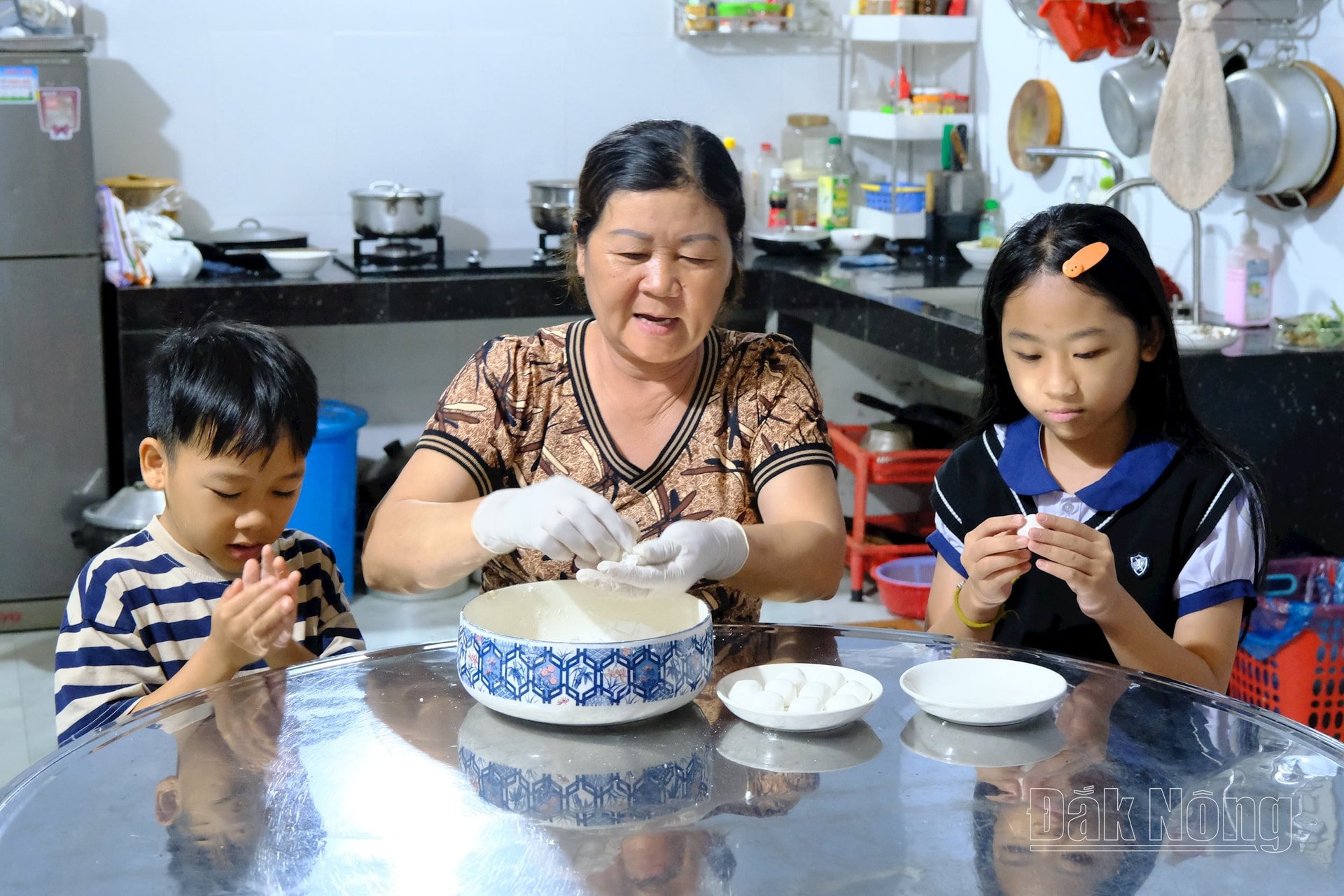
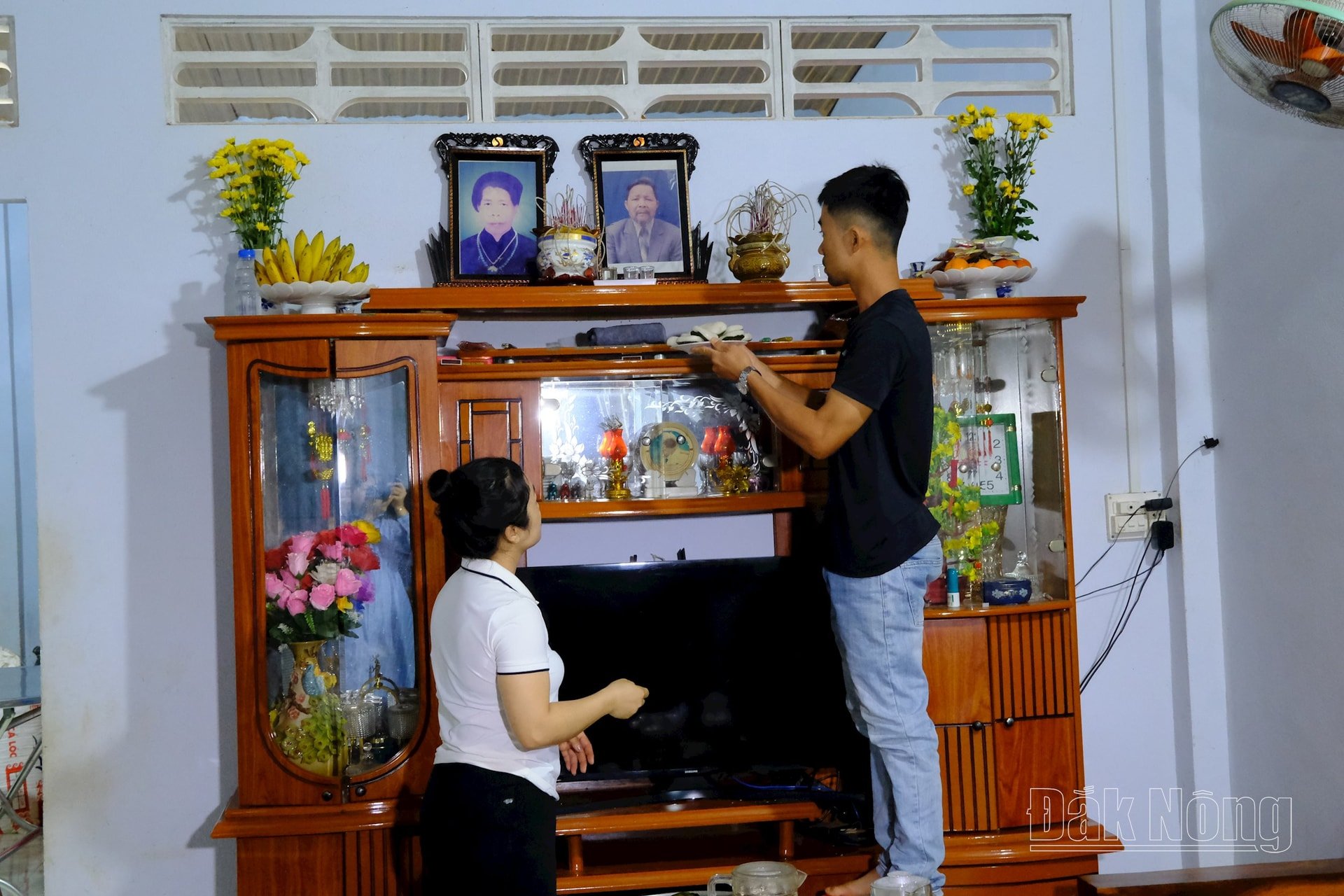
Every year, on the occasion of the Hung Kings' Commemoration Day (10th day of the 3rd lunar month), the family of Mrs. Chu Thi Tu in Dak R'moan commune, Gia Nghia city, gathers together to prepare a traditional meal to offer in remembrance of the Hung Kings and their ancestors.
Born in Thanh Son (Phu Tho province), in 1997, Ms. Chu Thi Tu followed her husband to Dak Nong to start a new life. Despite many years away from her hometown, this tradition has always been regularly and consistently maintained by Ms. Tu's family.
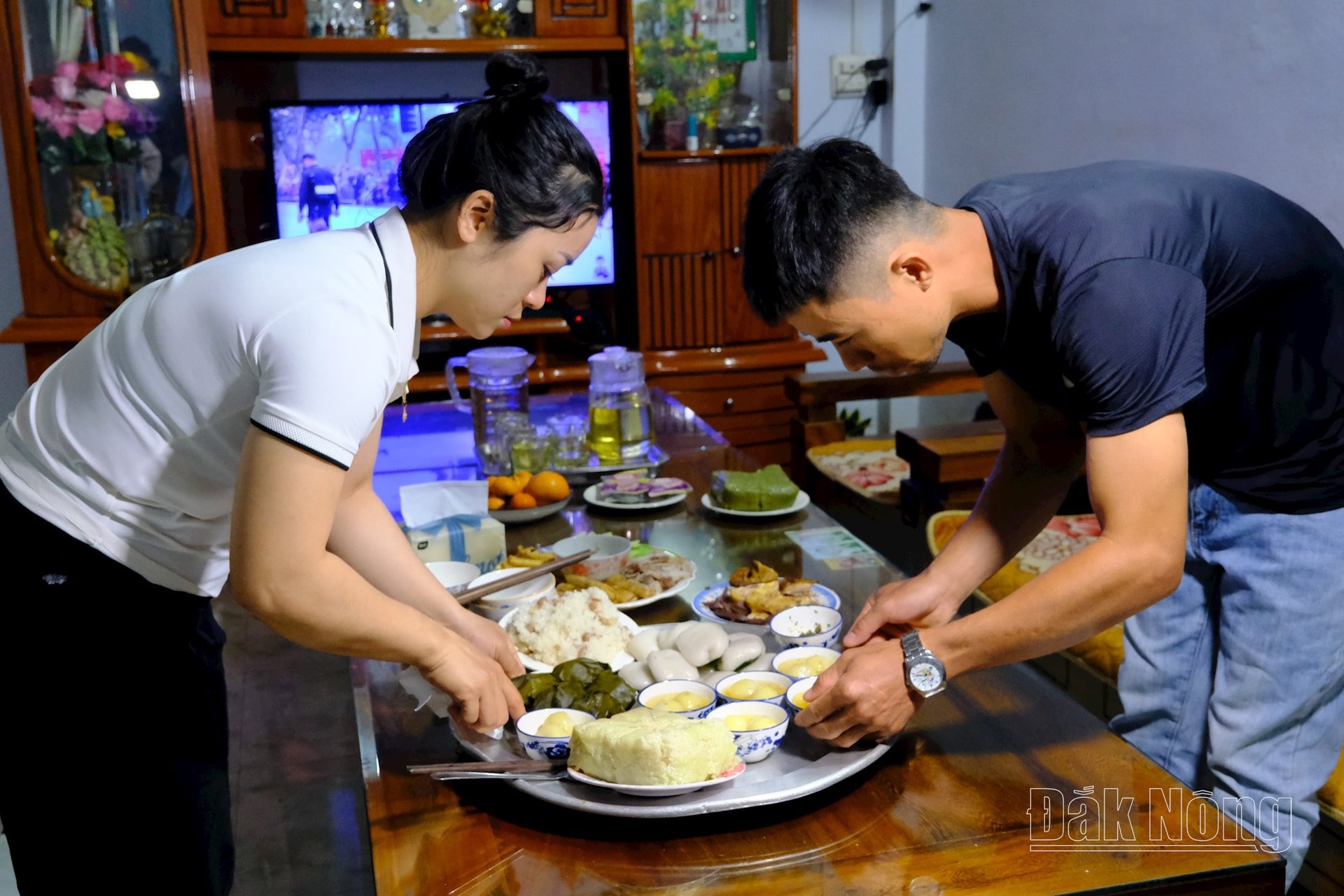
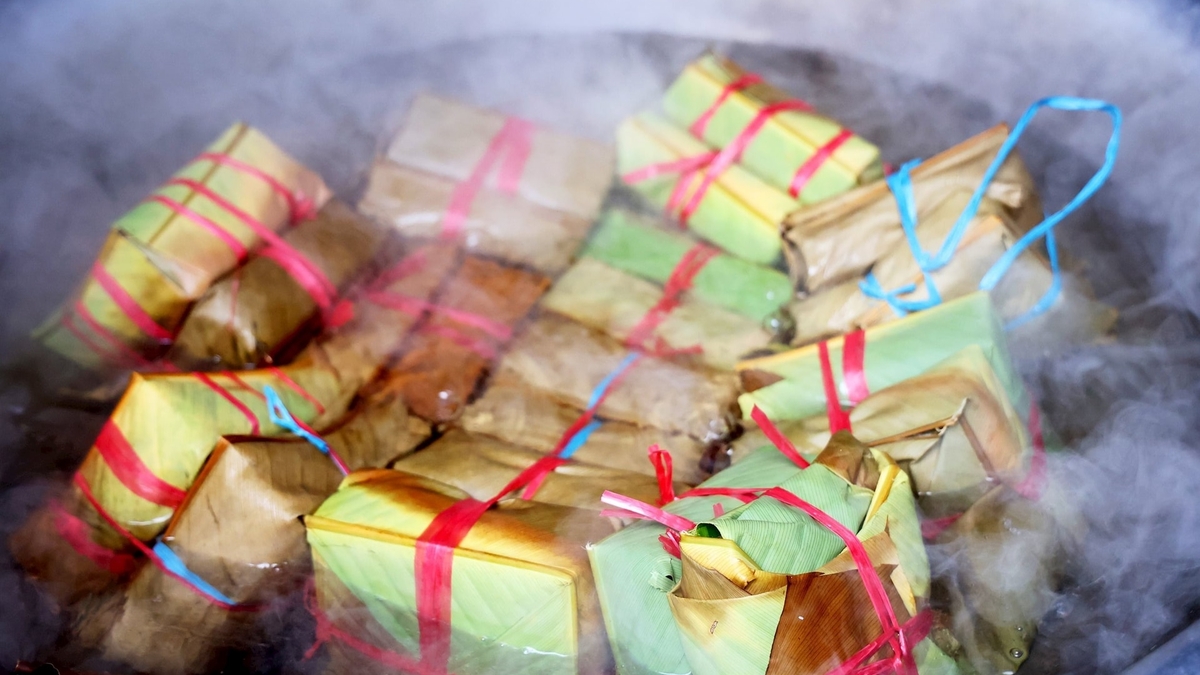
Mrs. Tu said that the meal offered to the ancestral altar always includes cakes such as banh chung, banh giay, and banh troi. These are all products made from fragrant glutinous rice, a typical achievement of wet rice cultivation since the time of King Hung, associated with legends, festivals, and the spiritual culture of the ancestral land.
In the cozy family kitchen, skillfully shaping each glutinous rice dumpling, Mrs. Tư gently recounts to her children and grandchildren the legends and methods of making these dumplings, as well as the origins of their ancestral homeland.
Banh chung and banh giay, two types of cakes symbolizing "round sky and square earth," are associated with the story of Prince Lang Lieu's filial piety during the reign of the 6th Hung King.
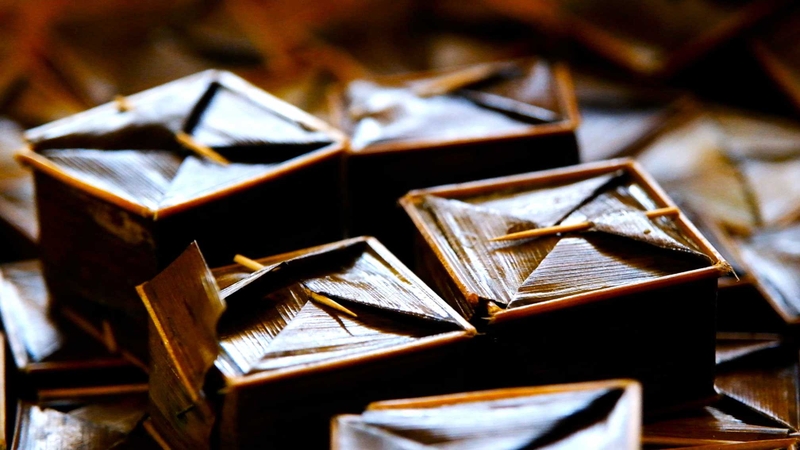
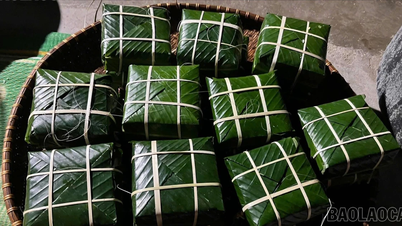
Banh chung (square-shaped rice cake) symbolizes the earth. The outer layer is wrapped in dong leaves, and inside is sticky rice and a filling of mung beans, onions, and pork.
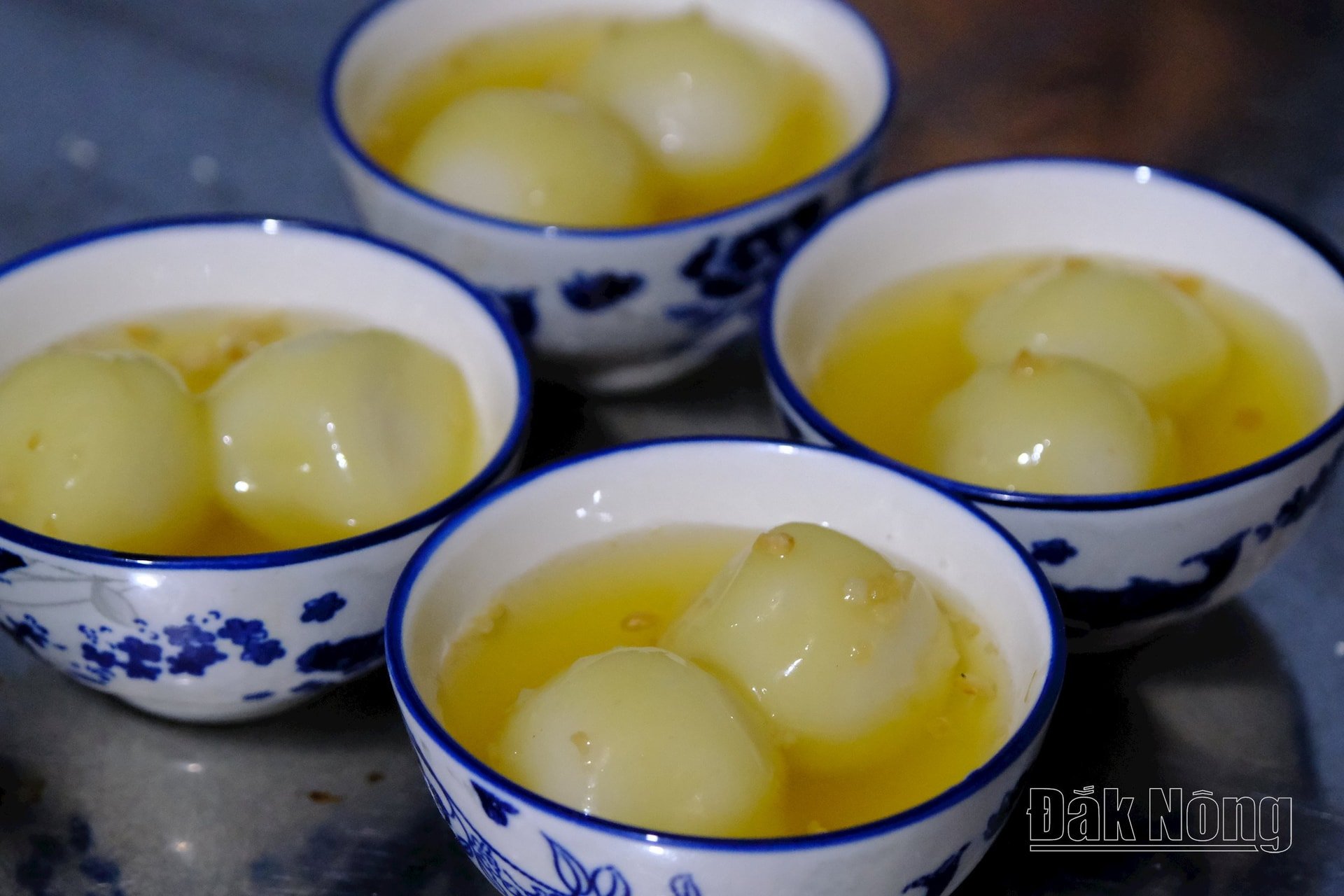
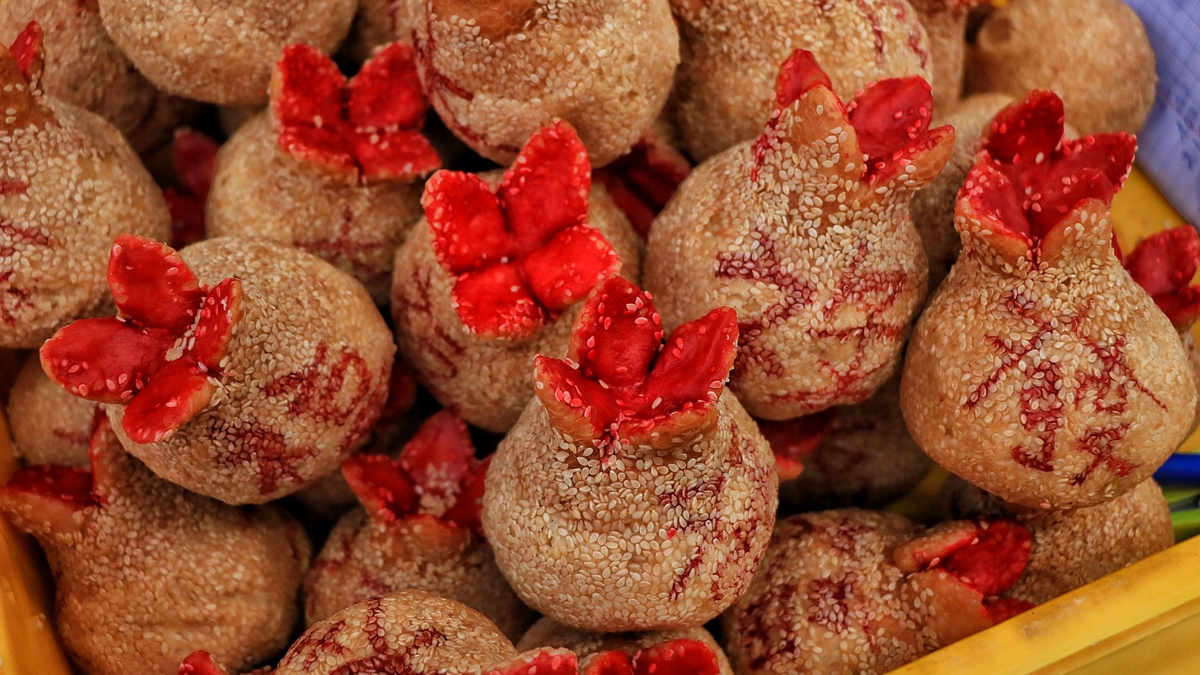
Sticky rice cakes are plump, pure white, with an arched top resembling the sky. Glutinous rice balls are shaped into small, white balls with a filling of red sugar or brown syrup, and are eaten with ginger-infused sugar syrup.
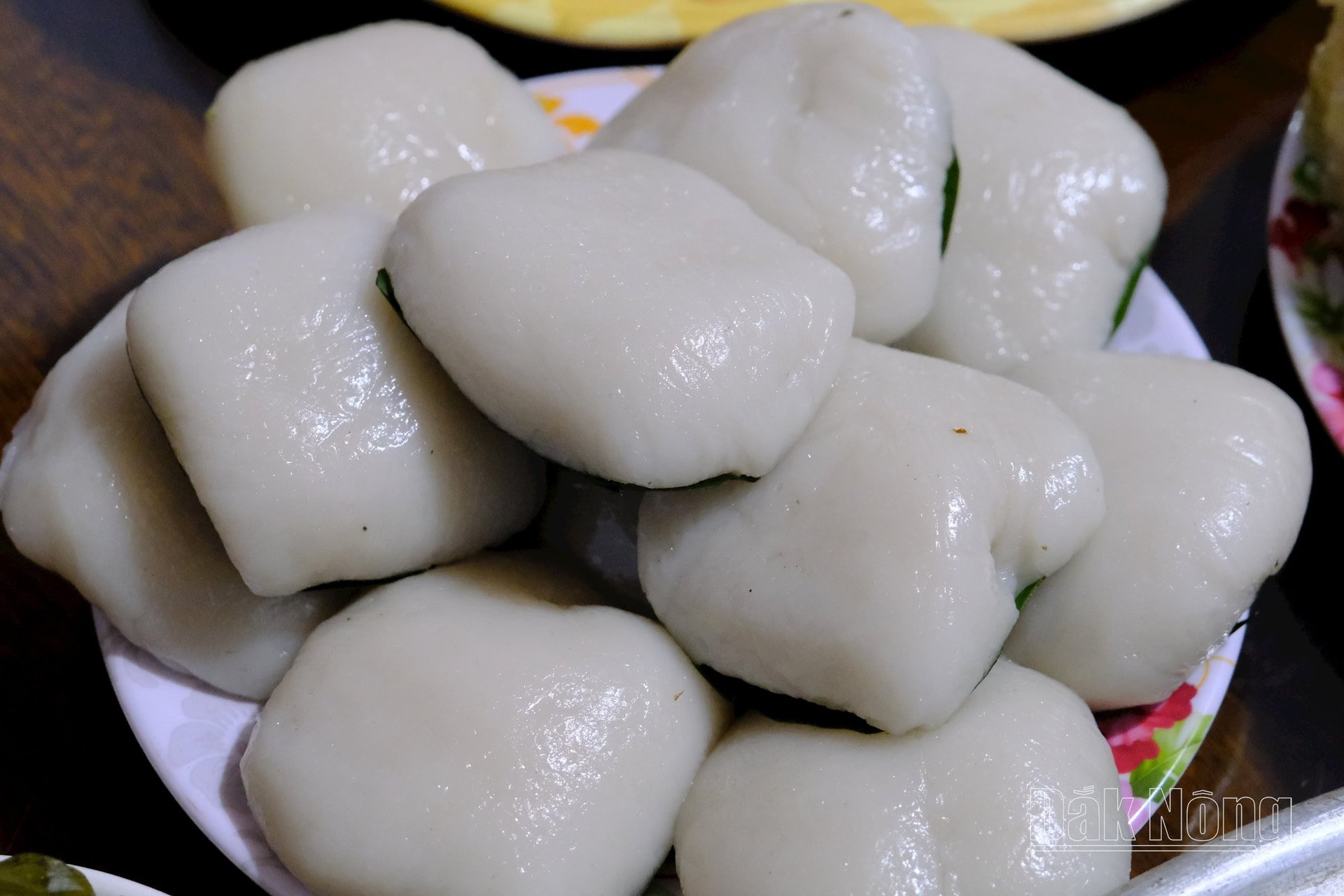
These types of cakes have existed since the time of the Hung Kings' founding of the nation until today. During the annual Hung Kings' Commemoration Day, these cakes are an indispensable part of the offerings presented to the Hung Kings by the people of Phu Tho.
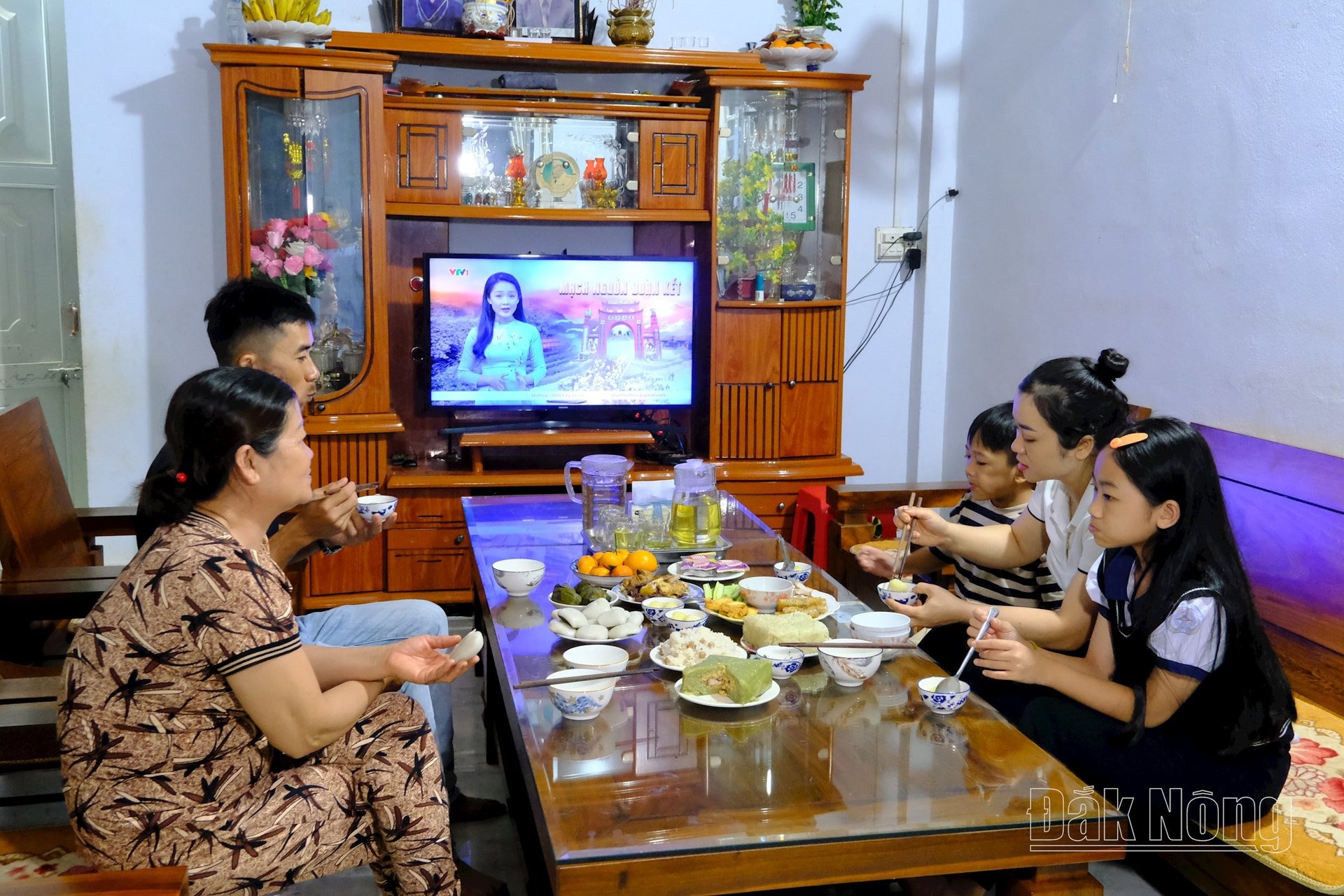
Ms. Chu Thi Tu shared: “As a daughter of Phu Tho province who left her hometown to settle in Dak Nong, every year on the Hung Kings' Commemoration Day, my family prepares a feast with traditional, familiar cakes from our homeland such as banh chung, banh giay, and banh troi to offer to King Hung Vuong and our ancestors. From my grandmother's generation to my mother's, we have maintained this tradition, and my children and I continue this custom of making cakes on Hung Kings' Commemoration Day. This is a way for those of us who are far from home to preserve our hometown's cuisine and remember our roots.”
A harmonious blend of Phu Tho and Dak Nong cuisines.
From the 8th and 9th of the third lunar month every year, the Phu Tho Hometown Association in Dak Buk So commune, Tuy Duc district, busily prepares dishes to serve at the Hung King Ancestor Worship Ceremony held at the Hung King Temple.
According to Mr. Chu Van Chuc, from the Phu Tho Hometown Association's liaison committee in Dak Buk So commune, due to living far from home, the dishes offered to the Hung Kings are simpler and less diverse compared to those at the Hung Temple in Phu Tho. However, the feast still includes traditional dishes such as banh chung (sticky rice cake), banh giay (rice cake), sticky rice, and boiled pork.
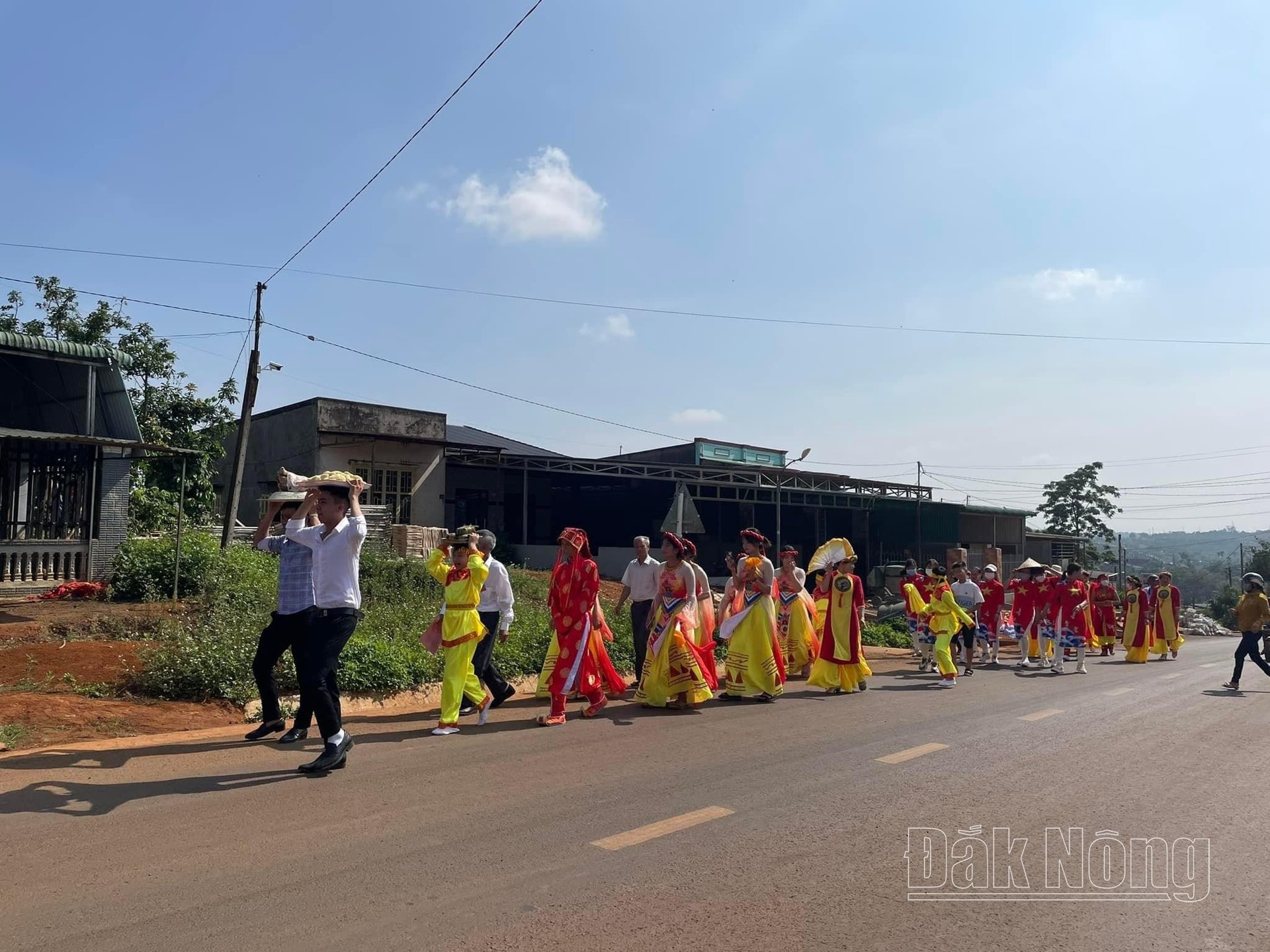
Although still made by the skillful hands of people from Phu Tho, banh chung and banh giay in their second homeland - Dak Nong - still have a distinct flavor compared to those in Phu Tho. The special feature of banh chung and banh giay in Dak Nong lies in the delicious rice grown right in this region.
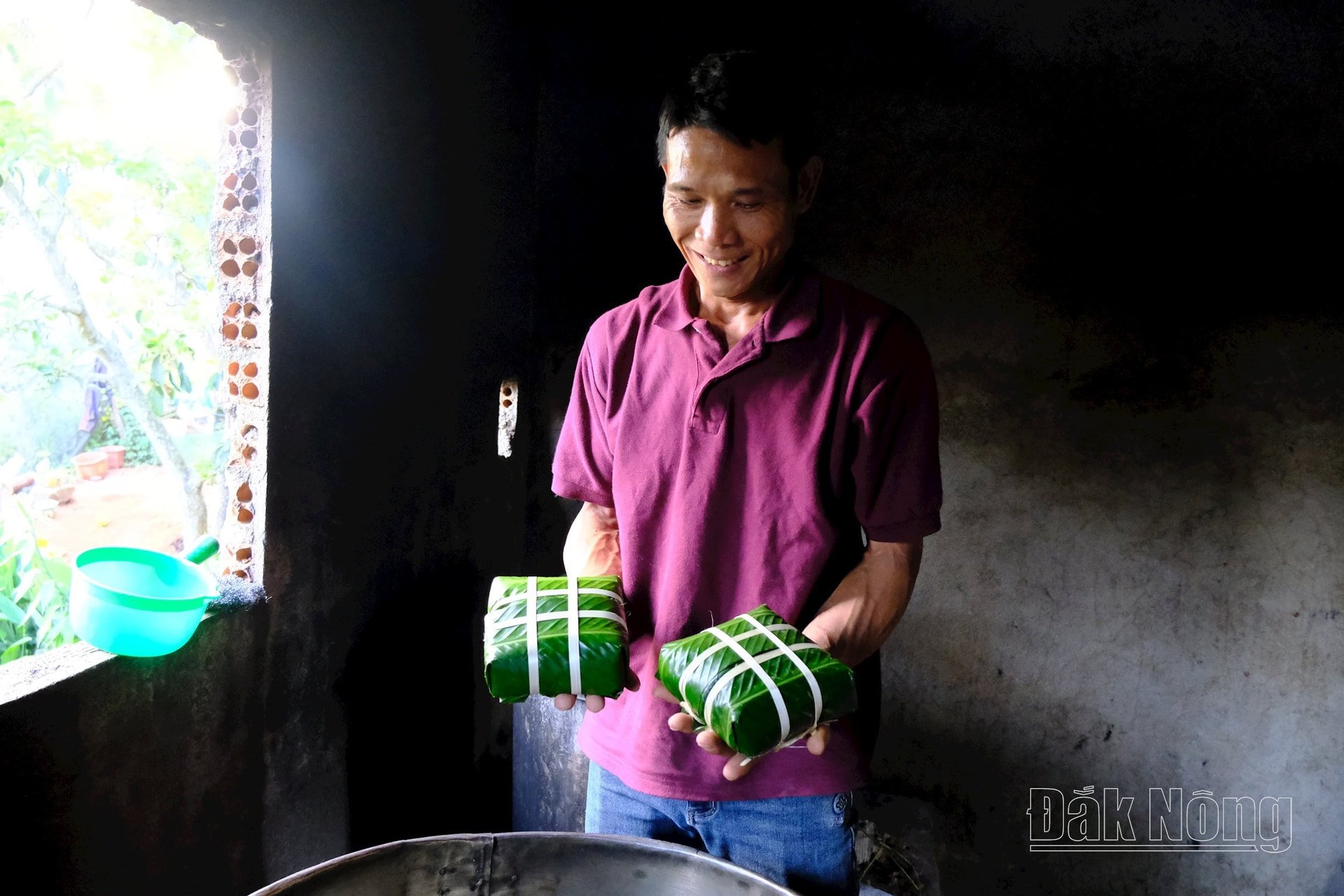
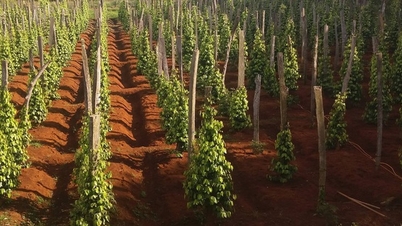
The square-shaped banh chung (rice cake) encapsulates the flavors of the homeland with its fragrant sticky rice, sweet mung bean filling, rich fatty pork, and the spicy kick of Dak Nong pepper, all blended with the aroma of onions and dong leaves. Alongside it, the ivory-white banh giay (rice cake) is soft, smooth, and fragrant with the scent of sticky rice, achieving the perfect softness—neither too dry nor too wet—offering a delicate and pure flavor.
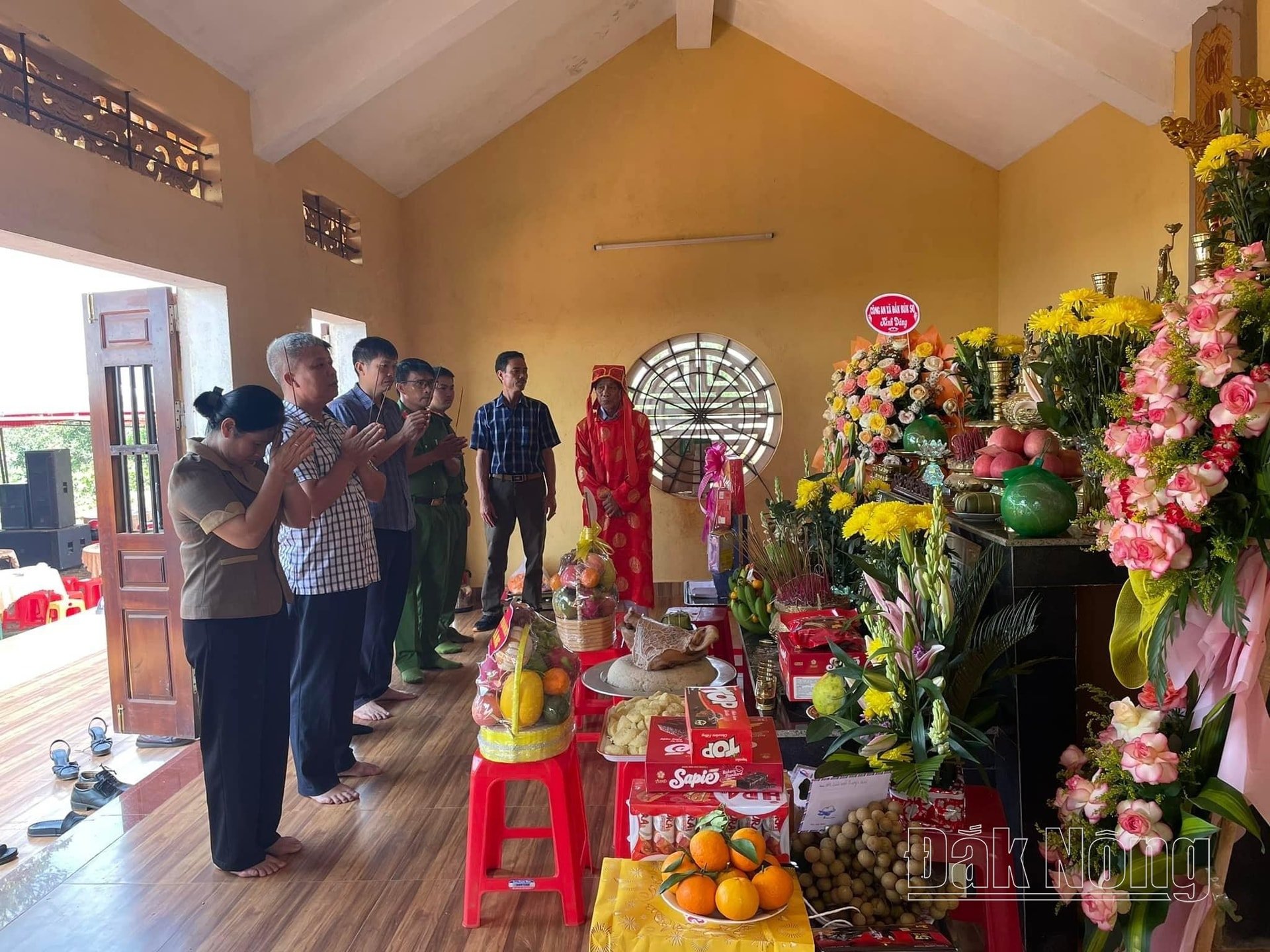
“Every year on the Hung Kings' Commemoration Day (March 10th), we people from Phu Tho living in Dak Nong are filled with excitement and joy. Although we live far from home, our hearts always turn towards our ancestral land. We prepare offerings from produce grown by our people in the basalt soil of Dak Nong to present to the Hung Kings. The taste of home is not only encapsulated in the exquisitely presented dishes but also in the moments when those far from home gather together, busily preparing and cooking, sharing stories imbued with the warmth of our homeland,” confided Mr. Chu Van Chuc, head of the Phu Tho Hometown Association in Dak Buk So commune, Tuy Duc district.
Developing the flavors of our homeland.
On Hai Ba Trung Street in Gia Nghia City, there is a restaurant that embodies the culinary traditions of the ancestral land – Hung Vuong Pork Platter Restaurant, owned by Mr. Chu Van Ngoc. As a native of Phu Tho, he has incorporated the flavors of his homeland into each dish, allowing diners in Dak Nong to enjoy authentic specialties from the ancestral land.
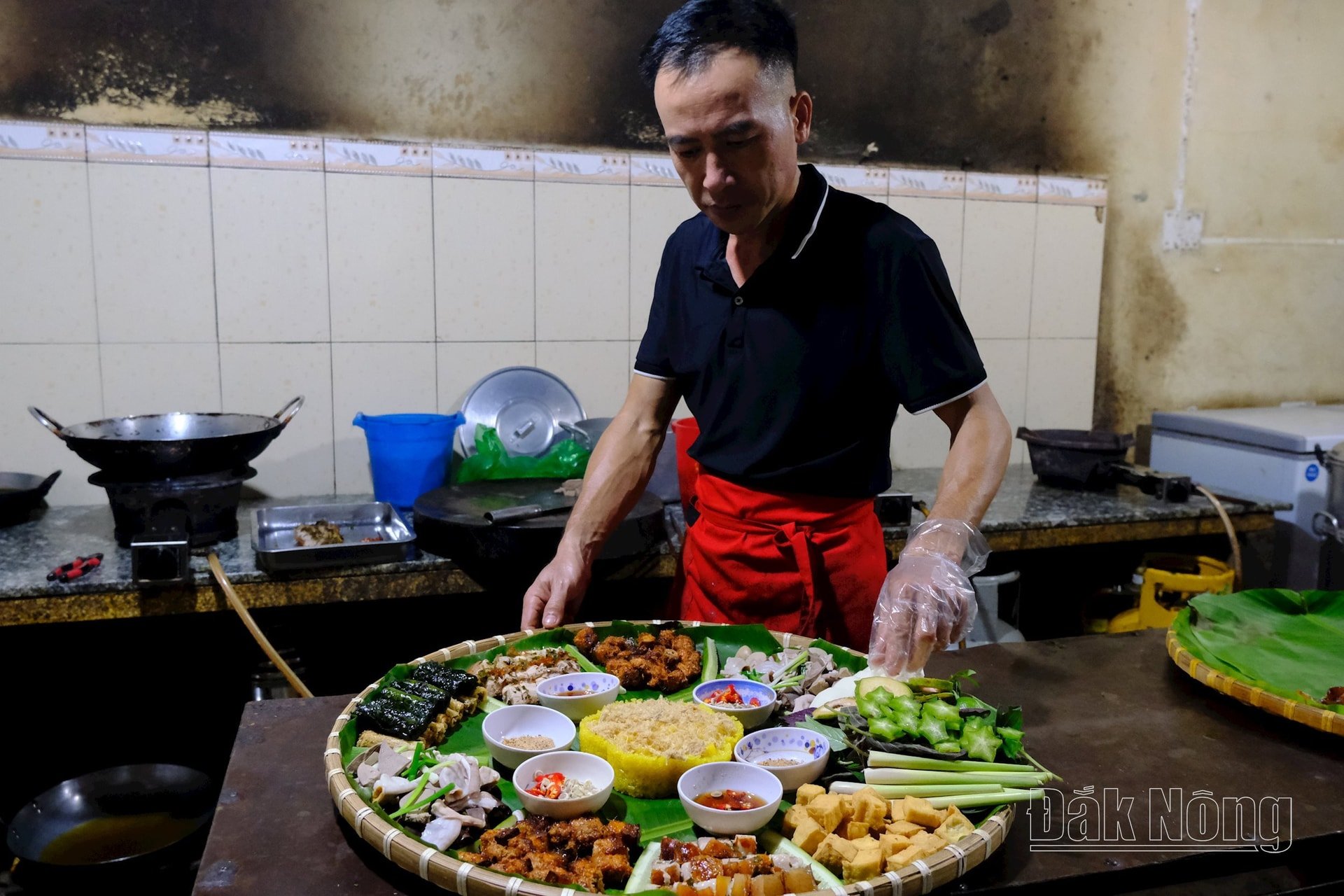
Mr. Chu Van Ngoc and his family moved from Phu Tho to Dak Nong to start a new life in the 2000s. In 2014, he opened the first pork platter restaurant in Gia Nghia City. The name "Hung Vuong Pork Platter" not only reflects the rustic service style of the restaurant but also expresses his nostalgia and love for his homeland.
The dishes are presented on banana leaves, both simple and beautiful, reflecting a spirit of reverence for nature and gratitude towards the earth and sky. Each dish here is not just a meal, but also a story about culture, about beautiful memories of the ancestral countryside.
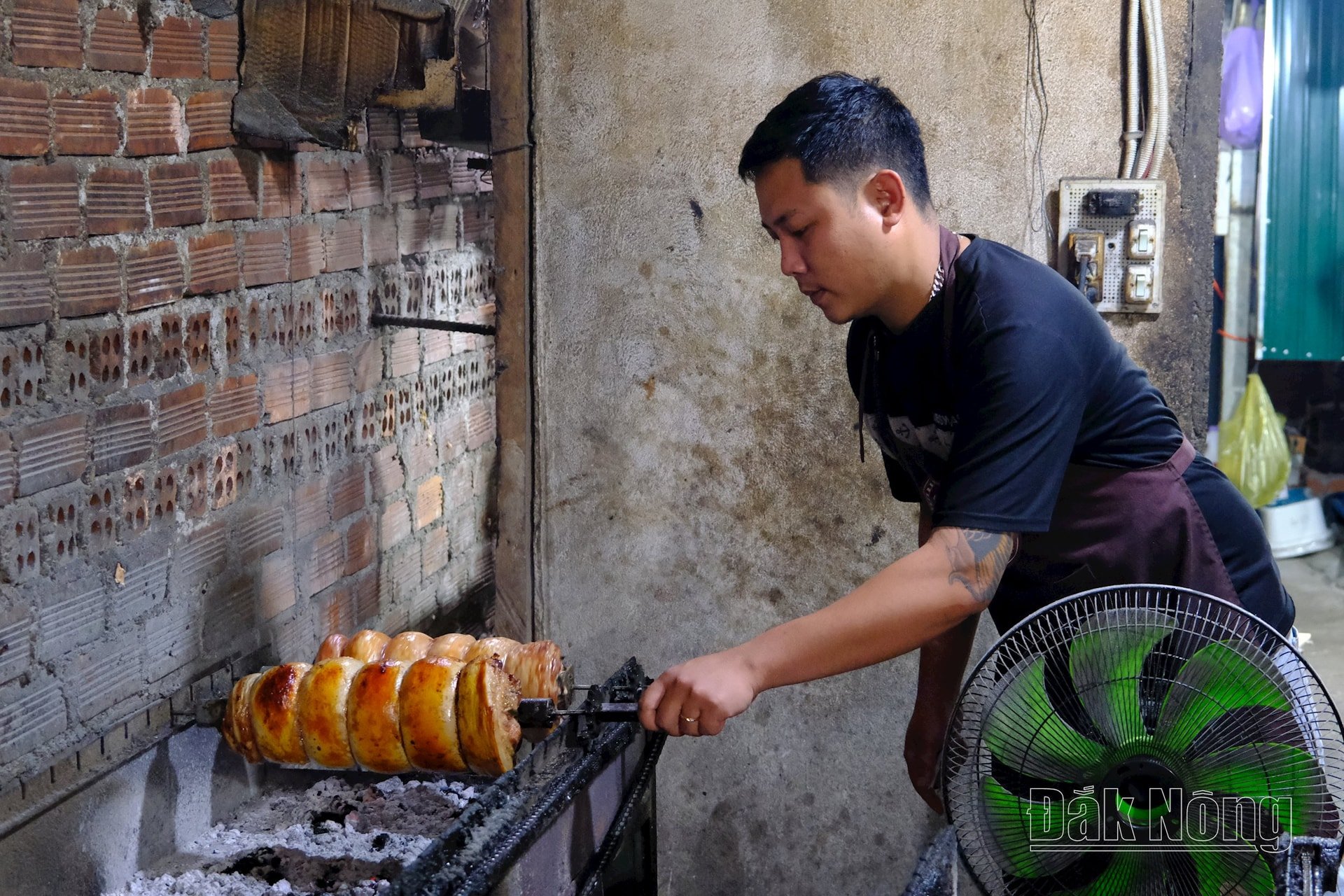
According to Mr. Chu Van Ngoc, on each Hung Kings' Commemoration Day, people in Phu Tho usually gather around a feast with traditional dishes such as boiled pork, grilled pork, banana soup with pork bones, sticky rice with beans, etc. With the skillful hands of those who have left their homeland, using familiar ingredients like pork, combined with ingredients and spices from Dak Nong, Mr. Ngoc has created dishes with unique flavors, both familiar and novel.
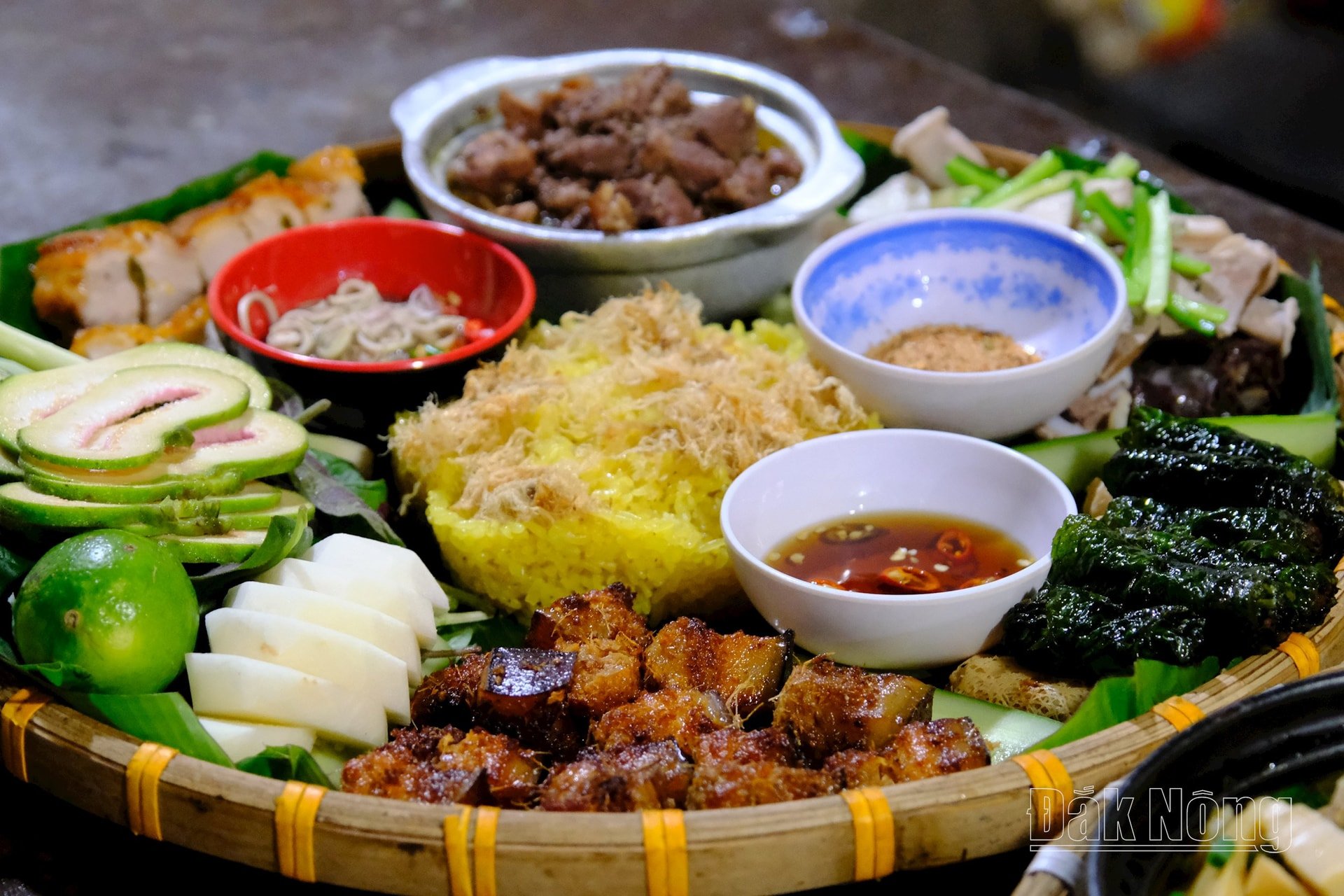
One of the distinctive features of Phu Tho cuisine is its refined preparation methods. Boiled pork, seemingly a simple dish, takes on a unique character when dipped in sesame salt – a blend of finely ground roasted peanuts and salt, creating a rich, savory flavor.
For roasted pork, instead of roasting the whole pig like in many places, people in Phu Tho only choose the pork belly, marinate it with characteristic spices, then stuff it into bamboo tubes and roast it until cooked. Mr. Ngoc has preserved and applied these traditional cooking methods at his restaurant.
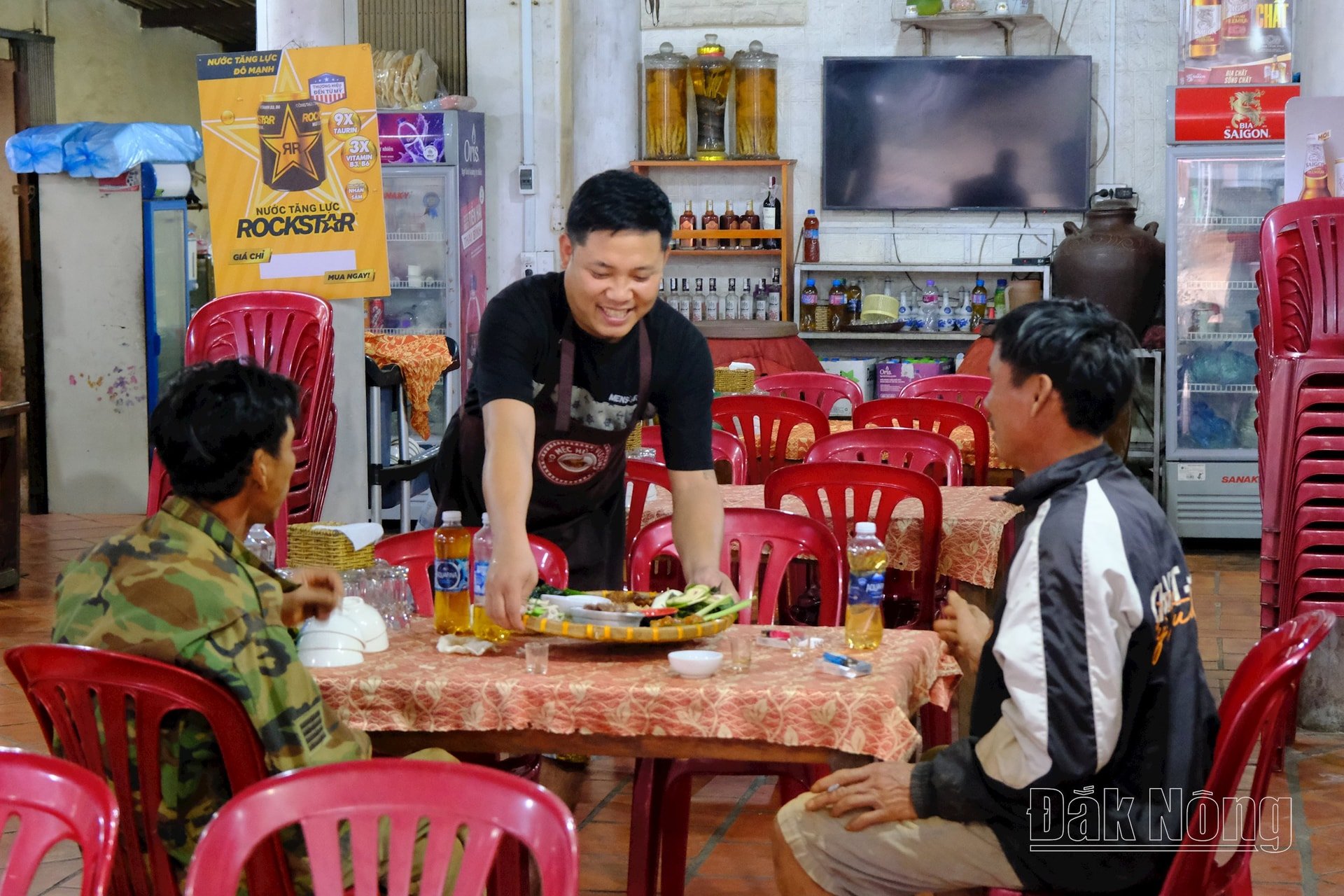
In the early days of opening the restaurant, Mr. Ngoc prepared dishes according to the authentic flavors of Phu Tho. However, to better suit the tastes of people in the Southern Central Highlands, he made some adjustments in seasoning while still striving to maintain the spirit and traditional cooking style of the ancestral land. "As a Phu Tho native, I always want to preserve the authentic flavors of my homeland. However, variations are also necessary to meet the needs, tastes, and preferences of diners here," Mr. Ngoc shared.
Cultural exchange
Despite the many changes brought about by modern life, traditional values are still preserved in the cuisine of both Phu Tho and Dak Nong. These dishes are not only about flavor but also carry cultural significance, reflecting community spirit and hospitality.
From dishes embodying the national spirit to innovative creations, the culinary fusion between Phu Tho and Dak Nong is a testament to the connection between these regions. It's not simply a story about food; it's a cultural exchange, contributing to the richness, diversity, and unique appeal of each area.
With over 40 ethnic groups living together, Dak Nong is a land rich in unique culinary traditions. Benefiting from favorable natural conditions, living near rivers, streams, mountains, and forests, the people here have for generations utilized readily available ingredients to create dishes that embody the rich flavors of the Central Highlands.
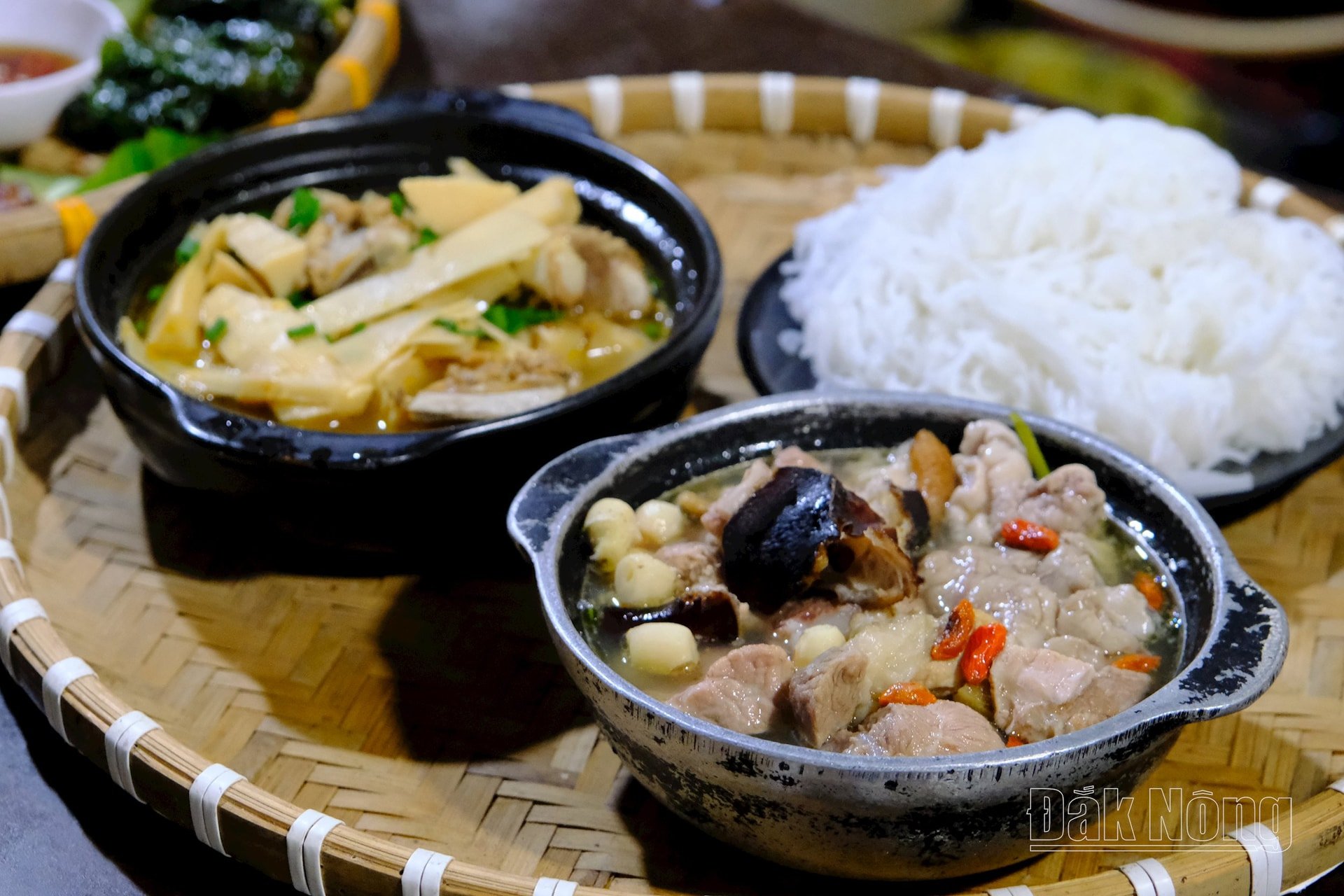
When discussing the cuisine of the indigenous ethnic groups of Dak Nong, one cannot overlook the characteristic dishes always present at major festivals, such as rice wine, bamboo-cooked rice, and grilled meat. Although life has changed considerably today, the M'nong, Ma, and Ede people still preserve the distinctive features of their ethnic cuisine. During festivals, weddings, or harvest celebrations, traditional dishes like bamboo-cooked rice and grilled meat are always carefully prepared to offer guests, demonstrating hospitality and community spirit.
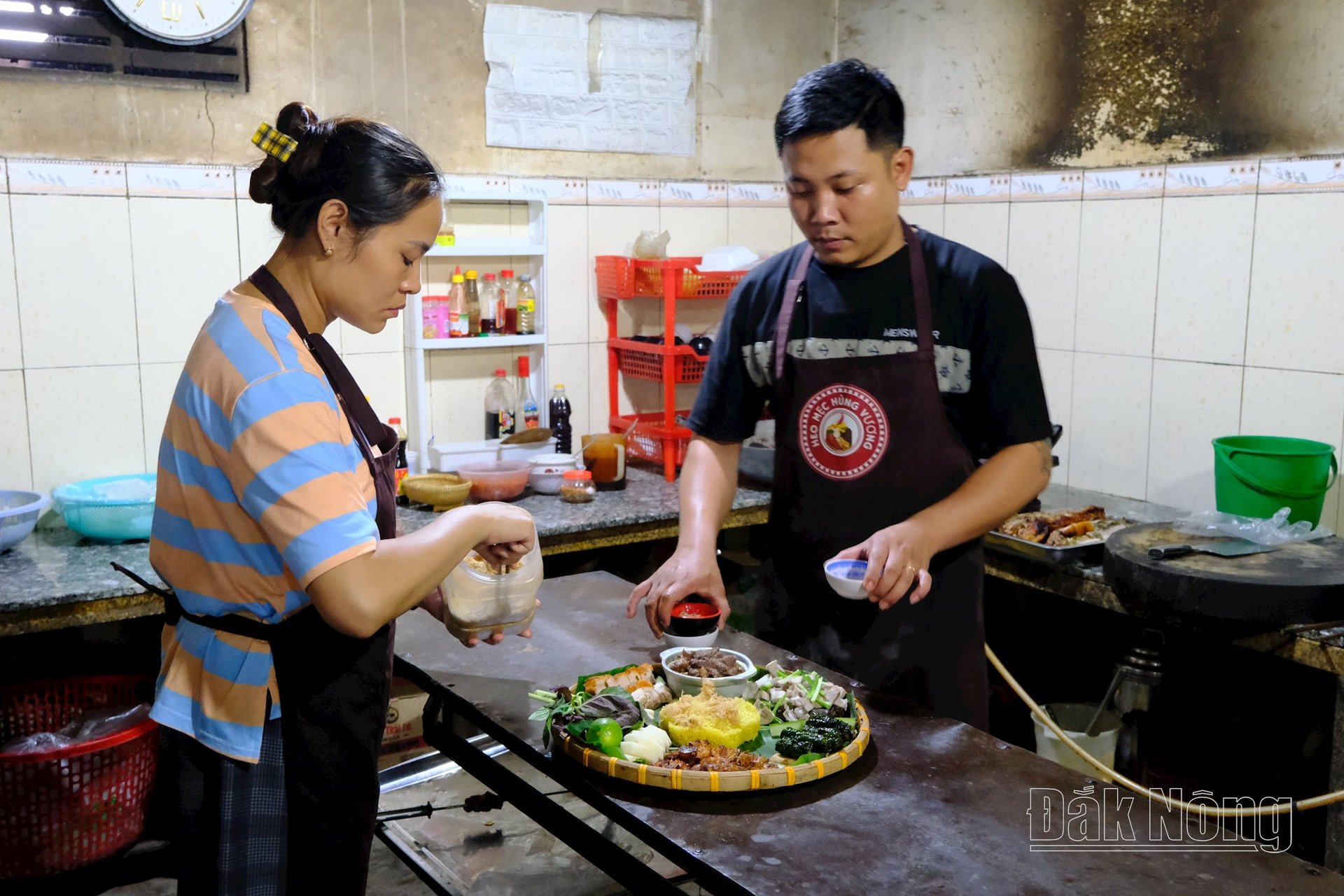
Besides the indigenous peoples, in recent years, the migration of ethnic groups from the North such as the Dao, Tay, Nung, Mong, and Thai has also contributed to enriching the culinary landscape of Dak Nong. The Tay people bring dishes like five-colored sticky rice, honey-glazed roasted pork, and fish sauce; the Dao people are famous for over 60 dishes, including deer wine, ginger-stir-fried chicken, and sour pickled meat; and the Mong people are known for men men (corn porridge), thang co (a traditional stew), and corn wine. Their dishes not only embody the flavors of the highlands but also showcase the skill and sophistication in their preparation.
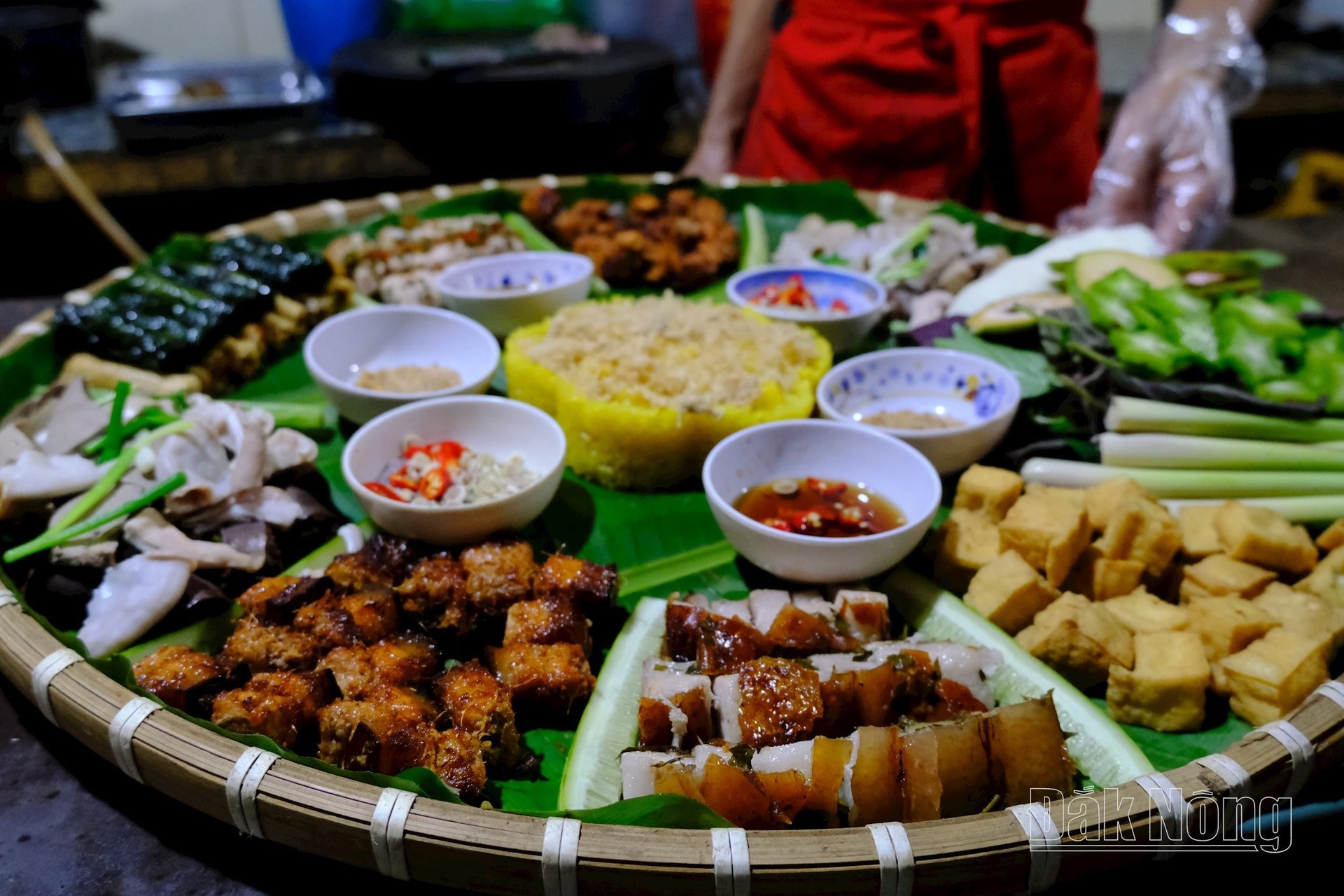
The fusion of different culinary traditions has created a vibrant tapestry in Dak Nong. It boasts not only traditional dishes of ethnic minorities but also a blend of cuisines from the North, Central, and South of Vietnam, resulting in a unique and familiar Central Highlands culinary style. Currently, many restaurants and hotels in Dak Nong are incorporating traditional dishes into their menus, preserving ethnic identity while adapting them to suit modern tastes.
Dak Nong cuisine is a symbol of cultural identity, a bridge between people and nature, between tradition and modernity, creating a unique appeal for this sun-drenched and windy Central Highlands region.
Source: https://baodaknong.vn/am-thuc-phu-tho-tren-que-huong-dak-nong-248372.html





































Comment (0)