Quang Nam province is located in the South Central region of Vietnam, within the Central Vietnam key economic zone. It is 820km north of Hanoi, 60km north of Da Nang, and 900km south of Ho Chi Minh City. Quang Nam borders Da Nang, Thua Thien Hue, Kon Tum, and Quang Ngai provinces, with a 125km coastline and nearly 160km of border with Laos. The provincial capital is Tam Ky city, and it also includes the ancient town of Hoi An, Dien Ban town, and 15 districts. Quang Nam is also home to the most UNESCO World Heritage sites in the country, including the ancient town of Hoi An and the My Son Sanctuary. Quang Nam has two seasons: rainy (October-December) and dry (February-August), influenced by the northern winter. The average annual temperature is 26°C, with a low of around 12°C. The weather throughout the year is varied, with considerable rainfall. The best time to visit Quang Nam is from February to the end of summer.
Move
There are many ways to get to Quang Nam , including by road, rail, sea, and air. Air travel is one option.
Chu Lai Airport. Photo: Luu Bang
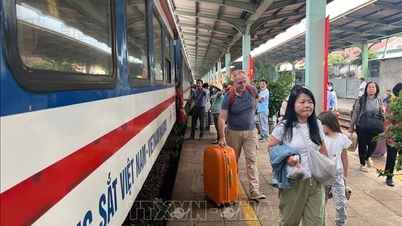
Visitors to Quang Nam can land at either Da Nang or Chu Lai airport. Choose the airport that best suits your destination. If traveling to Hoi An, it's recommended to fly to Da Nang and travel by road for about 30km, while Chu Lai is 70km from Hoi An. Tam Ky city is approximately 25km from the airport. Domestic airlines Vietjet Air, Vietnam Airlines , and Bamboo Airways all fly to Da Nang daily from Hanoi and Ho Chi Minh City, with multiple flights. Round-trip airfares range from 2.5 million to 5 million VND depending on the time of year. Vietnam Airlines is the only domestic airline operating flights to Chu Lai, with round-trip tickets starting from 2.5 million VND. Rail: The Thong Nhat trains departing from Hanoi and Ho Chi Minh City (SE 1-2, SE 3-4, SE 5-6, SE 7-8, and SE 11-12) all stop at Tam Ky station. Round-trip train tickets range from 1.5 million to 2.7 million VND, depending on the type of train, carriage, and seat location. National Highway 1A and the Ho Chi Minh Highway both run through Quang Nam province, making travel convenient for tourists from all three regions of the country. Bus services from Da Nang to Hoi An or Tam Ky are offered by various companies such as Hoi An Express, Queen Cafe, Dong Hanh Travel Bus, Hanh Cafe, Sinh Cafe, Ha Linh, and Truong Thinh. These include limousines or 45-seater buses, with fares ranging from 100,000 to 150,000 VND per trip.
The bus runs the Da Nang - Hoi An route.
Bus number 14 runs between Da Nang city center and Hoi An and vice versa, with departures every 15-20 minutes. The fare is 30,000 VND. The travel time is approximately 1 hour and 15 minutes. There is a connecting trip from Tam Ky to Hoi An. Taxis or private 5-7 seater vehicles running the Da Nang - Hoi An route cost from 200,000 VND. Alternatively, tourists can choose shared rides from the train station or airport. Quang Nam's sea and inland waterways include Truong Hai Port in the Chu Lai Open Economic Zone. However, this port is only for large cargo ships. Tourist ships usually dock at ports in Thua Thien Hue or Da Nang, after which tourists travel by land. From Cua Dai beach, visitors can reach Cham Island by small speedboat (canoe) provided by various service providers. Daily trips are available from 7:30 AM to 5:00 PM. The ticket price is 100,000 VND per person per trip.
Accommodation
As a province with a thriving tourism industry, Quang Nam boasts a large number of hotel rooms, homestays, and resorts. Among these, the resort sector is the most developed, with dozens of resorts primarily located along the coast of Ha My, An Bang, Cua Dai, and Thang Binh.
Four Seasons Resort The Nam Hai
Four Seasons Resort The Nam Hai is the most luxurious resort in Quang Nam, with room rates ranging from approximately 20 million VND to over 100 million VND per night. Other beachfront resorts such as Victoria Hoi An Beach Resort & Spa, Palm Garden Resort & Spa, Wyndham Hoi An Royal Beachfront Resort & Villas, Citadines Pearl Hoi An, Vinpearl Resort & Golf Nam Hoi An, Hoiana Hotel and Suites, Hoi An Beach Resort, and Tui Blue Nam Hoi An have prices ranging from 1 to 5 million VND per night. In the Hoi An Old Town area, there are also many riverside resorts or boutique hotels in the town that are highly rated by tourists, such as La Siesta Hoi An Resort & Spa, RiverTown Hoi An Resort & Spa, Allegro Hoi An Luxury Hotel & Spa, Little Hoi An Hotel & Spa, Lantana Boutique Hoi An Hotel, Almanity Hoi An Resort & Spa, and Vinh Hung Riverside Resort, with room rates ranging from 1 to 2 million VND per night.
La Siesta Hoi An Resort & Spa
Additionally, Hoi An offers many homestays and smaller hotels with prices ranging from around 300,000 VND to under 1 million VND per night. In Tam Ky city, tourists can choose hotels such as Muong Thanh Grand Quang Nam, Ban Thach Riverside Hotel & Resort, Tam Thanh Beach Resort & Spa, and Phu Long Tam Ky Hotel & Restaurant, with room rates ranging from 500,000 VND to 1.2 million VND per night.
Sightseeing
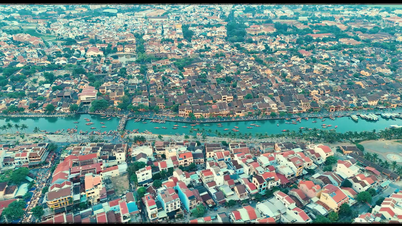
Hoi An Old Town
Hoi An Old Town. Photo: NickM
Hoi An is definitely a must-visit when in Quang Nam. It's one of the province's two World Heritage sites, boasting a wealth of well-preserved ancient culture and architecture. Hoi An is also a destination for food lovers, fashion enthusiasts, and photographers. Hoi An offers many delicious and distinctive dishes such as Cao Lau noodles, Quang noodles, Banh Dap (rice cakes), and Banh Bao (steamed buns). Hoi An also features beautiful streets, ancient yellow walls, and moss-covered tiled roofs. The ancient town of Hoi An is considered by foreign tourists to be the "most beautiful city," offering popular services like tailoring and shoemaking. The Bay Mau coconut forest is another highlight.
Bay Mau Coconut Forest. Photo: Quynh Tran
Bay Mau Coconut Forest (Cam Thanh Coconut Forest) is a famous eco-tourism destination located about 3 km from the center of Hoi An ancient town. Here, visitors can experience a boat ride through the lush green coconut forest in a peaceful setting, admire traditional basket boat dances and races, and enjoy local specialties. Entrance fee is 30,000 VND per person. Basket boat rental costs between 150,000 and 200,000 VND per boat. Opening hours are from 7:00 AM to 5:00 PM daily. My Son Sanctuary
My Son Sanctuary. Photo: Tuan Dao
My Son Sanctuary is located in Duy Xuyen district, 40 km from Hoi An. It was a Hindu sanctuary of the ancient Champa Kingdom. The area was discovered by a group of French soldiers in 1885, and subsequently many other researchers and archaeologists visited. My Son Sanctuary is situated in a valley with a diameter of approximately 2 km, surrounded by... The site is a hilly area comprising 70 temple and tower structures divided into several clusters. Each cluster consists of a main temple surrounded by smaller towers. The main temple symbolizes Mount Meru, the center of the universe, the gathering place of deities, and the worship of the god Shiva. The architectural styles here are divided into six types: ancient, Hoa Lai, Indochinese, My Son, Po Nagar, and Binh Dinh styles. Common motifs include flowers and leaves, animals such as elephants or lions, Kala-Makara imagery (symbols of the Champa people), Apsara dancers, musicians, guardian deities, or the sea monster Makara. The site is open from 6:00 AM to 5:00 PM, Monday to Sunday. Ticket price: 100,000 VND (Vietnamese) and 150,000 VND (foreigners).
Cham Island
Cham Island, located nearly 20 km from the center of Hoi An city, covers an area of approximately 15.5 km2 and is home to 3,000 people. It boasts a nearly intact marine ecosystem with 950 species of aquatic life, including many rare fish and coral species. The island is also a suitable destination for day trips. Hai Tang Pagoda, the storm shelter, the ancient Cham well, and Bai Ong historical site are some of the attractions on the island. Visitors can go fishing for fish and squid, snorkel to admire the coral reefs, and enjoy fresh seafood. There are no hotels on the island; visitors wishing to stay overnight should contact local residents in advance.Tam Thanh Mural Village
Tam Thanh mural village viewed from above. Photo: Dac Thanh
Tam Thanh Mural Village is located in Hoa Trung hamlet, Tam Thanh commune, about 7km from Tam Ky city. The village is situated on one side bordering the sea and the other side bordering the Truong Giang River. The village features approximately 30 vibrant murals covering old walls. The houses clustered together create a lively, picturesque setting. The murals in the fishing village depict landscapes, life, people, and marine life.
However, the murals, created in 2021, have recently faded, been erased, or repainted, causing overall deterioration. Cua Dai, Ha My, An Bang, and Thang Binh beaches are famous in Quang Nam province. These are all beautiful beaches with clear blue water, white sand, and gentle slopes, ideal for swimming. Among them, Cua Dai is the most heavily developed for tourism, but in the last 10 years, it has suffered from erosion, with waves washing away hundreds of meters of land each year. The local government has invested hundreds of billions of dong in efforts to save Cua Dai. In 2022, over 2 km of submerged breakwater was constructed, and approximately 500,000 m³ of sand was dumped to restore the beach after years of erosion. Cua Dai is gradually reviving. In addition, there are several smaller beaches such as Rang Beach and Tam Thanh Beach.
A view of An Bang beach. Photo: Hongtham
Located 7 km from the center of Tam Ky city, Phu Ninh Lake National Monument is a prominent ecotourism destination in Quang Nam province. With its cool climate, primeval forest, over 20 large islands, and natural mineral springs, visitors can freely explore, enjoy the lush green natural surroundings, and participate in various outdoor games and activities. ( Image caption: Monument to Mother Thu)
Monument to Mother Thu. Photo: Archival.
Quang Nam boasts not only natural and cultural tourist attractions but also historical sites, most notably the Mother Thu Monument. Located in Tam Phu commune, Tam Ky city, this monument is the largest in Southeast Asia. It commemorates Heroic Vietnamese Mother Nguyen Thi Thu, who lost nine sons, one son-in-law, and two grandsons in both the French and American wars of resistance. The main statue, 18.5 meters tall and made of granite transported from Binh Dinh, depicts the mother with outstretched arms embracing her children. Beside the main statue are smaller statues extending in an arc shape, 120 meters wide. Thanh Ha Pottery Village is another highlight of Quang Nam tourism, showcasing traditional craft villages. Here, you can admire exquisite pottery products crafted by skilled artisans from Thanh Ha. Additionally, you can also create your own products as souvenirs or to bring back for family and friends. Tam Ky City
A view of Tam Ky city from above. Photo: BV
In Tam Ky city, tourists can visit the Quang Nam Provincial Museum, Ky Anh Tunnel, and Chien Dan Tower. The aforementioned tourist attractions, such as the Mother Thu Monument, Tam Thanh Beach, Tam Thanh Mural Village, and Phu Ninh Lake, are all just a few kilometers from the city center.
Cuisine
Roasted veal from Cau Mong
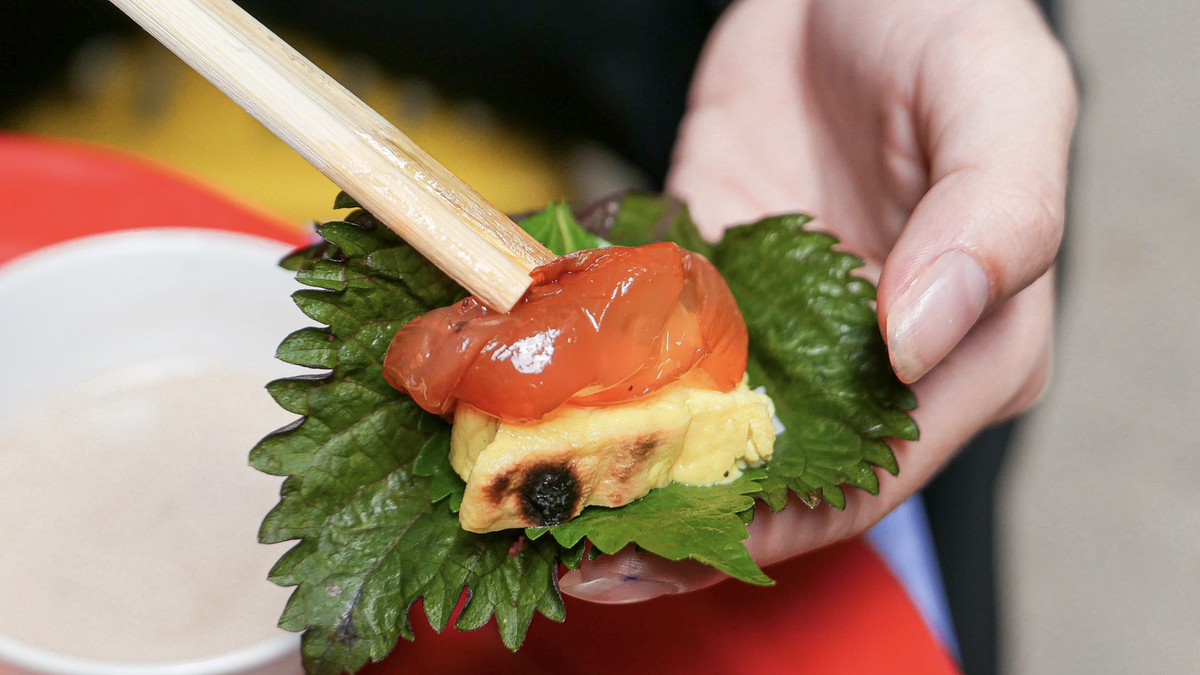
Roasted veal from Cau Mong is served with rice paper, fresh vegetables, and fermented fish sauce. Photo: Linh Huong
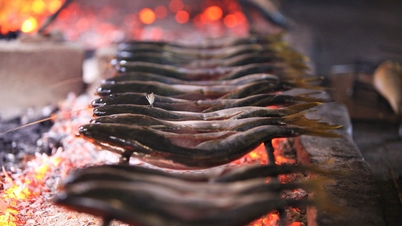
Roasted veal is a popular dish in the central provinces of Vietnam, but the most delicious and famous is found in Cau Mong, Dien Phuong commune, Dien Ban town. If you travel along National Highway 1A, you'll see numerous roasted veal restaurants, all bustling with customers. Calves, about 4-5 months old and weighing 50-60 kg, are slaughtered, their entrails removed, stuffed with deodorizing herbs like lemongrass and lime, then sewn shut with wire. A long stick is skewered lengthwise along the calf's body, and it's placed over a medium-heat charcoal fire to be roasted. During roasting, the calf is rotated to ensure the meat is cooked medium-rare, tender, and sweet, with a golden-brown skin. Once cooked, the veal is cut into large chunks and displayed in a glass case. When a customer orders, it's sliced thinly and arranged on a plate. Roasted veal is best enjoyed with Central Vietnamese fermented fish sauce, fresh vegetables, and rice paper rolls.
Quang noodles (Mì Quảng) originate from Quang Nam - Da Nang (formerly). They are made from finely ground rice flour mixed with water from gardenia seeds and eggs for a yellow color, then layered and sliced into 5-10 mm thick noodles. Underneath the noodles are various fresh vegetables; a typical Quang Nam style requires nine types to achieve the desired flavor: basil, lettuce, young cabbage, blanched (or raw) bean sprouts, coriander, mint, chopped scallions, and thinly sliced banana blossoms. They are served with pork, shrimp, chicken, snakehead fish, and quail eggs. Other toppings include crushed roasted peanuts and chili paste. The broth, called "nuoc nhan," is concentrated and thick. A bowl of Quang noodles is always served with rice crackers. Cao Lau is considered a specialty of Hoi An. The dish features thick noodles served with shrimp, pork, various fresh vegetables, and a little broth. The yellow color of the noodles comes from the flour being mixed with ash from a local plant. The name "Cao Lau" means a delicacy enjoyed on a high floor. Diners can enjoy their meal while admiring the beautiful cityscape of Hoi An from above. Cao Lau originated in the 17th century, when Chinese and Japanese merchants came to Hoi An to trade. The dish is considered a blend of Chinese and Japanese cuisine. Later, Cao Lau was adapted to suit Vietnamese tastes and became a Central Vietnamese specialty. Tam Ky and Hoi An are two places famous for their chicken rice. Decades ago, chicken rice was sold from street vendors throughout the streets and alleys. Gradually, the dish became popular in larger restaurants. A truly authentic plate of chicken rice must meet several criteria: sticky, fragrant rice, firm and flavorful chicken meat, savory chicken offal, crispy and sour shredded papaya, coriander, and, of course, a touch of chili sauce. The chicken broth is used to cook the rice; when the rice turns opaque white and the grains become slightly dry, turmeric juice is added and stirred well to give the rice a yellow color.
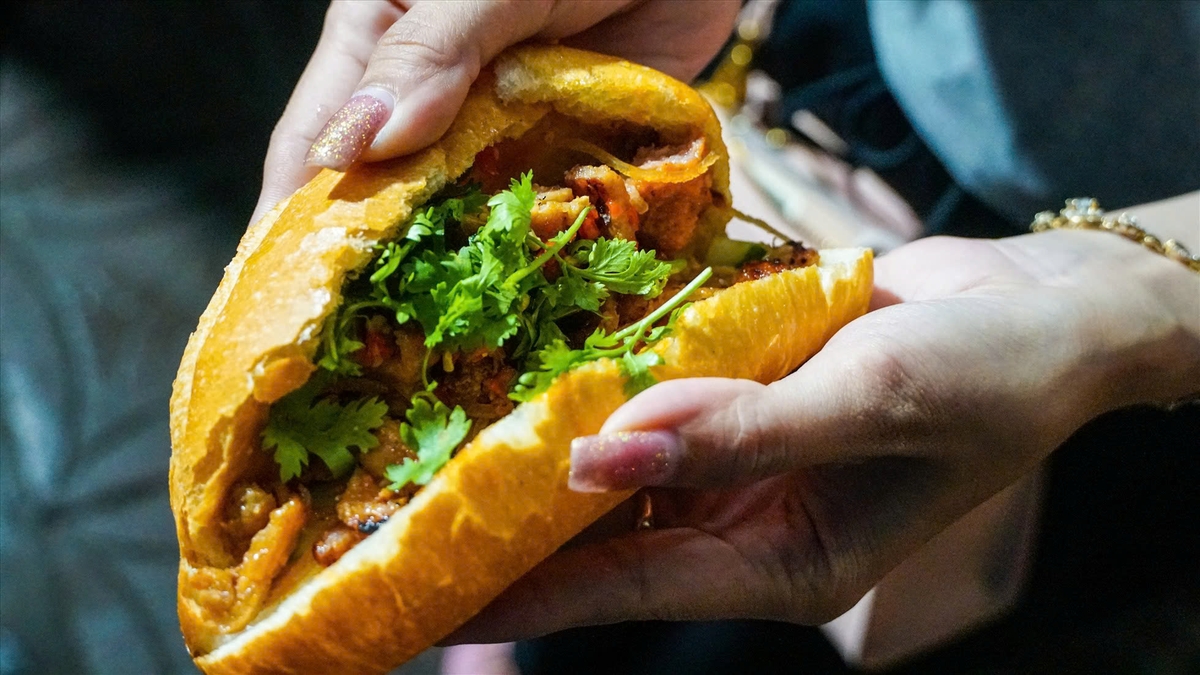
Besides the aforementioned signature dishes, Quang Nam also has popular dishes in Central Vietnam such as rice paper rolls with pork, banh canh (rice noodle soup), banh mi (Vietnamese baguette), banh bot loc (tapioca dumpling), and nem nuong (grilled pork skewers).
Note
If you visit Quang Nam during the rainy season (September-January), you may encounter very heavy rains, even storms, and flooding lasting for several days, making travel difficult.



![[Photo] Prime Minister Pham Minh Chinh receives the Chinese Ambassador to Vietnam](https://vphoto.vietnam.vn/thumb/1200x675/vietnam/resource/IMAGE/2026/04/05/1775397481797_ndo_br_dsc-5512-jpg.webp)
























































Comment (0)