

Reports of strange smells from astronauts after space exploration missions are not only fascinating stories but also open new doors for science , enriching humanity's understanding of the vastness of space.
Each scent, associated with a specific chemical component, provides crucial clues about the material composition and atmospheric structure of planets and celestial bodies.
For example, sulfur compounds suggest volcanic activity, while hydrocarbon gases could be a sign of life. Thus, even if only fleeting perceptions, scent records contribute significantly to the description and study of extraterrestrial entities.
The smell of gunpowder: A product of the Earth?
After each spacewalk, astronauts often return to the International Space Station with memories of many different smells: the smell of burnt steak, the pungent smell of metal, or, most notably, the smell of used gunpowder.
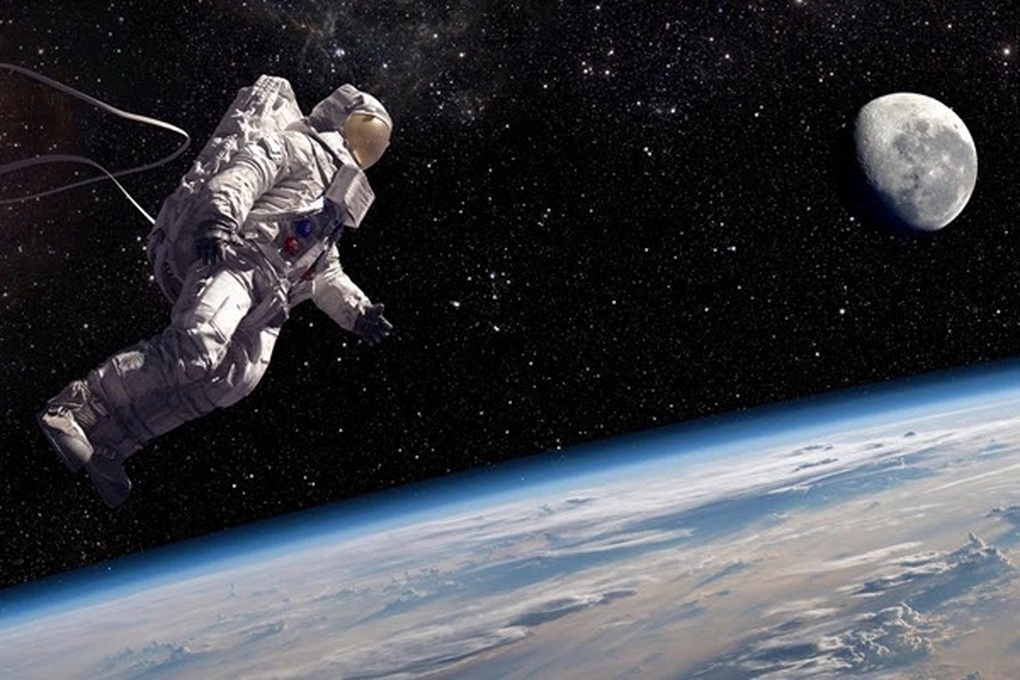
Many astronauts have reported smelling gunpowder after their expeditions beyond Earth (Illustrative image: Getty).
NASA astronaut Don Petit once shared: "I used to smell welding fumes that reminded me of working with arc welding equipment when I was at the Australian Academy of Sciences."
According to Space Insider, both Apollo 17 astronaut Harrison "Jack" Schmitt and Apollo 16 astronaut Charles Duke described the smell of gunpowder as the most distinctive characteristic when talking about lunar dust.
Scientists have hypothesized that oxygen atoms in Earth's orbit cling to extraterrestrial material, becoming compressed and reacting with the surrounding air. The oxidation of these compounds during repressurization creates the gunpowder smell.
Regarding lunar dust, the hypothesis is that reactive free chemical bonds, created by the meteorite impact, reacted with the air in the spacecraft's capsule, producing the characteristic gunpowder smell. However, this smell would fade with prolonged exposure to oxygen and moisture.
Comets have a foul smell.
The European Space Agency's Rosetta mission has provided invaluable records of olfactory signatures in space, particularly from comet 67P/Churyumov-Gerasimenko.
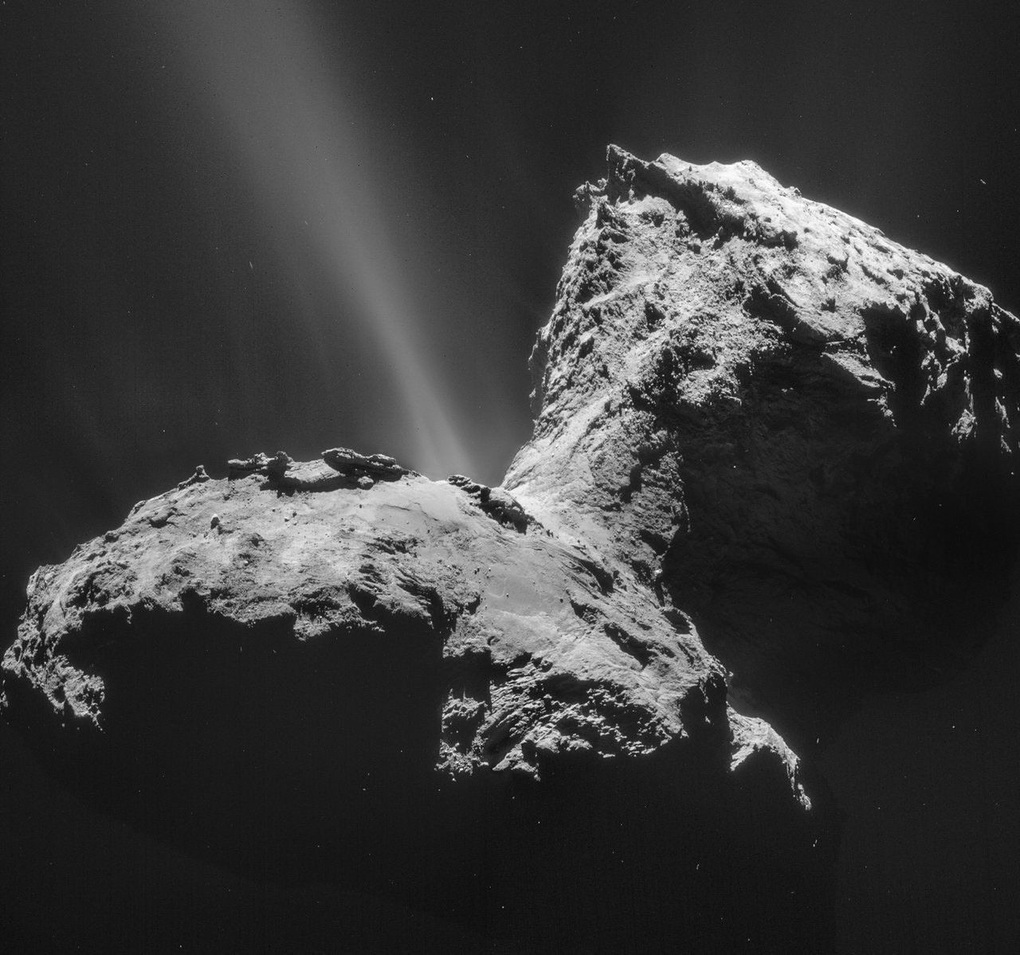
Comet 67P/Churyumov-Gerasimenko on January 31, 2015 (Image: ESA/Rosetta/NAVCAM).
Using data from the Philae probe, Swiss researchers analyzed the atmosphere around the comet and discovered a mixture of odors containing various volatile compounds.
Associate Professor Kathrin Altwegg, Mission Manager, described on the project blog: “The characteristic smell of 67P/Churyumov-Gerasimenko is quite strong. It is a mixture of the smell of rotten eggs (hydrogen sulfide), the smell of a stable (ammonia), and the pungent and suffocating smell of formaldehyde.”
This mixture also has a hint of the bitter almond smell of hydrogen cyanide; a faint smell of alcohol (methanol), the characteristic vinegary smell of sulfur dioxide, and finally a touch of the sweet aroma of carbon disulfide.
Although the individual smells are quite strong, they do not dominate the coma (the gaseous halo surrounding the comet's solid core), which is primarily water vapor, carbon dioxide, and carbon monoxide. Nevertheless, this discovery still provides interesting insights into the chemistry of the solar system.
Predicting the smell of Mars from the soil and atmosphere.
Although humans haven't been able to directly breathe Martian air, analyses of soil and atmospheric samples have helped scientists predict that the planet has a distinctive smell.
Exploration spacecraft and orbital instruments have detected chemical compositions suggesting that Mars primarily smells of sulfur, with a hint of a sweet, powdery odor.
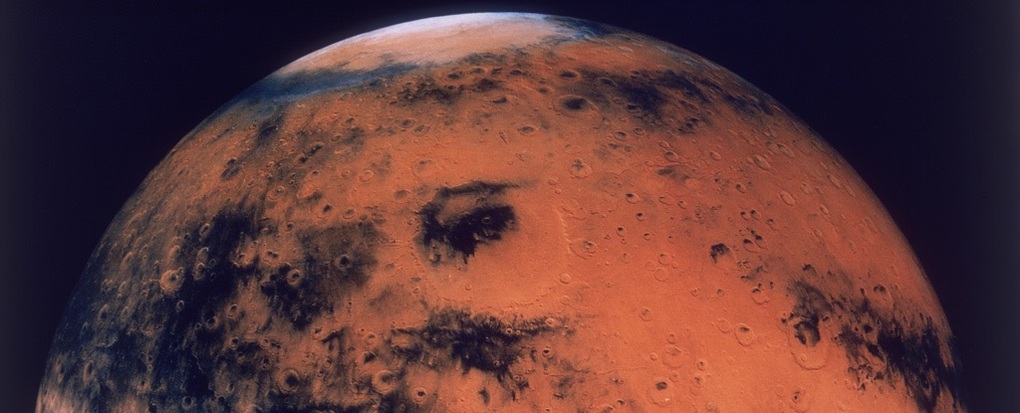
The fourth planet in our solar system might smell like sulfur mixed with a hint of sweet, powdery scent (Illustrative image: Getty).
Mars contains high levels of sulfur, magnesium, iron, chlorine, and various acids. While significant levels of other odorous compounds have not been detected, analyses suggest that sulfur is the most recognizable smell.
However, recent observations by the ExoMars Trace Gas Orbiter (a collaborative project between the European Space Agency and Roscosmos) have not clearly detected sulfur-containing gases such as carbonyl sulfide, sulfur dioxide, or hydrogen sulfide in the Martian atmosphere.
This suggests that, if present at all, they exist in extremely small quantities in the soil, causing the faint, unpleasant smell of rotten eggs to linger in the air.
Saturn's moon has a familiar smell we get when we fill up our gas tanks.
Saturn's moon Titan is rich in hydrocarbons, such as methane and ethane, which make up both its thick, orange atmosphere and the lakes on its surface.
These compounds are similar to crude oil and gasoline on Earth, suggesting that Titan might smell like oil or gasoline, if humans could safely smell it.

Saturn's moon Titan has lakes and seas containing liquid methane and ethane (Illustrative image: Getty).
Data from the Cassini-Huygens mission confirmed the existence of liquid methane and ethane in lakes and seas on Titan. Interestingly, spectroscopic analysis revealed that these lakes also have evaporation cycles, forming clouds and rain, but instead of water, they are filled with methane and ethane.
It should be noted that methane itself is odorless. The gasoline-like smell is associated with the presence of heavier hydrocarbons, such as benzene, which have the characteristic sweet aroma of solvents and fuels.
Therefore, although we cannot directly smell titanium, its chemical composition suggests a subtle "hint" that easily evokes the familiar smell of gasoline on Earth.
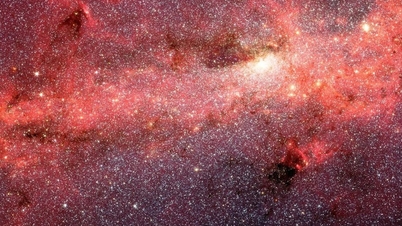
The center of the Milky Way is a feast for the sense of smell.
Deep within the Milky Way's center, the giant molecular cloud Sagittarius B2 contains a rich array of organic molecules. Among them is ethyl formate, which has the aroma of raspberries or rum.
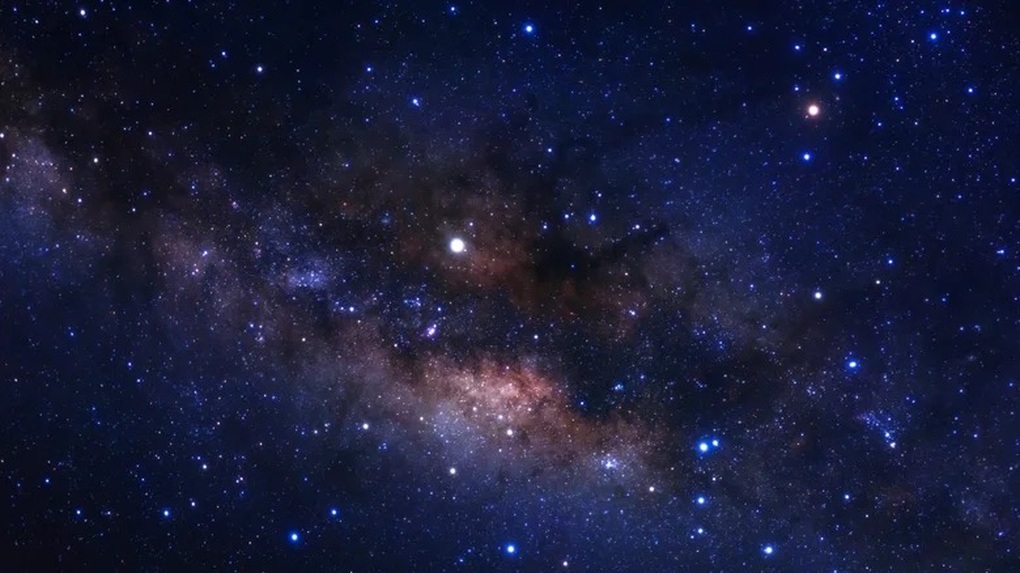
The center of the Milky Way has many complex smells (Illustrative image: Shutterstock).
Through spectroscopic observations using the IRAM radio telescope, astronomers analyzed thousands of signals and identified dozens of different molecules, including ethyl formate.
Other compounds such as ethylene glycol, ethanol, acetone, and hydrogen sulfide (the smell of rotten eggs) were also found, adding to the complexity of the scent of Centauri B2.
However, ethyl formate is just one molecule in the incredibly complex chemical mixture of Centauri B2, so its scent is not the smell of the entire Milky Way galaxy.
Furthermore, the molecular cloud of Sagittarius B2 is extremely diluted; even if humans could smell it, the scent would be too faint for the nose to detect.
Source: https://dantri.com.vn/khoa-hoc/chung-ta-that-su-ngui-duoc-mui-gi-tu-ngoai-vu-tru-20251005163534664.htm

![[Photo] Prime Minister Pham Minh Chinh receives the Governor of Tochigi Province (Japan)](/_next/image?url=https%3A%2F%2Fvphoto.vietnam.vn%2Fthumb%2F1200x675%2Fvietnam%2Fresource%2FIMAGE%2F2025%2F12%2F16%2F1765892133176_dsc-8082-6425-jpg.webp&w=3840&q=75)
![[Photo] Prime Minister Pham Minh Chinh receives Lao Minister of Education and Sports Thongsalith Mangnormek](/_next/image?url=https%3A%2F%2Fvphoto.vietnam.vn%2Fthumb%2F1200x675%2Fvietnam%2Fresource%2FIMAGE%2F2025%2F12%2F16%2F1765876834721_dsc-7519-jpg.webp&w=3840&q=75)
![[Live] 2025 Community Action Awards Gala](/_next/image?url=https%3A%2F%2Fvphoto.vietnam.vn%2Fthumb%2F1200x675%2Fvietnam%2Fresource%2FIMAGE%2F2025%2F12%2F16%2F1765899631650_ndo_tr_z7334013144784-9f9fe10a6d63584c85aff40f2957c250-jpg.webp&w=3840&q=75)
![[Image] Leaked images ahead of the 2025 Community Action Awards gala.](/_next/image?url=https%3A%2F%2Fvphoto.vietnam.vn%2Fthumb%2F1200x675%2Fvietnam%2Fresource%2FIMAGE%2F2025%2F12%2F16%2F1765882828720_ndo_br_thiet-ke-chua-co-ten-45-png.webp&w=3840&q=75)




























































































Comment (0)