

Although not specifically addressing Ho Chi Minh City, the issues currently under consideration by the National Assembly directly impact the city's ability to overcome bottlenecks, particularly in approving planning, renovating the drainage system, expanding inter-regional transportation, and accelerating public investment. The National Assembly is "paving the way" through institutional reforms; Ho Chi Minh City must "move quickly" through implementation.
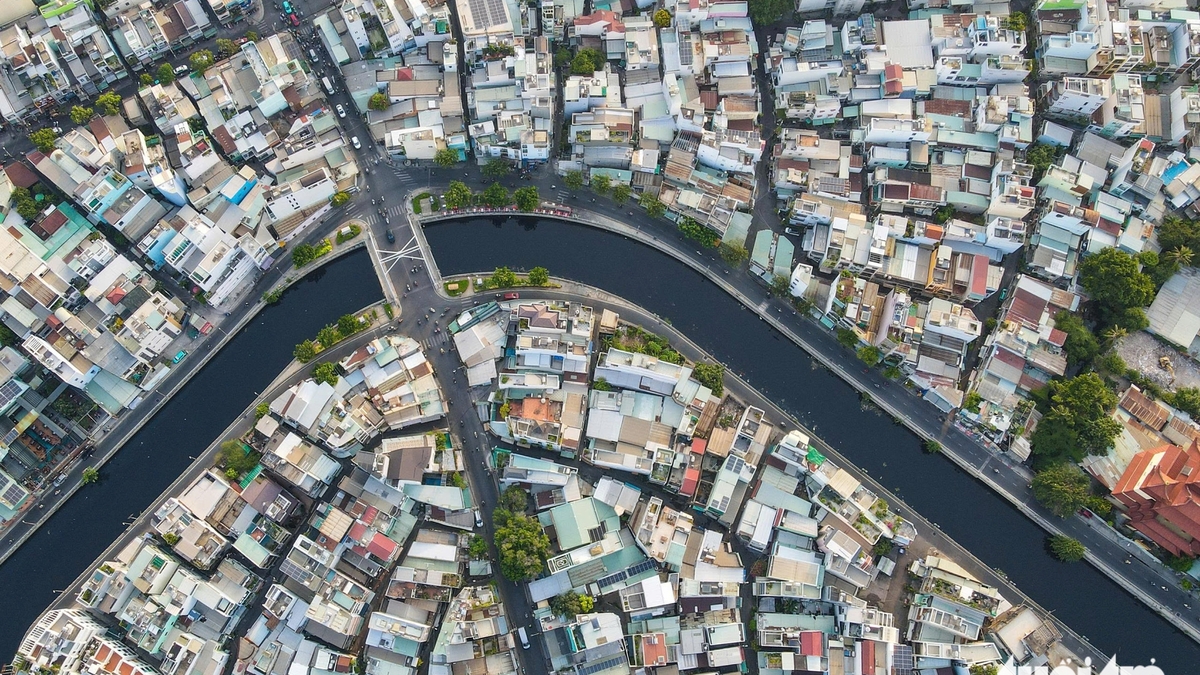
Returning to the practical realities of the city, the dredging and renovation of the Ong Be and Ba Lon canals is no longer merely a technical matter. It's a vital need for tens of thousands of households, whose lives are at risk from even an hour of unseasonal rain or an unusual tidal surge. Urban beautification, therefore, is not just about construction or upgrading infrastructure, but is also linked to the need to improve the effectiveness and efficiency of the administrative apparatus. Consequently, reforms in public finance, stricter administrative discipline, and increased accountability are fundamental adjustments to create real change in urban governance.
Furthermore, the grassroots democracy implementation measures presented at this session are the "soft key" to increasing consensus within the community. With the trust and support of the people, urban renovation projects can be implemented smoothly. Simultaneously, the session also discussed many social welfare policies such as support for drug rehabilitation, care for war veterans, and support for health insurance for the elderly, students, etc. This is the "humanitarian" aspect of urban renovation, because a beautiful city is not only reflected in modern roads but also in how the city cares for vulnerable people.
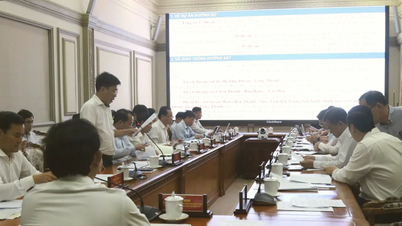
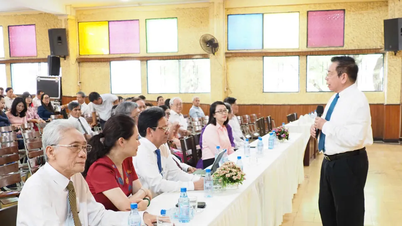
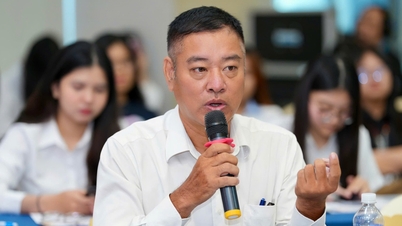
In his closing remarks at the session, Chairman of the Ho Chi Minh City People's Council Vo Van Minh emphasized that each resolution passed is not only a legal document but also a commitment to the people and the business community to continue removing obstacles, improving the investment environment, and promoting development. Therefore, the simultaneous adoption of 43 resolutions requires that these 43 resolutions quickly translate into real-life action; be implemented, monitored, and evaluated seriously.
Ho Chi Minh City is facing a clear requirement: urban planning must come first, and the administrative apparatus needs to maintain a sense of responsibility, speed, and discipline. A special city is not only defined by its scale, but also by its ability to adapt and effectively implement the tasks set forth. In this context, the rapid concretization of resolutions with practical results is also the expectation that the people of Ho Chi Minh City place in each resolution that has been passed.
Source: https://www.sggp.org.vn/cu-the-hoa-cam-ket-bang-ket-qua-post823544.html




























































































Comment (0)