

The Dak Lak Department of Culture, Sports and Tourism is tasked with monitoring, inspecting, urging, and guiding the implementation of this new code of conduct in the province.
Standards of behavior and attitude
According to the Dak Lak Department of Culture, Sports and Tourism, the requirement to standardize the behaviors and attitudes of each individual in the community, aiming to gradually adjust habits and communication styles in the daily lives of citizens, officials, and civil servants, especially in public places and offices, has been in place for a long time.
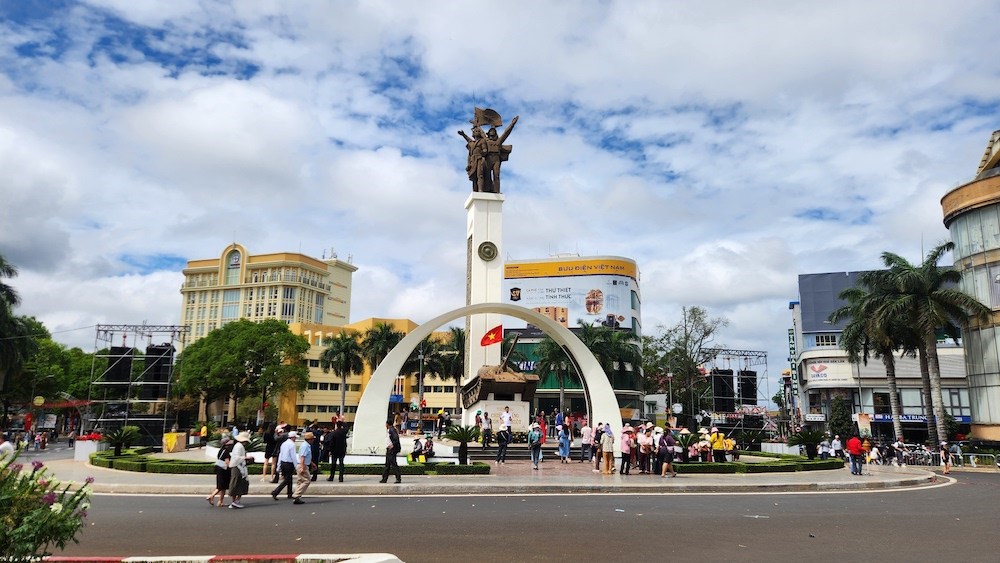
These principles of etiquette and social customs have been practiced by everyone, but they still need to be updated, reminded, and emphasized to each individual, especially the younger generations, who have highly independent personalities…
In 2022, the Dak Lak Department of Culture, Sports and Tourism proposed, and the local government agreed to issue, a code of conduct, based on the social reality of many negative impacts and changes in individual behavior following the pandemic and the effects of the socio -economic crisis.
This becomes even more necessary as the locality promotes cultural and educational activities, aiming for integration into society and internationalization through tourism, cultural exchange, sports, etc.
After more than two years of implementation, the code of conduct has been understood and actively followed by many people, mainly in public places, religious sites, offices, and workplaces.
In some areas, with specific social contexts, and in newly developed urban areas, this code of conduct has been strictly adhered to, contributing to changing the landscape and creating a healthy and progressive lifestyle among residents, especially in terms of hygiene and environmental protection.
Along with the requirement to consolidate administrative boundaries, Dak Lak province has expanded in area and population, becoming integrated with Phu Yen province to form a large, diverse area with new residential zones. The system of new urban areas, densely populated centers, buildings, historical sites, tourist destinations, community centers, etc., has increased.
The requirements for improving and establishing a better living environment, connecting people through communication, and enhancing community life also need to be raised and become increasingly complete and comprehensive.
In particular, in the new context, with the establishment of a two-tiered administrative system for managing social order, the need for orderliness and seriousness in community conduct, adherence to the law, and control of individual behavior has become even more urgent.
In that spirit, the Dak Lak Department of Culture has proposed, reviewed, supplemented, and implemented the issuance of a new code of conduct at the local level. All officials, civil servants, employees, and residents living in Dak Lak province are responsible for complying with this code of conduct.
Creating better living spaces.
Mr. Tran Hong Tien, Director of the Department of Culture, Sports and Tourism of Dak Lak, shared that the main spirit of the code of conduct is to encourage and call on all individuals in the locality to work together to build better living spaces.
In this set of regulations, the local cultural sector defines 11 universally representative living spaces, emphasizing certain priority and specific spaces, such as public gathering places, religious establishments, cyberspace, social transportation spaces, and residential communities.
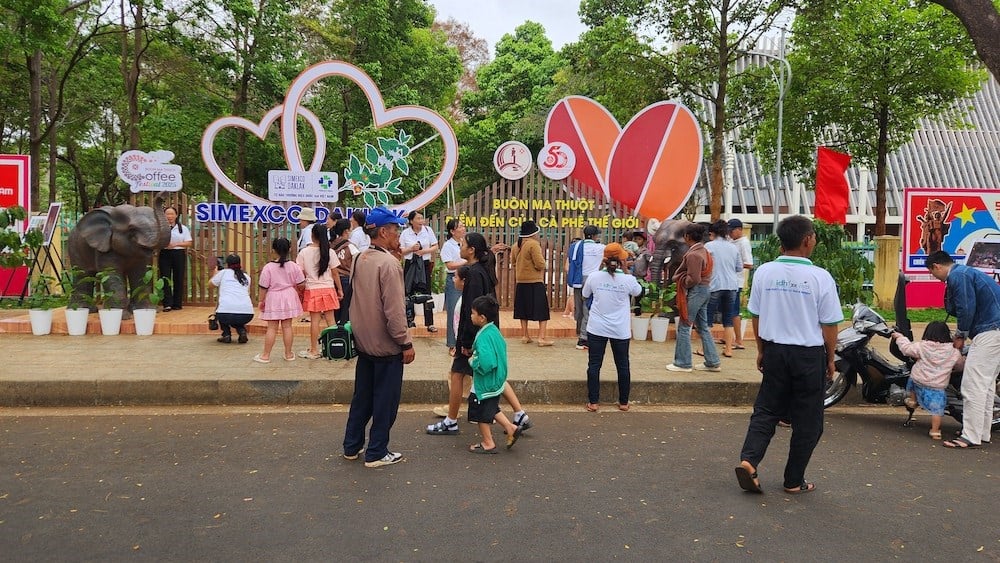
People in these spaces need to be mindful of principles of communication, etiquette, ethics, mutual respect, respect for others, and prioritizing care and support for children, the elderly, the disabled, the sick, and pregnant women…
Everyone needs to be mindful of their words and actions, observe those around them, and maintain a polite, friendly, and enthusiastic attitude towards those in need of help, especially tourists and visitors from other places.
Particularly in spaces with unique characteristics, such as cyberspace, religious and spiritual sites, transportation environments, and tourist destinations, the code of conduct requires a high degree of self-awareness from individuals and community groups. Everyone needs to pay close attention to potential safety risks, strictly adhere to legal regulations and common behavioral norms to minimize violations...
According to Mr. Tran Hong Tien, generally speaking, the code of conduct is closely linked to social activities and traditional cultural concepts of communication in the locality, so there will certainly be no discrepancies or obstacles.
However, this is a region with a diverse social community, where many ethnic groups live together, and it is also a place that constantly adopts and incorporates new social activities and lifestyles, resulting in many differences in dialogue, communication, and ritual practices.
Dak Lak is also a land where many different cultural, spiritual, and religious elements converge, with many unique cultural heritage sites present, thus requiring necessary adjustments and harmonization in cultural communication among all individuals.
Therefore, the issuance of a code of conduct is absolutely necessary, but it needs to be evaluated and implemented in a subtle, polite manner, in accordance with reality, avoiding rigid and inflexible application to ensure effectiveness.
"The local cultural sector will coordinate with relevant agencies, especially cultural workers, officials, and civil servants... to pay close attention to the implementation and compliance with this code of conduct, in order to achieve the necessary, complete, and reasonable requirements," Mr. Tran Hong Tien observed.
Source: https://baovanhoa.vn/van-hoa/dak-lak-ban-hanh-bo-quy-tac-ung-xu-moi-189260.html
![[Photo] Prime Minister Pham Minh Chinh receives Lao Minister of Education and Sports Thongsalith Mangnormek](/_next/image?url=https%3A%2F%2Fvphoto.vietnam.vn%2Fthumb%2F1200x675%2Fvietnam%2Fresource%2FIMAGE%2F2025%2F12%2F16%2F1765876834721_dsc-7519-jpg.webp&w=3840&q=75)
![[Image] Leaked images ahead of the 2025 Community Action Awards gala.](/_next/image?url=https%3A%2F%2Fvphoto.vietnam.vn%2Fthumb%2F1200x675%2Fvietnam%2Fresource%2FIMAGE%2F2025%2F12%2F16%2F1765882828720_ndo_br_thiet-ke-chua-co-ten-45-png.webp&w=3840&q=75)
![[Live] 2025 Community Action Awards Gala](/_next/image?url=https%3A%2F%2Fvphoto.vietnam.vn%2Fthumb%2F1200x675%2Fvietnam%2Fresource%2FIMAGE%2F2025%2F12%2F16%2F1765899631650_ndo_tr_z7334013144784-9f9fe10a6d63584c85aff40f2957c250-jpg.webp&w=3840&q=75)


![[Photo] Prime Minister Pham Minh Chinh receives the Governor of Tochigi Province (Japan)](/_next/image?url=https%3A%2F%2Fvphoto.vietnam.vn%2Fthumb%2F1200x675%2Fvietnam%2Fresource%2FIMAGE%2F2025%2F12%2F16%2F1765892133176_dsc-8082-6425-jpg.webp&w=3840&q=75)






















































































Comment (0)