

Boats will transport tourists to Suoi Tien - Thuy Yen Lake Tourist Area in July 2025. |
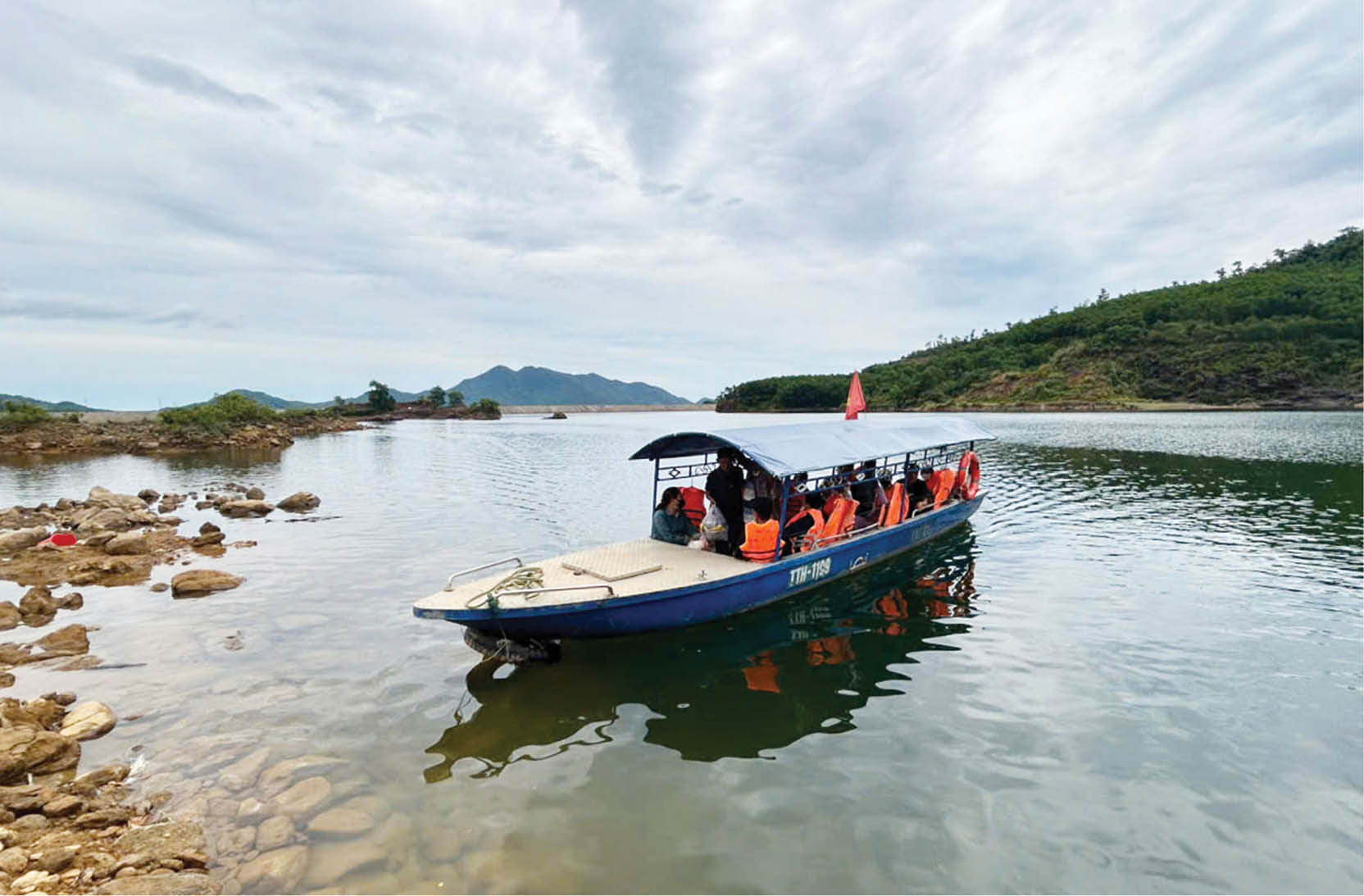
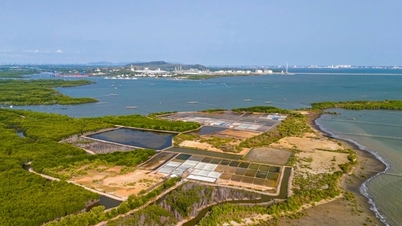
Hue is a locality with abundant resources of rivers, streams, seas, and lagoons for developing waterway tourism. To ensure the safety of this tourism activity, proactively developing disaster prevention and control plans is given attention, especially before the peak summer tourist season.
According to the Director of the Department of Tourism, Tran Thi Hoai Tram, the Department has advised the City People's Committee to issue regulations on the management of beaches, river, lake, stream, and waterfall tourism services at recognized locations in Hue City. Decision No. 53/2023/QD-UBND dated September 27, 2023, of the Hue City People's Committee clearly stipulates the responsibilities of organizations and individuals managing and operating beaches, including providing adequate infrastructure, rescue equipment, warning signs, directional signs, operating regulations, and a professionally trained workforce. Prohibited behaviors include: swimming while intoxicated, using unsafe equipment, encroaching on beach space, and bringing inappropriate vehicles into the swimming area.
In addition, the Department also issued directives and guidelines to tourism businesses, accommodation establishments, and tourist destinations, instructing them to develop disaster response plans and evacuation plans for tourists in the event of storms and floods, in accordance with guidelines from the central and local authorities. It also coordinated with the Hue City Disaster Prevention and Search and Rescue Command to update and warn tourism establishments about natural disasters in a timely manner.
The tourism industry and local authorities have also intensified inspection and supervision. In addition to coordinating with the Inspectorate of the Ministry of Culture, Sports and Tourism to conduct regular inspections on compliance with regulations regarding tourist destinations such as environment, facilities, security, safety, rescue, and emergency response, the local tourism industry also cooperates with and participates in inter-agency inspection teams to check safety conditions, passenger transport vehicles (especially tourist boats), and rescue equipment. At the same time, they require tourist destinations to post safety regulations, provide sufficient life jackets and lifebuoys, and have rescue personnel on duty.
Two key tasks that must be regularly implemented are improving the capacity of tourism workers and disseminating information, warnings, and guidance to tourist destinations and visitors. Annually, the Department of Tourism issues a document requesting localities to organize training in rescue skills, first aid, and drowning prevention for staff at tourism establishments, tour guides, boat drivers, and service personnel at tourist areas. It also urges coastal localities to deploy rescue forces and station rescue personnel at tourist beaches during the summer and rainy seasons. Furthermore, it requires tourist destinations with rivers, lakes, streams, and waterfalls to install warning signs in areas prone to accidents, such as rocky areas, whirlpools, and prohibited swimming zones.
In ensuring the safety of tourists, the role of state management agencies and local authorities alone is insufficient; the responsibility of businesses, tourist destinations, and even the awareness of tourists themselves is extremely important. Tourism businesses need to closely monitor weather developments and proactively suspend tourism activities on rivers, lakes, streams, and waterfalls when there are warnings of heavy rain or thunderstorms. The inspection and monitoring of the technical condition of watercraft must be carried out rigorously, ensuring full registration, the provision of life jackets, and not exceeding the permitted passenger capacity. Tourist destinations need to deploy sufficient, professionally trained rescue personnel, have emergency response plans, and a clear, easily observable warning system. At the same time, it is necessary to strengthen communication and raise awareness among tourists and service operators about safety.
Tourists also need to comply with recommendations and fully follow the instructions of authorities and tourism businesses. From small things like wearing life jackets, sitting in the correct seats when boats are in motion, and not leaving the designated safe zone, tourists can protect themselves from unexpected risks.
Text and photos: MINH TAM
Source: https://huengaynay.vn/du-lich/dam-bao-an-toan-du-lich-duong-thuy-156375.html



![[Image] National Assembly discusses the implementation of the socio-economic development plan.](https://vphoto.vietnam.vn/thumb/1200x675/vietnam/resource/IMAGE/2026/04/20/1776696707422_ndo_br_img-20260420-185419-jpg.webp)
![[Photo] General Secretary and President To Lam meets with National Assembly delegates from ethnic minorities.](https://vphoto.vietnam.vn/thumb/1200x675/vietnam/resource/IMAGE/2026/04/20/1776696701056_a1-bnd-8331-3342-jpg.webp)













































































Comment (0)