

According to the National Center for Hydro-Meteorological Forecasting, early this morning, February 7th, a strong cold front affected some mountainous areas in the North. From the night of February 7th to February 10th, the North Central region will experience intense cold, with the lowest temperatures during this cold spell in the North generally ranging from 9-12°C, 5-8°C in mountainous areas, and below 3°C in some high mountainous areas. To promptly cope with the severe cold weather and ensure the safety of livestock, localities and livestock farmers in the province have proactively implemented many measures to keep their animals healthy.
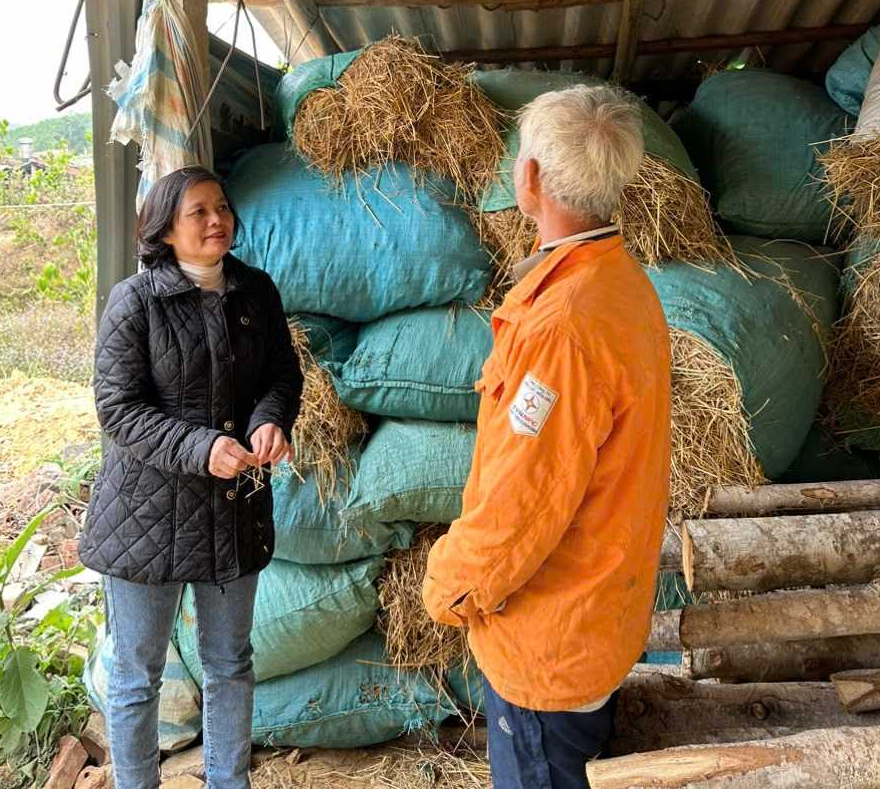
For many years, in addition to forestry development, cattle farming has been the main source of income for Mr. Loan Van Vien's family (Na Lang village, Vo Ngai commune, Binh Lieu district). Therefore, whenever the weather turns cold, Mr. Vien's family proactively reinforces and covers the barns with tarpaulins; they stockpile straw, corn, and rice bran as feed reserves for their herd. At the same time, his family also carries out regular vaccinations for the cattle according to the instructions of the commune's veterinary officers.
Mr. Vien said: "The temperature in this area is usually lower than in other localities, so my family always closely monitors the weather. On days when the temperature drops below 12 degrees Celsius, in addition to stopping grazing and adding salt to increase metabolism and improve resistance, I also burn firewood to warm the barn area, helping the herd of cows stay healthy."
According to statistics, Binh Lieu district has nearly 1,900 buffaloes, over 2,800 cows, about 3,000 pigs, and more than 111,000 poultry of various types. From the beginning of winter, Binh Lieu district has focused on directing functional departments to regularly update weather developments and provide timely information through various media channels so that all people are aware and can proactively prevent and combat severe cold weather. At the same time, the district has also established working groups to go down to villages, hamlets, and neighborhoods to guide, inspect, and supervise cold weather prevention efforts for people, livestock, poultry, aquaculture, and crops, with particular attention to highland villages and hamlets.
Ms. Le Thi Thu Huong, Head of the Agriculture and Rural Development Department of Binh Lieu district, shared: "These days, the district's agricultural sector is still closely monitoring the weather situation to take timely measures to protect livestock from the cold when severe cold weather occurs."
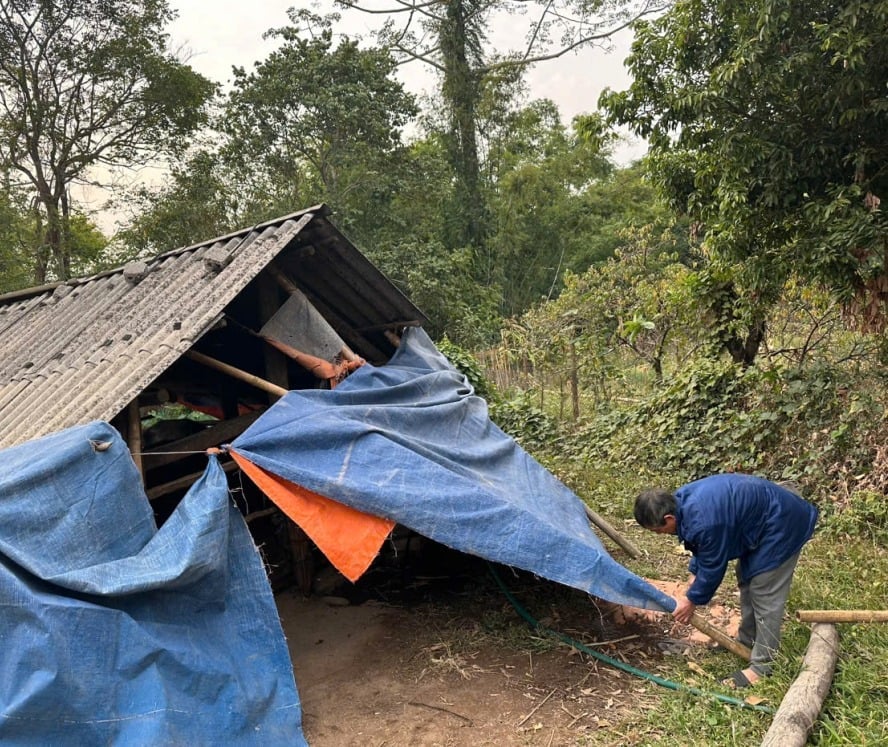
To ensure the safety of livestock during the cold and rainy days, Tien Yen district has directed relevant departments, specialized units, and localities to strengthen propaganda and guidance on how to care for livestock. In particular, the authorities have requested livestock farmers to reinforce barns, provide insulation to keep animals warm, stockpile feed, and move free-grazing livestock back to enclosed barns to protect them from the cold.
Mr. Ngo Van Dai (Dong Dinh village, Phong Du commune, Tien Yen district) said: "With the current weather, it's necessary to protect livestock, especially buffaloes, from the cold. Because when it's freezing cold, the buffaloes' legs often get numb. With years of experience and timely guidance from the commune's veterinary officers, we've used sacks and blankets to make cloaks, cooked warm rice porridge with salt for the buffaloes, and burned extra firewood to keep them warm. Thanks to this, our livestock remain healthy."
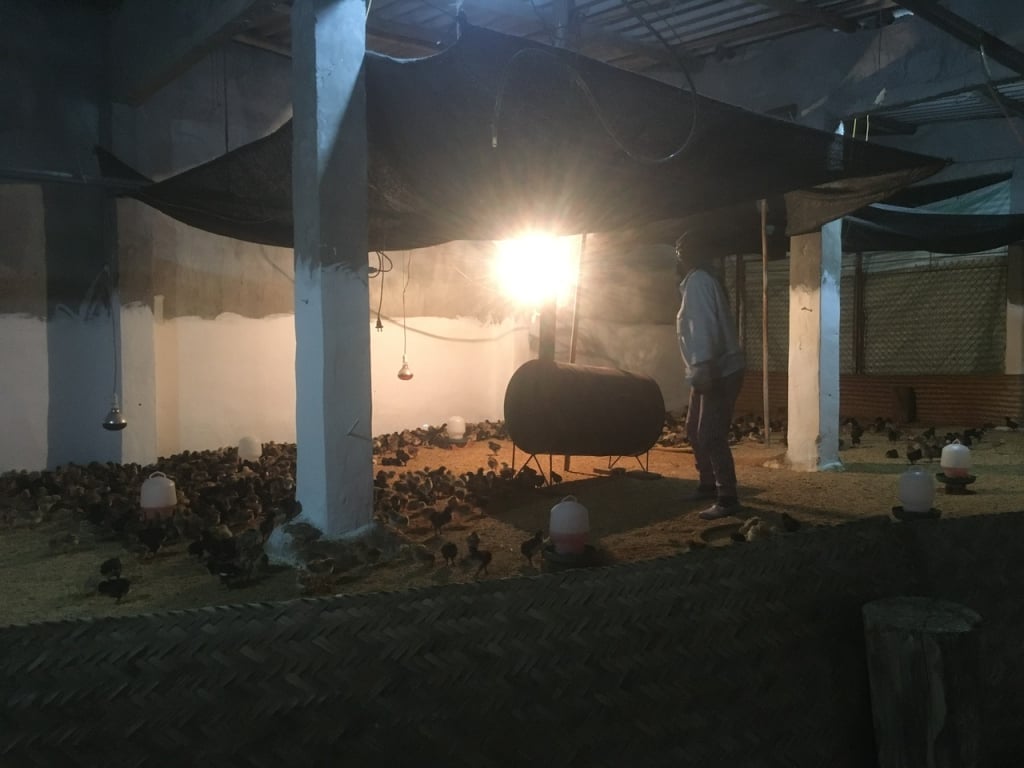
As for poultry, observations show that households are also proactively implementing measures to protect their animals from the cold. To ensure their poultry avoid disease and develop good resistance to severe cold spells, Ms. Nguyen Thi Huong's family (Dam Thuy area, Thuy An ward, Dong Trieu city) has proactively covered their coop with tarpaulin, added warm water, warm garlic yeast, and used heating lamps at night.
According to the Department of Agriculture and Rural Development's assessment in recent years, the conditions and techniques of livestock farming in the province have improved significantly, and the work of preventing and combating cold weather for livestock in localities has become increasingly systematic. Furthermore, before and during periods of severe cold, the Department has established numerous inspection teams to monitor and supervise the implementation of measures to prevent hunger, cold, and disease outbreaks in high-risk areas, mainly in the eastern region. At the same time, the Department has also requested local veterinary officers to expedite the vaccination of livestock and poultry to create proactive immunity and prevent disease outbreaks.
Ms. Chu Thi Thu Thuy, Head of the Livestock and Veterinary Sub-Department (Department of Agriculture and Rural Development), said: The Sub-Department closely monitors warning and forecast bulletins on the development of the intensified cold front to promptly inform and direct local authorities and the people to proactively prevent and mitigate damage. Before and after the Lunar New Year of the Year of the Snake 2025, the Sub-Department conducted direct inspections of cold weather prevention measures for livestock in localities and disseminated experiences and the latest directives from the industry so that localities could promptly respond to unusual weather changes. With the involvement of the industry, local authorities, and the proactive efforts of the people, it is certain that the damage to livestock in the province will be minimized, ensuring the safety of livestock production in 2025.
Source


![[Photo] Two flights successfully landed and took off at Long Thanh Airport.](/_next/image?url=https%3A%2F%2Fvphoto.vietnam.vn%2Fthumb%2F1200x675%2Fvietnam%2Fresource%2FIMAGE%2F2025%2F12%2F15%2F1765808718882_ndo_br_img-8897-resize-5807-jpg.webp&w=3840&q=75)


















































































Comment (0)