

 |
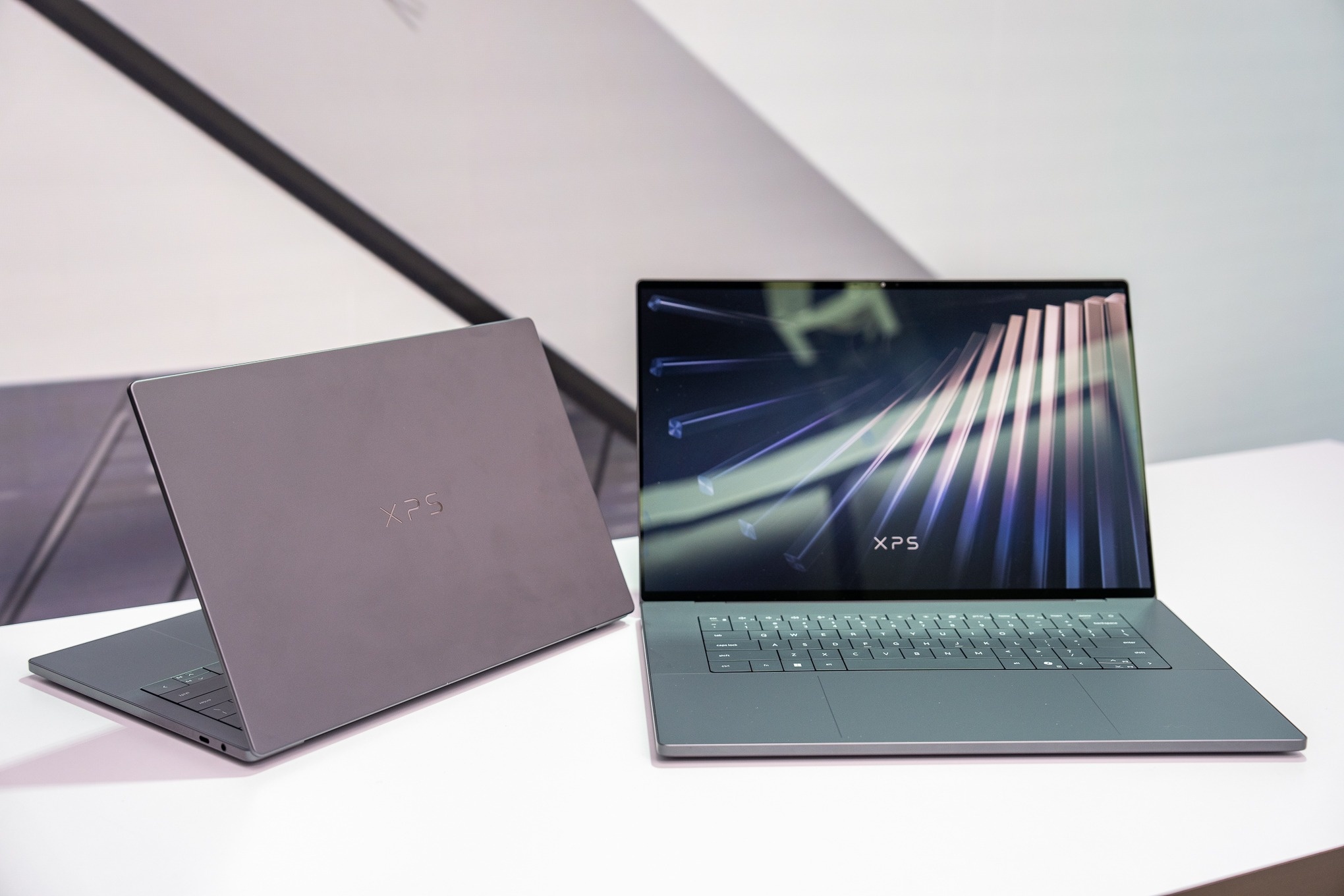
After a year of using the Premium name, Dell has brought back the XPS laptop line to CES 2026. The XPS 14 and XPS 16 retain the hallmarks of the XPS line, including a thin and light design, long battery life, and the latest Intel Core Ultra Series 3 processors. |
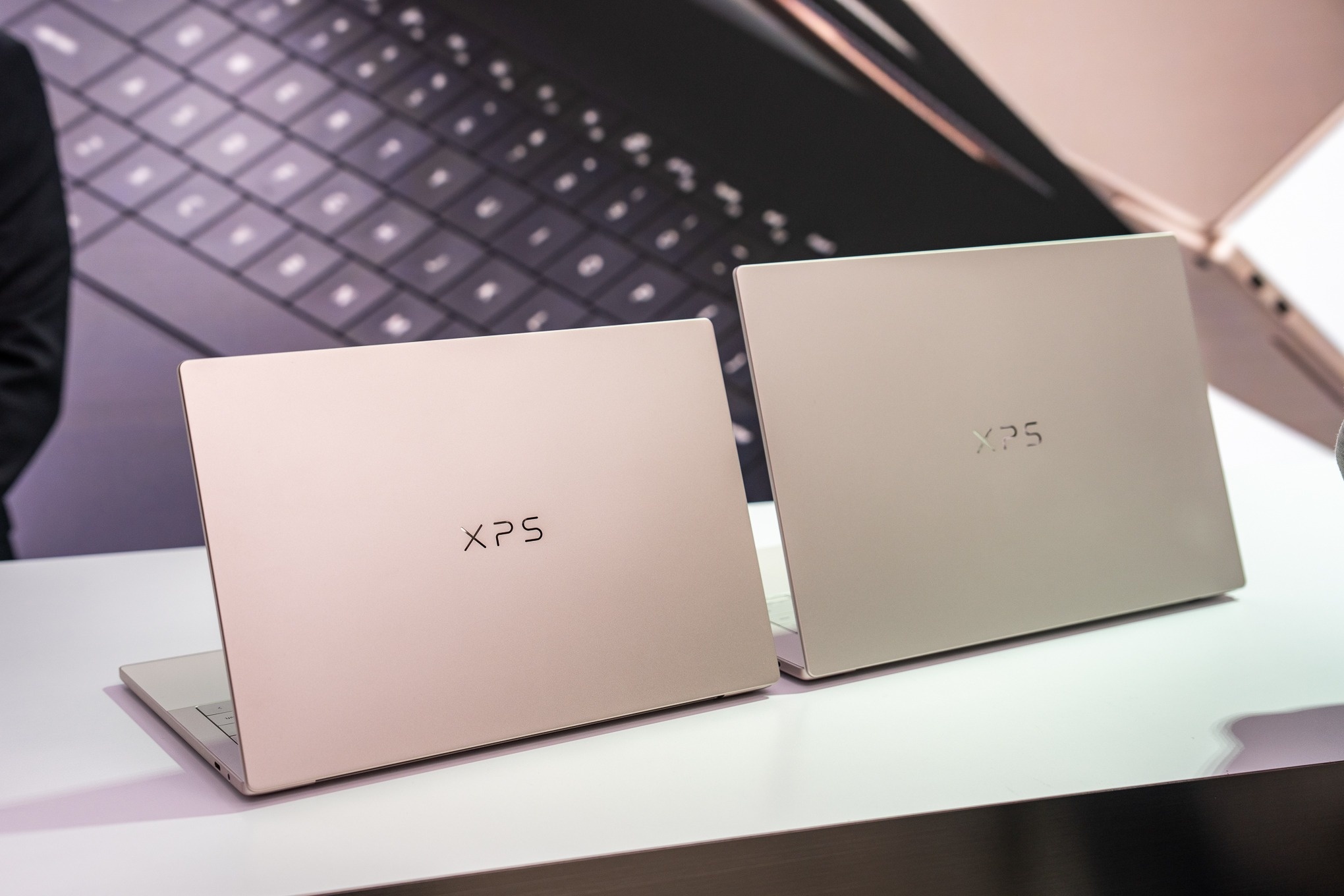 |
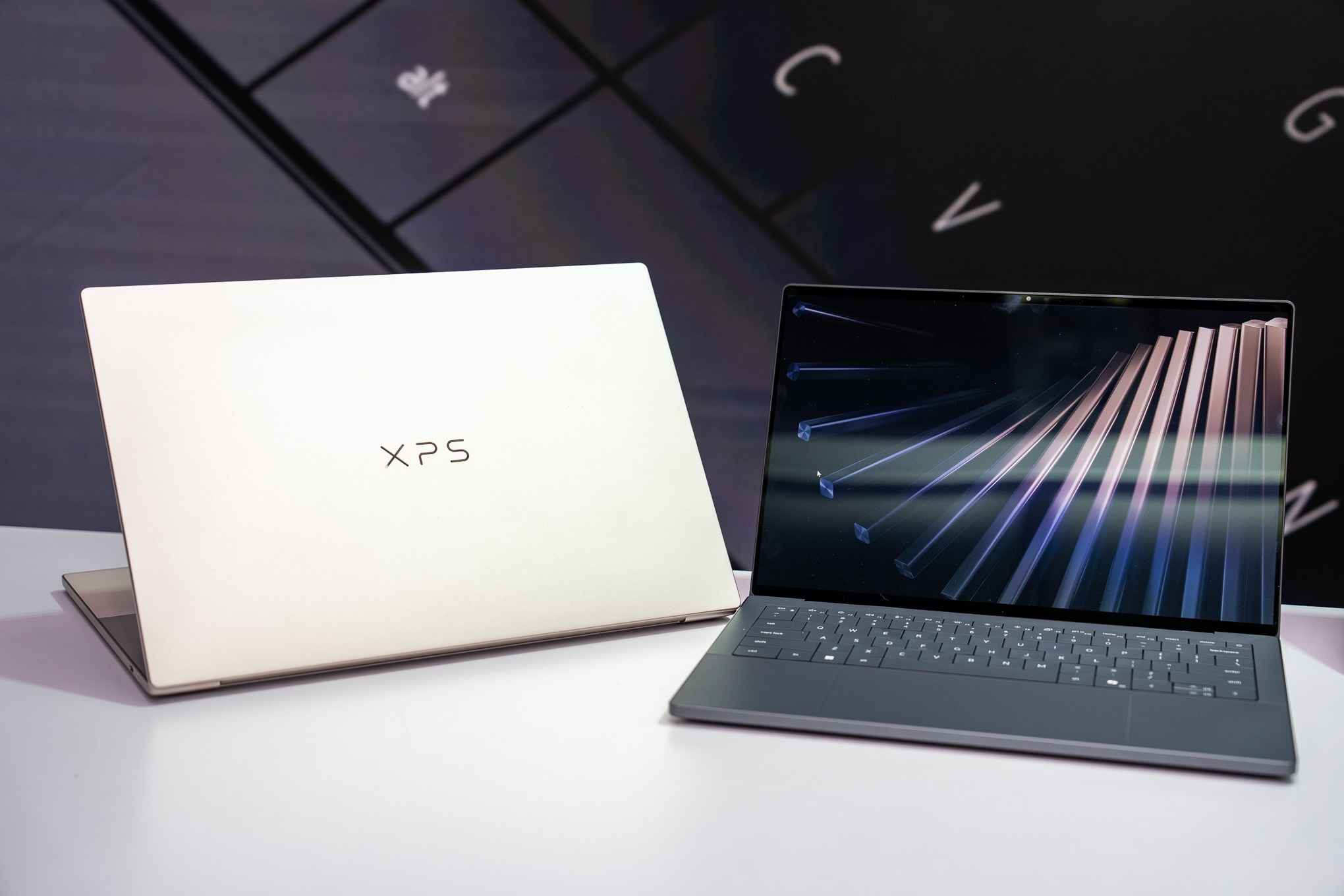
This year, the XPS brand even replaced the Dell logo on the outside of the laptops. According to The Verge , some versions of the XPS 14 and XPS 16 went on sale in January, with the more basic and higher-end options expected to be available in February. |
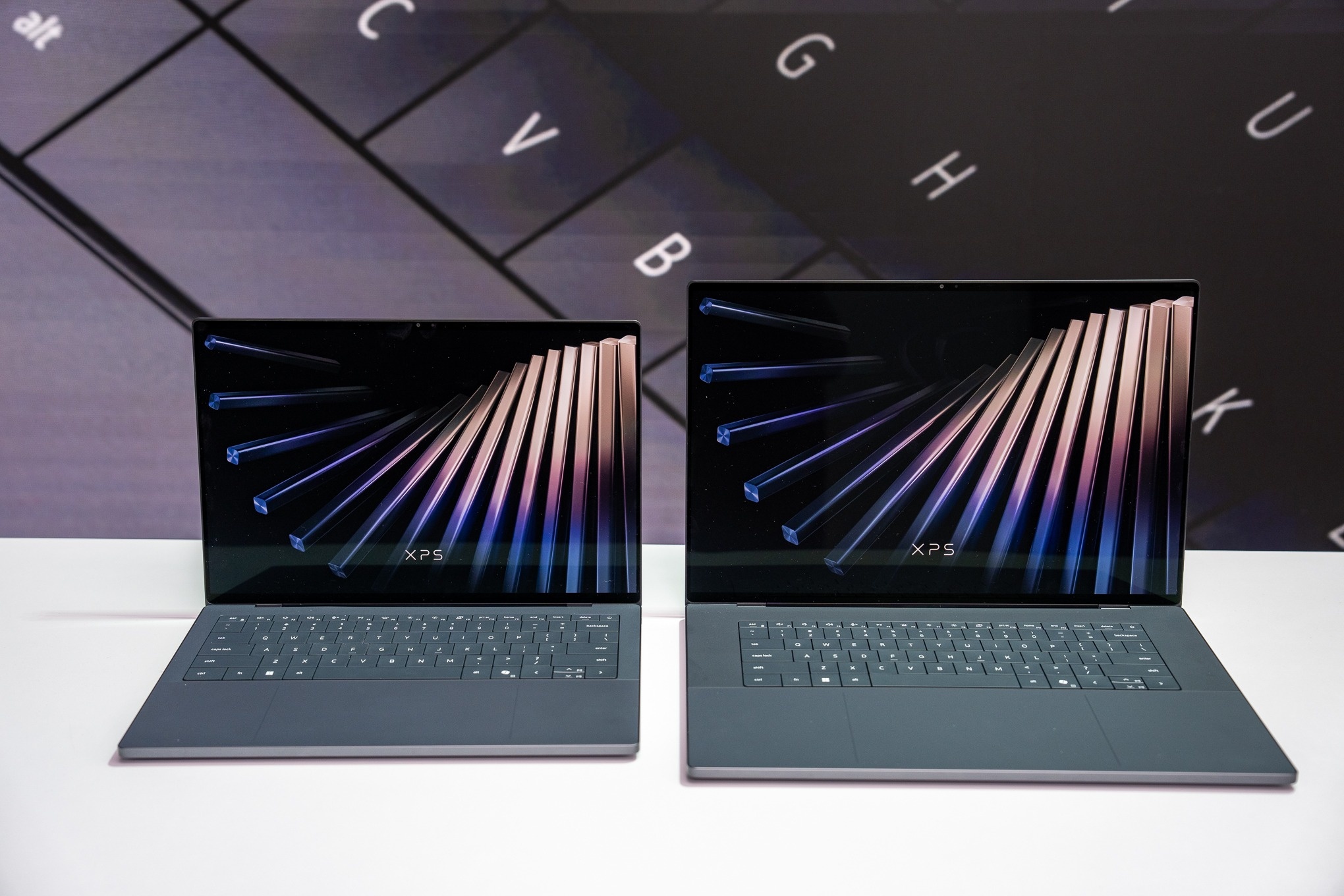 |
In terms of price, the Dell XPS 14 starts at $2,050 , and the XPS 16 at $2,200 . Besides the Windows version, the XPS 14 also offers an option to use Ubuntu 24.04, expected to be available later this year. |
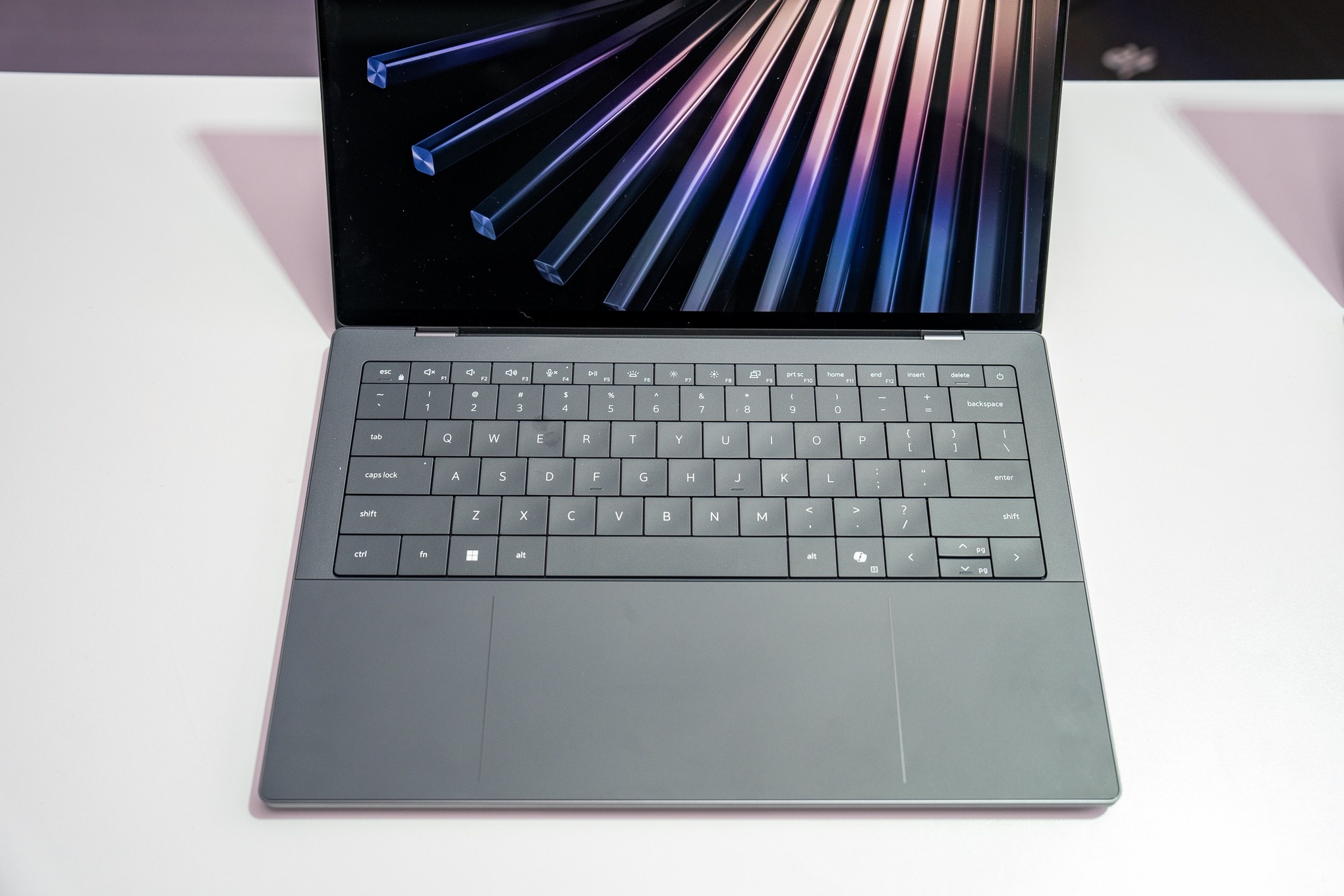 |
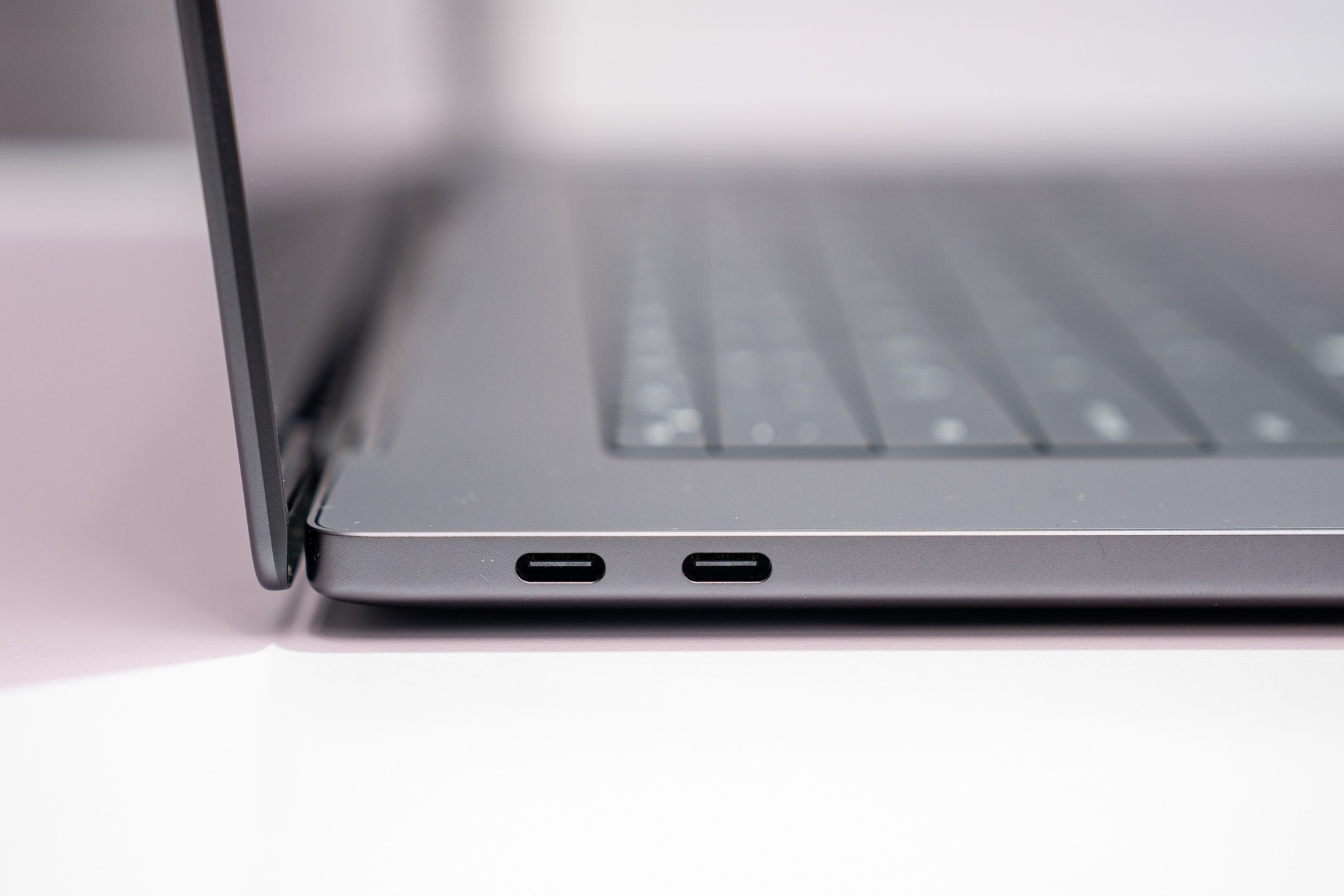
The new XPS duo features three Thunderbolt 4 USB-C ports and a 10W speaker system. The base option includes a 1920 x 1200 pixel IPS display, 16GB of RAM, a 512GB SSD, and an Intel Core Ultra 5 325 processor. |
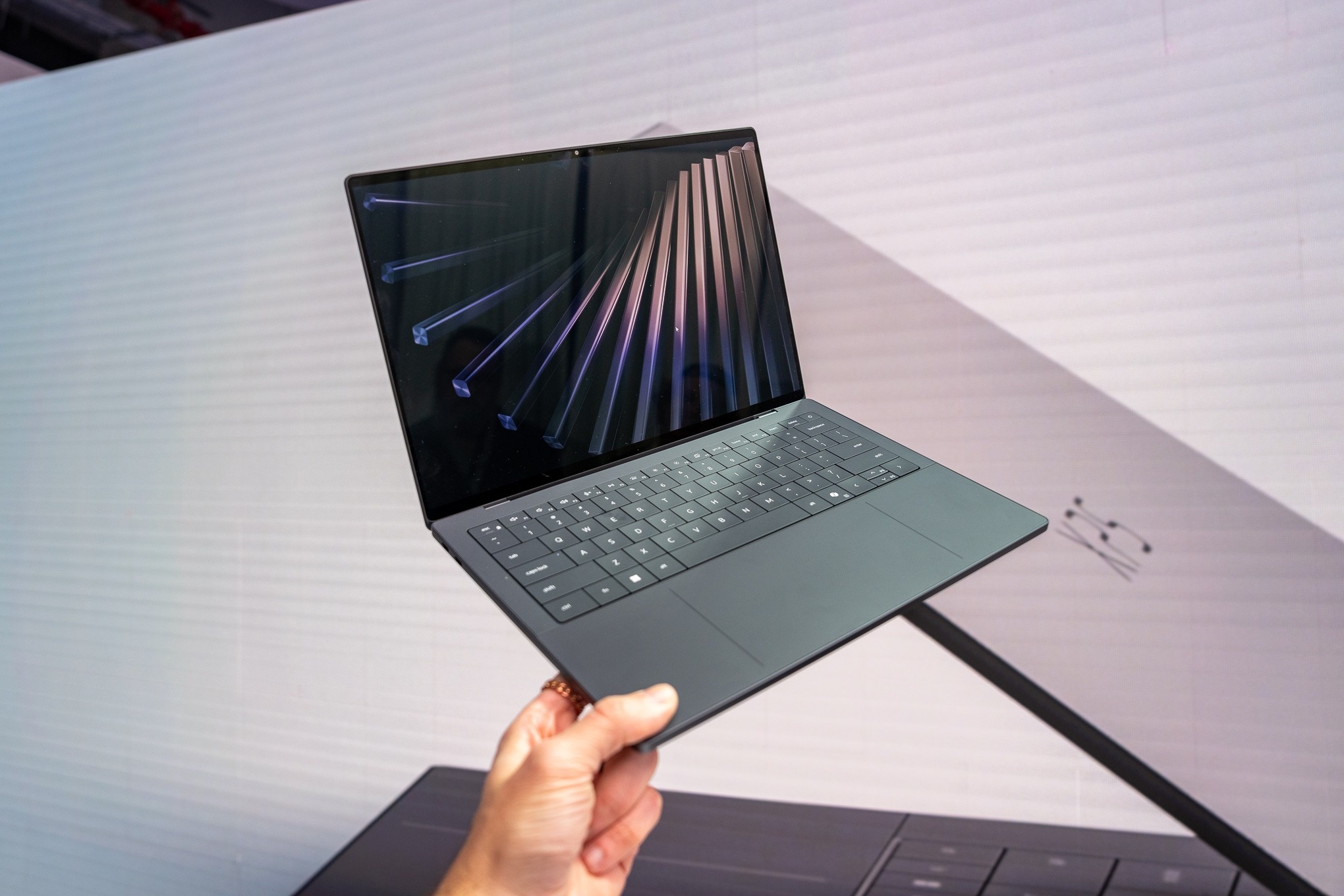 |
On both versions, users can upgrade to a super-bright OLED screen with a resolution of 2,880 x 1,800 pixels (14 inches) or 3,200 x 2,000 pixels (16 inches), making the device thinner and lighter. Note that the microSD card slot has been removed on this generation. |
 |
In addition to the Core Ultra 5 325 version, Dell also offers the Core Ultra 7 355 chip option, alongside the more powerful H series such as the Core Ultra X7 358H and Core Ultra X9 388H. The Core Ultra X7 and X9 options integrate Intel ARC graphics. RAM capacity can be selected up to 64 GB, and SSD storage up to 4 TB. |
 |
Despite lacking a dedicated graphics card, Dell prioritizes battery life on the XPS 14 and XPS 16. Both models feature a 70 Wh battery and a screen refresh rate that can be reduced from 120 Hz to 1 Hz for tasks such as reading emails and viewing photos. |
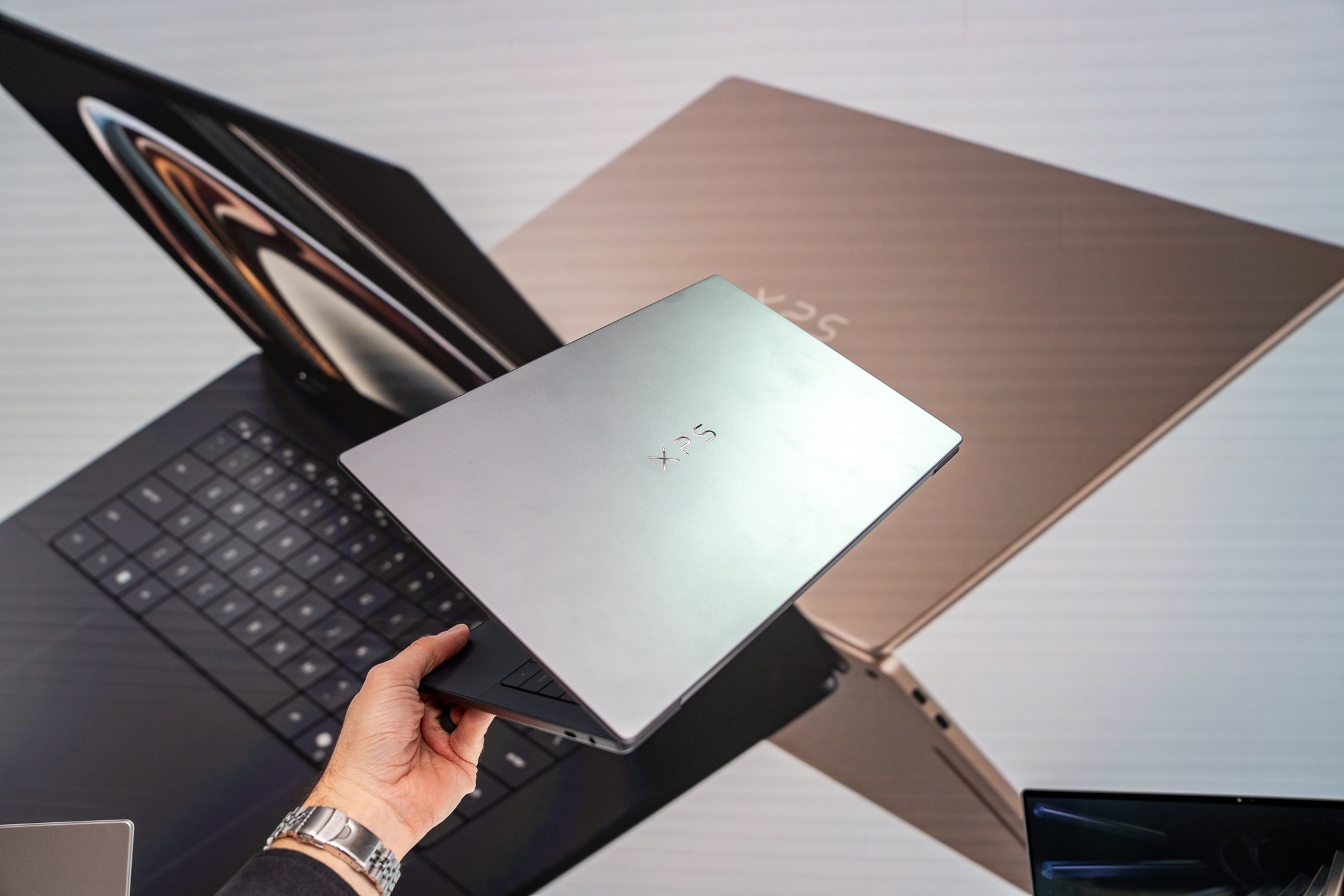 |
The XPS 14 and XPS 16 are significantly lighter. Compared to their predecessors, the Dell 14 Premium and Dell 16 Premium, the XPS 14 weighs less than 1.7 kg, while the XPS 16 weighs less than 2.3 kg, down to 1.7 kg. |
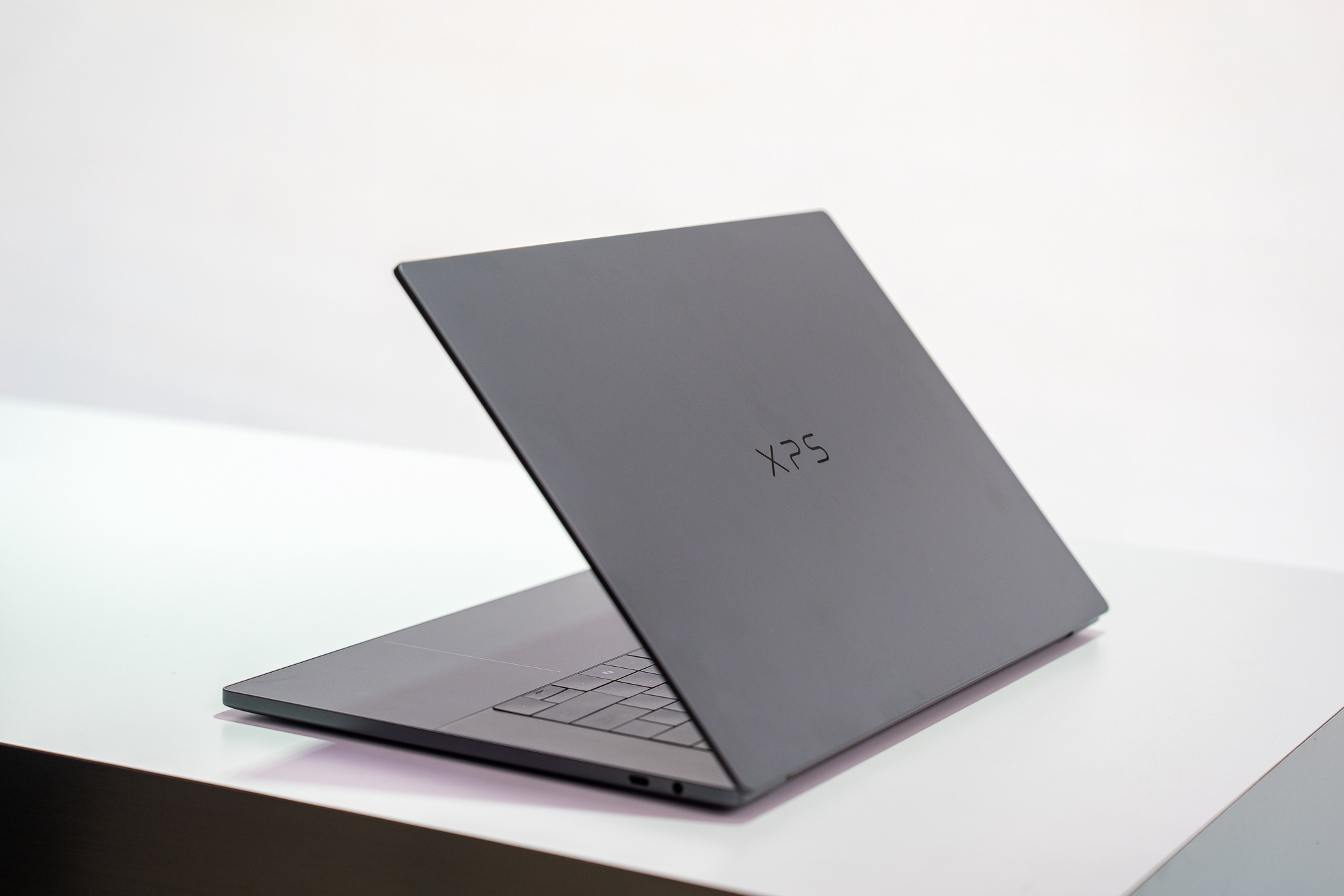 |
In December 2025, Jeff Clarke, CEO of Dell, admitted to "going a little off track" in the PC business, alluding to the brand change the previous year. Company representatives emphasized a return to its original identity. |
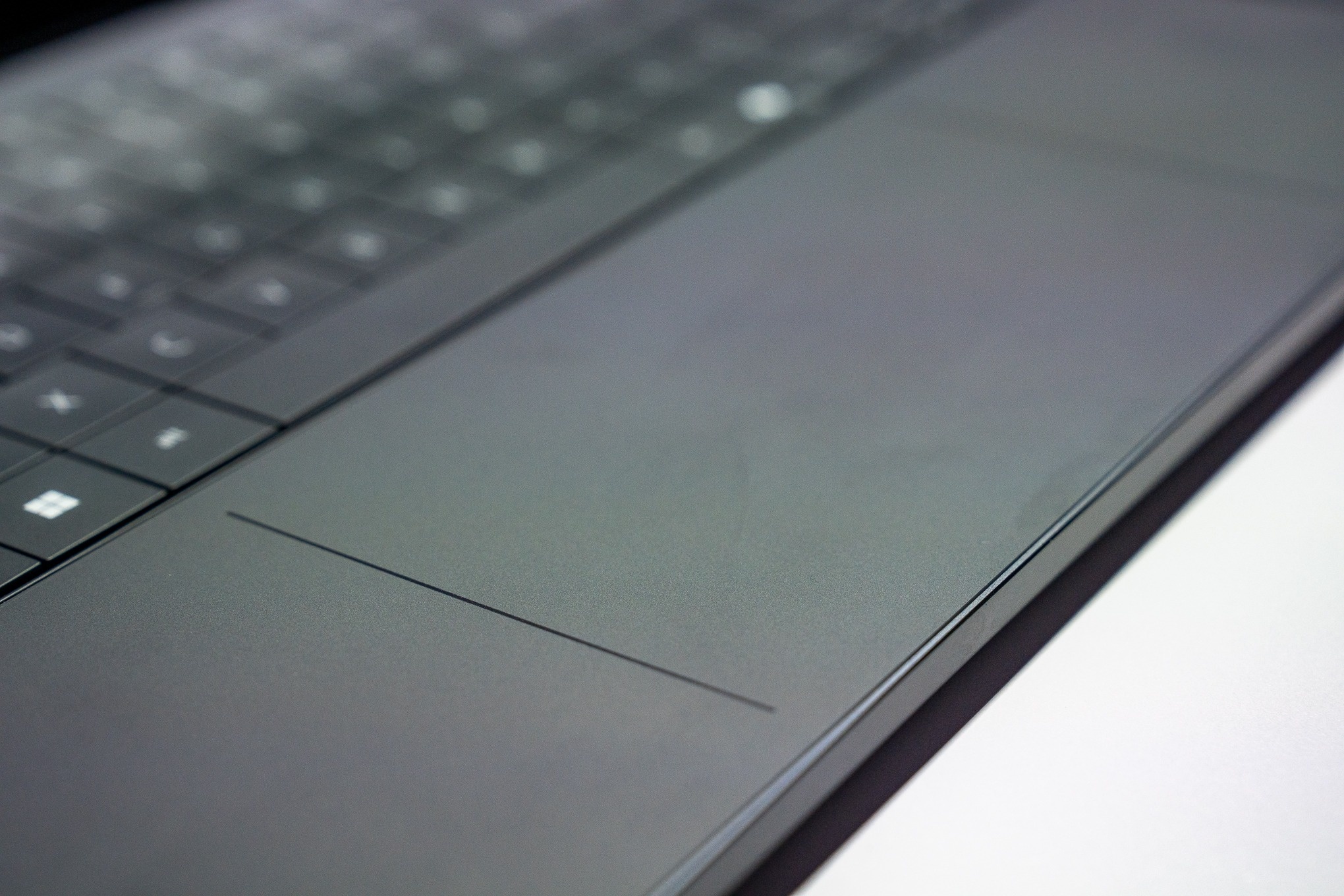 |
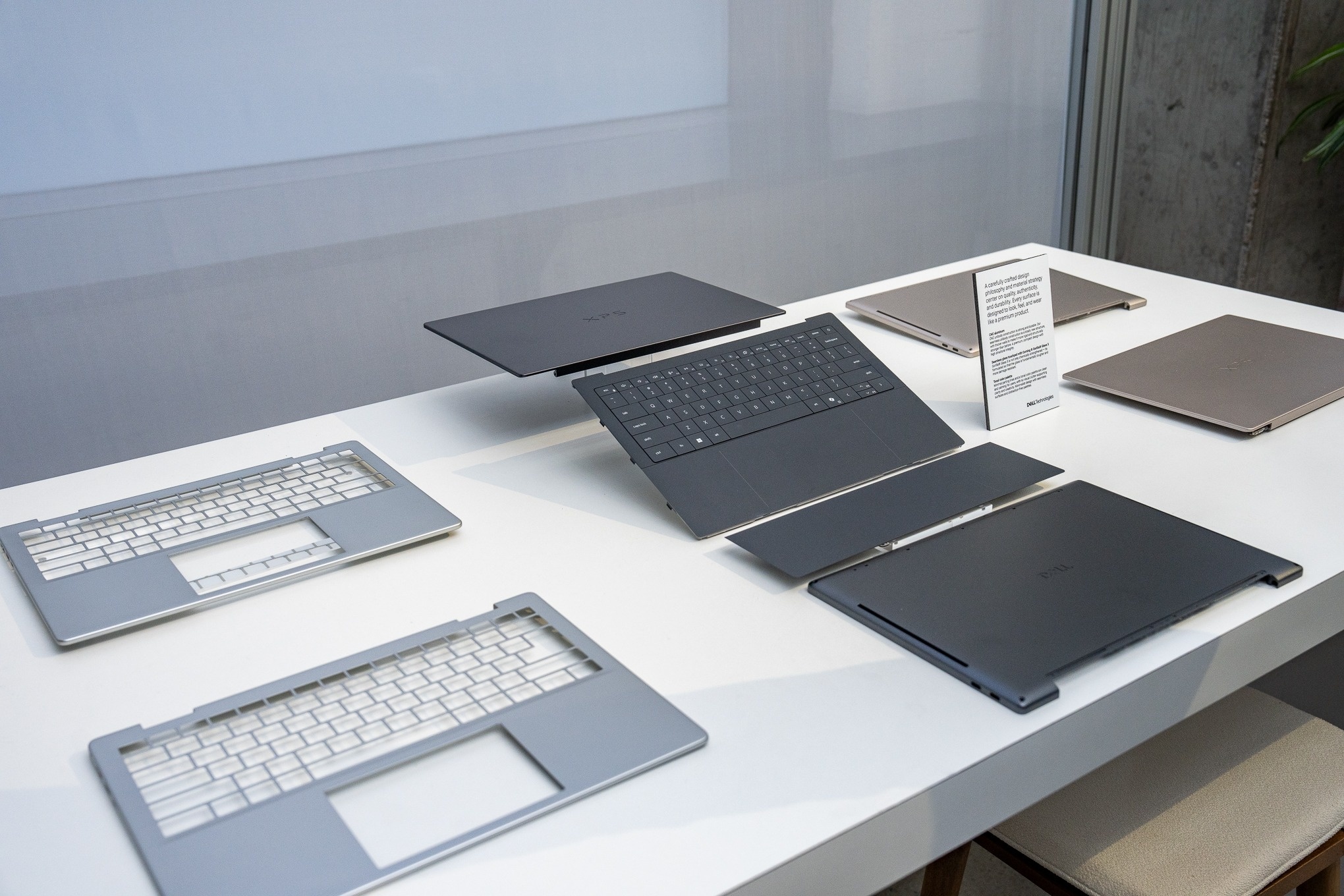
The XPS 14 and XPS 16 feature a unibody aluminum design. A notable highlight is the etched line separating the trackpad from the palm rest, and the function keys have been switched from touch-sensitive to physical. However, the seamless keyboard design (without a mesh divider between the keys) remains, which may be uncomfortable for some users. |
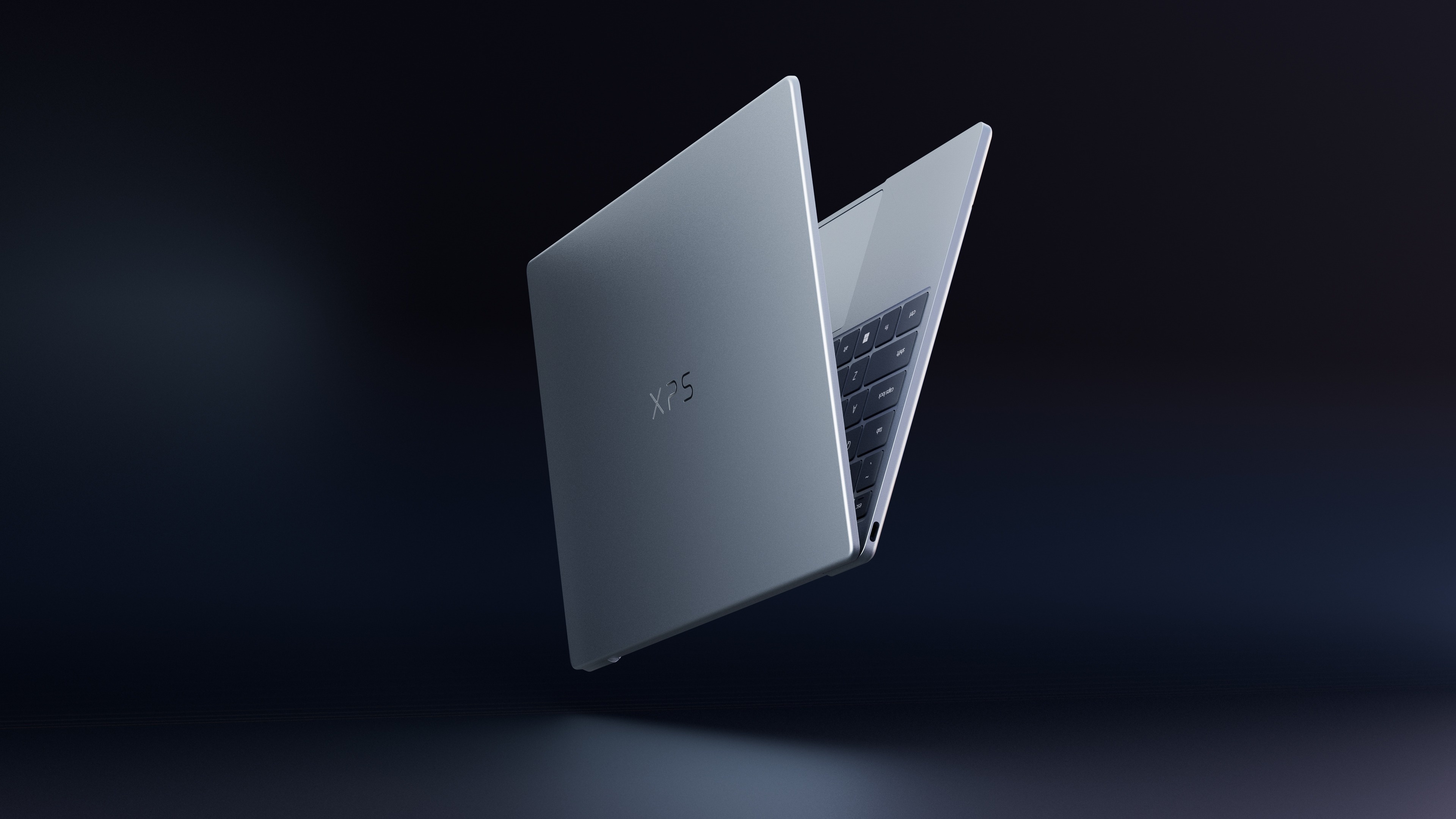 |
In addition to the XPS 14 and XPS 16, Dell also unveiled the XPS 13 (pictured). Expected to launch later this year, this will be the thinnest and lightest XPS ever, with a thickness of under 13 mm. |
 |
For comparison, the 13-inch MacBook Air M4 is 11.3 mm thick, while the OLED versions of the XPS 14 and XPS 16 are 14.62 mm thick. The keyboard on this model will revert to the traditional chiclet style. Speaking to The Verge , Justin Lyles, Dell's lead designer, said the chiclet keyboard design helps save costs, implying that the XPS 13 will be more affordable. |
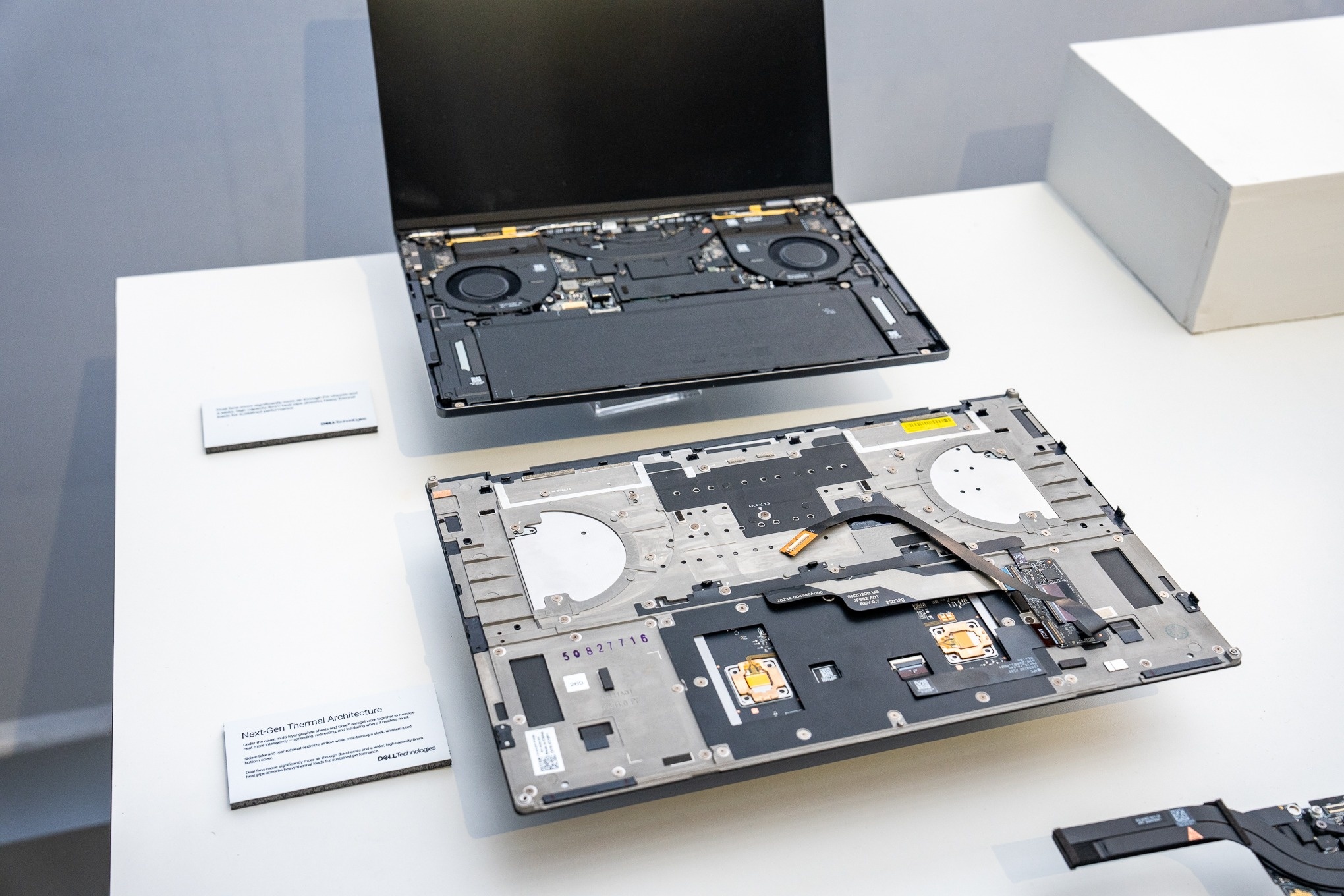 |
Writing in The Verge , author Antonio G. Di Benedetto argues that reviving the XPS brand is the right move for Dell. For many years, XPS was the preferred choice for Windows users wanting a beautifully designed, high-quality laptop similar to the MacBook Pro. Based on images revealed by Dell, the XPS 13 version easily reminds many people of the MacBook Air. |
Source: https://znews.vn/dell-xps-tro-lai-post1617431.html




![[Photo] General Secretary and President To Lam presides over a meeting on assessing national development resources.](https://vphoto.vietnam.vn/thumb/1200x675/vietnam/resource/IMAGE/2026/05/20/1779253785852_a1-bnd-2943-8519-jpg.webp)
![[Photo] National Assembly Chairman Tran Thanh Man working with the Standing Committee of the Economic and Financial Committee](https://vphoto.vietnam.vn/thumb/1200x675/vietnam/resource/IMAGE/2026/05/20/1779249584387_ndo_br_1-jpg.webp)







































































Comment (0)