TPO - The Ha Nhi people are an ethnic group that still preserves many unique traditional cultural features. Primarily residing in high mountainous areas, the Ha Nhi are skilled at farming on sloping land, possessing extensive experience in terraced rice cultivation and unique customs and traditions. But the most captivating aspect of visiting the Ha Nhi villages in Bat Xat district,
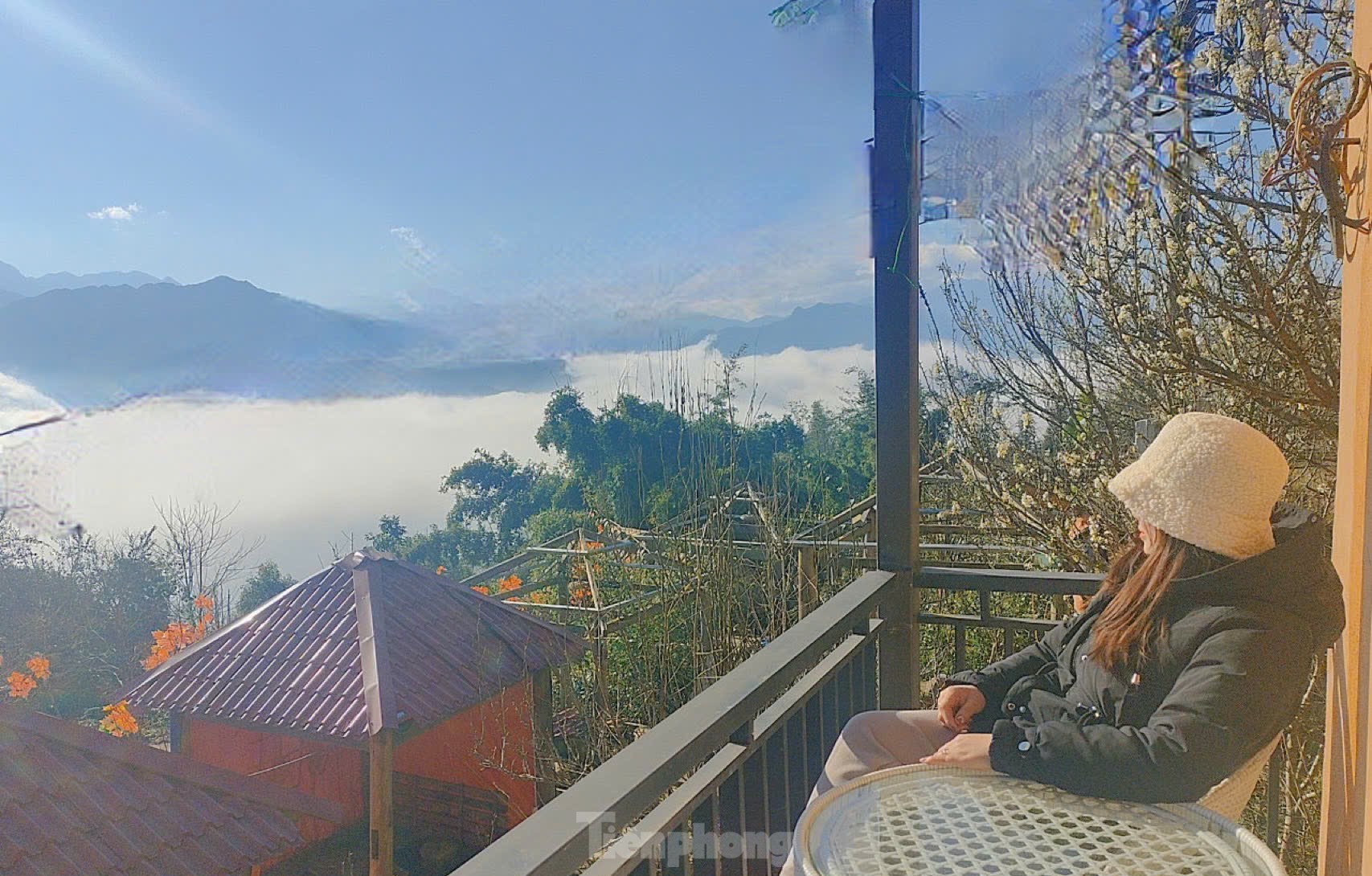
Lao Cai province, is the traditional rammed earth houses nestled amidst mountains shrouded in clouds year-round.
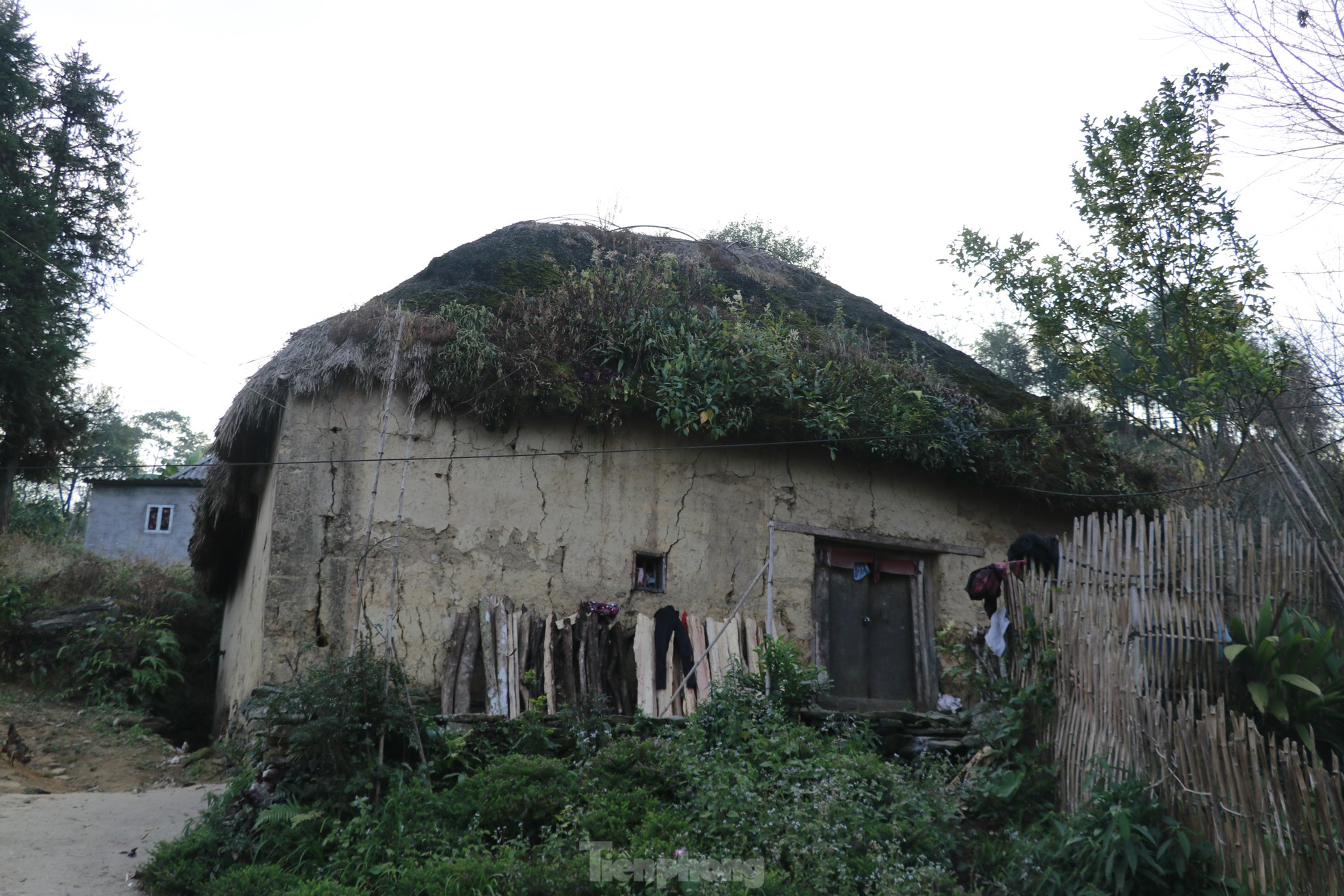 |
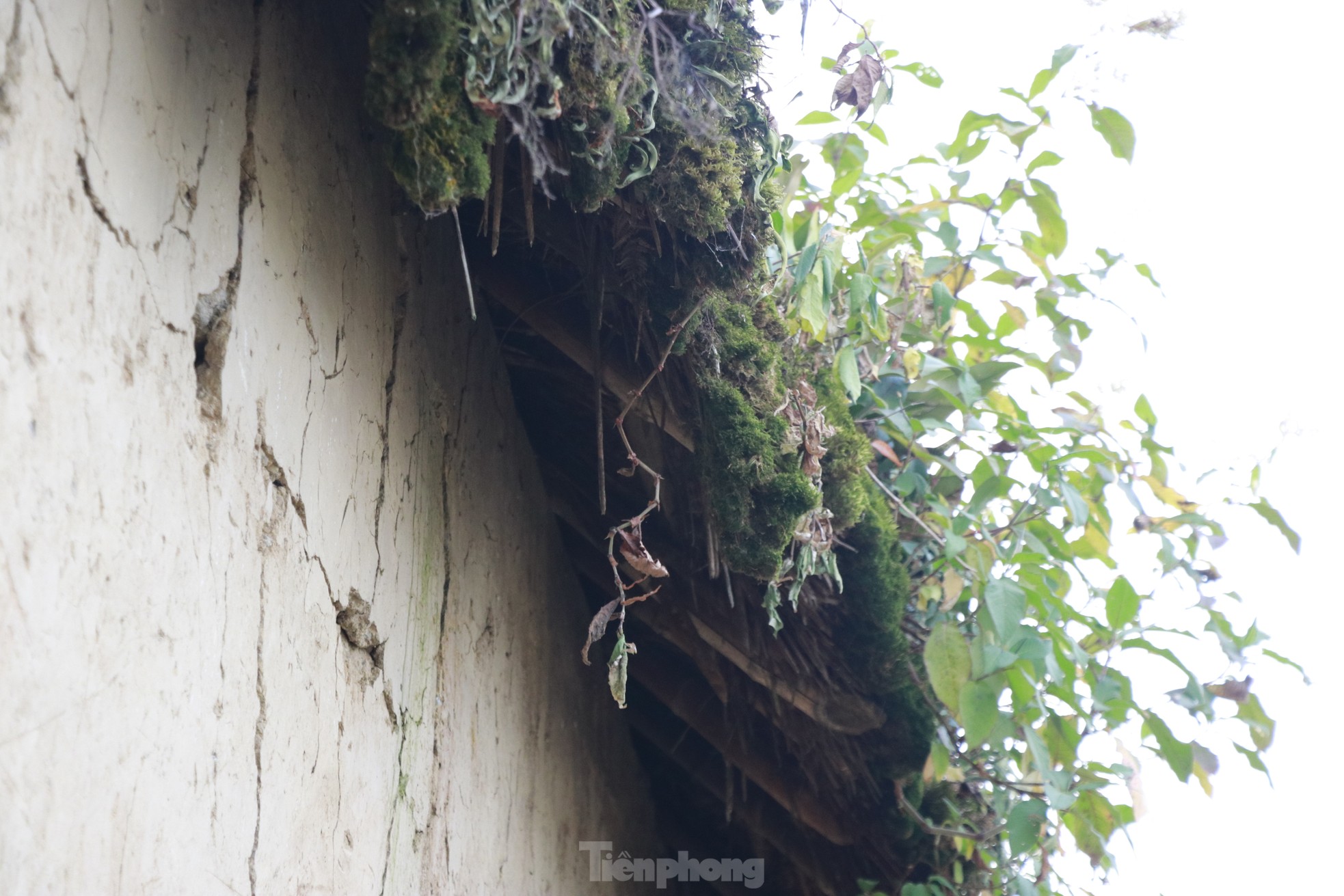
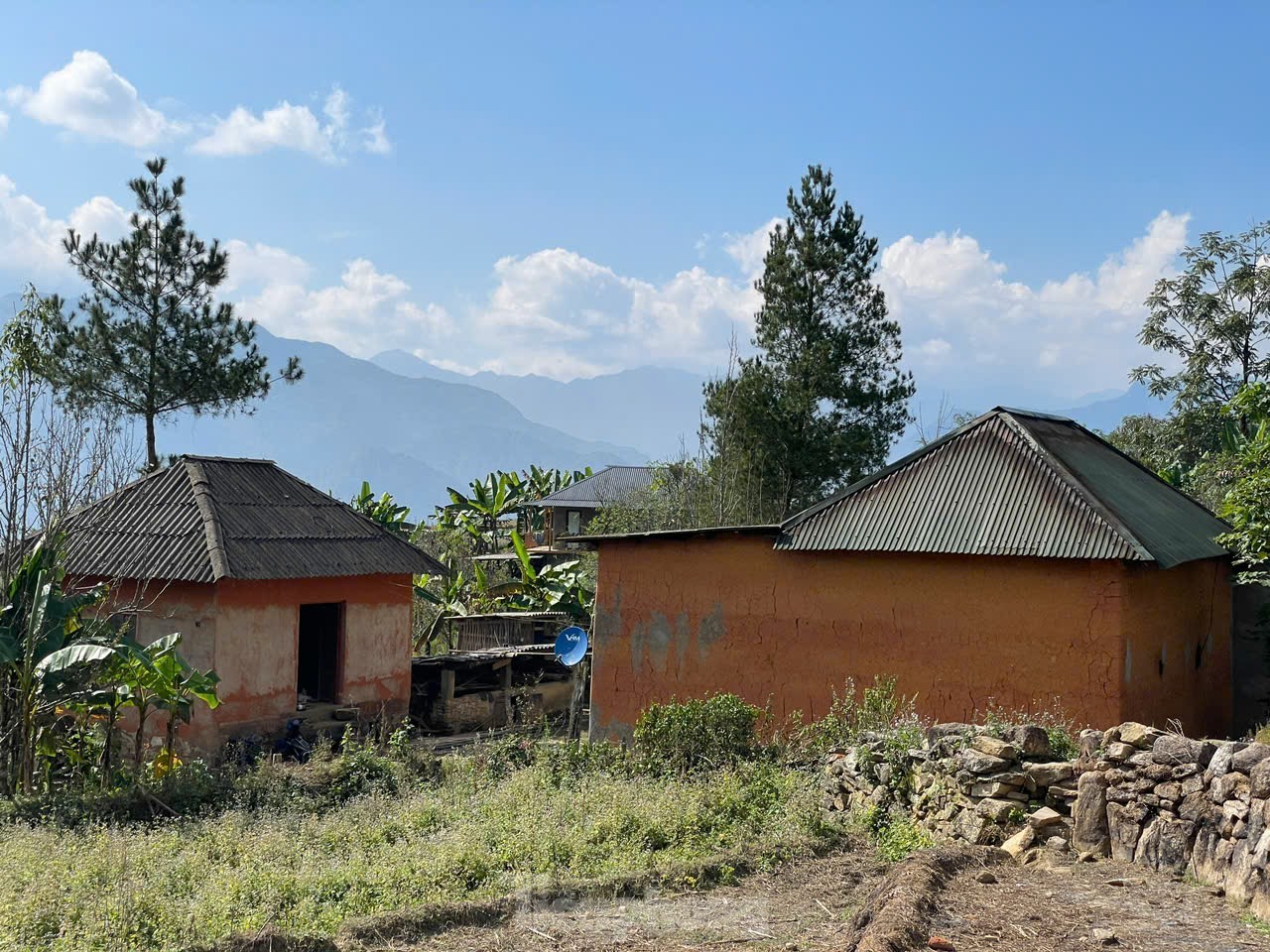
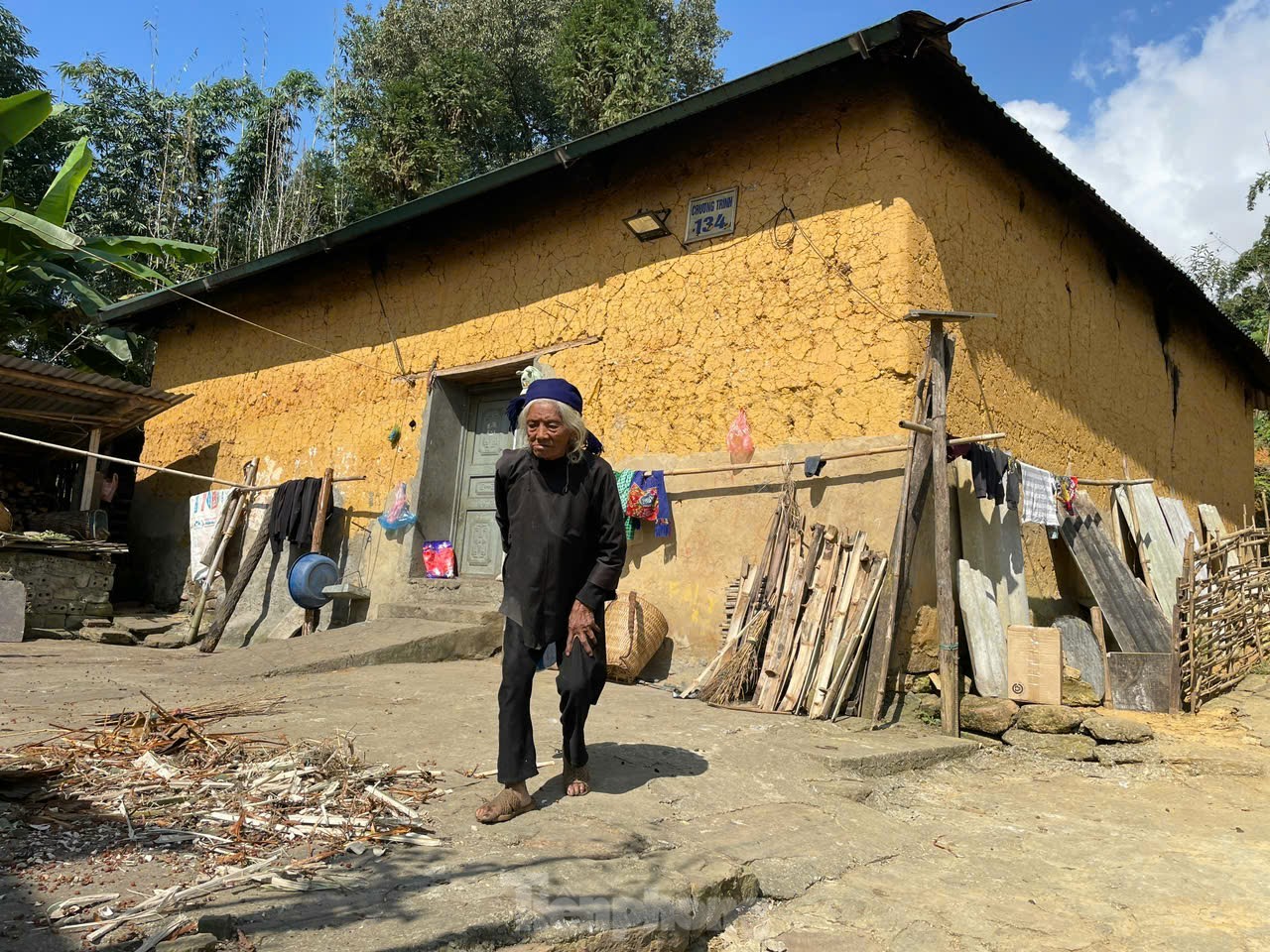
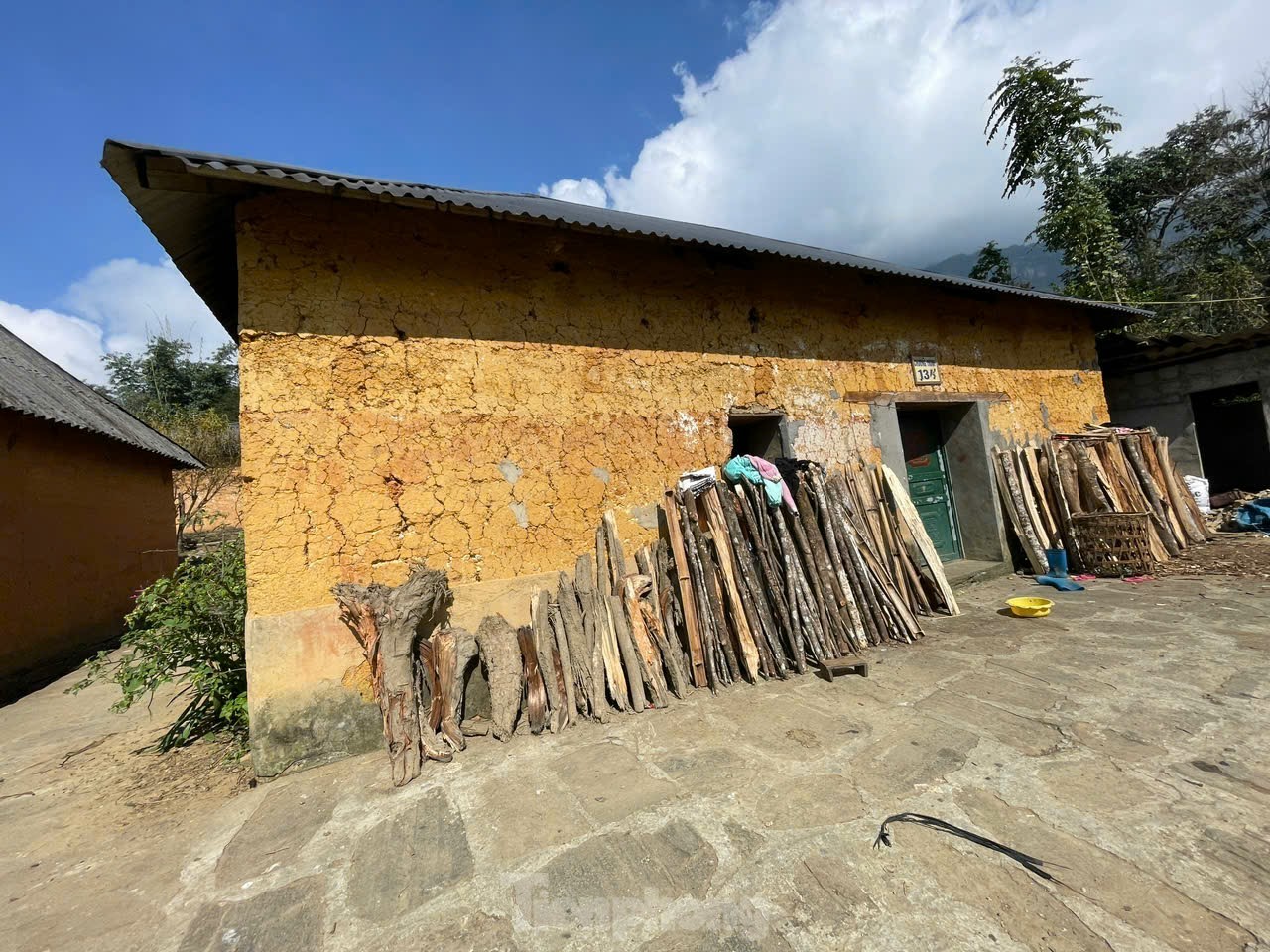
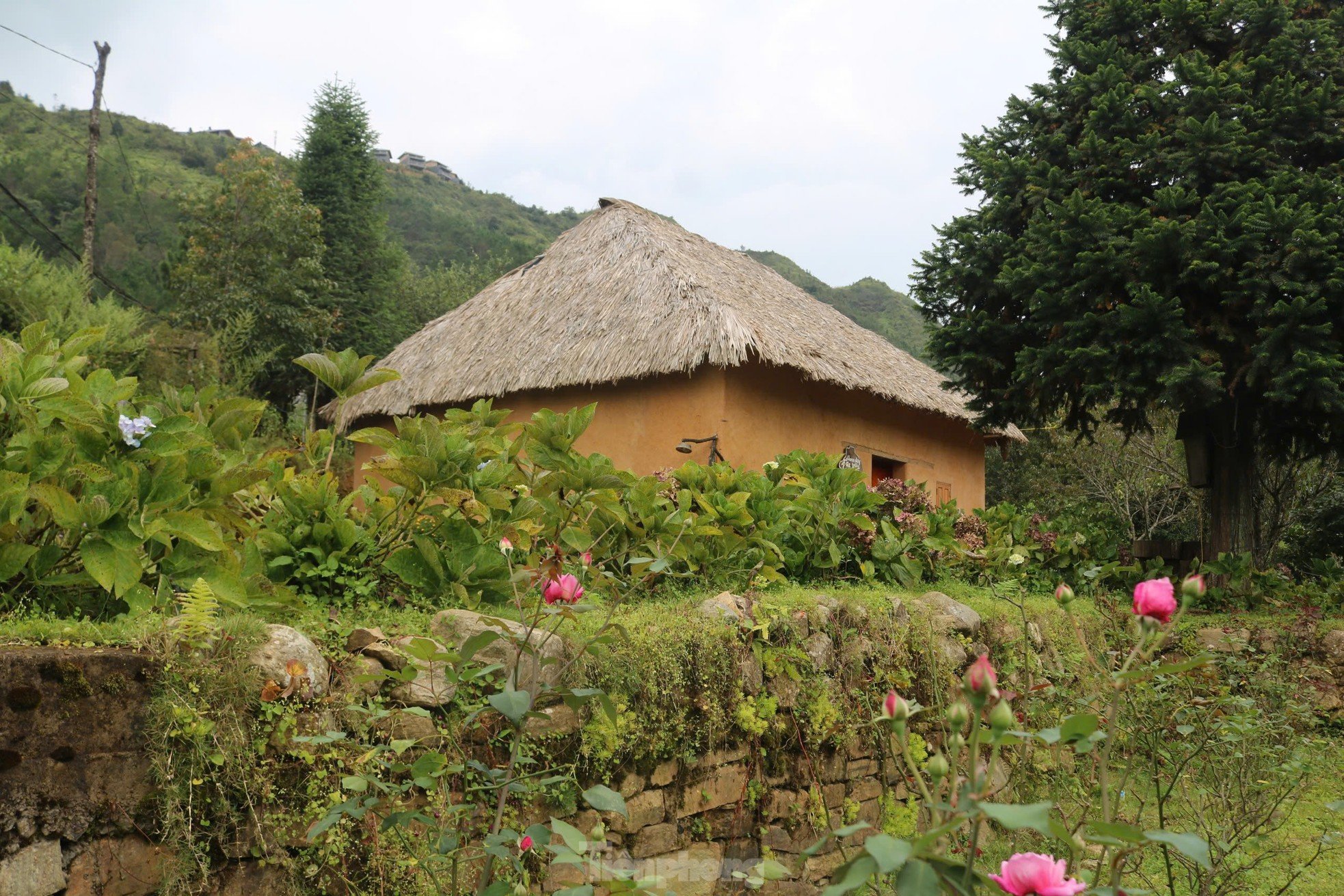
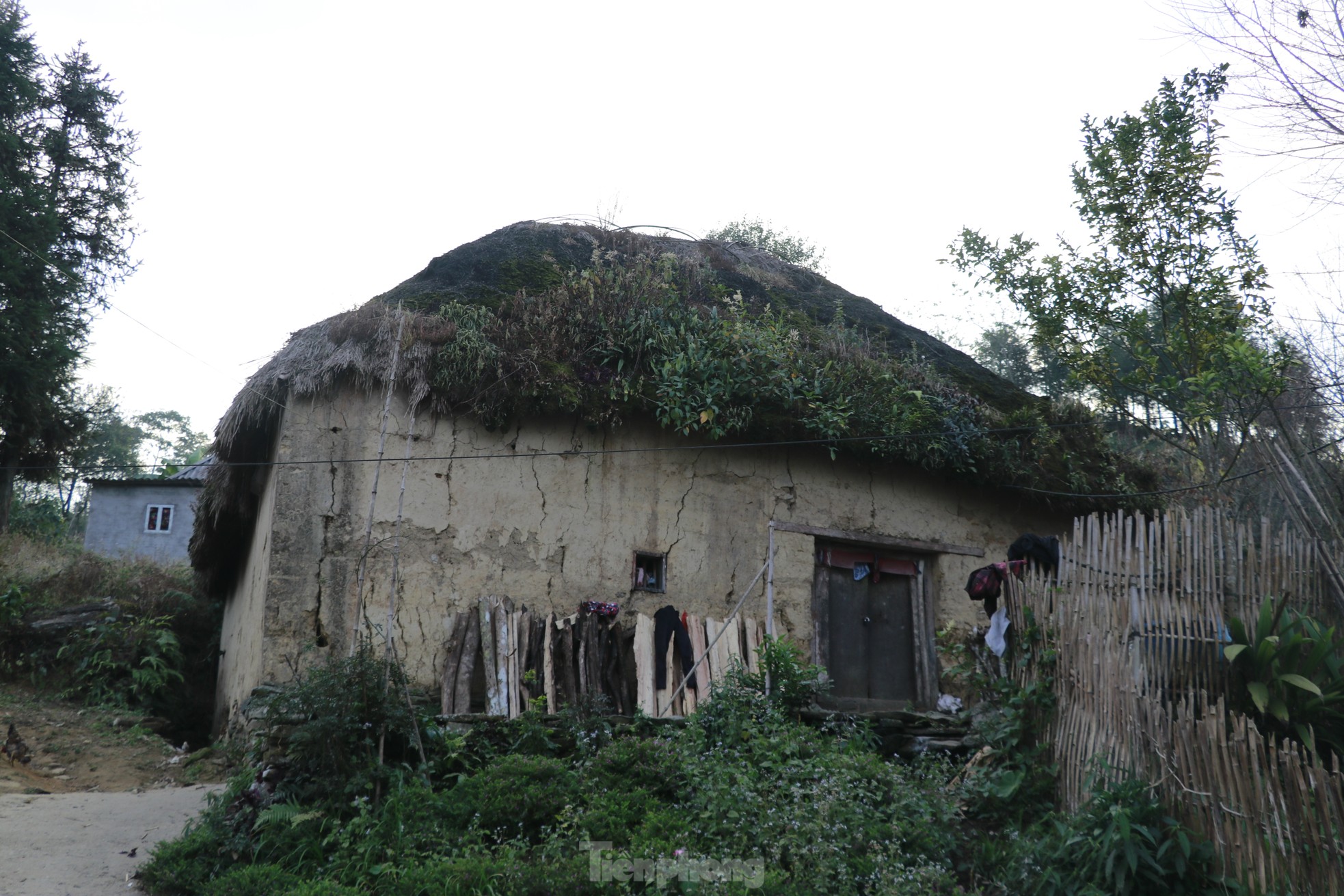
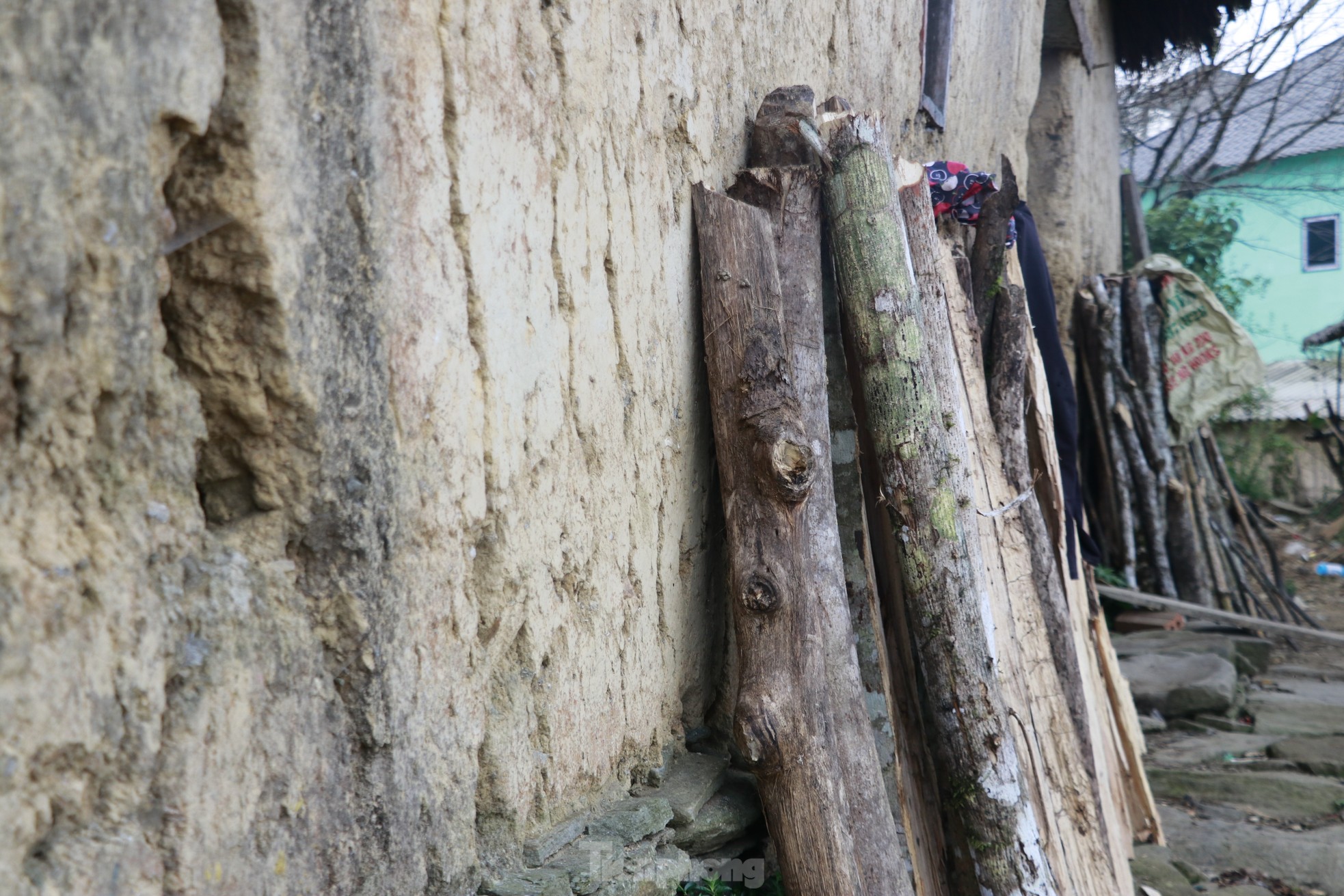
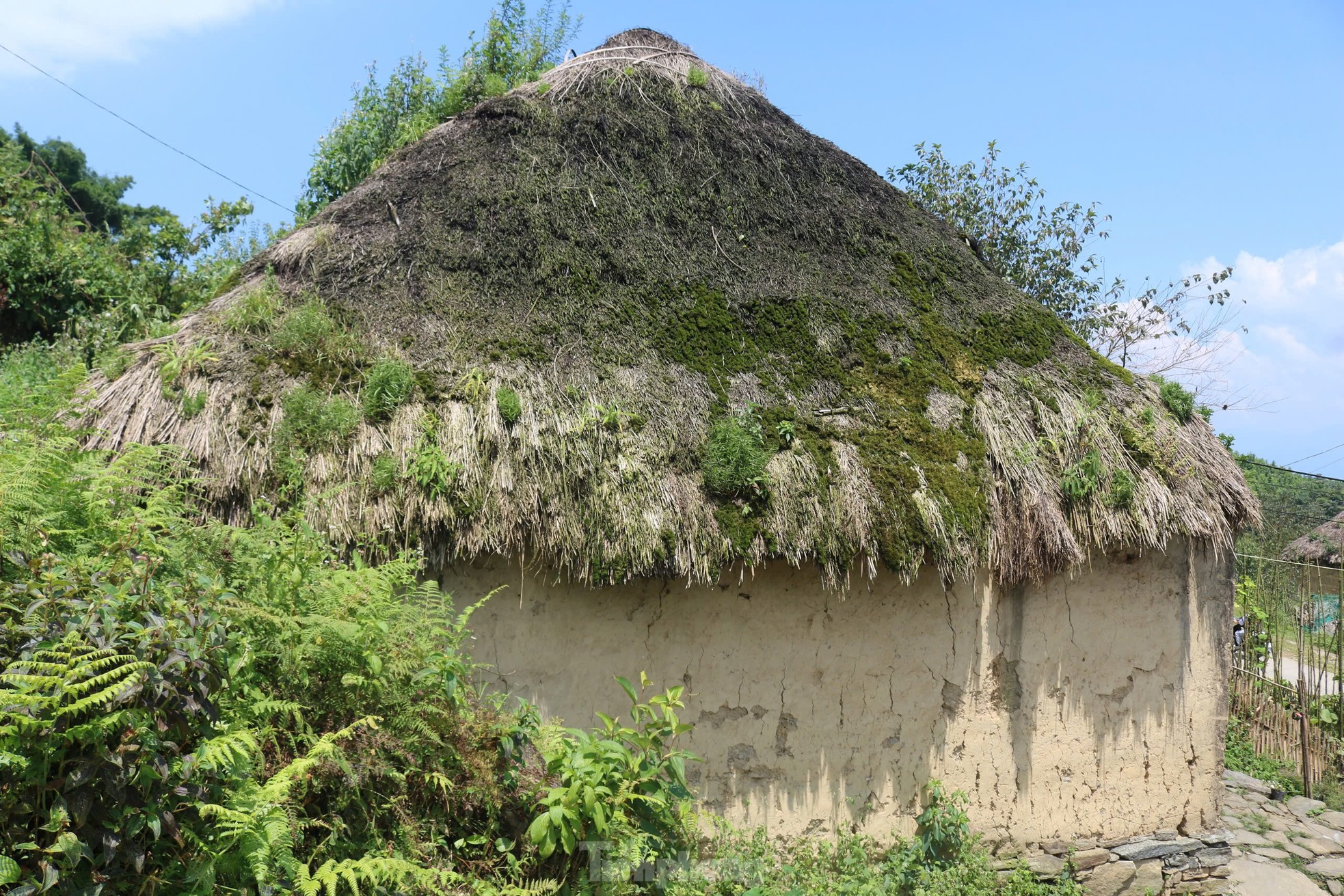
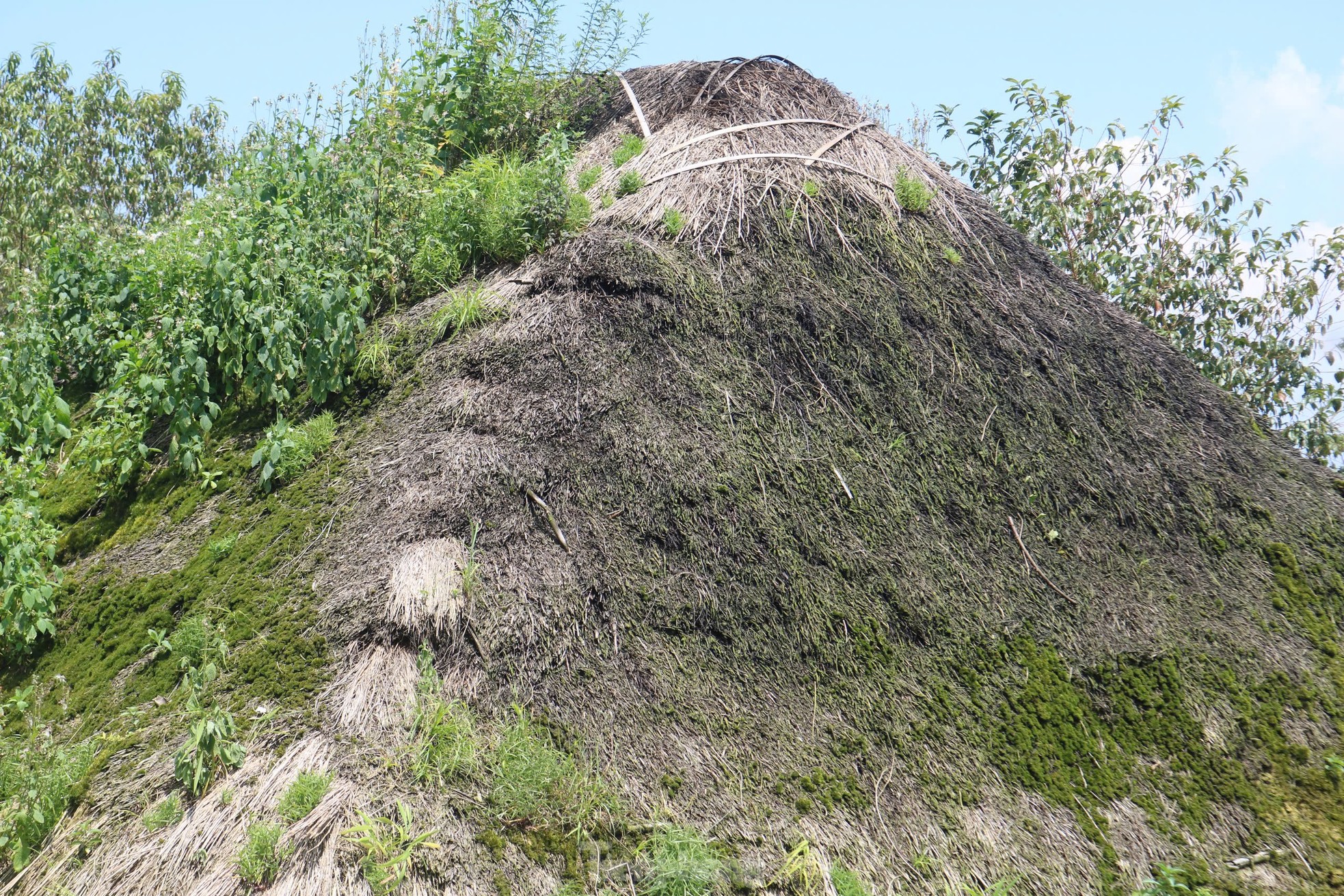
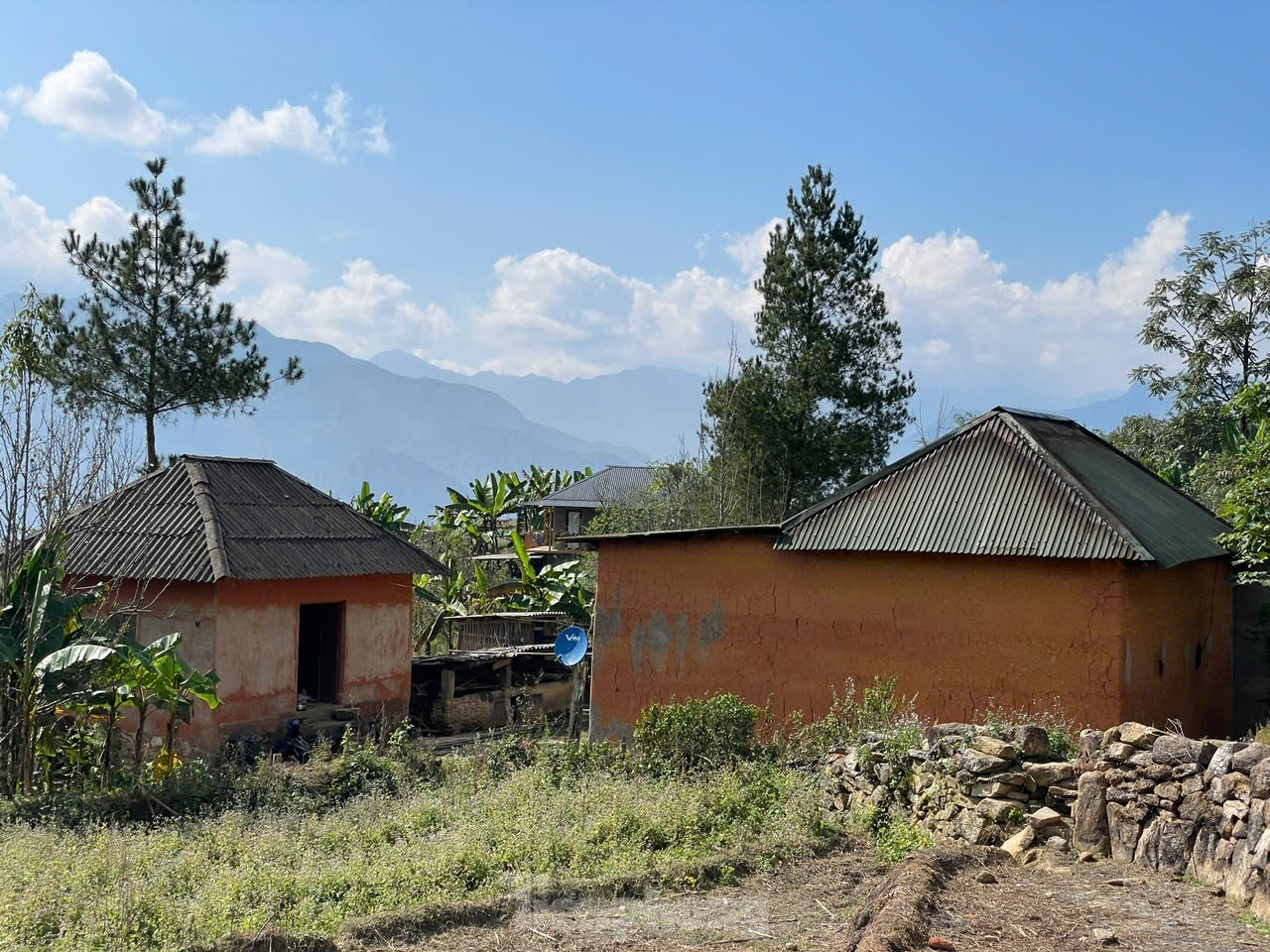
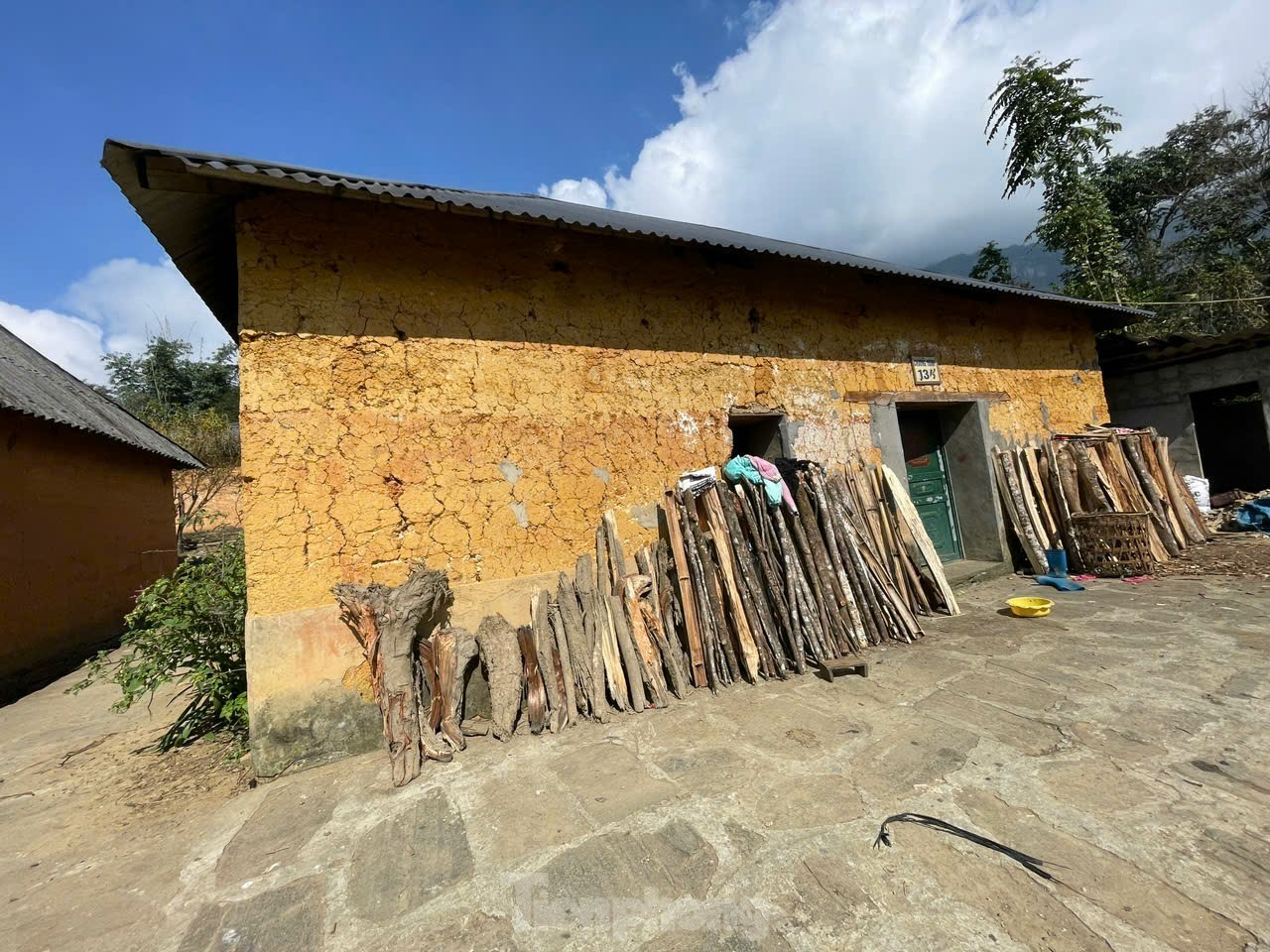
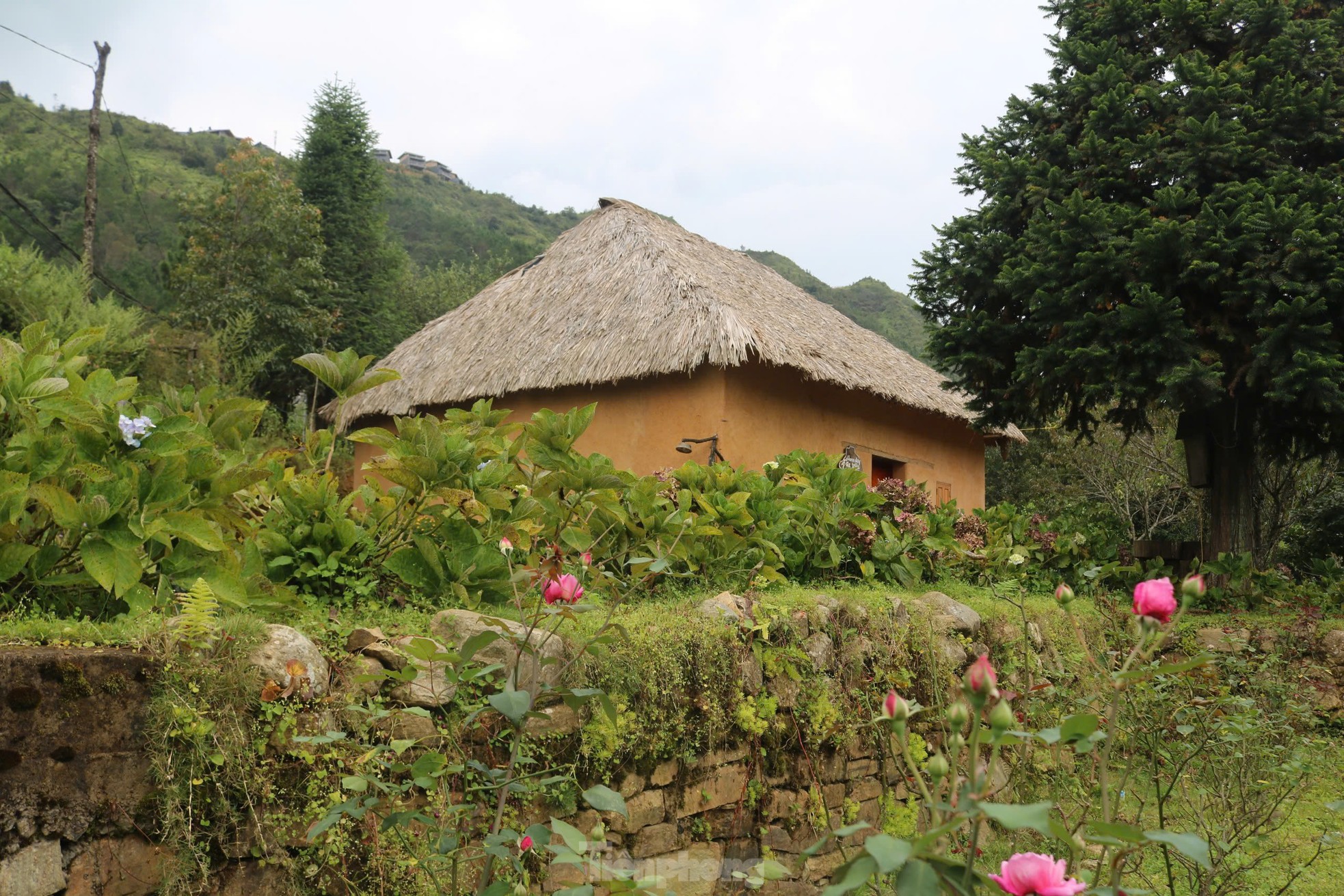
| Earthen houses are a common architectural style in the northern mountainous regions of Vietnam, but the Ha Nhi people build them in a unique way: each house is square-shaped with four conical roofs, covered with straw made from thatch grass, or more recently, with tiled or fiber cement roofs. |
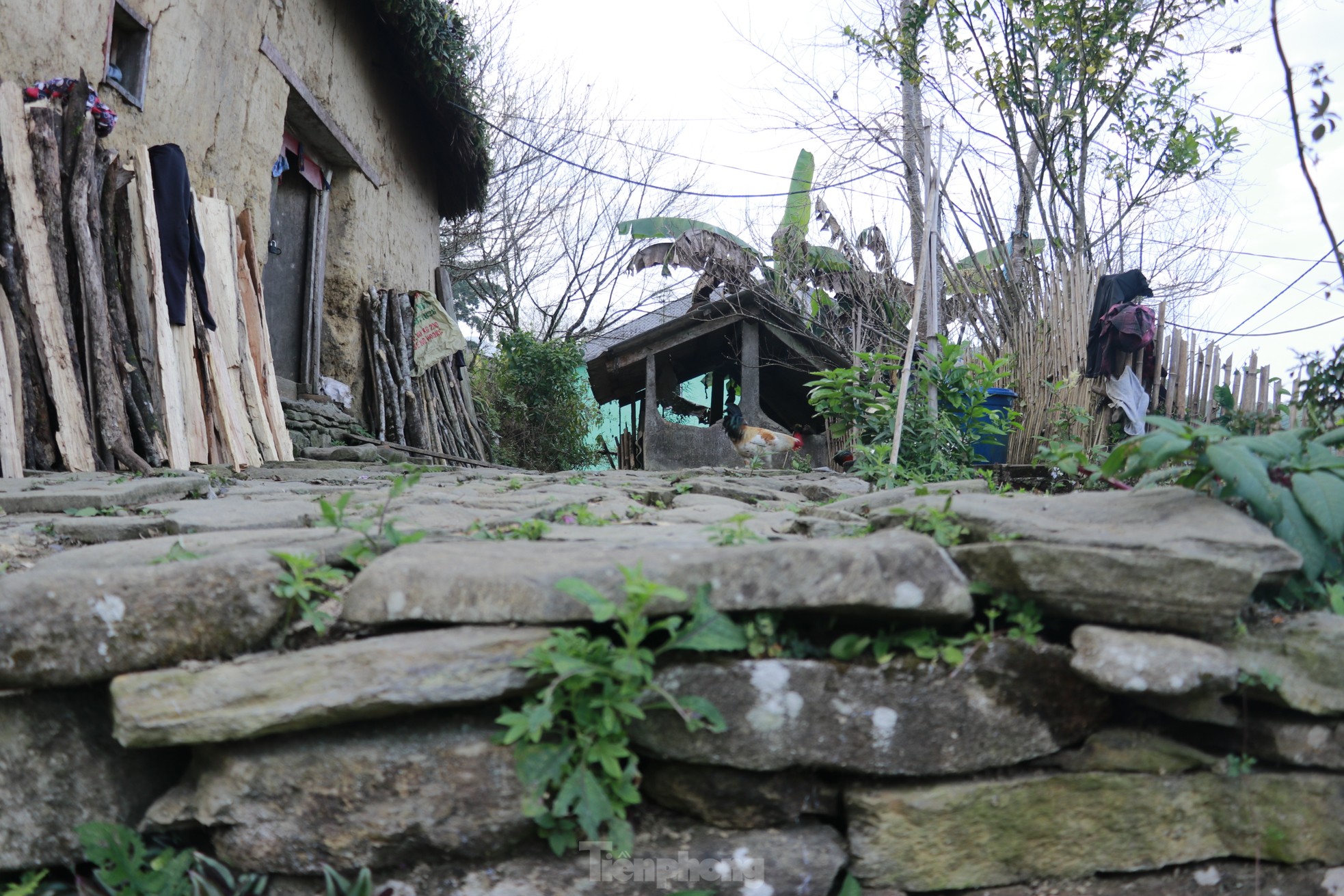 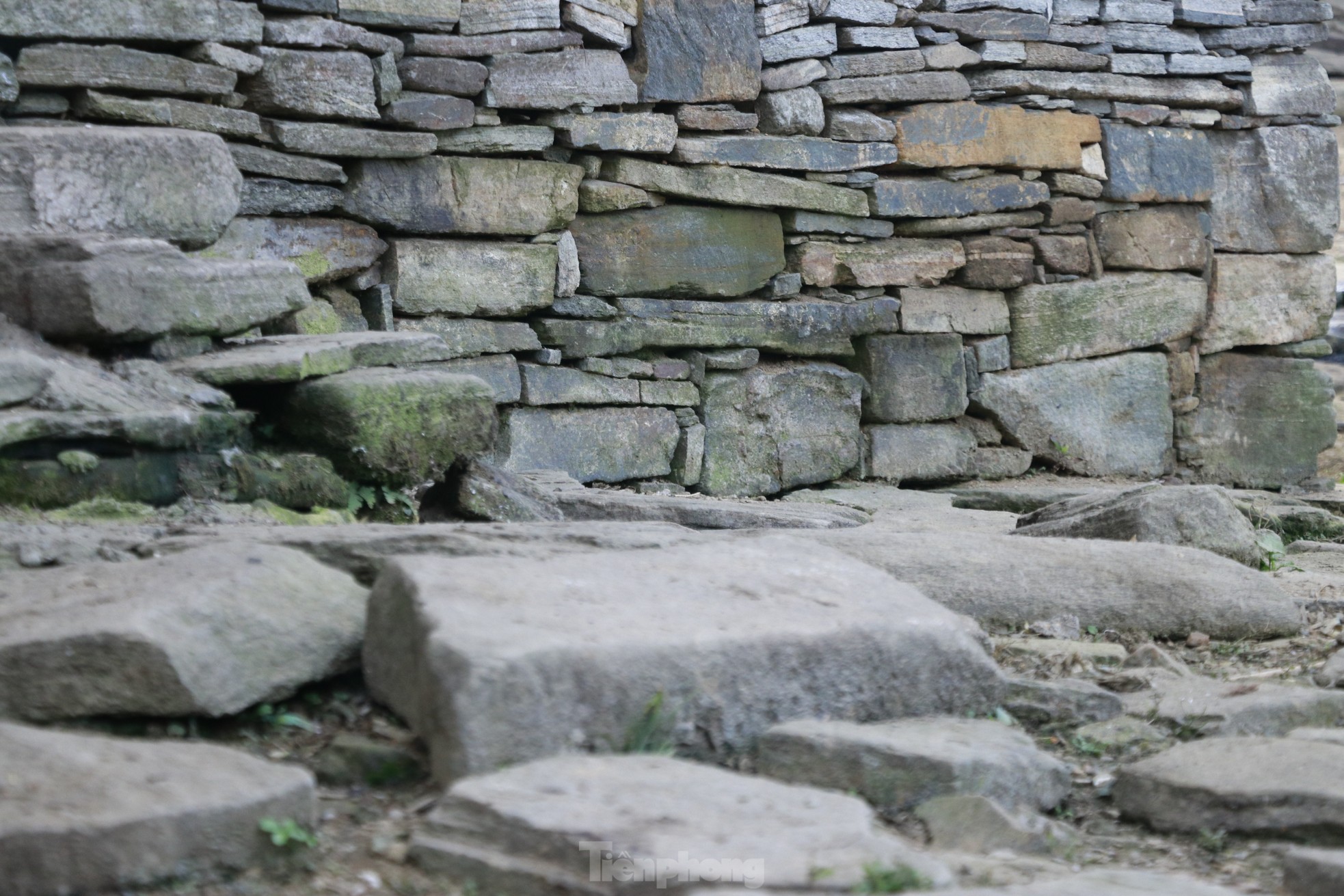 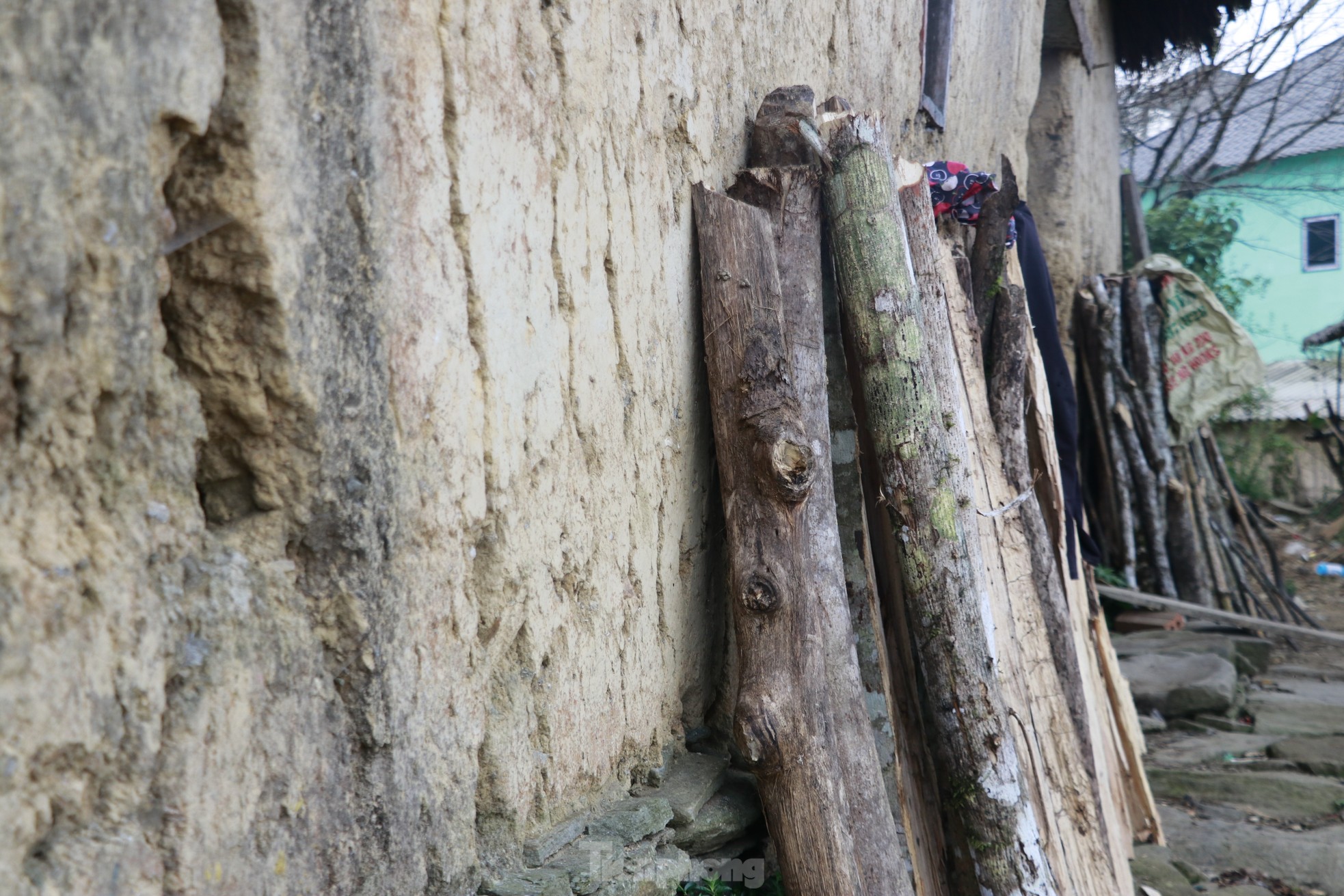 |
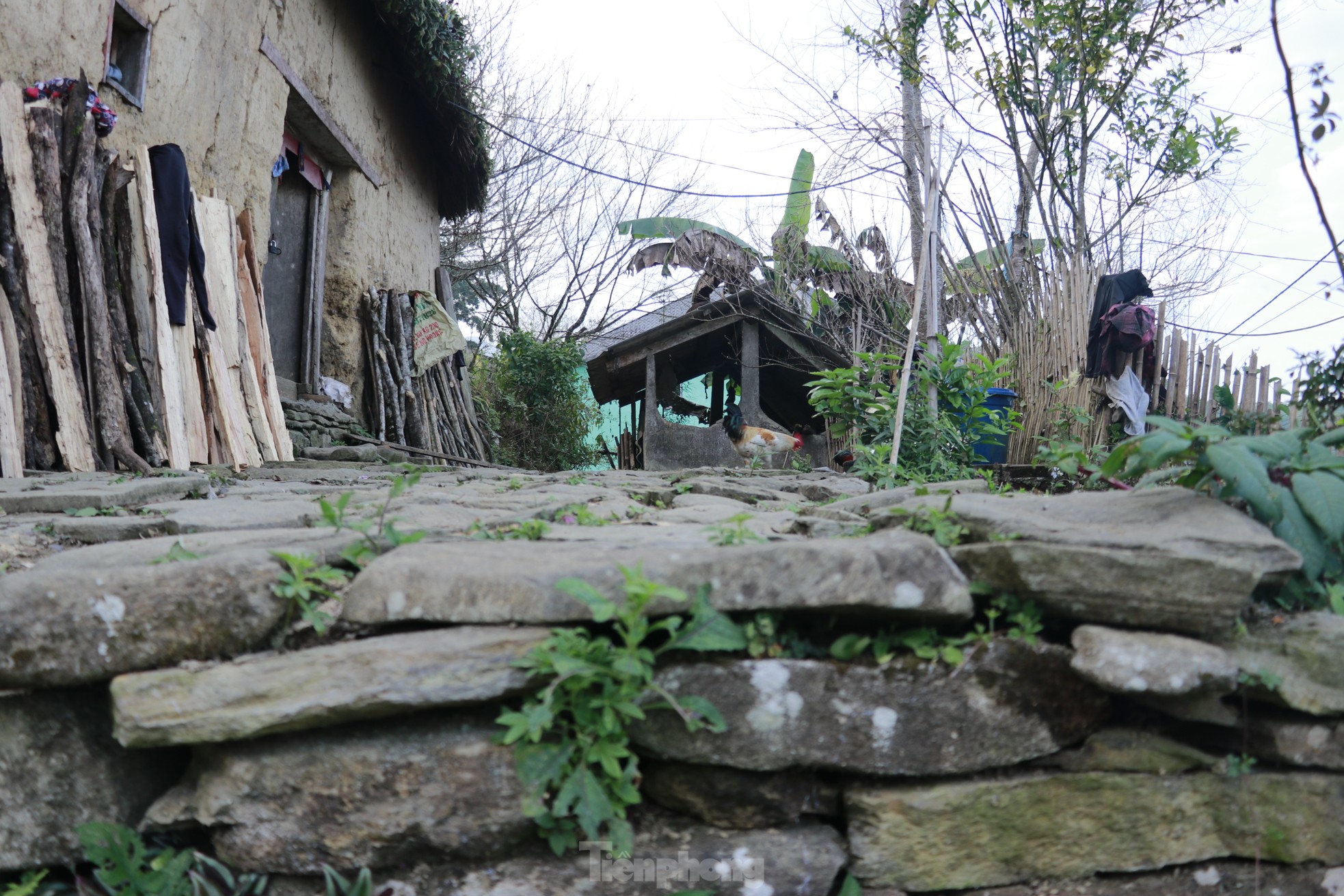
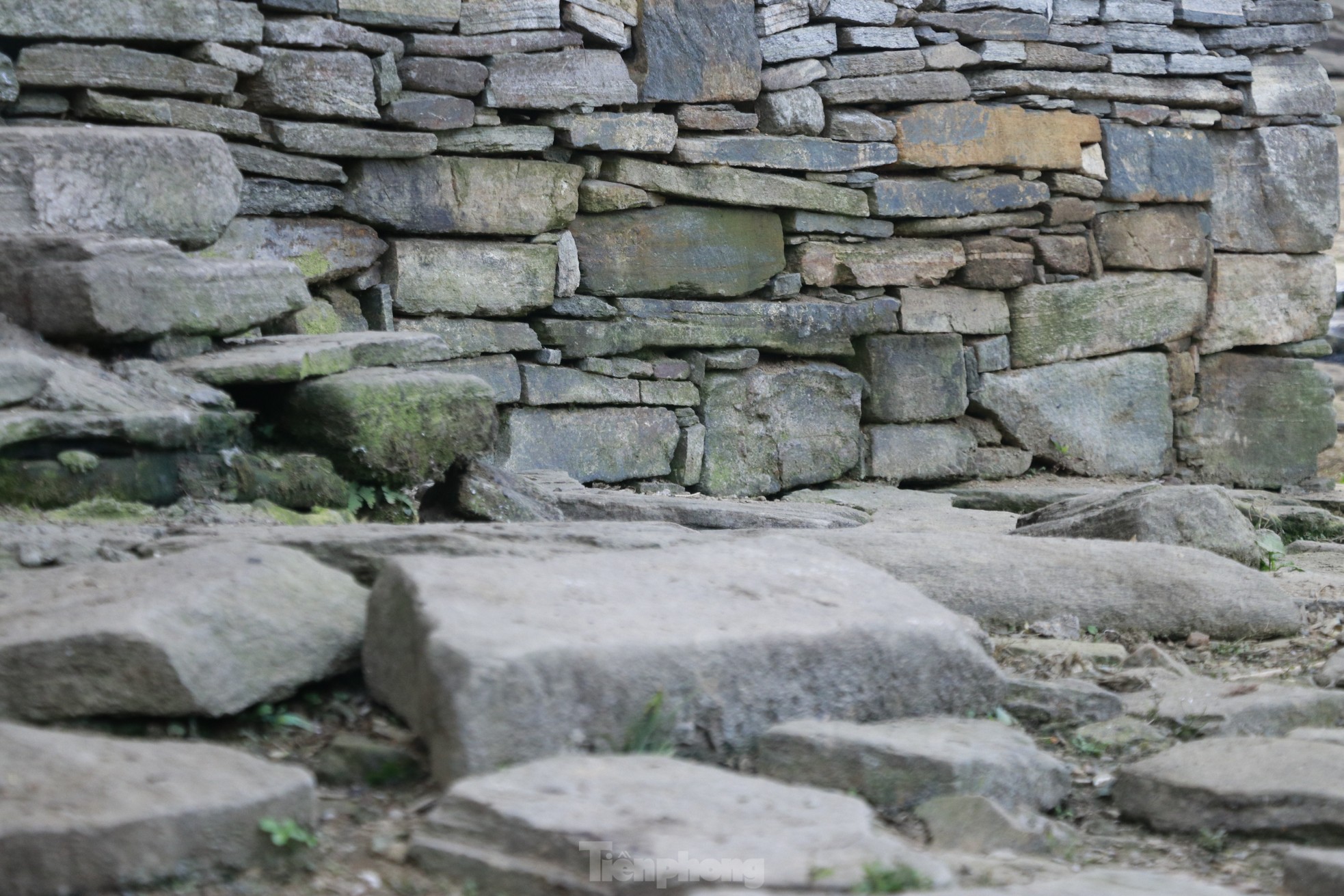
| Traditional houses are built with earthen walls and a sturdy stone foundation to prevent dampness at the base of the walls, ensuring high durability and preventing subsidence over time. Importantly, they are adaptable to the climate, remaining cool in summer and warm in winter. |
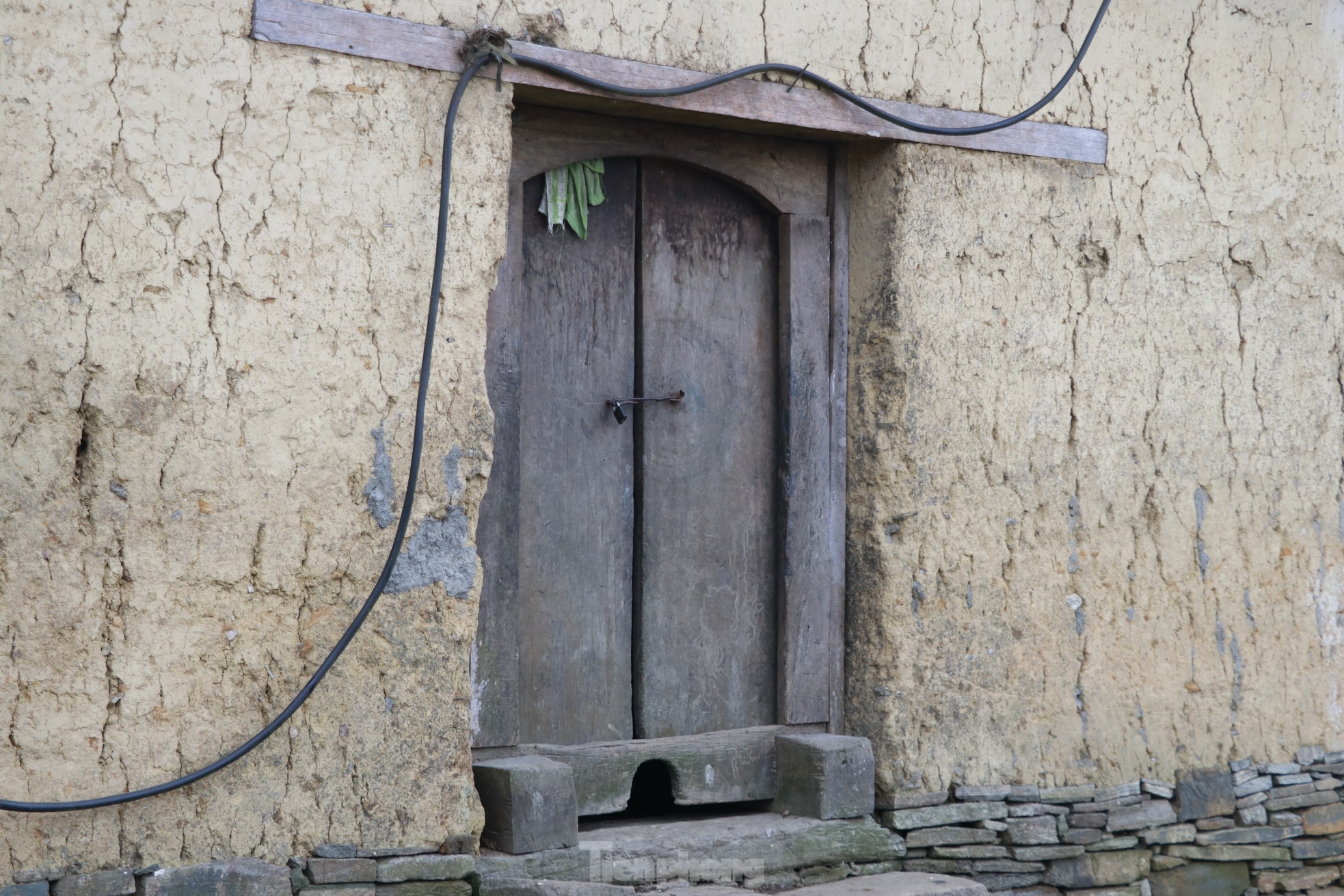  |
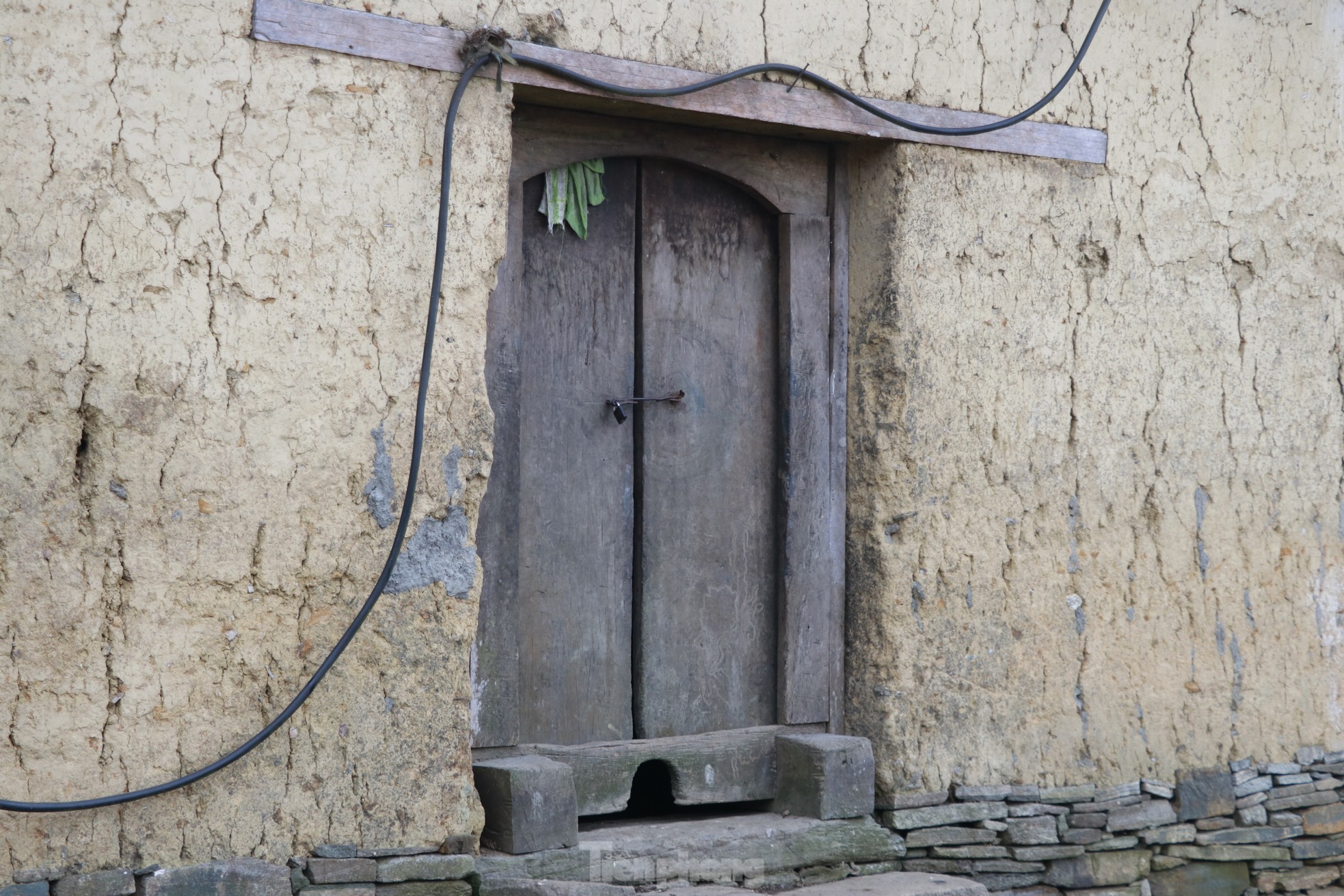
| A typical house is 60-80 square meters in size, but the walls are already 40-60 cm thick and 4-5 meters high. In the center is a "arched" gate leading to the main house, and a side entrance may lead to a cattle shed next to the house. |
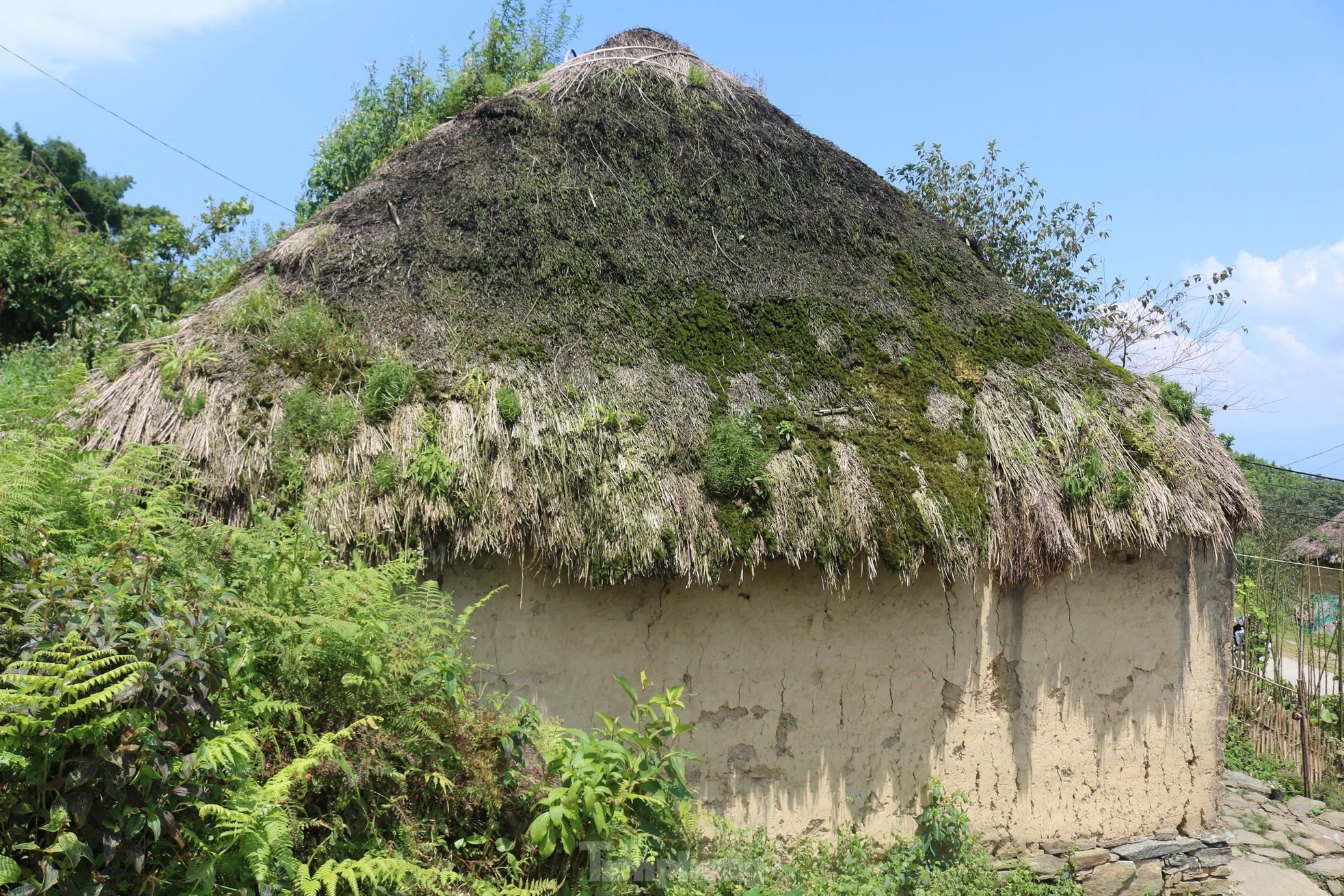 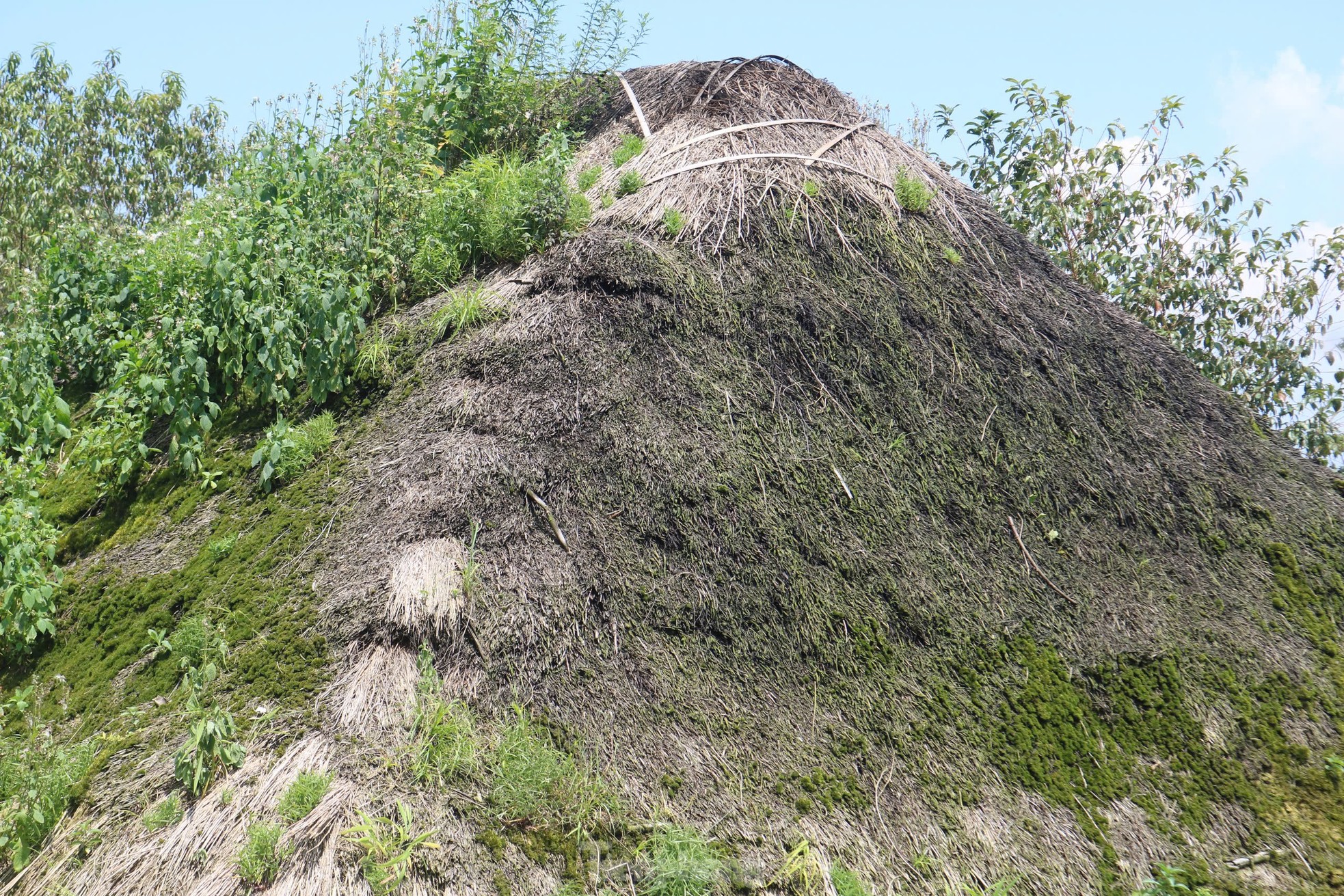 |
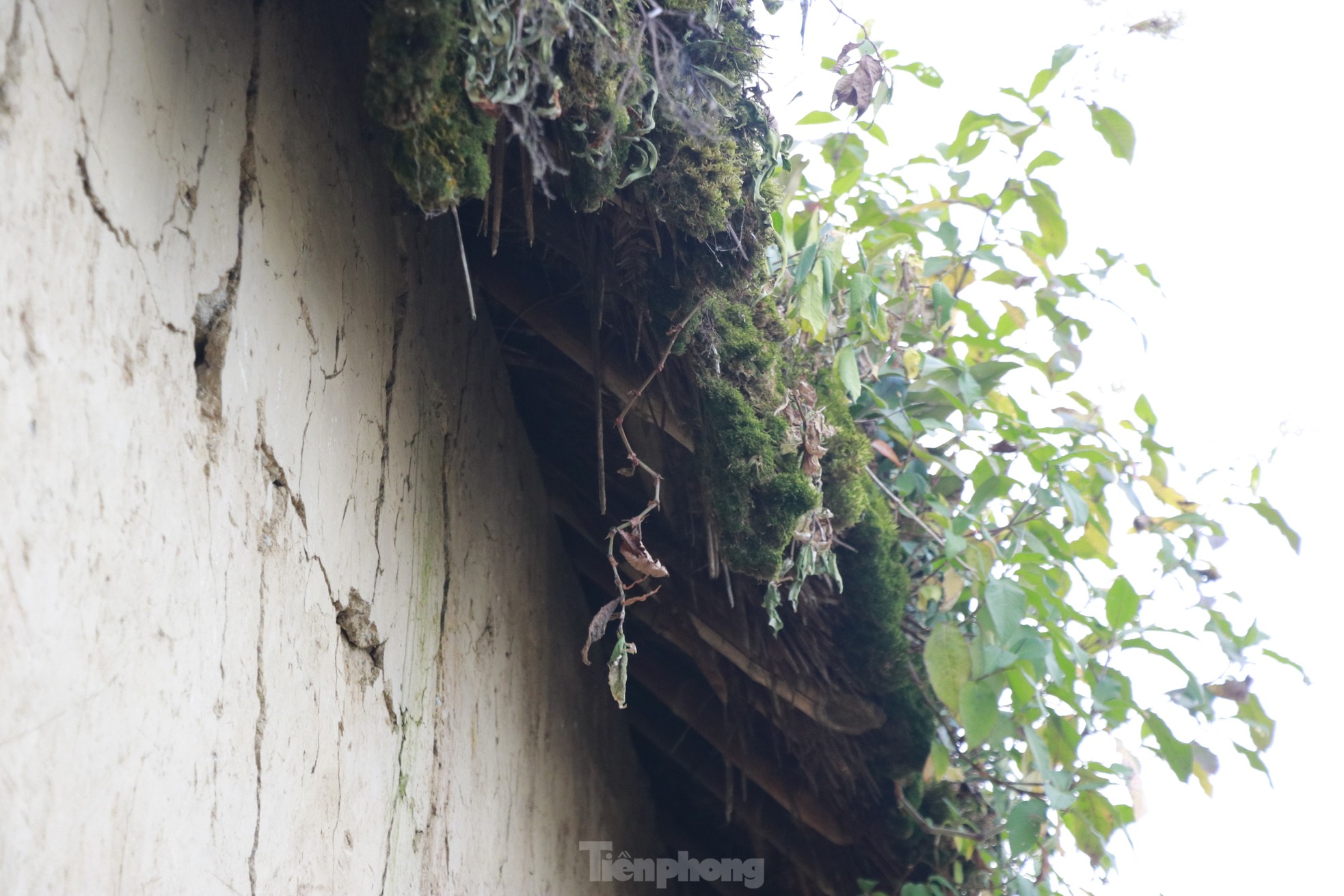
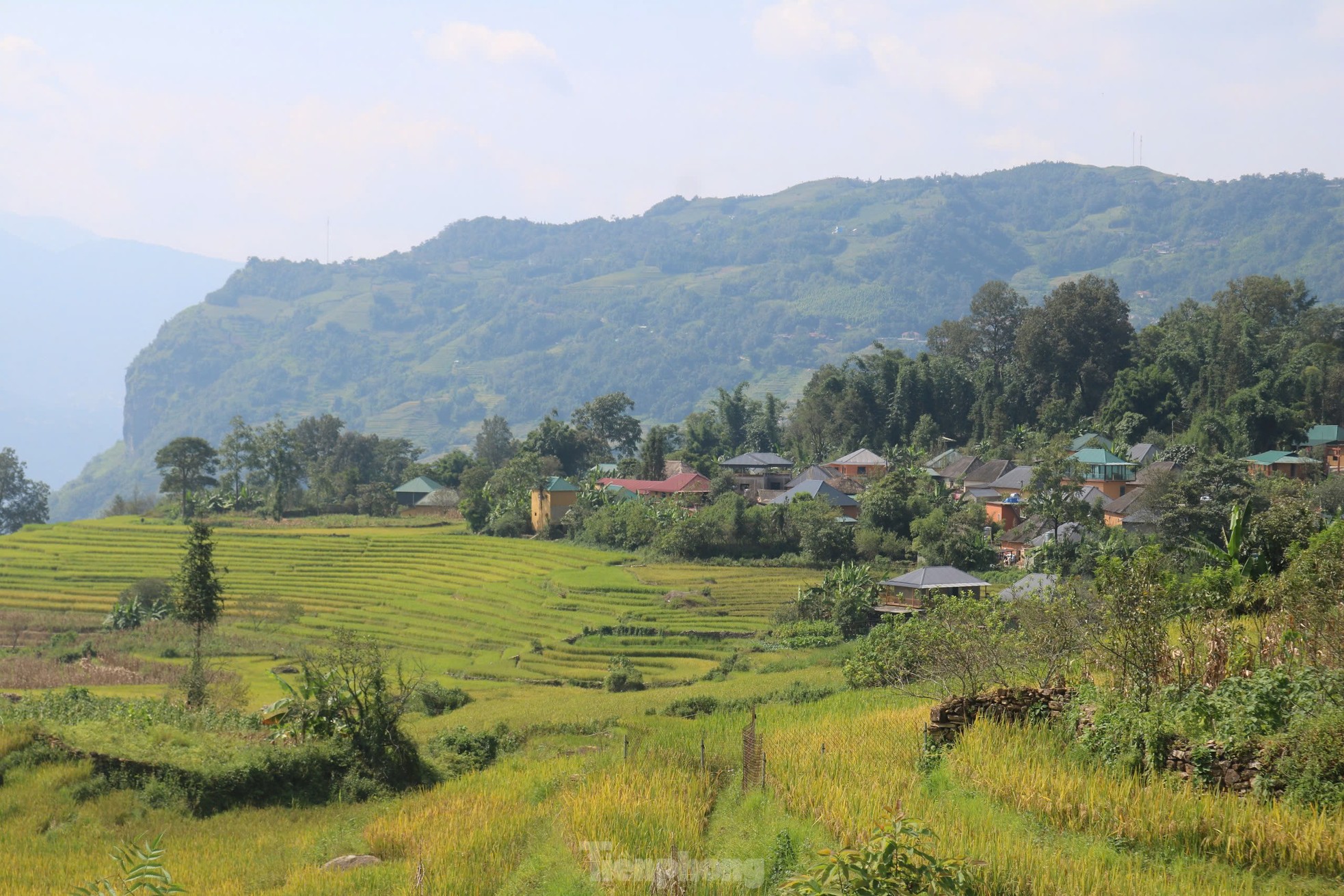
| In mid-November, visiting Lao Chai village, Trinh Tuong commune, Bat Xat district, reporters could easily feel the cool climate, the majestic and pristine natural scenery, and the houses built with earthen walls and thatched or straw roofs, covered in moss, nestled close together, creating a peaceful and tranquil scene. |
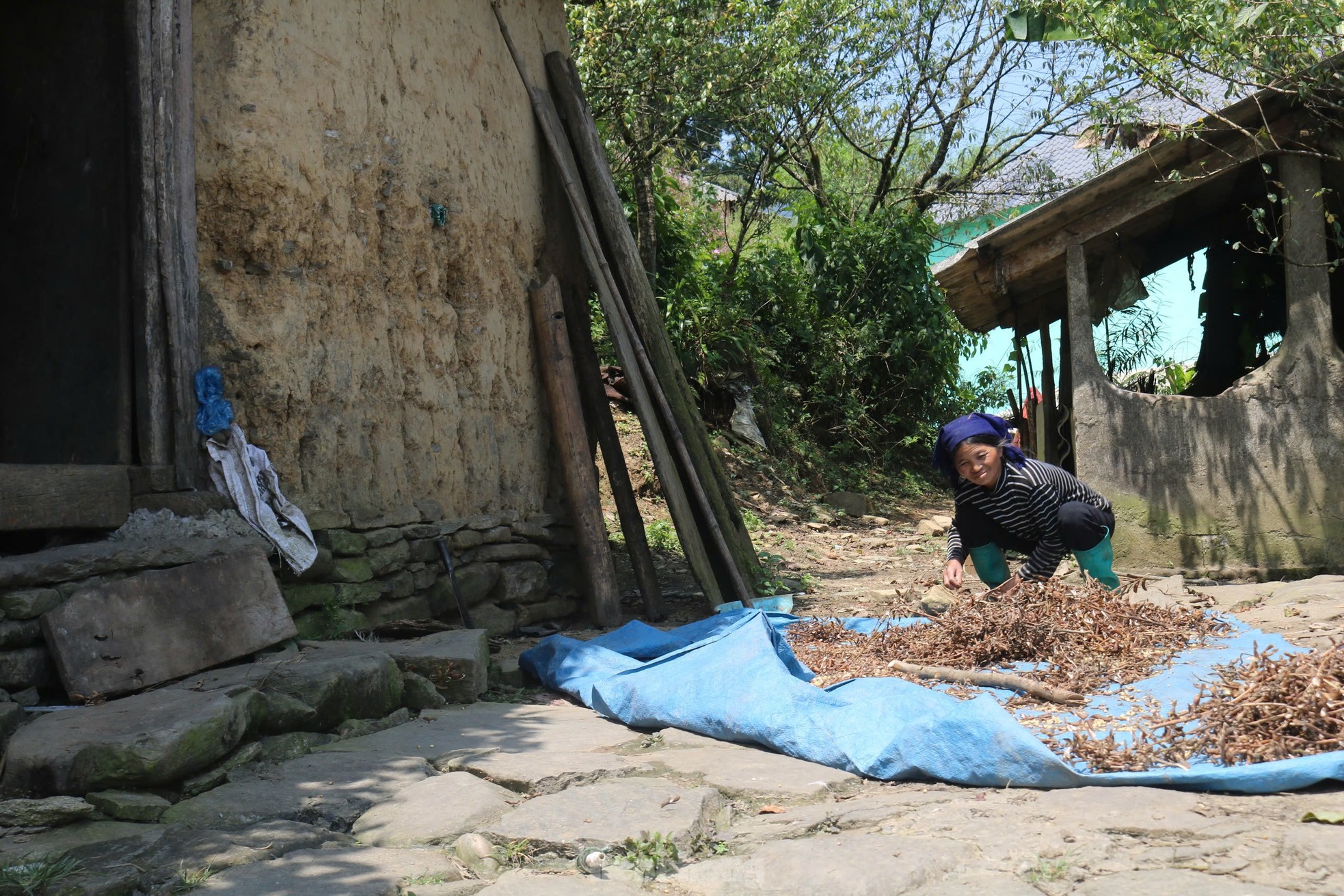 |
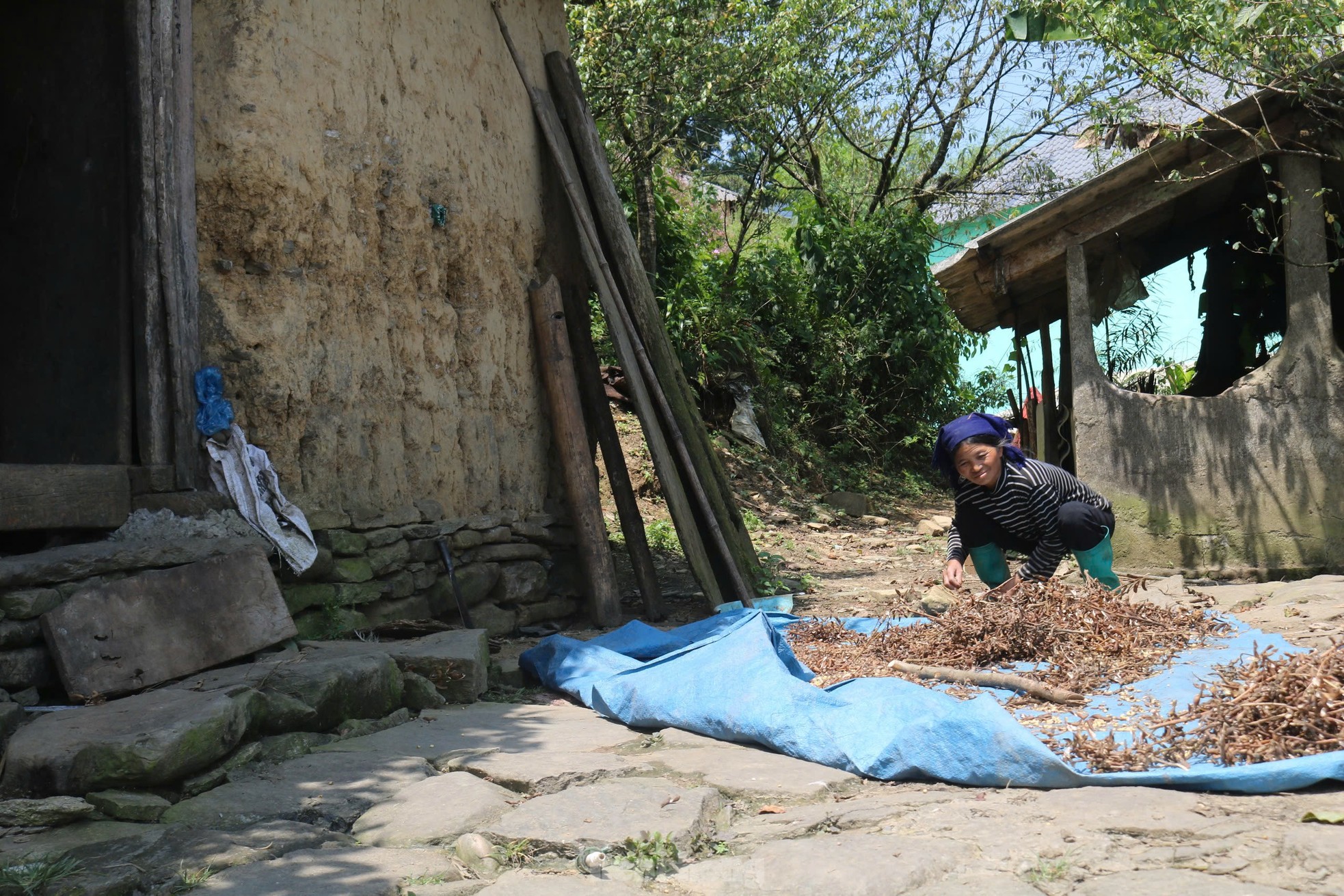
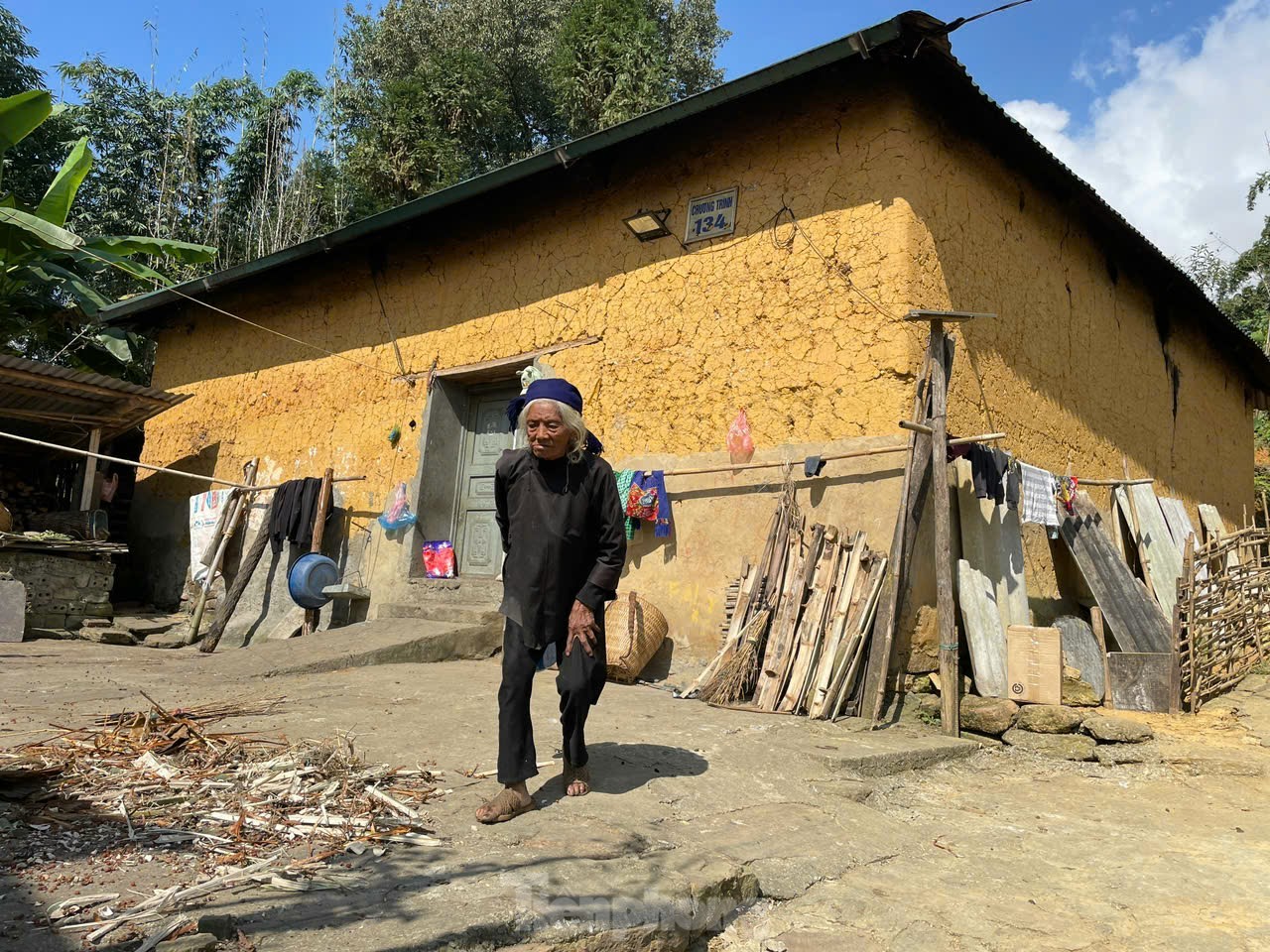
| While drying beans in front of her house, Mrs. Ly Xe Gu, from Lao Chai village, Trinh Tuong commune, said that this is her family's traditional rammed-earth house, with a thatched roof that has been there for many years. Every time tourists pass by, they stop to visit, admire the house, and take souvenir photos. |
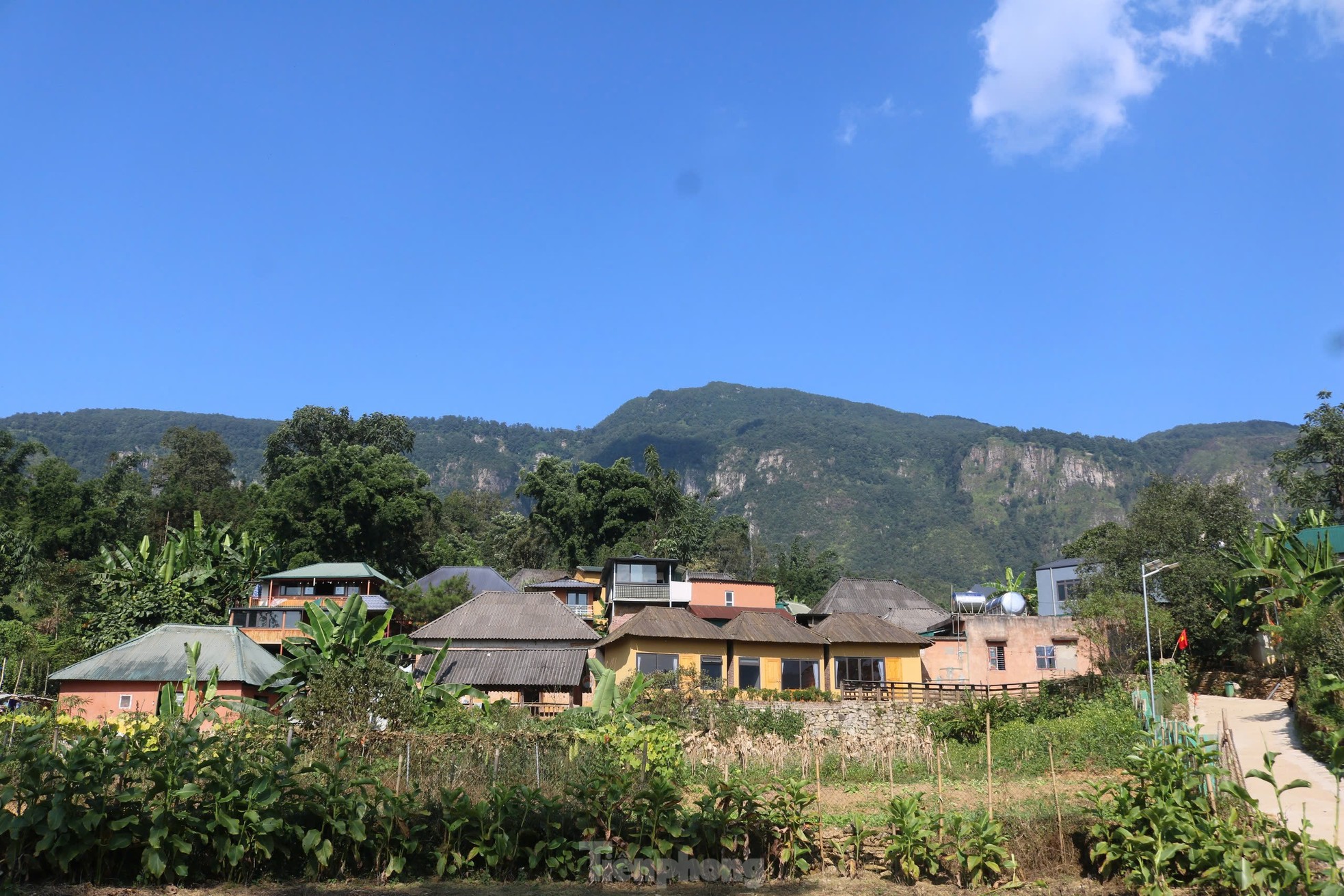 |
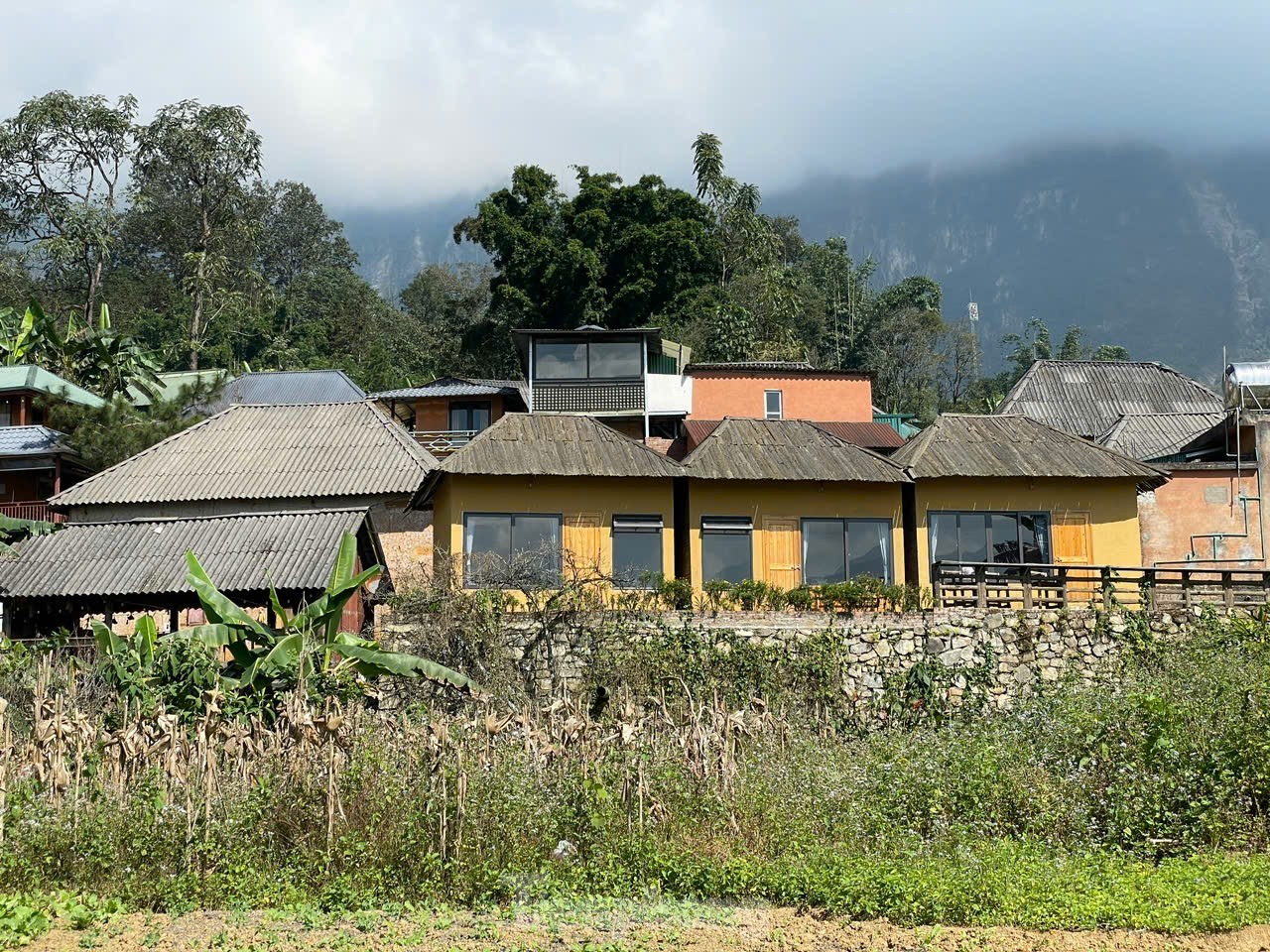
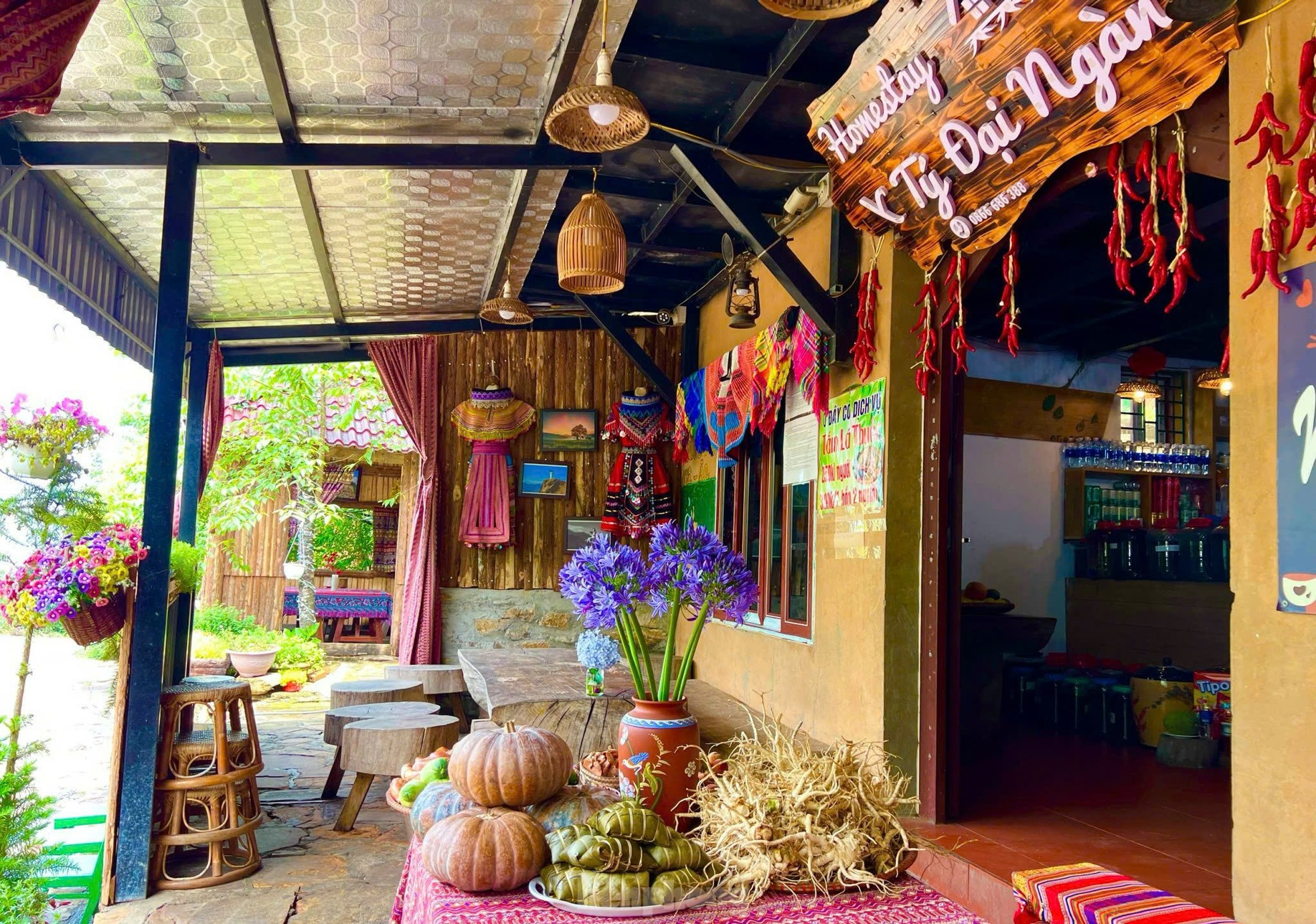
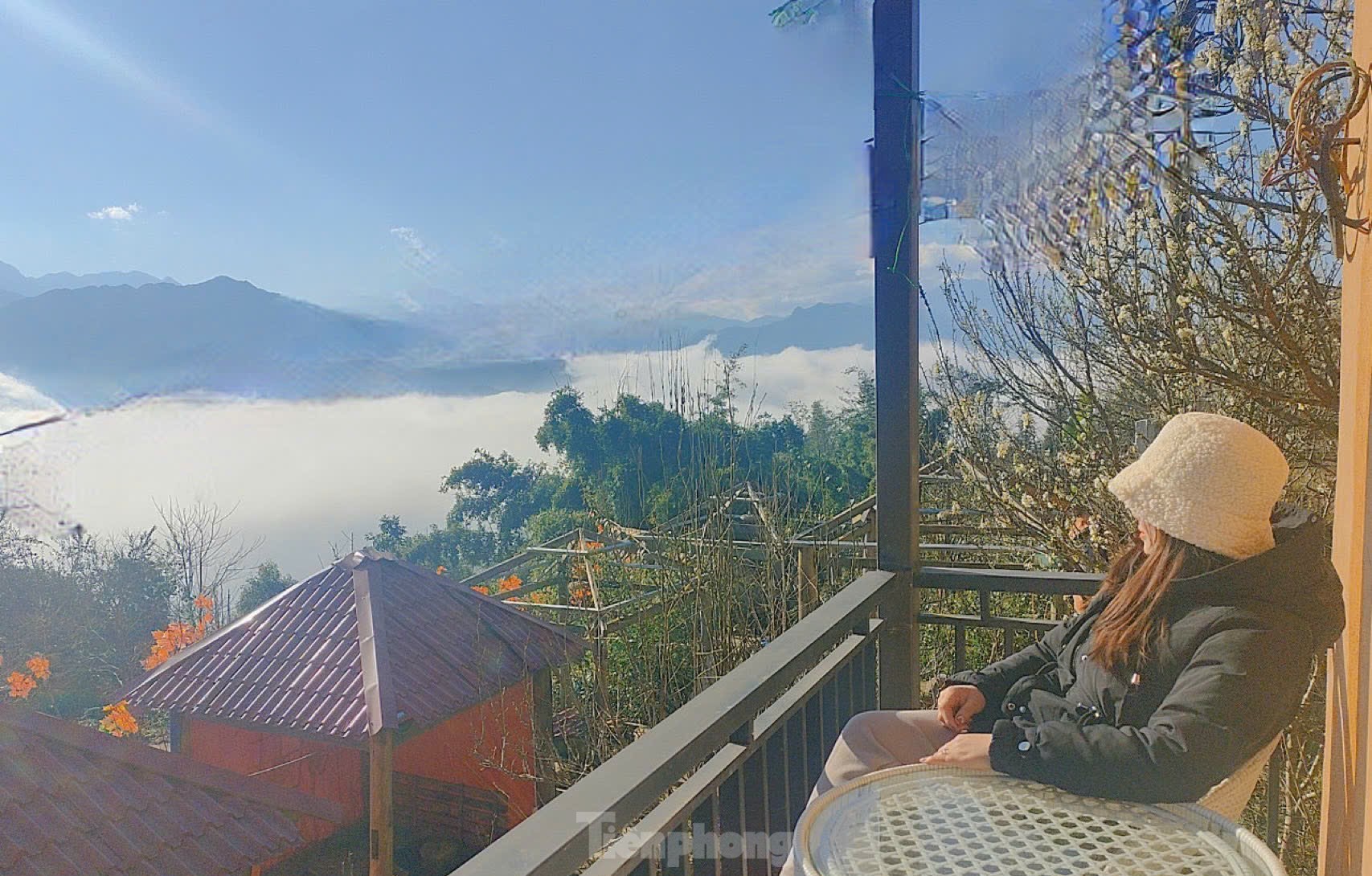
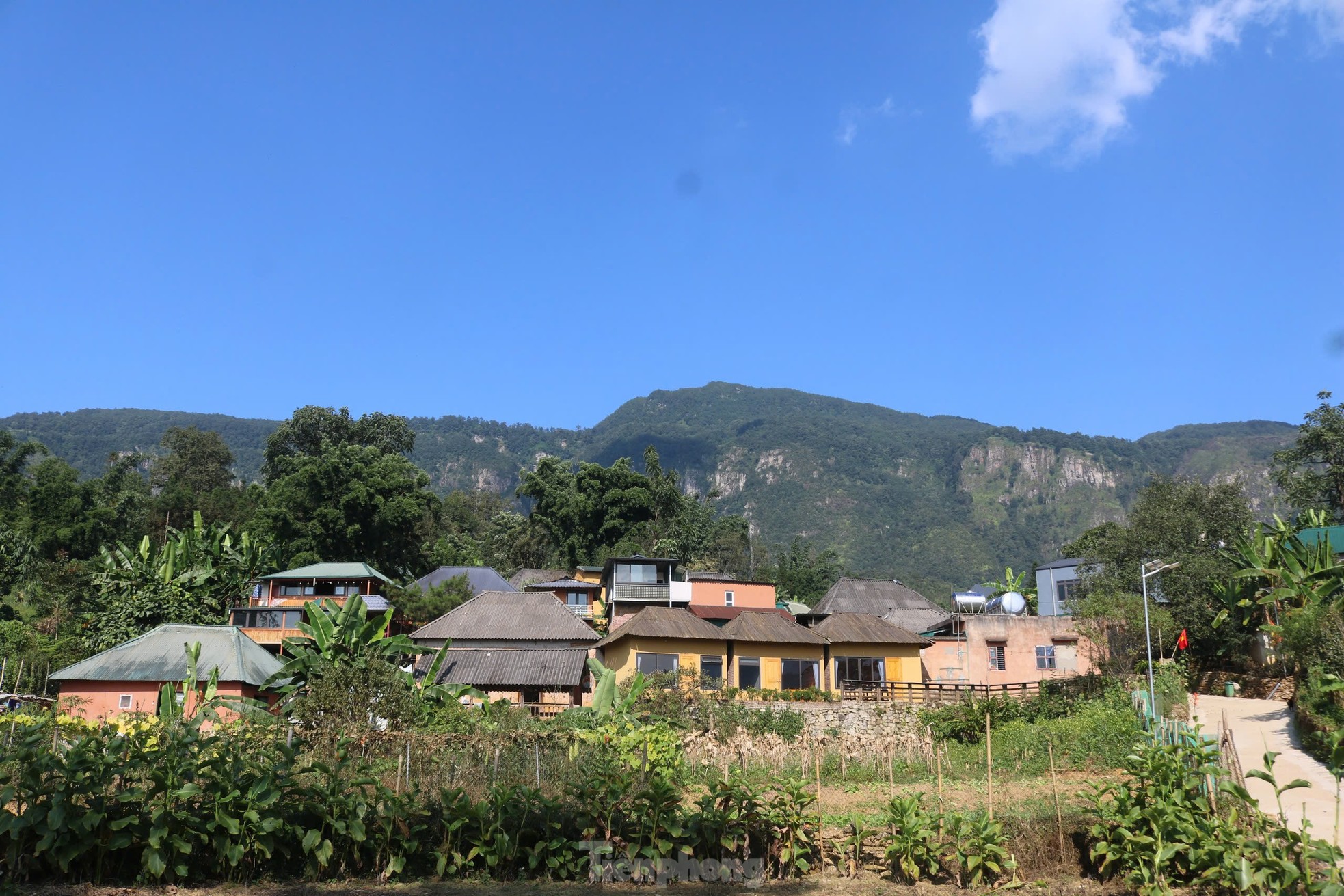
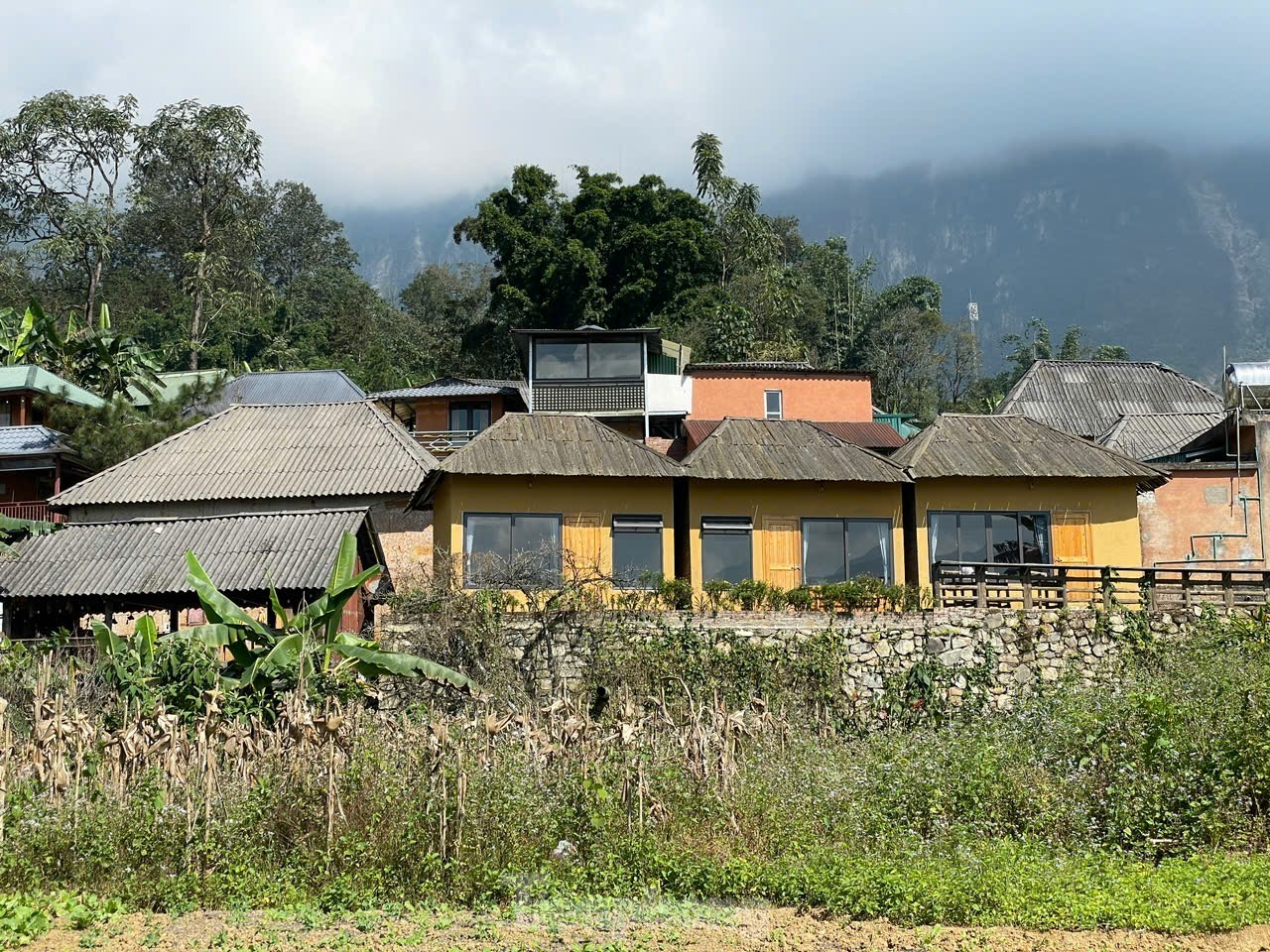
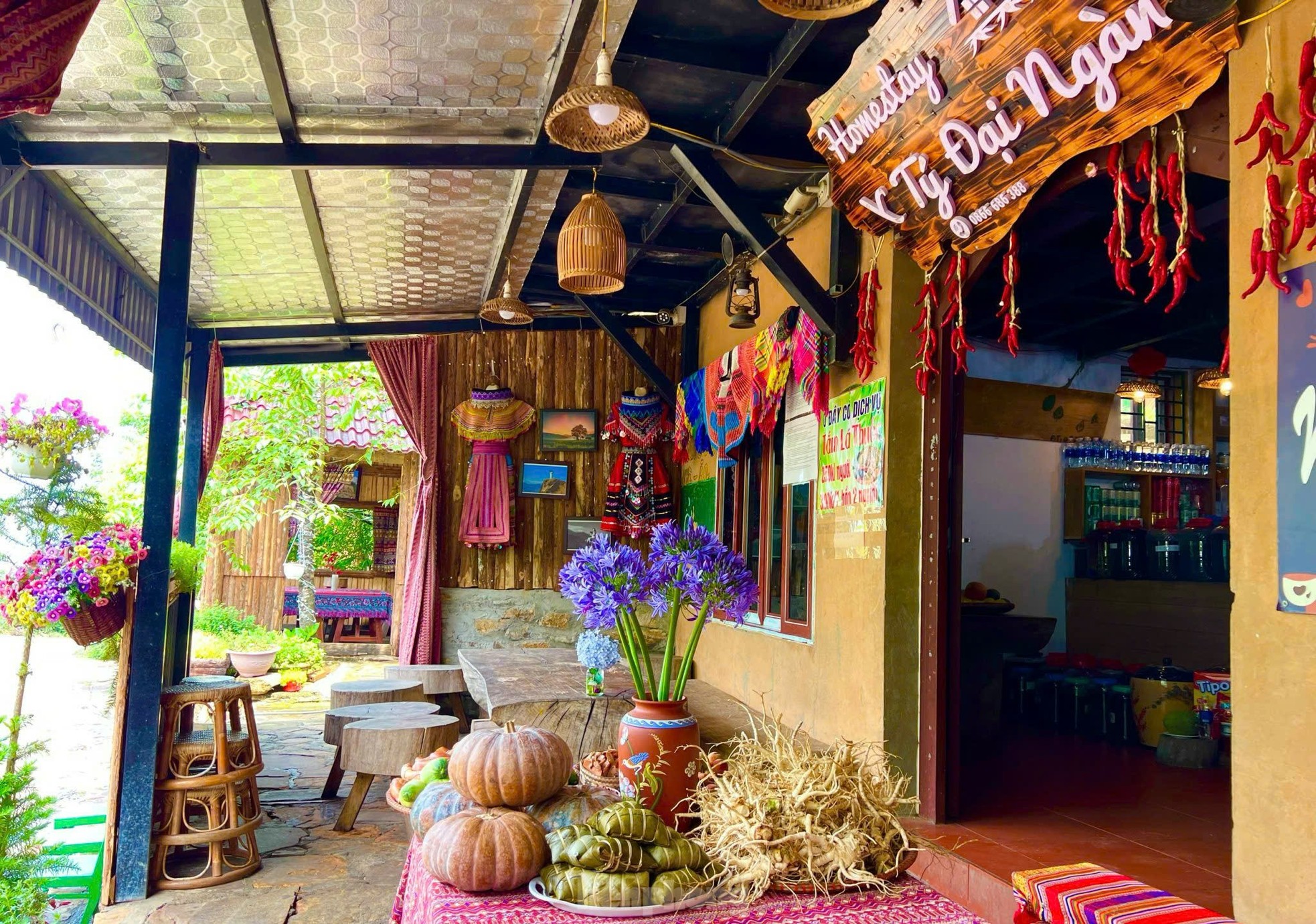
| Recognizing the growing demand for tourist accommodation, in recent years, many Ha Nhi households in some communes such as Trinh Tuong and Y Ty in Bat Xat district have renovated their traditional rammed-earth houses to offer homestay services to tourists and increase their income. |
  |
| In particular, in Y Tý commune, Bát Xát district, the locality is strongly developing community tourism associated with promoting traditional cultural values, attracting a large number of tourists to visit and experience. |
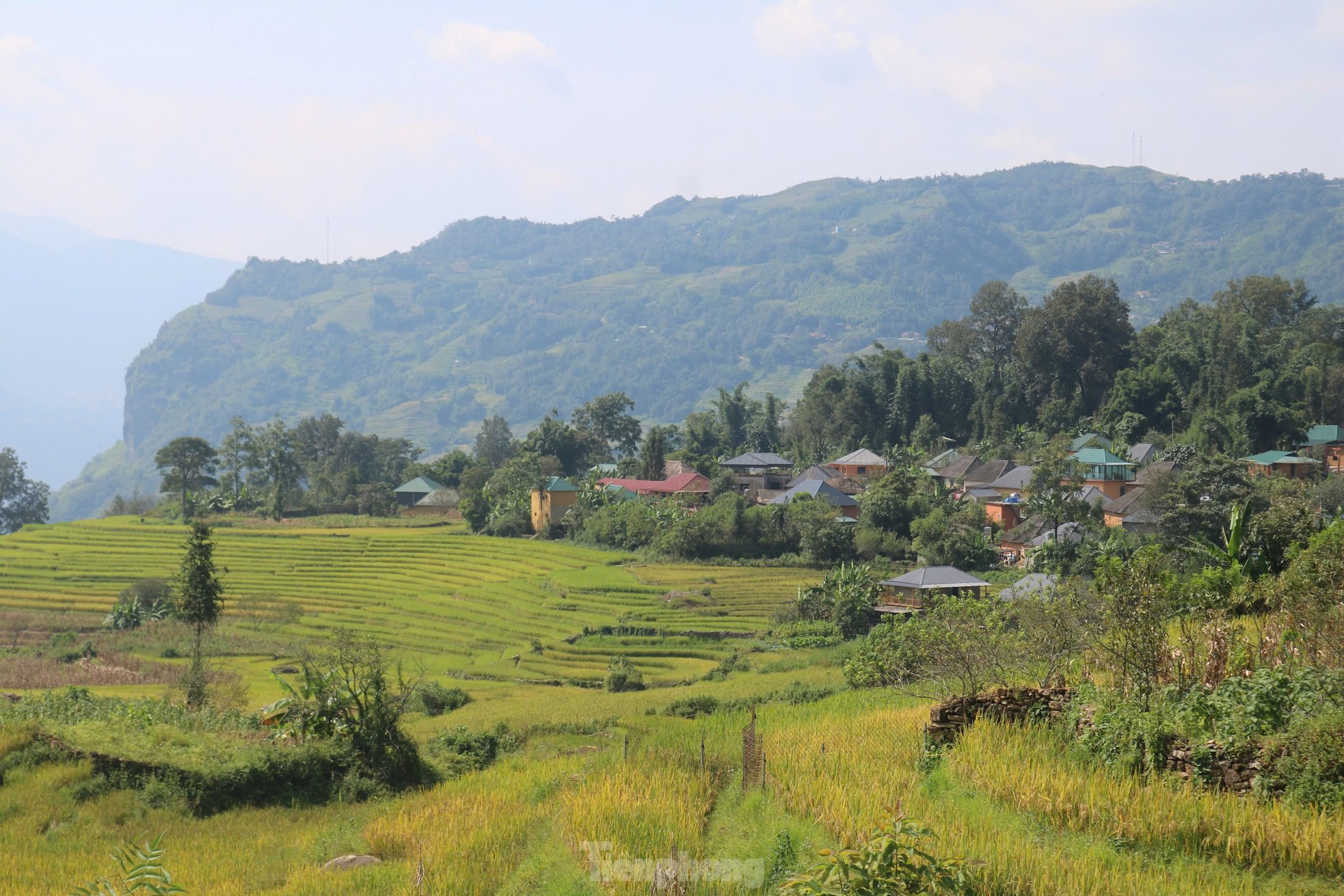 |
| In Y Tý, besides admiring the pristine beauty of the mountains and forests, the stunning natural scenery, and the friendly and hospitable people, visitors can also see traditional rammed-earth houses built according to the model of the Ha Nhi people. |
   |
| Mr. San Cau Vu, Head of Choan Then village, Y Ty commune, Bat Xat district, said that Choan Then village currently has 62 households with over 300 inhabitants, 100% of whom are Ha Nhi ethnic people. Currently, the villagers are preserving traditional rammed-earth houses in conjunction with developing community tourism. Many households in the village with the means have opened rammed-earth house homestays to welcome tourists. This contributes to increasing income and preserving the ethnic cultural identity of the locality. |
  |
| Meanwhile, Mr. Tao Van Sinh, Chairman of the People's Committee of Y Ty commune, said that the locality is coordinating with relevant agencies to plan and preserve the traditional values of the Ha Nhi people, particularly their traditional rammed-earth houses. In developing tourism, the government and the people are striving to maintain the current state and prevent the structure from being disrupted. This will create jobs and increase income for the people through tourism development. |
Tienphong.vn
Source: https://tienphong.vn/doc-dao-nha-co-trinh-tuong-mien-bien-vien-post1693879.tpo


![[Image] The tenacious fighting spirit of Vietnamese women's football](/_next/image?url=https%3A%2F%2Fvphoto.vietnam.vn%2Fthumb%2F1200x675%2Fvietnam%2Fresource%2FIMAGE%2F2025%2F12%2F17%2F1765990260956_ndo_br_4224760955870434771-copy-jpg.webp&w=3840&q=75)
![[Photo] Prime Minister Pham Minh Chinh receives Lao Minister of Education and Sports Thongsalith Mangnormek](/_next/image?url=https%3A%2F%2Fvphoto.vietnam.vn%2Fthumb%2F1200x675%2Fvietnam%2Fresource%2FIMAGE%2F2025%2F12%2F16%2F1765876834721_dsc-7519-jpg.webp&w=3840&q=75)
![[Image] Leaked images ahead of the 2025 Community Action Awards gala.](/_next/image?url=https%3A%2F%2Fvphoto.vietnam.vn%2Fthumb%2F1200x675%2Fvietnam%2Fresource%2FIMAGE%2F2025%2F12%2F16%2F1765882828720_ndo_br_thiet-ke-chua-co-ten-45-png.webp&w=3840&q=75)
![[Live] 2025 Community Action Awards Gala](/_next/image?url=https%3A%2F%2Fvphoto.vietnam.vn%2Fthumb%2F1200x675%2Fvietnam%2Fresource%2FIMAGE%2F2025%2F12%2F16%2F1765899631650_ndo_tr_z7334013144784-9f9fe10a6d63584c85aff40f2957c250-jpg.webp&w=3840&q=75)
![[Photo] Prime Minister Pham Minh Chinh receives the Governor of Tochigi Province (Japan)](/_next/image?url=https%3A%2F%2Fvphoto.vietnam.vn%2Fthumb%2F1200x675%2Fvietnam%2Fresource%2FIMAGE%2F2025%2F12%2F16%2F1765892133176_dsc-8082-6425-jpg.webp&w=3840&q=75)

























































![[Live] Closing Ceremony and Award Presentation for the "Impressive Vietnam Tourism" Video/Clip Creation Contest 2025](https://vphoto.vietnam.vn/thumb/402x226/vietnam/resource/IMAGE/2025/12/17/1765974650260_z7273498850699-00d2fd6b0972cb39494cfa2559bf85ac-1765959338756946072104-627-0-1338-1138-crop-1765959347256801551121.jpeg)





















Comment (0)