

Not just during Tet (Vietnamese New Year), but also when children play together, I've witnessed countless instances of children fighting over toys, crying, and so on. For me, these small matters between children can easily lead to unpleasant and unfair situations if adults interfere. Therefore, I only intervene when children are fighting over toys. I want to teach children the lessons of fairness and civility from a young age.
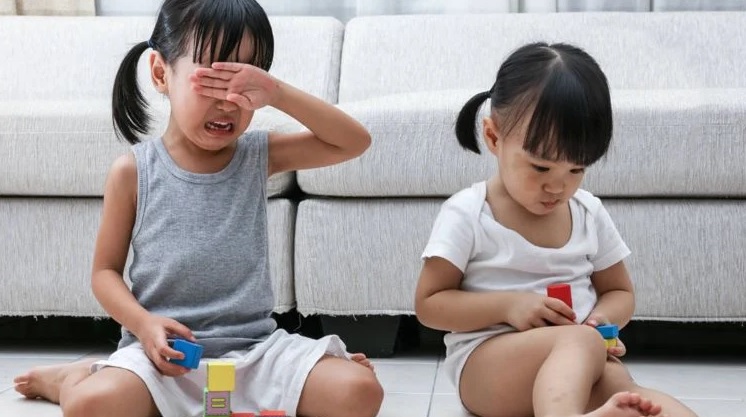
When children fight over toys, should adults intervene?
For decades, and even now, my house has always been filled with the laughter and chatter of children. The yard and the main living room are playgrounds where children play soccer, throw balls, build models, draw, and eat snacks… Weekends are even more lively. And stories of "children liking other people's things" happen quite often at my house.
I was wrong to yell at my child.
When my first child was in preschool, a friend came to play and wanted to take my child's toys, but my child wouldn't let them. Seeing that the other child kept insisting and the other child's parents remained silent, I yelled at my child and told them to give the toys to the friend. My child had no choice but to give them up, but they looked unhappy and upset.
It's not that we don't know how to teach our children the lesson of sharing and playing together, but for some reason, in that situation, they didn't want to let their friend play. Conversely, I often teach my children not to ask for other people's toys if they don't agree. We've been teaching them this fundamental lesson since they were young.
Since the day I yelled at my child, I realized I was wrong, so I let my child make their own decisions. If other children come to play and want to play with toys, I don't interfere; I only advise them on what to do, and the decision rests with the children, not their parents.
I spoiled my child, so they insisted on getting what they wanted.
Your couple often comes to my house to visit. Your child is about the same age as my second child. When your child comes over, they always make demands, and if their parents don't give in, they cry loudly.
Sometimes the child would want to take my child's toys, and we didn't object because those toys were... acceptable. Once, we advised them not to spoil their child, saying that if they continued to spoil them, they would become spoiled, and then we would scold and discipline them. Since then, the little one hasn't asked for anything anymore whenever they come to our house.
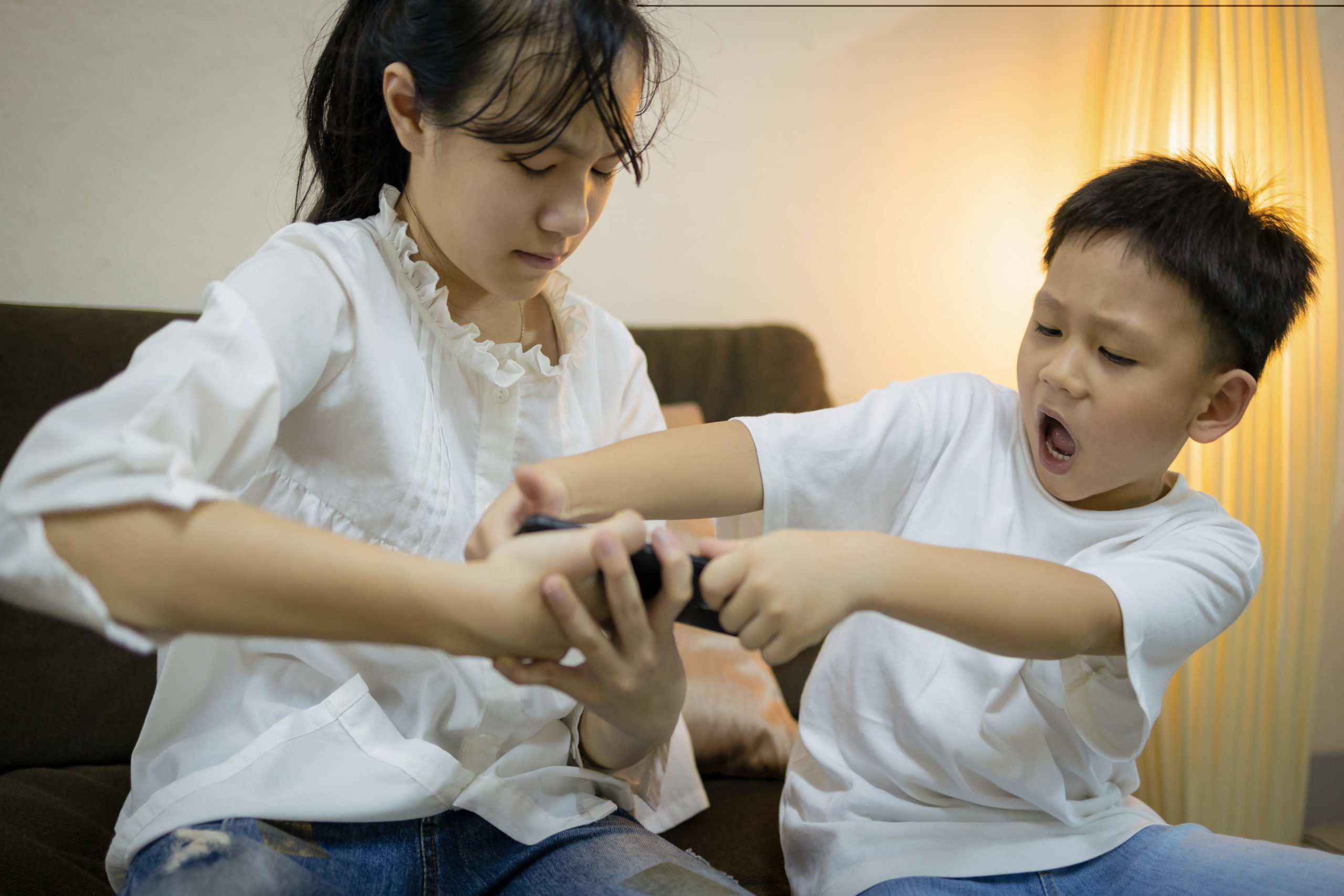
Let children decide whether to lend their toys to other children.
Teach your child to distinguish between what belongs to them and what belongs to others.
During family gatherings, especially during Tet (Vietnamese New Year), parents need to teach their children about fairness. Teach them what belongs to them and what belongs to others. To achieve this, parents need to teach their children every day. Don't let Tet be less joyful because of spoiling your children.
When children demand other people's toys, even insisting on getting them, the fault isn't with the child but with the adults' indulgence. The belief that "my child is the best" unintentionally spoils them. This habit, instilled from a young age, has a significant impact later in life. Grandparents and parents need to explain things clearly to their children. If a child insists on getting their toy, they need to be firm. That's true love.
Source link


![[Photo] Prime Minister Pham Minh Chinh receives the Chinese Ambassador to Vietnam](https://vphoto.vietnam.vn/thumb/1200x675/vietnam/resource/IMAGE/2026/04/05/1775397481797_ndo_br_dsc-5512-jpg.webp)
















































































Comment (0)