

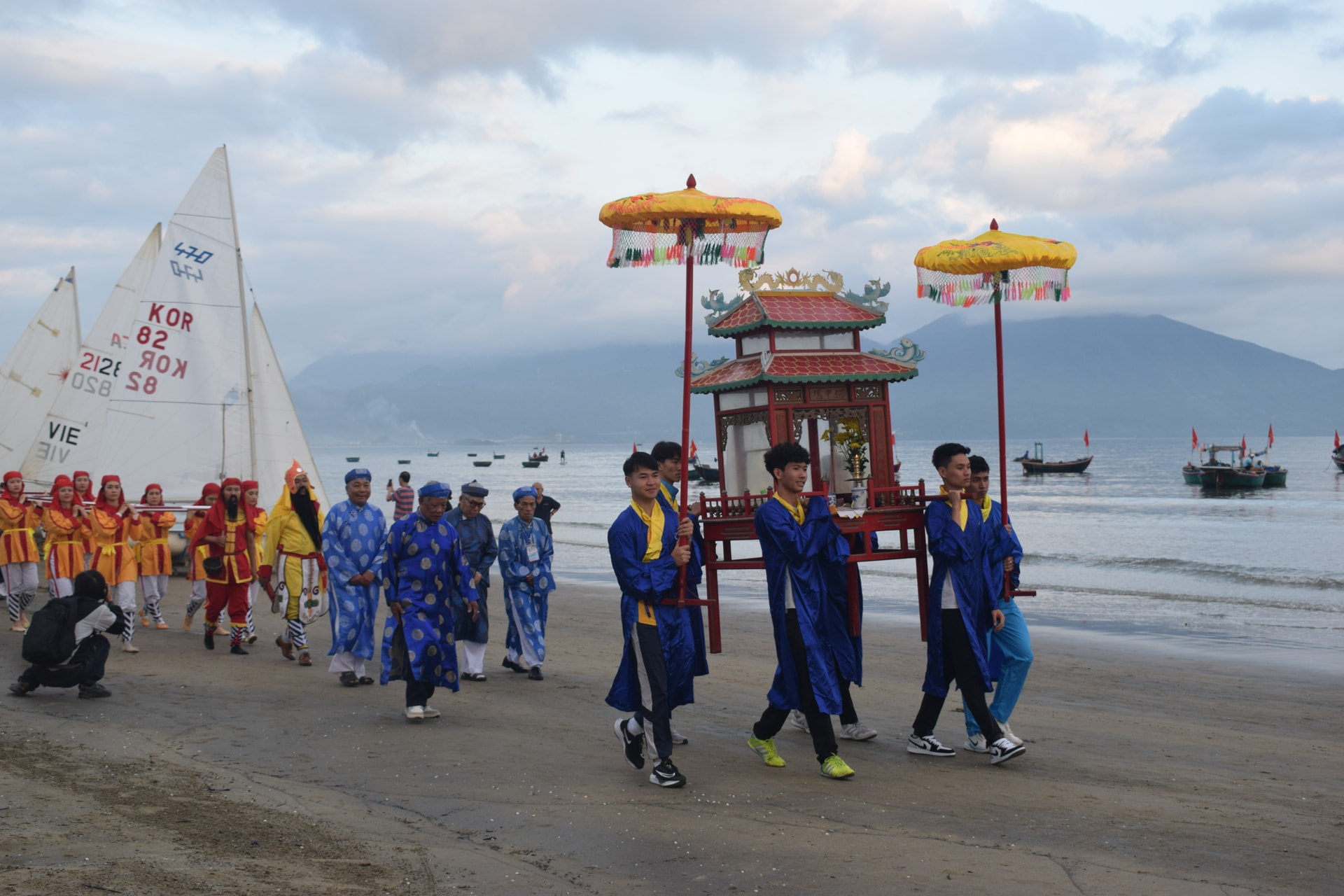
Reaching a wider audience
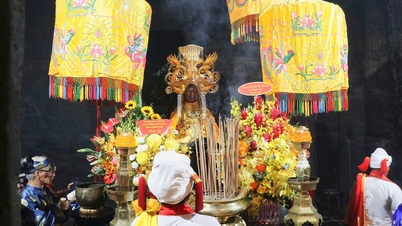
Da Nang is considered the economic and cultural center of Central and Western Vietnam, preserving many layers of unique folk culture. These values are found in the customs, traditions, festivals, beliefs, performing arts, and folk knowledge of the ethnic groups living in the area.
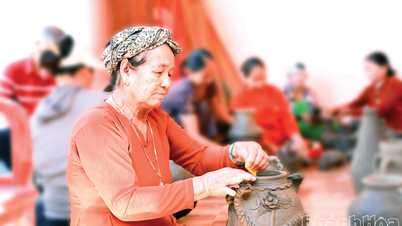
After the merger, Da Nang city became a "living cultural museum," where tradition and modernity complement each other. Ancient craft villages, traditional festivals, mountain dances, fishermen's maritime knowledge, and riverside village memories... create a diverse cultural ecosystem that is both familiar and constantly evolving.
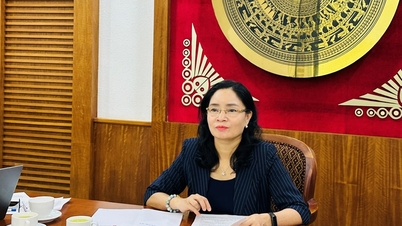
According to Ms. Dinh Thi Trang, President of the City's Folk Culture Association, over the past two decades, cultural agencies, research institutes, universities, and local research teams have made efforts to collect, restore, and initially build a diverse foundation of folk culture documentation. Several projects have contributed to clarifying values such as customs, beliefs, festivals, traditional crafts, folk performing arts, and the cultural exchange between Vietnam and Champa, Vietnam and China... Programs to restore traditional festivals, digitize heritage documents, and community tourism activities in Hoa Bac, Man Thai, Nam O… are gradually bringing Quang Nam's folk culture into contemporary life.
“The collected folk knowledge can absolutely become material for design and handicraft products, documentaries, animation, cultural games, contemporary folk theater, illustrated books and educational products, themed experiential tours on ‘maritime culture,’ ‘Co Tu culture,’ ‘spiritual culture,’ etc. This not only enhances the economic value of the heritage but also increases its attractiveness, creating opportunities for folk culture to reach a wider audience, especially the younger generation,” Ms. Trang shared.
However, some forms of folk culture are currently at risk of disappearing as older artisans gradually pass away, while the younger generation shows little interest in indigenous knowledge. In addition, the application of research findings to practice, especially to the cultural industry, remains quite limited.
Therefore, supporting artisans, expanding incentive mechanisms, and encouraging the transmission of knowledge within communities and schools are essential. In particular, community-based tourism models centered around heritage in Hoa Bac, Tay Giang, Tien Phuoc, Hoi An, etc., need to be systematically organized so that communities can both preserve and benefit from their own heritage.
Mr. Do Thanh Tan, from the City's Folk Culture Association, also stated that Da Nang is aiming for sustainable development of cultural industries and tourism. The exploitation of folk culture must avoid commercialization and excessive theatricalization, while simultaneously linking preservation with community education and maintaining the authenticity of folk life.
Developing experiential cultural tourism
To leverage the value of heritage in the development of cultural industries, especially experiential cultural tourism, researcher Ho Xuan Tinh of the Da Nang Cultural Heritage Association believes that if cultural heritage is linked to cultural industries, its economic value will expand from cultural tourism to creative design, film and media, performing arts, and high-end cultural and handicraft products.
The city could organize a "Traditional Art Street" program in the night market area and the pedestrian street along the Han River; and simultaneously create a "Coastal Culture Space" at My Khe, Man Thai, and Tho Quang beaches, featuring performances of traditional folk songs in a ceremonial setting simulating a fishing prayer ceremony, creating nighttime tourism products imbued with the folk spirit of the coastal region. In addition, interactive performance models could be implemented, such as introducing 30-minute excerpts from traditional opera, combined with "guests being guided in applying makeup and trying their hand at acting in traditional opera"...
Currently, the city is focusing on developing Bài Chòi (a traditional Vietnamese folk game) in conjunction with street performances to create a tourism highlight, attracting visitors to enjoy its diverse and unique cultural colors. However, in reality, Bài Chòi artists are actively seeking out and connecting with others to perform Bài Chòi in various locations, localities, and contexts. Particularly in urban spaces, Bài Chòi faces significant challenges from the diversity of contemporary art forms and music.
Regarding this issue, Ms. Nguyen Thi Thanh Xuyen, from the City's Folk Arts Association, believes that while Hoi An has successfully built a brand for Bai Choi culture as a tourism product of the ancient town, other locations have not yet fully exploited the potential of Bai Choi. The trend of enriching the cultural value of Bai Choi based on local culture will encourage artists to create new verses and performance styles, further revitalizing Bai Choi art in the face of the strong development of contemporary art forms.
“In Hoi An, the Bài Chòi folk singing tradition in the ancient town relies heavily on tourists. Even minor fluctuations in the market and weather can seriously affect its performance. Therefore, the trend of promoting Bài Chòi heritage towards community-based tourism development requires considerable time to complete and depends on the local tourism development strategy,” Ms. Xuyen stated.
Source: https://baodanang.vn/khai-thac-van-hoa-dan-gian-de-phat-trien-du-lich-3319248.html

























































Comment (0)