


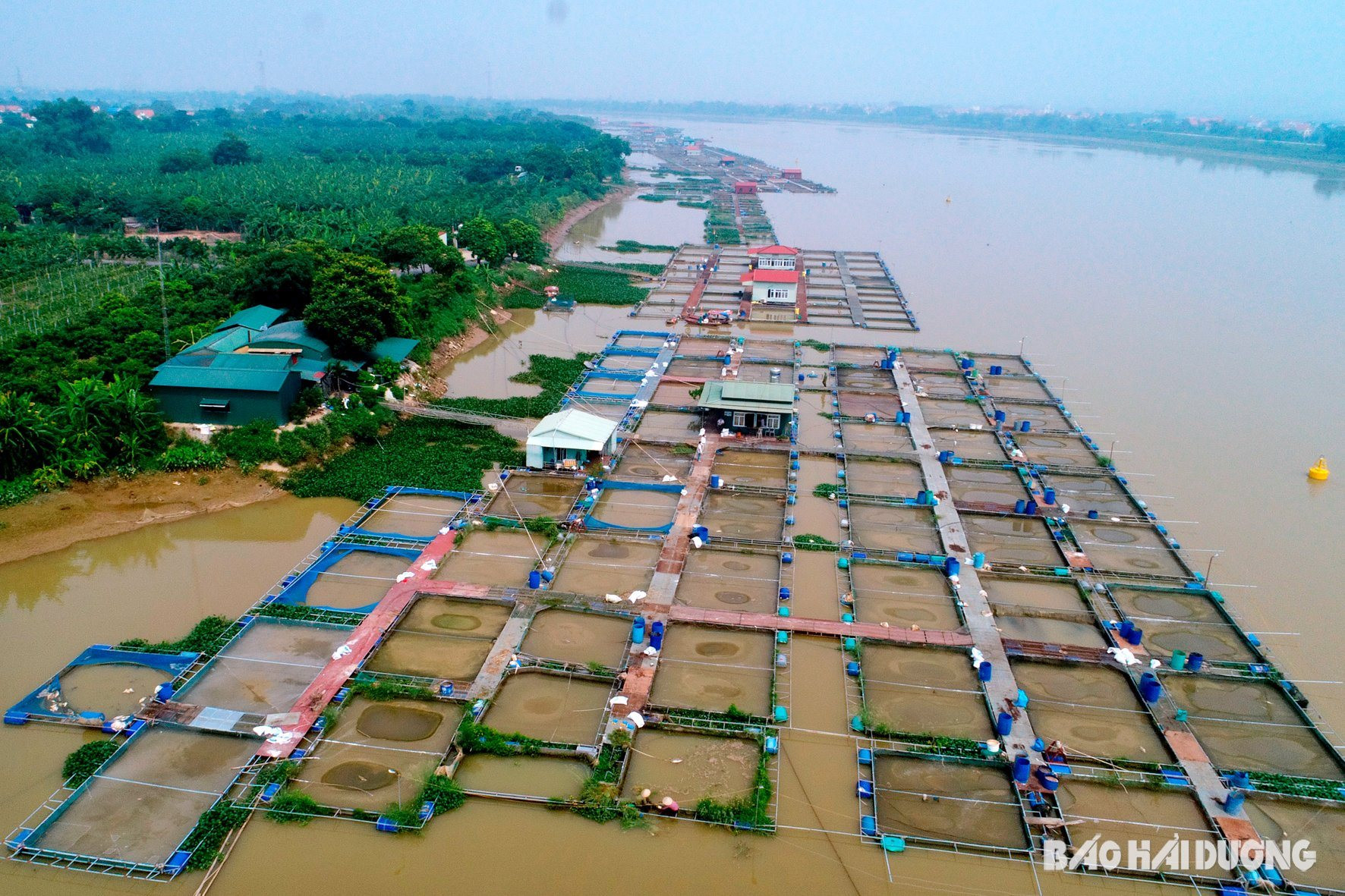
Hai Duong is located in the Red River Delta, with a dense network of rivers and canals, thus blessed with fertile alluvial soil. This is the source that creates lush green fields and livelihoods that originate from the river.
Abundant
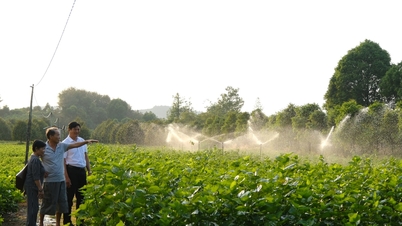
Back in school, one of the geography lessons that impressed me the most, and that I was also very proud of, was about the geological history and values of the Red River Delta. According to geography textbooks, the Red River alone carries a huge amount of alluvial soil, averaging about 100 million tons per year, or nearly 1.2 kg of alluvial soil per cubic meter of water. This fertile alluvial soil has nourished the lush green fields of corn, carrots, sweet potatoes, and other crops along the roads. Wherever you go in Hai Duong province, you can find these fertile fields in the riverside areas.
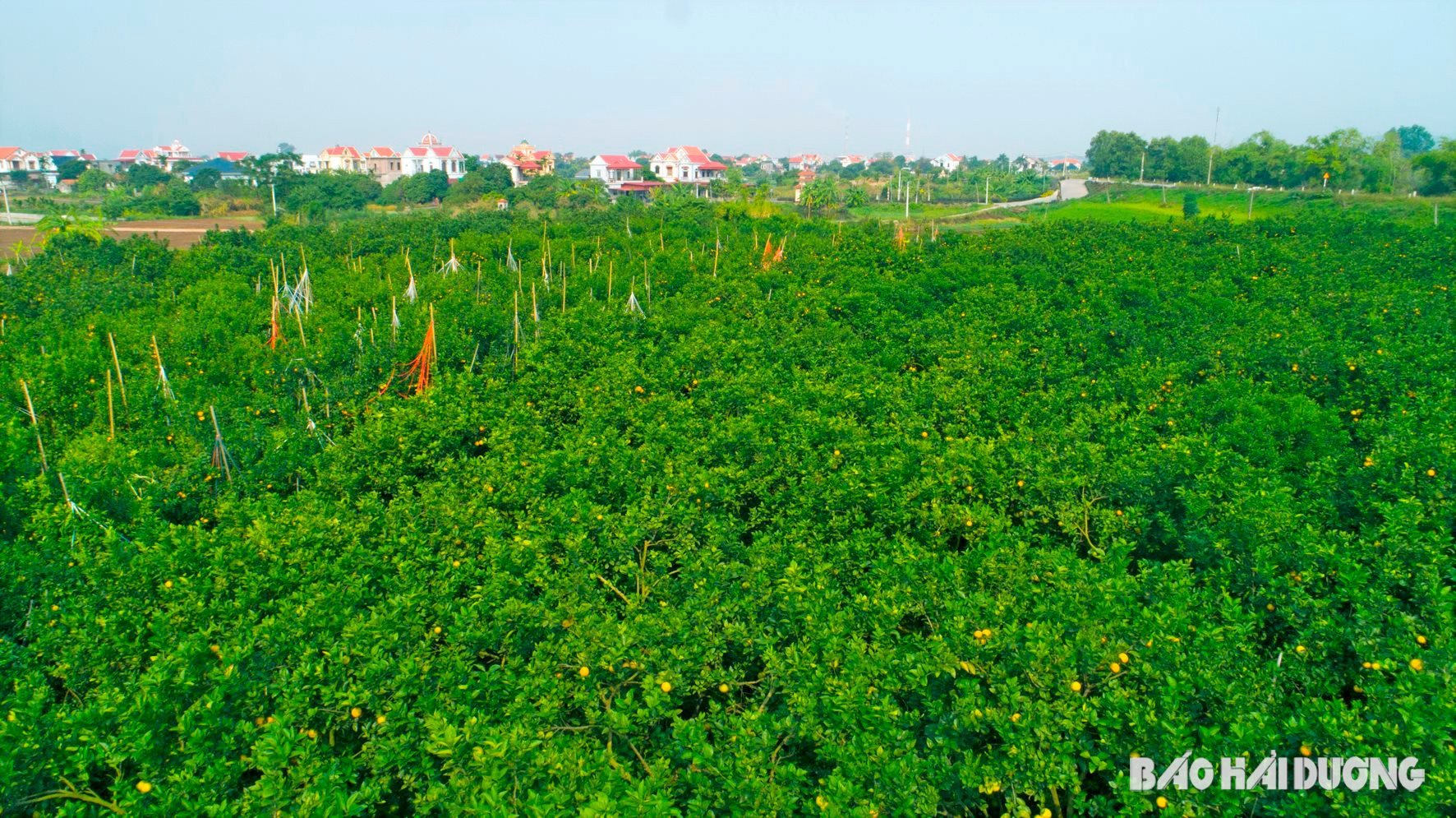
In Nhan Hue commune (Chi Linh district), standing on the Kinh Thay river dike and gazing in all directions, I was utterly delighted. On one side were the OCOP 4-star tomato and carrot fields of Nhan Hue commune, and on the other side were the "imported" orange orchards of Mr. Phung Van Dai's family in Dap Khe village, also in the same commune. Further along the river were over 300 fish cages belonging to the people of Nhan Hue. Looking across the Kinh Thay river, I saw densely packed fish cages belonging to the people of Nam Sach district. The feeling of abundance was truly pleasing to the eye.
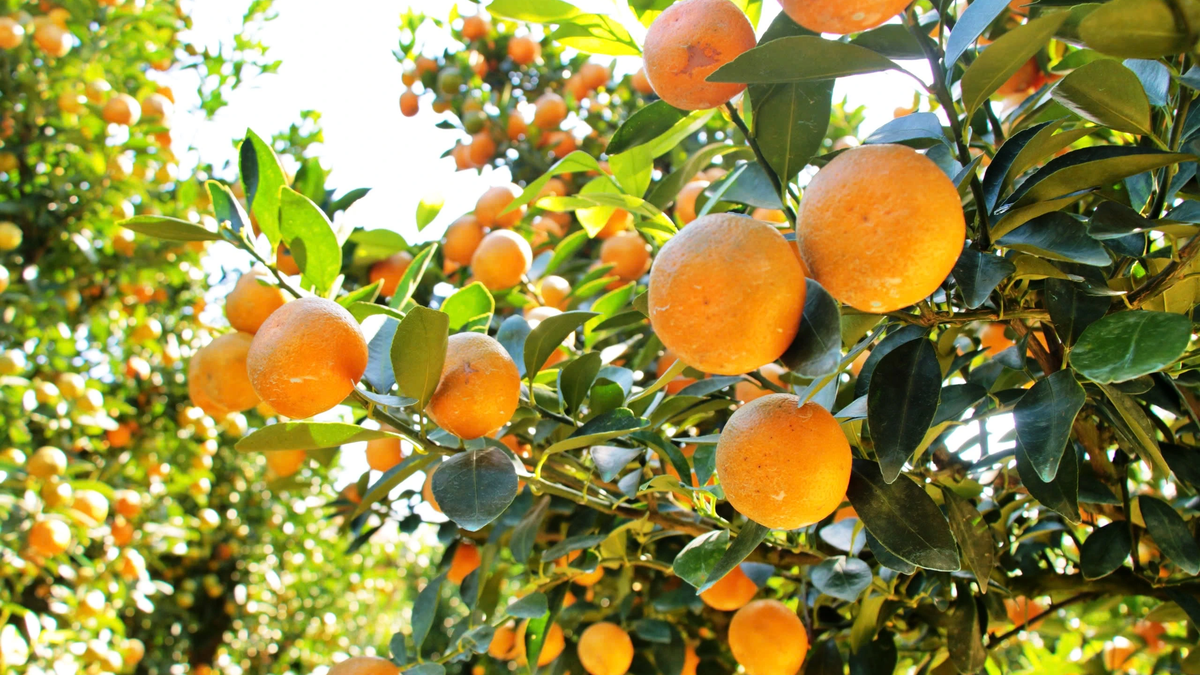
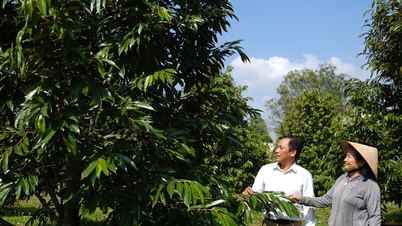
Walking down about a hundred meters, we visited the integrated farm model of Mr. Phung Van Dai's family. From someone with "zero" agricultural knowledge, after nearly a decade, his 8-acre farm has become lush and green. Besides 100 Vinh orange trees, since 2022, Mr. Dai has imported "hand-carried" orange varieties (seedlings from Taiwan) to graft onto Dien pomelo rootstock. Both orange varieties are grown using organic methods. This is only the first year the "hand-carried" orange orchard has borne fruit, but according to Mr. Dai's estimate, the orchard will yield about 30 tons of fruit, an increase of 24 tons compared to last year's harvest, potentially generating a profit of 300 million VND or more.
Great profit
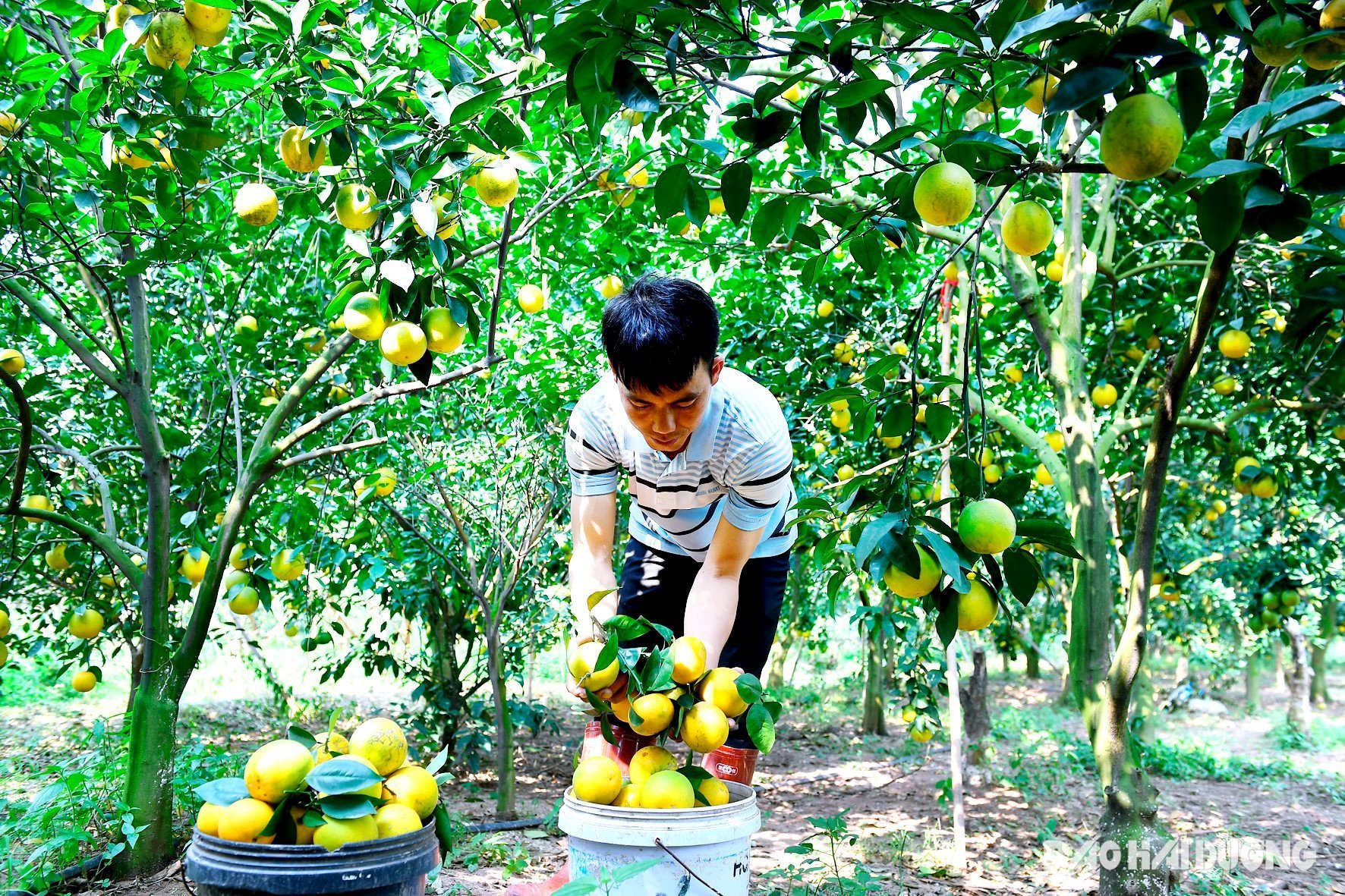
In our conversation with Mr. Dai and Mr. Tran Thieu, Vice Chairman of the Chi Linh City Farmers' Association, we found a common thread: they both recognized the value of fertile riverside alluvial lands. Mr. Dai, like many others in Nhan Hue, Duc Chinh, etc., has successfully utilized these lands to double or triple their value. This was further confirmed when we spoke with Ms. Luong Thi Kiem, Deputy Director of the Hai Duong Department of Agriculture and Rural Development. Ms. Kiem gave a simple example: If rice cultivation in the fields yields a profit of 100-150 million VND/hectare/year, and the average agricultural production value of Hai Duong in 2023 was 198.6 million VND/hectare, then the riverside alluvial lands alone could yield a profit of 300-500 million VND/hectare/year. Hai Duong currently has over 1,500 hectares of carrot cultivation, with 90% of that area located in riverside alluvial plains. Not content with growing carrots within the province, people in Hai Duong also rent about 500 hectares of riverside land along the Thai Binh River from neighboring provinces to grow carrots. Each year, they harvest over 64,000 tons of carrots, 90% of which are exported.
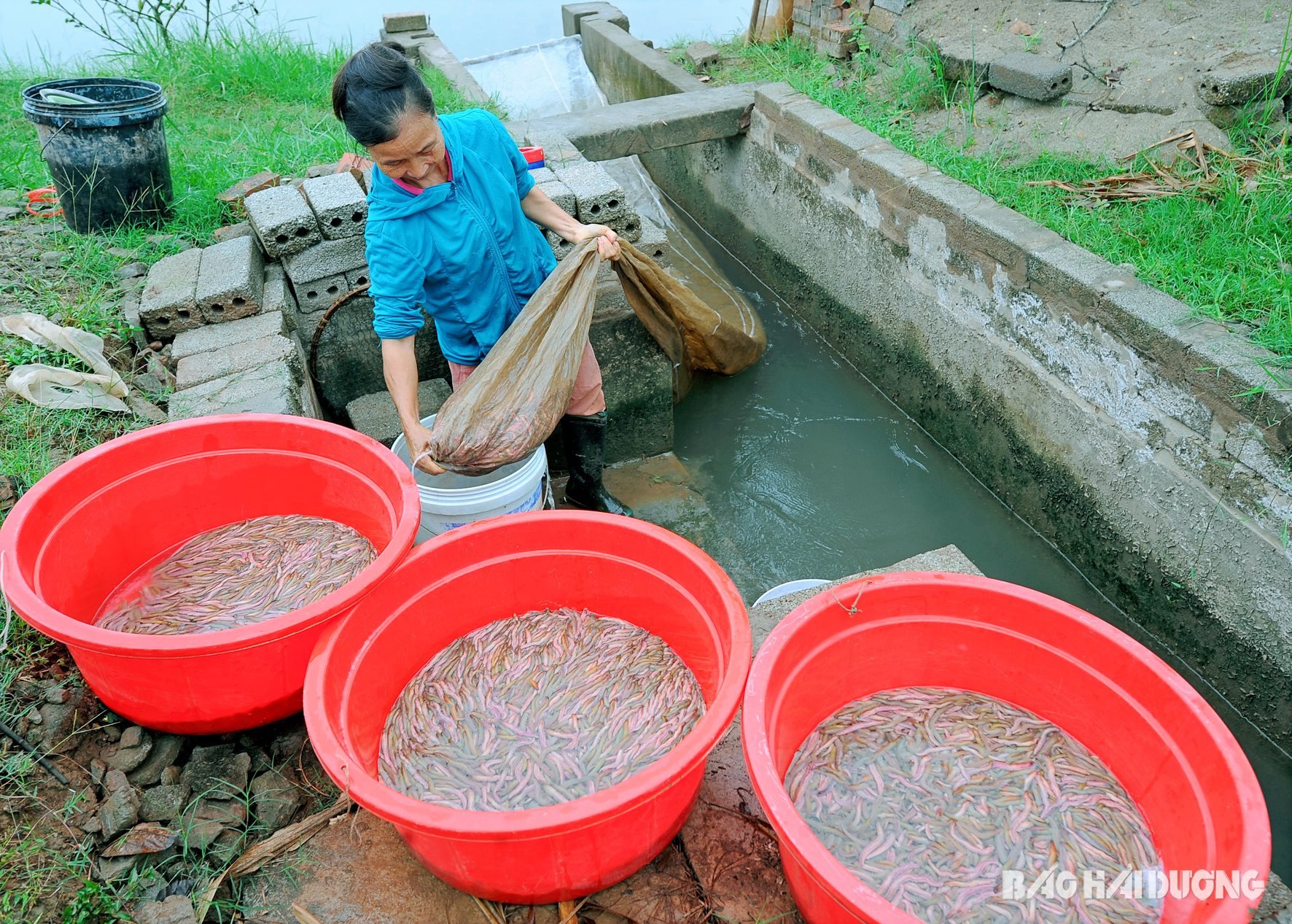
In riverside areas near the estuaries, such as Thanh Ha, Tu Ky, and parts of Kinh Mon, people utilize the land for organic rice cultivation combined with the harvesting of mudworms and crabs, resulting in even higher yields. For example, Tu Ky district currently has 8 areas for mudworm and crab harvesting combined with organic rice production, totaling 367 hectares. These conservation and harvesting areas generate income of 350-450 million VND/hectare/year, with a total value of 120-150 billion VND/year. Similarly, Thanh Ha district has 168 hectares dedicated to mudworm harvesting, concentrated in communes such as Vinh Lap and Thanh Xuan.
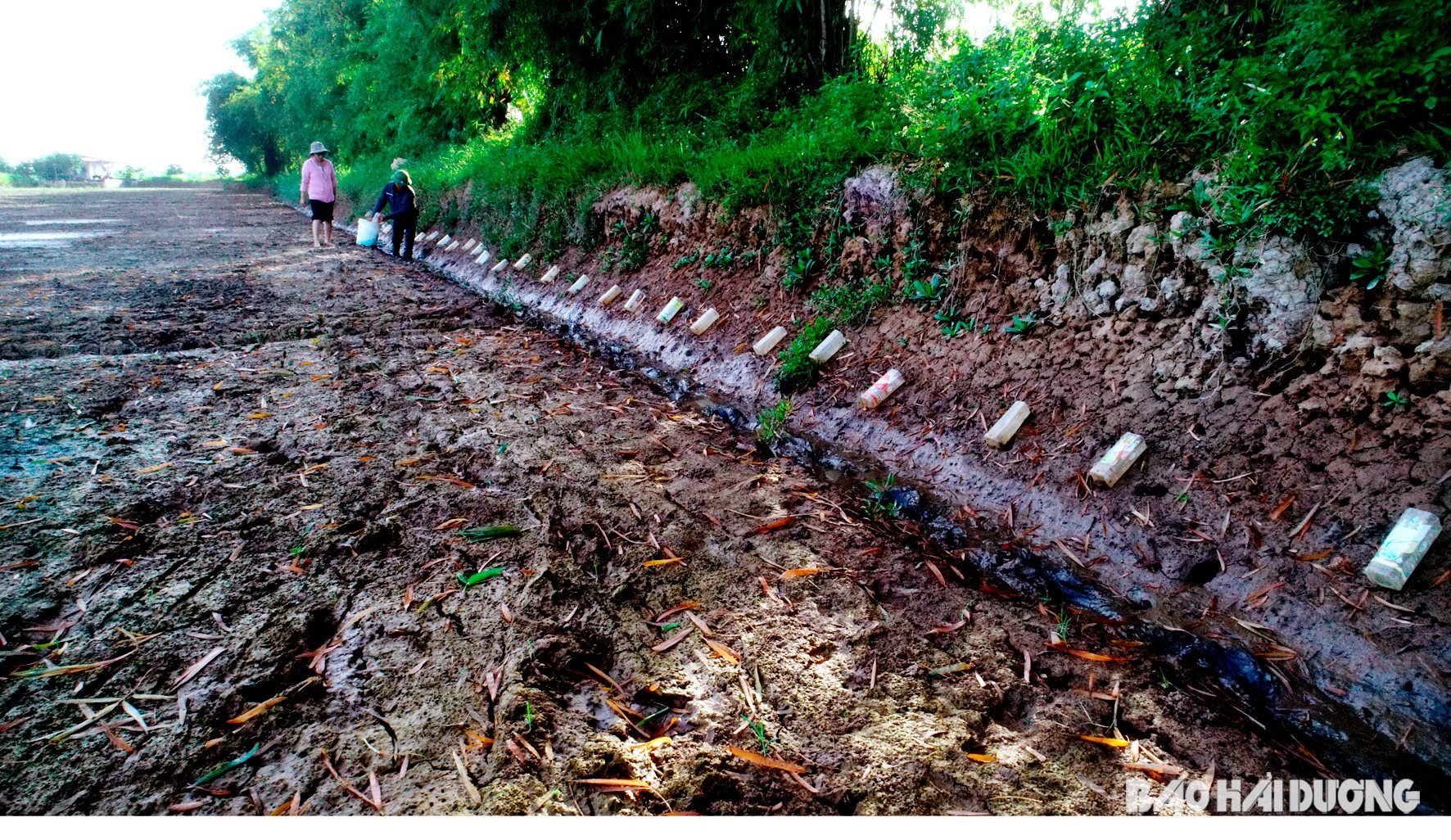
Hai Duong is also one of the region's major cage fish farming areas. This is clearly evident in Nam Tan, considered the "cradle" of cage fish farming in Hai Duong. Along the Kinh Thuy River, which flows through the commune for less than 5 km, there are nearly 1,100 fish cages belonging to over 60 households. A small community has formed here, living together and closely connected to cage fish farming.
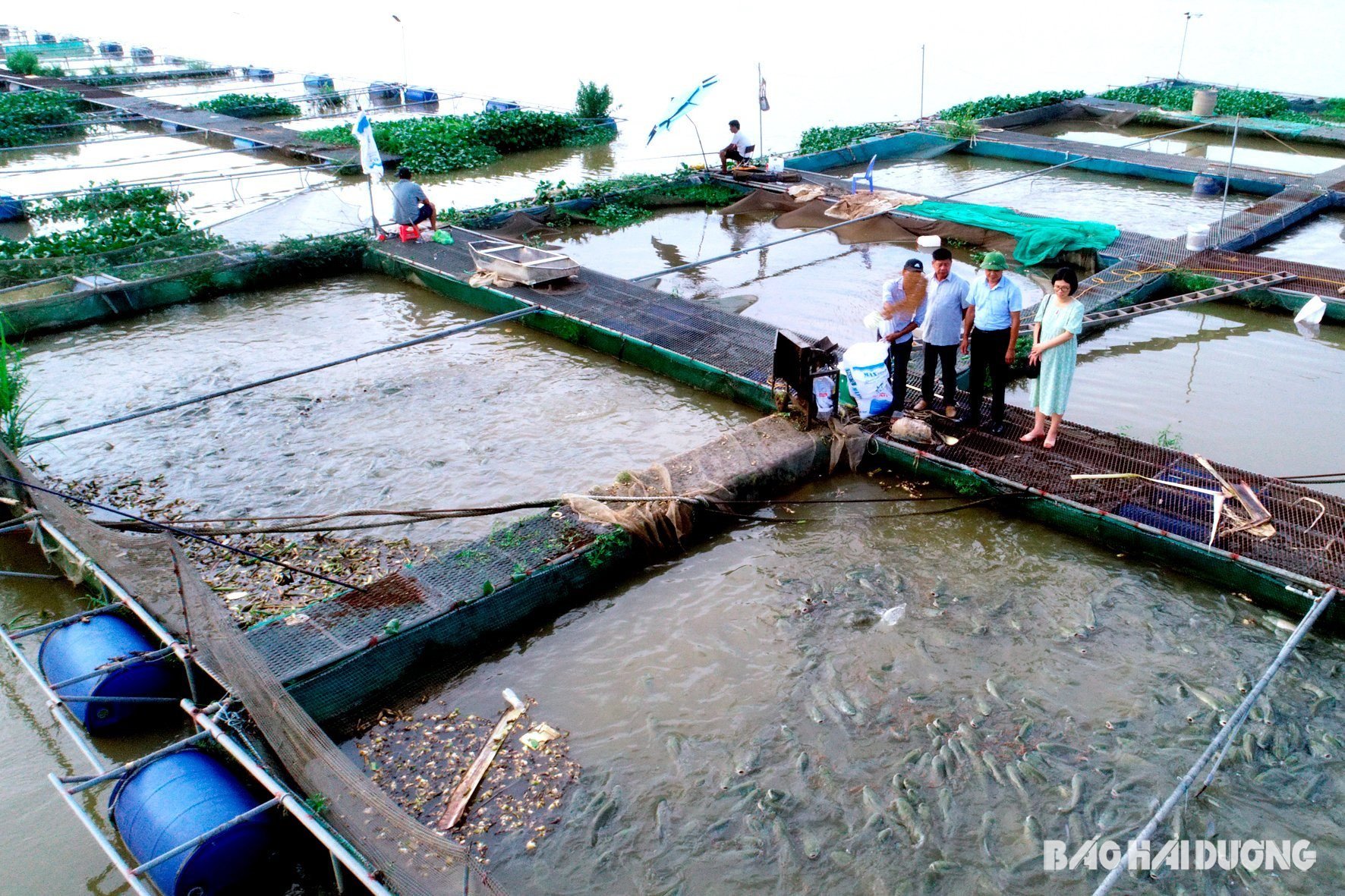
Mr. Tran Van Duong in Nam Tan currently has 40 fish cages. According to Mr. Duong, raising fish in the river can be done on a large scale because the river water is always clean, and the fish are healthier than those raised in ponds. After harvesting, each cage yields a profit of about 100 million VND per season. "Having been involved in and experienced many ups and downs with cage fish farming, I can affirm that no other livestock farming is as effective as cage fish farming," Mr. Duong said. Thanks to cage fish farming, several names have made it onto the list of billionaires, such as Mr. Nguyen Van Thuong in Nam Dong ward and Mr. Nguyen Trung Tuu in Nam Tan commune…
According to the Statistics Department, Hai Duong currently has 7,358 cages in operation, producing over 20,000 tons of fish, accounting for nearly 22% of the province's total aquatic product output.
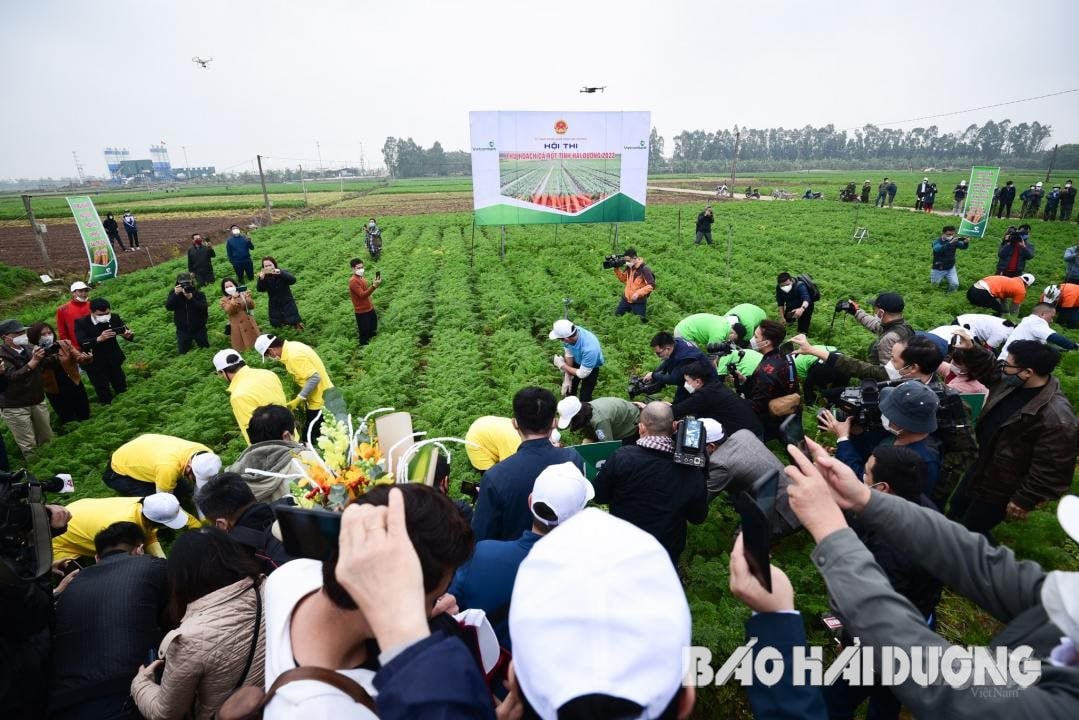
Farmers are also shifting from selling products to selling stories, as Minister Le Minh Hoan once suggested. The lychee festival in Thanh Ha, the carrot festival in Cam Giang, the rice festival in Tu Ky, and soon the onion and garlic festival in Kinh Mon are just a few examples...
Next episode: Drawing the future alongside the rivers
KIM THANHSource



















































![[Photo] Coc Ly market bustling on the eve of Tet](https://vphoto.vietnam.vn/thumb/402x226/vietnam/resource/IMAGE/2026/02/14/1771062261424_baolaocai-br_img-6457-jpg.webp)




Comment (0)