

Around 4 PM each afternoon, I often see Mr. Nguyen Van Tu, who lives in the same alley as me, bring out his old plastic chair to his porch. He sits there for quite a while, silently watching the people go by, waiting for work or school to end… Once, during a conversation, he said that he wasn't waiting for anyone in particular, he just wanted to sit there to listen to the sounds of people, to ease his loneliness.
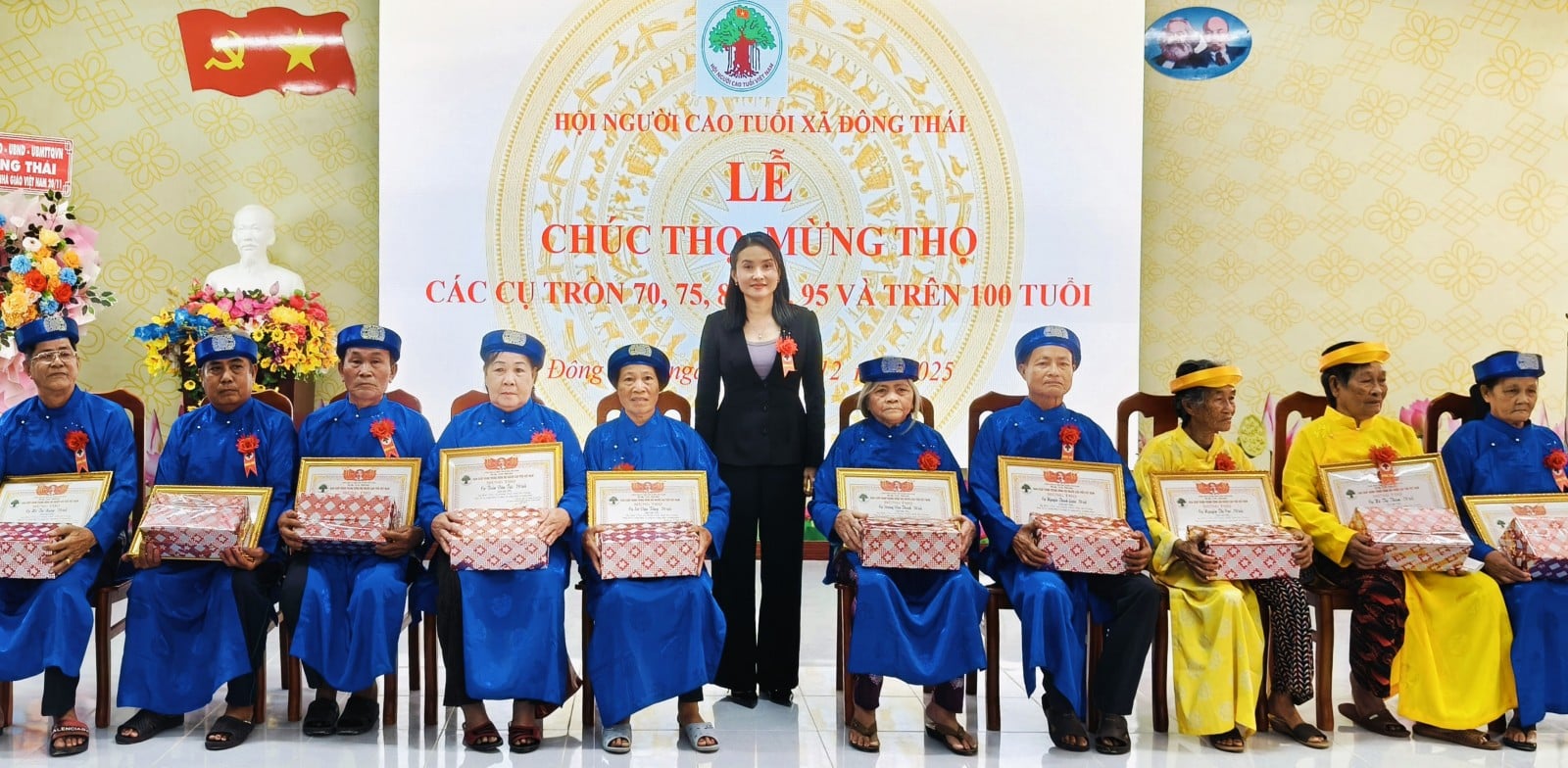
Dong Thai commune organized a ceremony to celebrate the longevity of elderly people in the commune. Photo: Bao Tran
Currently, Mr. Tư lives with his wife. He has two children, one of whom is married and lives separately; the youngest works in Ho Chi Minh City. In terms of material conditions, their lives are relatively stable: they have a pension, health insurance, and medication is provided by the local health center. However, according to him, these things are still not enough to fill the void in their spiritual lives. Elderly people need not only care but also to be listened to.
The afternoons I spent observing Mr. Tư made me think more about the reality of an aging population in society. The story of the spiritual void left by the elderly is gradually becoming clearer. Life expectancy is increasing, and the number of elderly people is growing, but their voices seem to receive less attention amidst the fast-paced life. They are present in their families and communities, but not always present in conversations, decisions, or daily attention.
Near where I work lives Mrs. Tran Thi Sau (74 years old). She lives with her son and two young grandchildren. There's always someone in the house, but she says she often feels lonely. The stories she wanted to tell about raising her children and about her neighborhood are gradually being mentioned less and less as family members become accustomed to their own time. The time they spend together is getting shorter and shorter, and many of her feelings remain unspoken.
Through Mrs. Sau's stories, I realized that the loneliness of the elderly doesn't just stem from living alone. Even in large families, they can still feel lost if they lack genuine connection. The generation gap isn't just about age differences; it's also about differences in pace of life and communication styles. While young people are accustomed to quick, brief exchanges, the elderly need slow, face-to-face conversations. When these two paces don't intersect, the elderly often choose to withdraw. Many older people admit to having many worries but are afraid to share them for fear of bothering their children and grandchildren. On the surface, their lives appear stable, but inside are anxieties and sorrows that are not easily expressed.
Not only within their families, but also in the community, elderly people lack sufficient space to express their voices. Some activities for them remain largely formal, mainly limited to visits and gift-giving during holidays, lacking genuine interaction. What the elderly need is long-term companionship: participation in community activities, the opportunity to offer advice, and the sharing of life and work experiences accumulated over many years. However, many elderly people still haven't found a suitable channel to voice their thoughts, causing their voices to easily be drowned out.
From my observations, I've noticed that the elderly are both a group in need of assistance and a valuable social resource. In many localities, they actively participate in social work, mediating disputes at the grassroots level, educating their children and grandchildren, and maintaining security and order in their residential areas. When listened to and given the opportunity, the elderly not only live happily and healthily but also continue to contribute to the community. The important thing is that they need to be recognized as stakeholders with a voice, not just as beneficiaries of policies.
Some young people I spoke with also admitted that sometimes their lack of attention to their grandparents isn't necessarily due to indifference, but rather stems from work pressure and the fast pace of life. While caring for the elderly is often understood primarily as providing for their material needs, their emotional needs are sometimes not fully recognized, even though this is a crucial factor in their quality of life.
Along with improving social security and healthcare policies, I believe more attention should be paid to the spiritual needs of the elderly. Listening shouldn't just come from one side alone, but should be fostered through small family conversations, the gentle care of the community, and spaces where the elderly can express their thoughts. When that voice is no longer ignored, old age will be less silent, and society, in the process of population aging, will become more humane.
TRAN QUANG
Source: https://baoangiang.com.vn/lang-nghe-nguoi-cao-tuoi-a476523.html
![[Image] Current status of the land area of over 5.5 hectares that Ho Chi Minh City is considering reclaiming.](https://vphoto.vietnam.vn/thumb/1200x675/vietnam/resource/IMAGE/2026/04/15/1776245690095_1-3102-8409-jpg.webp)
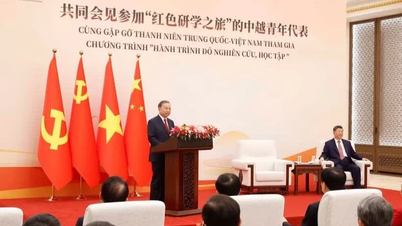
![[Photo] General Secretary and President To Lam and General Secretary and President Xi Jinping meet with youth from both countries.](https://vphoto.vietnam.vn/thumb/1200x675/vietnam/resource/IMAGE/2026/04/15/1776245687540_vna-potal-tong-bi-thu-chu-tich-nuoc-to-lam-va-tong-bi-thu-chu-tich-nuoc-tap-can-binh-gap-go-thanh-nien-hai-nuoc-8702371-jpg.webp)
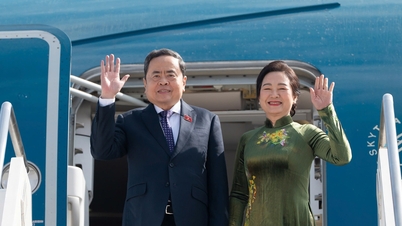
![[Photo] National Assembly Chairman Tran Thanh Man concludes official visit to Italy, departs for IPU-152](https://vphoto.vietnam.vn/thumb/1200x675/vietnam/resource/IMAGE/2026/04/15/1776253436109_vna-potal-chu-tich-quoc-hoi-ket-thuc-tham-chinh-thuc-italy-len-duong-du-ipu-152-tai-tho-nhi-ky-8702876-7969-jpg.webp)
![[Photo] Capturing each moment at the "People We Meet" photography exhibition.](https://vphoto.vietnam.vn/thumb/1200x675/vietnam/resource/IMAGE/2026/04/15/1776245695648_1-8944-jpg.webp)
![[Photo] General Secretary and President To Lam and his wife, along with General Secretary and President Xi Jinping and his wife, attending a tea party.](https://vphoto.vietnam.vn/thumb/1200x675/vietnam/resource/IMAGE/2026/04/15/1776245678527_vna-potal-tong-bi-thu-chu-tich-nuoc-to-lam-va-phu-nhan-cung-tong-bi-thu-chu-tich-nuoc-tap-can-binh-va-phu-nhan-du-tiec-tra-8702812-9829-jpg.webp)
![[Image] Overview of the Tam Trinh-Giai Phong connecting road section after land clearance is completed.](https://vphoto.vietnam.vn/thumb/1200x675/vietnam/resource/IMAGE/2026/04/15/1776245679644_ndo_br_dji-0195-jpg.webp)


























































Comment (0)