

In Vietnam, Vinmec is pioneering the application of autologous enhanced immunotherapy (AIET) - a technology transferred from Japan - opening up opportunities to prolong life and improve the quality of life for cancer patients.
Within the framework of the conference on immunotherapy organized by the Nichi-In Center for Regenerative Medicine (NCRM) in Japan, Prof. Dr. Nguyen Thanh Liem - Director of Vinmec Stem Cell and Gene Technology Institute - announced positive results after many years of implementing AIET in Vietnam.
This technology was received by Vinmec from GN Group (Japan) in 2018, with technical support from experts from Nichi-In Center for Regenerative Medicine.
AIET uses the patient's own healthy immune cells, including NK cells and autologous T lymphocytes. Patients will have 100 ml of peripheral blood taken. After 15-21 days of processing and culturing in the laboratory, the preparation will be returned to the patient's own vein for infusion. According to Professor Liem, patients may need 2-6 treatment cycles, depending on the progression and stage of cancer.
In fact, at Vinmec, the use of AIET as a supportive therapy combined with standard treatments helps increase treatment effectiveness by 20-30% and significantly improve the survival time of patients with many different types of cancer.
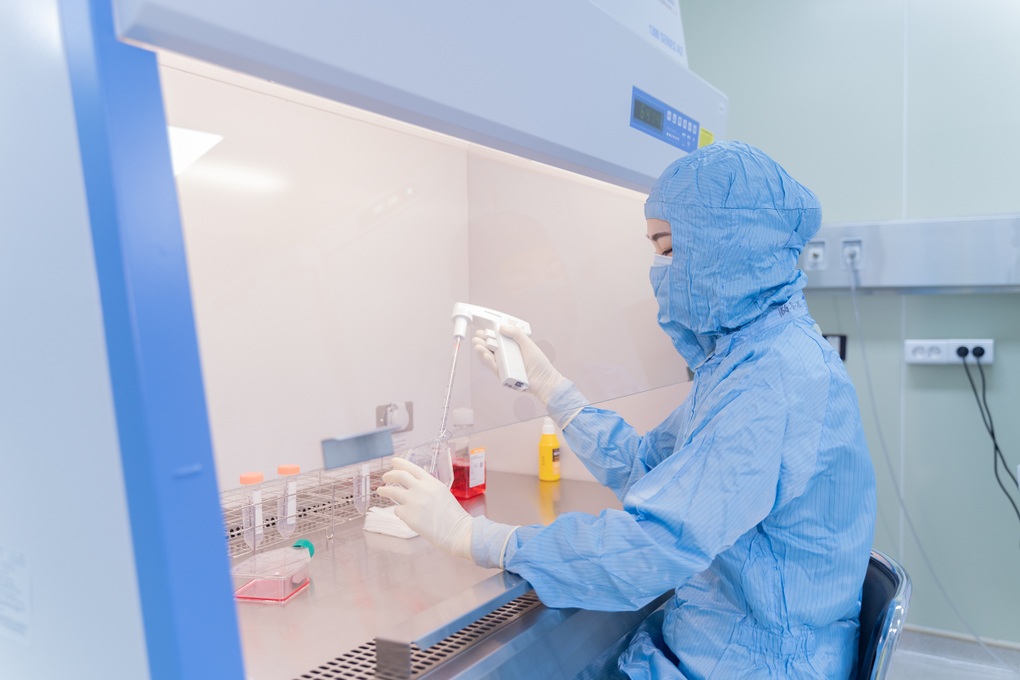
A stage in the immune cell proliferation process at Vinmec (Photo: Vinmec).
Specifically, the results of two clinical trials conducted at Vinmec in the period 2016-2021 showed that the survival time of colorectal cancer patients increased by an average of 14.3 months. For lung and liver cancer, this figure was up to 18.7 months.
Not only do patients live longer, they also live better. More than 100 patients, including those with advanced breast, ovarian, thyroid, and head and neck cancers, who participated in the treatment reported better appetite, deeper sleep, reduced fatigue, nausea, and depression, and improved physical performance.
In particular, because it uses the patient's own cells and does not use foreign biological materials or intermediate culture layers, AIET has almost no side effects. The entire procedure is performed by Vinmec according to strict Japanese standards and complies with the Regenerative Medicine Safety Law, ensuring absolute safety throughout the treatment process.
The success of AIET is not only a milestone for Vinmec but also an important step forward for regenerative medicine in Vietnam - a field that is considered the "key" to prolonging life and improving the quality of life in the 21st century.
Highly appreciating the AIET technology transfer initiative of GN Group, Professor Liem also acknowledged other outstanding interdisciplinary research of GN in the field of regenerative medicine.
Notably, the technology of preserving articular cartilage using autologous cells has demonstrated the ability to reverse the aging process of cells in the laboratory - an achievement that could open a new era for regenerative medicine in the future. This technology is currently being transferred to international hospitals and research institutes.
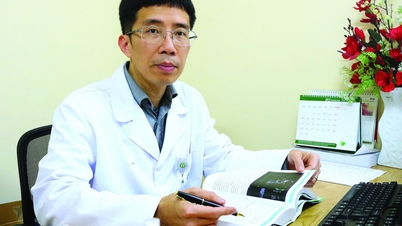
Nguyen Thanh Liem, former Director of the National Children's Hospital, is one of Vietnam's leading pediatric surgeons and a pioneering researcher in the field of regenerative medicine and cell therapy.
He is the winner of the 2018 Nikkei Asia Prize for Science and Technology, the Ho Chi Minh Prize, the Labor Hero Medal, the Vietnam Talent Award, and in 2025 was ranked in the list of influential scientists in the world announced by a research group at Stanford University (USA).
Source: https://dantri.com.vn/suc-khoe/lieu-phap-moi-giup-keo-dai-thoi-gian-song-cho-benh-nhan-ung-thu-20251023164819000.htm
![[Photo] Prime Minister Pham Minh Chinh chairs meeting on railway projects](https://vphoto.vietnam.vn/thumb/1200x675/vietnam/resource/IMAGE/2025/10/23/1761206277171_dsc-9703-jpg.webp)

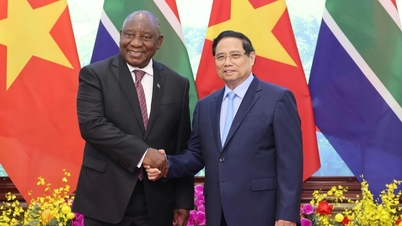
![[Photo] Prime Minister Pham Minh Chinh meets with South African President Matamela Cyril Ramaphosa](https://vphoto.vietnam.vn/thumb/1200x675/vietnam/resource/IMAGE/2025/10/23/1761226081024_dsc-9845-jpg.webp)

![[Photo] President Luong Cuong holds talks with South African President Matamela Cyril Ramaphosa](https://vphoto.vietnam.vn/thumb/1200x675/vietnam/resource/IMAGE/2025/10/23/1761221878741_ndo_br_1-8416-jpg.webp)
















































Comment (0)